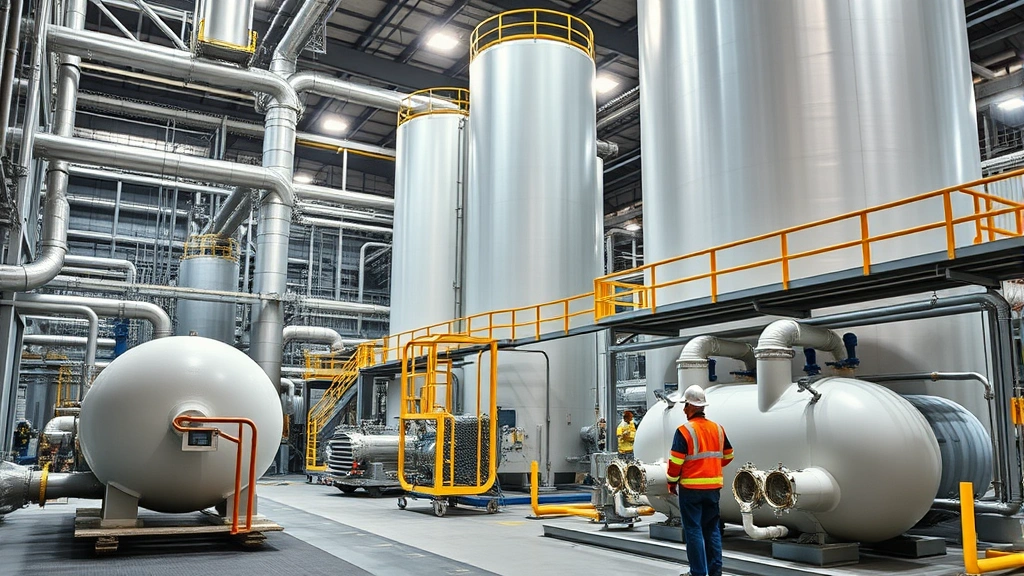
MIG Gas and Its Impact on Environment: A Comprehensive Guide
Metal Inert Gas (MIG) welding has become one of the most widely used welding processes in manufacturing, construction, and metal fabrication industries worldwide. While MIG welding offers significant advantages in terms of speed and efficiency, the gases used in this process have substantial environmental and health implications that deserve careful consideration. Understanding MIG gas composition, its sources, and its environmental footprint is essential for businesses and professionals seeking to minimize their ecological impact while maintaining operational excellence.
The gases used in MIG welding—primarily argon, carbon dioxide, and various gas mixtures—play a critical role in protecting the weld pool from atmospheric contamination. However, their production, transportation, and release into the atmosphere contribute to environmental challenges that extend beyond the welding shop floor. This comprehensive guide explores the multifaceted relationship between MIG gas and environmental sustainability, offering actionable insights for reducing emissions and adopting greener practices in your welding operations.
What is MIG Gas and How Does It Work
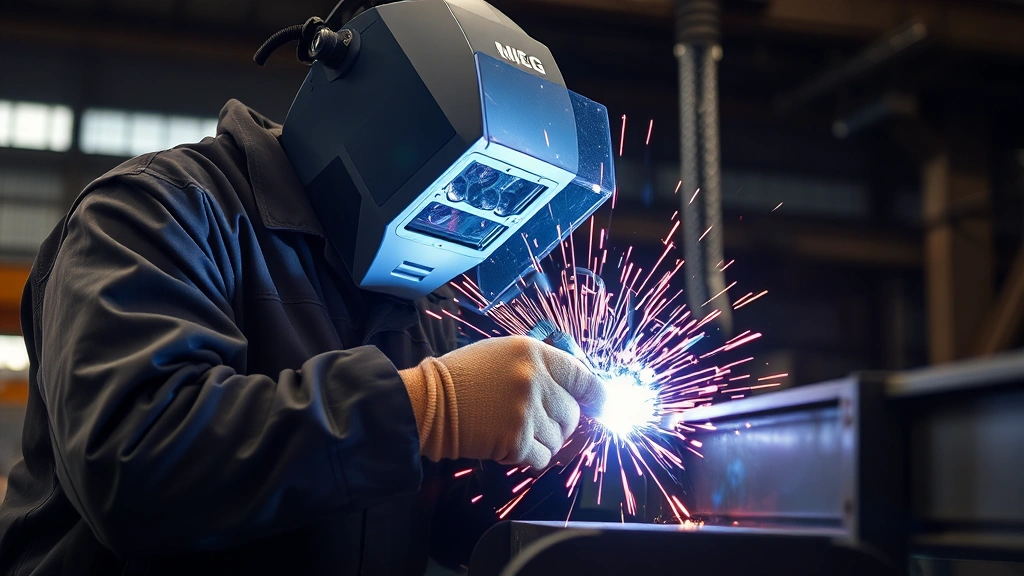
MIG welding, also known as Gas Metal Arc Welding (GMAW), relies on a shielding gas to protect the molten weld pool from oxidation and atmospheric contamination. The shielding gas creates an inert atmosphere around the arc, preventing nitrogen and oxygen from the air from bonding with the hot metal and compromising weld quality. This fundamental process has revolutionized metal fabrication since its introduction in the 1950s, enabling faster production rates and superior weld quality compared to earlier techniques.
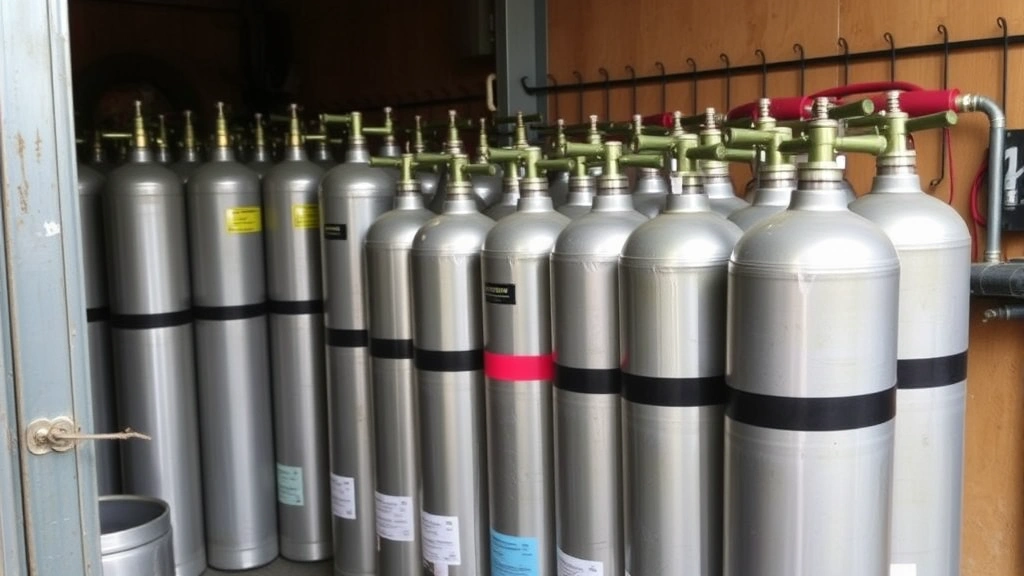
The MIG gas is typically supplied in pressurized cylinders and fed through a welding gun alongside the wire electrode. As the arc melts the wire and base metal, the gas flows continuously to maintain protection. Different gas compositions serve different purposes—some are optimized for mild steel, others for stainless steel, and still others for aluminum and specialty alloys. Understanding these distinctions is crucial for both performance and environmental responsibility.
The efficiency of MIG welding has made it the preferred choice across industries, from automotive manufacturing to pipeline construction. However, this widespread adoption means that MIG gas consumption represents a significant volume of industrial gas usage globally, with corresponding environmental implications. When you explore sustainability topics, the industrial gas sector frequently emerges as an area requiring substantial environmental attention.
Types of MIG Gas and Their Environmental Profiles
The primary gases used in MIG welding include pure argon, carbon dioxide, oxygen, and helium, often combined in various mixtures tailored to specific applications. Each gas carries distinct environmental characteristics and production impacts that influence overall sustainability considerations.
Argon remains the most commonly used shielding gas in MIG welding. As an inert noble gas, argon is naturally occurring and extracted from atmospheric air through cryogenic separation. While argon itself is non-toxic and environmentally benign once released, the energy-intensive process of extracting and liquefying argon contributes significantly to production-phase emissions. Argon represents approximately 0.93% of Earth’s atmosphere, making it abundant, yet its extraction and compression require substantial electrical energy.
Carbon Dioxide (CO2) presents a more complex environmental picture. While CO2 is often sourced as a byproduct from industrial processes like ammonia production or natural gas processing, its use in MIG welding still contributes to greenhouse gas emissions. CO2-enriched gas mixtures (typically 75-98% argon with 2-25% CO2) are popular for carbon steel welding due to improved penetration and travel speed. The carbon dioxide component, however, means these mixtures carry inherent climate impact considerations.
Oxygen additions to argon-based mixtures (usually 1-5%) enhance arc stability and weld penetration characteristics. While oxygen is abundant and naturally occurring, its production through air separation consumes energy. More importantly, the choice to use oxygen-enriched mixtures should be evaluated against alternative gas combinations that might achieve similar results with lower environmental impact.
Helium, another noble gas extracted from natural sources, offers superior heat transfer properties but commands significantly higher costs and environmental consequences due to its scarcity and energy-intensive extraction process. Helium-containing mixtures are reserved for specialized applications where performance justifies the environmental and economic premium.
When evaluating your MIG gas selection, consider consulting resources on sustainable energy solutions to understand how your welding operations fit into broader industrial energy efficiency strategies.
Carbon Footprint of MIG Gas Production
The environmental impact of MIG gas begins long before it reaches your welding facility. The production, liquefaction, compression, and transportation of industrial gases constitute a significant portion of their total carbon footprint. Understanding these upstream emissions is essential for comprehensive sustainability assessment.
Extraction and Separation Processes dominate the energy consumption in MIG gas production. Argon and helium extraction from atmospheric air requires cryogenic air separation units (ASUs) that operate continuously at extremely low temperatures. These facilities consume substantial electrical energy—estimates suggest that producing one cubic meter of liquid argon requires approximately 0.5-1.0 kilowatt-hours of electricity. For large welding operations consuming hundreds or thousands of cubic meters annually, this translates to considerable energy demand.
Carbon dioxide sourcing presents different challenges. While CO2 recovered from industrial processes represents a form of waste utilization, synthetic CO2 production for welding applications requires energy-intensive processes. The sourcing method significantly impacts the overall carbon footprint of CO2-based gas mixtures.
Compression and Liquefaction add additional energy requirements. Most MIG gases are supplied in high-pressure cylinders (approximately 2000-3000 PSI), requiring compressor systems that consume substantial electrical power. Some suppliers offer bulk liquid delivery systems that reduce per-unit compression energy, but these require specialized storage infrastructure and handling procedures.
Transportation and Distribution contribute meaningfully to overall emissions. Pressurized gas cylinders are heavy and require frequent replacement, generating transportation emissions through delivery vehicles. A typical welding shop might receive dozens of cylinders monthly, each requiring vehicle miles to transport. Bulk liquid systems reduce this impact but introduce other logistical considerations.
Recent life cycle assessments indicate that argon-based MIG gas mixtures generate approximately 5-15 kilograms of CO2 equivalent per cubic meter produced, depending on the electricity grid’s carbon intensity and production efficiency. For a mid-sized fabrication shop consuming 10,000 cubic meters annually, this translates to 50-150 metric tons of CO2 equivalent attributed to gas production alone.
Atmospheric Impact and Greenhouse Gas Emissions
While noble gases like argon are chemically inert and pose no direct atmospheric threat, the carbon dioxide component in many MIG gas mixtures contributes directly to climate change. Additionally, the upstream emissions from gas production and transportation accumulate into a substantial climate footprint.
Direct Emissions from CO2-Based Mixtures represent the most straightforward climate impact. A typical 75/25 argon/CO2 mixture used for carbon steel welding contains significant carbon dioxide that is released into the atmosphere during the welding process. While the volume of gas used per weld is relatively small, industrial-scale operations consuming thousands of cubic meters annually release hundreds of metric tons of CO2 directly.
The Environmental Protection Agency (EPA) tracks industrial greenhouse gas emissions, including those from welding operations and their associated gas consumption. Understanding your facility’s contribution to these emissions provides baseline data for improvement initiatives.
Indirect Emissions from Energy Consumption in gas production and distribution represent the larger portion of MIG gas climate impact. The electricity consumed in cryogenic air separation, compression, liquefaction, and transportation generates emissions proportional to your regional grid’s carbon intensity. In regions relying heavily on fossil fuels for electricity generation, these indirect emissions can exceed direct emissions from CO2-based gas mixtures.
Fugitive Emissions and Leakage during storage, transport, and use represent additional climate concerns. Pressurized cylinder systems inevitably experience minor leakage, and improper handling can result in significant gas loss. High-pressure systems operating at thousands of PSI create opportunities for gradual atmospheric release throughout the supply chain.
The cumulative impact of widespread MIG gas usage across global manufacturing sectors contributes meaningfully to industrial greenhouse gas emissions. As organizations increasingly focus on carbon neutrality and emissions reduction, evaluating MIG gas consumption becomes part of comprehensive sustainability strategies. Learning about how to reduce your environmental footprint provides frameworks for addressing these industrial emission sources.
Health and Safety Concerns Related to MIG Gas
Beyond environmental considerations, MIG gas poses important occupational health and safety implications for welders and shop personnel. Understanding these hazards ensures comprehensive protection for your workforce while supporting sustainable workplace practices.
Asphyxiation Hazards represent the most serious acute risk from MIG gas exposure. Noble gases like argon and helium are heavier than air and can accumulate in low-lying areas, creating oxygen-deficient atmospheres that cause rapid loss of consciousness and death. Welders working in confined spaces, underground, or in poorly ventilated areas face particular risk. Proper ventilation systems and atmospheric monitoring are essential safety measures.
Carbon Dioxide Exposure Effects include respiratory irritation, dizziness, and headaches at elevated concentrations. Chronic exposure to CO2-enriched atmospheres can contribute to long-term respiratory effects. Industrial hygiene monitoring and engineering controls are necessary to maintain safe exposure levels.
Fume and Particulate Concerns interact with shielding gas composition. While the gas itself may be inert, the welding process generates metal fumes and oxides that combine with the shielding gas atmosphere. Certain gas mixtures may enhance fume generation compared to alternatives, creating differential health impacts.
Pressure-Related Injuries can occur from improper handling of high-pressure gas cylinders. Damaged regulators, leaking connections, or mishandled equipment can cause rapid gas discharge, thermal burns, or projectile hazards. Proper training, equipment maintenance, and safe handling procedures are essential.
Organizations committed to worker health and safety often discover that sustainable practices and occupational health improvements align. Reducing reliance on high-pressure gas cylinders through alternative systems simultaneously improves safety and reduces environmental impact.
Sustainable Alternatives and Best Practices
Forward-thinking welding operations are exploring and implementing alternatives to traditional MIG gas systems that reduce environmental impact while maintaining or improving performance and safety outcomes.
Bulk Liquid Gas Systems represent a significant step toward sustainability. Rather than receiving numerous pressurized cylinders, facilities install dedicated bulk storage tanks for liquid argon or CO2. This approach reduces transportation emissions, minimizes cylinder waste, and often enables volume-based price reductions. The infrastructure investment is substantial but recovers through operational efficiencies.
Optimized Gas Mixtures tailored to specific applications can reduce overall gas consumption. Working with gas suppliers to identify the most efficient mixture for your particular welding requirements—rather than using universal blends—decreases waste and associated emissions. Regular analysis of your welding parameters and gas usage ensures continued optimization as techniques evolve.
Flux-Core Arc Welding (FCAW) eliminates the need for external shielding gas entirely. While FCAW uses self-shielding flux within the wire, it represents a viable alternative for certain applications, particularly in field welding and construction. Evaluating whether FCAW can replace some MIG operations reduces overall gas consumption.
Shielded Metal Arc Welding (SMAW), though less convenient than MIG, eliminates gas consumption entirely. For applications where SMAW performance is acceptable, transitioning from MIG reduces environmental impact substantially.
Improved Equipment Efficiency reduces gas consumption per unit of work. Modern welding power sources with advanced controls optimize arc characteristics and reduce spatter, which often correlates with reduced gas consumption. Upgrading aging equipment to current standards can decrease gas usage by 10-20% while improving weld quality.
Enhanced Ventilation and Gas Recovery Systems capture and recover unused shielding gas, reducing waste. While not universally applicable, localized capture systems in high-volume operations can recover significant gas volumes that would otherwise escape.
Exploring green technology innovations transforming our future reveals emerging welding technologies and practices that may offer pathways to further emissions reduction in your operations.
Regulatory Framework and Compliance
Environmental regulations governing industrial gas usage, emissions, and workplace safety continue to evolve, creating compliance obligations and opportunities for proactive sustainability leadership.
EPA Regulations and Reporting require facilities above certain emission thresholds to report greenhouse gas emissions under the Greenhouse Gas Reporting Program (GHGRP). While small welding shops may fall below reporting thresholds, larger fabrication facilities must quantify and report emissions from MIG gas consumption. Understanding your facility’s reporting obligations ensures compliance and identifies emissions reduction opportunities.
Occupational Safety and Health Administration (OSHA) Standards establish permissible exposure limits for welding fumes, shielding gases, and related hazards. Compliance requires proper ventilation design, atmospheric monitoring, and worker training. These requirements align naturally with sustainable practices that reduce gas consumption and improve air quality.
State and Local Air Quality Regulations may impose additional restrictions on industrial gas usage and emissions. Some jurisdictions establish emissions caps, require emissions trading participation, or mandate specific pollution control technologies. Staying informed about local regulatory developments ensures compliance and identifies competitive advantages from early adoption of cleaner practices.
ISO 14001 Environmental Management Systems provide frameworks for systematically addressing environmental impacts, including MIG gas consumption. Organizations pursuing ISO 14001 certification develop procedures for tracking gas usage, identifying reduction opportunities, and documenting improvement initiatives.
Industry-Specific Standards may establish sustainability expectations for welding operations. The welding industry increasingly recognizes environmental responsibility as a competitive differentiator, with clients preferring suppliers demonstrating emissions reduction commitment.
The American Welding Society (AWS) provides technical standards and guidance for welding practices, including recommendations for sustainable operations and environmental stewardship.
Implementing Green MIG Welding Strategies
Translating awareness of MIG gas environmental impact into concrete operational improvements requires systematic planning, investment, and ongoing commitment. Organizations successfully implementing green welding strategies follow proven pathways that balance environmental responsibility with economic viability.
Baseline Assessment and Measurement forms the foundation for improvement. Quantify your current MIG gas consumption, document sourcing methods, and calculate associated carbon footprint. Establish metrics for tracking consumption per unit of production, enabling objective evaluation of improvement initiatives. Many facilities discover that accurate consumption data reveals waste and inefficiencies previously unrecognized.
Staff Training and Engagement multiplies the effectiveness of technical improvements. Welders and shop personnel trained in sustainable practices, proper equipment handling, and gas conservation techniques implement changes more effectively than technology improvements alone. Creating incentive programs that reward reduced gas consumption per weld encourages workforce participation in sustainability goals.
Equipment Upgrades and Maintenance reduce gas consumption through improved efficiency. Modern welding power sources incorporate features that minimize gas usage while enhancing arc stability. Regular maintenance ensures equipment operates at peak efficiency—poorly maintained regulators and hoses often leak significant gas quantities undetected.
Gas Supplier Partnership and Optimization leverages external expertise. Work collaboratively with your gas supplier to analyze consumption patterns, identify optimization opportunities, and evaluate alternative delivery systems. Many suppliers offer consulting services to help facilities reduce gas usage and associated costs.
Documentation and Continuous Improvement establish sustainable practices as ongoing initiatives rather than one-time projects. Document baseline metrics, track improvements, analyze results, and adjust strategies based on performance data. Regular review meetings ensure sustainability remains prioritized as operational demands fluctuate.
Integration with Broader Sustainability Initiatives amplifies impact. Connect MIG gas reduction efforts to facility-wide energy efficiency, emissions reduction, and waste management programs. Organizations pursuing comprehensive sustainability strategies often discover synergies—improvements benefiting one area simultaneously advance others.
Resources exploring natural gas vs propane considerations provide comparative frameworks applicable to evaluating MIG gas alternatives and their relative environmental profiles.
Consider also how welding operations connect to broader transportation and mobility strategies. Understanding advantages of electric vehicles and clean energy transitions helps welding operations recognize their role within evolving industrial ecosystems increasingly powered by renewable energy.
FAQ
What is the most environmentally friendly MIG gas option?
Pure argon, supplied via bulk liquid systems rather than pressurized cylinders, represents the most environmentally sustainable MIG gas choice for most applications. Argon is naturally occurring, non-toxic, and abundant. Bulk liquid delivery minimizes transportation emissions compared to cylinder replacement. However, application-specific requirements may necessitate alternative mixtures—consulting with welding professionals ensures optimization for your particular needs.
How much CO2 does MIG welding release into the atmosphere?
A typical 75/25 argon/CO2 mixture releases approximately 0.25-0.5 kilograms of CO2 per hour of welding, depending on gas flow rates and usage efficiency. Facilities consuming 10,000 cubic meters annually of this mixture release roughly 50-100 metric tons of CO2 directly from the gas component alone. Additional upstream emissions from gas production and transportation typically double or triple this impact.
Can MIG welding be done without shielding gas?
Traditional MIG welding requires shielding gas to protect the weld pool. However, flux-core arc welding (FCAW) uses self-shielding flux within the wire, eliminating external gas needs. FCAW is suitable for many applications and represents a viable alternative for reducing gas consumption in appropriate situations.
What health risks do welders face from MIG gas exposure?
Primary hazards include asphyxiation from noble gas accumulation in low-lying or poorly ventilated areas, respiratory irritation from CO2 exposure, and pressure-related injuries from high-pressure cylinder handling. Proper ventilation, atmospheric monitoring, and safety training effectively mitigate these risks.
How can I reduce my facility’s MIG gas consumption?
Implement bulk liquid gas systems, optimize gas mixtures for your specific applications, upgrade to modern welding equipment with improved efficiency, maintain equipment properly to prevent leaks, train staff in conservation practices, and consider alternative welding processes where applicable. Regular monitoring and documentation track progress and identify additional opportunities.
Are there regulations limiting MIG gas emissions?
Facilities above specific emission thresholds must report greenhouse gas emissions under EPA regulations. OSHA establishes safety standards for gas handling and worker exposure. State and local regulations may impose additional requirements. Compliance obligations vary by location and facility size—consulting with environmental and safety professionals ensures proper adherence.


