
Natural Gas Sensors: Essential for Safety and Environmental Protection
Natural gas has become a cornerstone of modern energy infrastructure, powering homes, businesses, and industrial facilities across the globe. However, the invisible nature of this fuel presents a significant safety challenge. Natural gas is odorless in its pure form, making it impossible to detect leaks through human senses alone. This critical gap in safety has led to the widespread adoption of natural gas sensors, devices that have become indispensable in protecting lives and property. Beyond safety, these sensors play an important role in environmental stewardship by preventing methane emissions that contribute to climate change.
The importance of natural gas detection cannot be overstated. According to the EPA, natural gas leaks pose risks ranging from minor property damage to catastrophic explosions. Every year, thousands of incidents occur due to undetected gas leaks, resulting in injuries, fatalities, and property loss. Installing reliable natural gas sensor systems is not merely a convenience—it is a fundamental safety requirement for any property using natural gas appliances or infrastructure.
How Natural Gas Sensors Work
A natural gas sensor operates by detecting the presence of methane and other hydrocarbon gases in the air. The fundamental principle involves a sensing element that responds chemically or physically to gas molecules, converting this response into an electrical signal. When gas concentrations reach predetermined thresholds, the sensor triggers an alarm, alerting occupants to potential danger.
Several detection technologies power modern natural gas sensors. Catalytic bead sensors, among the most common, use a heated filament coated with a catalyst. When combustible gas comes into contact with this heated surface, it oxidizes, releasing heat that increases the filament’s resistance. This resistance change is measured and converted into a gas concentration reading. Infrared sensors, another prevalent technology, measure the absorption of infrared light by gas molecules, offering excellent selectivity and stability.
Electrochemical sensors represent a newer approach, utilizing chemical reactions that produce electrical currents proportional to gas concentration. These sensors excel in detecting specific gases and offer rapid response times. Semiconductor-based sensors, also called metal oxide sensors, change their electrical resistance when exposed to reducing gases like methane, providing affordable and compact detection solutions suitable for residential applications.
The response time of a quality natural gas sensor typically ranges from 10 to 30 seconds, allowing occupants sufficient time to evacuate and contact emergency services. Sensitivity levels are calibrated to detect gas at concentrations well below explosive thresholds, ensuring early warning before dangerous situations develop.
Types of Natural Gas Sensors
Understanding the different categories of natural gas sensor technologies helps in selecting appropriate solutions for specific applications. Residential sensors differ significantly from industrial-grade equipment in terms of sensitivity, durability, and operational environment requirements.
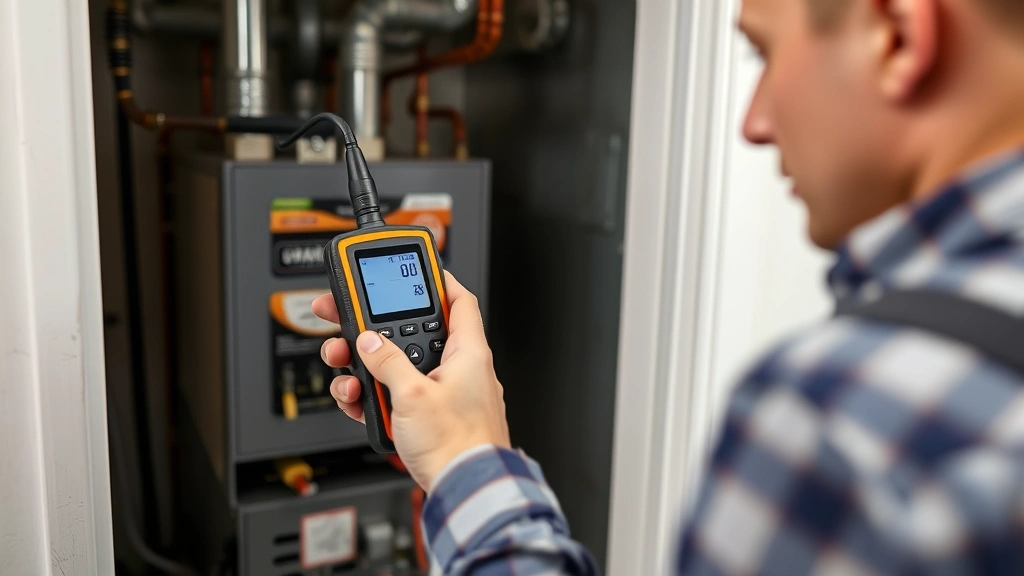
Portable Gas Detectors: These handheld devices are essential tools for professionals including plumbers, HVAC technicians, and emergency responders. Portable sensors offer flexibility and convenience, allowing technicians to inspect multiple locations and identify gas sources quickly. Many modern portable detectors include digital displays, data logging capabilities, and connectivity features for remote monitoring.
Fixed Wall-Mounted Sensors: Permanently installed natural gas sensor units provide continuous monitoring in homes and commercial spaces. These devices typically mount near potential gas sources such as kitchen appliances, furnaces, and water heaters. Fixed sensors connect to alarm systems and can integrate with smart home platforms for enhanced convenience and safety.
Wireless Smart Sensors: Modern technology has introduced wireless natural gas sensor systems that communicate with central hubs via WiFi or Bluetooth. These innovative solutions enable remote monitoring through smartphone applications, sending alerts even when occupants are away from home. Smart sensors often include self-diagnostic features that notify users of battery status and sensor functionality.
Industrial-Grade Sensors: Facilities handling natural gas at commercial scales require robust, high-precision sensors capable of withstanding harsh environments. Industrial sensors often feature redundant detection systems, advanced calibration protocols, and integration with safety management systems. These devices meet stringent regulatory requirements and provide data logging for compliance documentation.
When considering sustainable energy solutions, understanding sensor technology becomes crucial for safe implementation of natural gas infrastructure alongside renewable alternatives.
Safety Standards and Regulations
Natural gas sensors operate within a framework of rigorous safety standards established by governmental agencies and industry organizations. The Occupational Safety and Health Administration (OSHA) sets mandatory requirements for gas detection in workplaces, while the National Fire Protection Association (NFPA) develops consensus standards for gas detection systems.
Underwriters Laboratories (UL): UL certification represents a critical quality indicator for residential and commercial natural gas sensor devices. UL 1484 and UL 2075 standards specify performance requirements, testing protocols, and safety criteria. Certified sensors must demonstrate reliable detection at specified gas concentrations and maintain functionality across temperature ranges encountered in typical installations.
International Standards: The International Organization for Standardization (ISO) develops globally recognized standards for gas detection equipment. ISO 6954 establishes requirements for portable gas detectors, while ISO 4259 addresses detection system performance. These international standards facilitate trade and ensure consistent safety levels across borders.
Local Building Codes: Many jurisdictions mandate natural gas sensor installation in new construction and renovation projects. Building codes typically specify sensor placement, alarm requirements, and integration with emergency notification systems. Compliance with local codes is essential for insurance coverage and legal liability protection.
Regular inspection and certification of natural gas sensors ensures continued reliability. Many jurisdictions require annual or biennial sensor testing by qualified professionals, with calibration performed according to manufacturer specifications and applicable standards.
Environmental Impact of Gas Leaks
Beyond immediate safety concerns, undetected natural gas leaks create substantial environmental consequences. Methane, the primary component of natural gas, is a potent greenhouse gas with a global warming potential approximately 28 to 36 times greater than carbon dioxide over a 100-year period, according to Intergovernmental Panel on Climate Change (IPCC) research.
Nationwide, thousands of metric tons of methane escape from distribution networks annually through leaks in aging infrastructure, equipment failures, and undetected ruptures. A single natural gas sensor preventing a significant leak can offset equivalent to hundreds of pounds of carbon dioxide emissions. When multiplied across millions of residential and commercial properties, effective natural gas sensor deployment represents a meaningful climate action strategy.
The connection between gas detection and environmental protection aligns with broader efforts to reduce your environmental footprint. Preventing methane leaks is one of the most cost-effective climate mitigation strategies available, offering immediate benefits without requiring major infrastructure overhauls.
Natural gas utilities increasingly recognize that natural gas sensor networks provide valuable data for identifying and prioritizing pipeline repairs. Some progressive utility companies partner with residents to deploy networked sensors, creating distributed detection systems that pinpoint leaks for rapid remediation. This collaborative approach simultaneously enhances safety and environmental protection.
When evaluating energy choices, comparing natural gas versus propane options should include consideration of leak detection infrastructure and environmental monitoring capabilities for each fuel type.
Installation and Maintenance
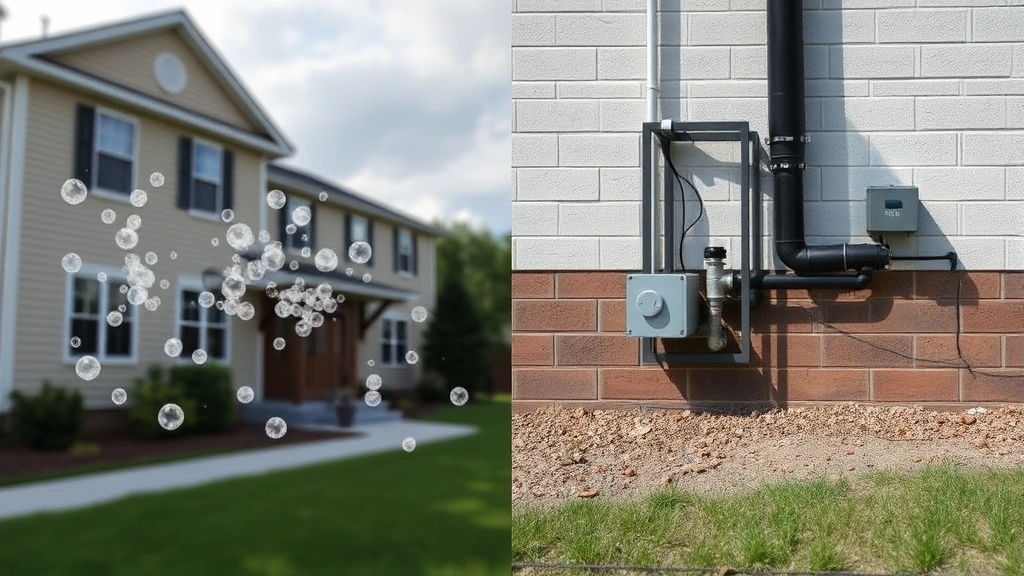
Proper installation of a natural gas sensor is fundamental to achieving reliable protection. Residential sensors should be positioned in areas where gas appliances are located, particularly in kitchens near cooking equipment and in utility rooms housing water heaters and furnaces. Sensors should mount at or near ceiling height, as methane is lighter than air and rises when released.
Installation Best Practices:
- Mount sensors at least 10-12 inches from ceiling surfaces to ensure proper air circulation around the sensing element
- Place sensors within 15 feet of potential gas sources but away from windows or doors where ventilation might affect accuracy
- Avoid locations near cooking equipment exhaust or bathroom ventilation that could introduce false positives
- Ensure electrical connections meet local codes and provide battery backup for wireless models
- Test sensors immediately after installation to verify alarm functionality
Maintenance Requirements: Natural gas sensors require regular maintenance to ensure continued reliability. Most manufacturers recommend monthly testing using the test button integrated into sensor units. Annual professional inspections should verify sensor sensitivity, alarm volume, and overall functionality. Replacement typically occurs every 5-7 years, though some advanced models offer longer operational life.
Battery replacement represents a critical maintenance task for wireless natural gas sensor systems. Many modern sensors incorporate low-battery indicators that alert users when power sources require replacement. Establishing maintenance schedules and documenting service history ensures compliance with safety standards and insurance requirements.
Cleaning sensor units periodically removes dust and debris that could interfere with operation. Using a soft, dry cloth and avoiding harsh chemicals preserves sensor integrity while maintaining detection capability. Professional service providers can perform calibration checks that verify sensor accuracy against certified gas standards.
Choosing the Right Sensor for Your Needs
Selecting an appropriate natural gas sensor requires evaluating multiple factors including property type, gas appliance configuration, budget constraints, and desired features. Residential properties typically benefit from wall-mounted units offering reliable detection with minimal maintenance requirements. Commercial facilities may require more sophisticated systems with advanced monitoring and data logging capabilities.
Key Selection Criteria:
- Detection Range: Verify that sensor sensitivity aligns with safety standards and regulatory requirements for your jurisdiction
- Alarm Specifications: Confirm alarm volume (typically 85 decibels minimum) is sufficient to alert occupants in all areas of the property
- Power Source: Consider whether battery-powered, hardwired, or hybrid models suit your installation environment and maintenance preferences
- Smart Features: Evaluate whether remote monitoring, smartphone notifications, and integration with home automation systems add value for your situation
- Certifications: Verify UL certification and compliance with applicable local building codes and safety standards
- Warranty and Support: Compare manufacturer warranties, customer support availability, and replacement policies
Budget considerations should not compromise safety. While basic models offer affordable protection, investing in higher-quality sensors with advanced features often provides superior long-term value through improved reliability and reduced maintenance requirements. Many insurance companies offer discounts for properties equipped with certified gas detection systems, offsetting initial equipment costs.
Integration with Smart Home Systems
Contemporary natural gas sensor technology increasingly incorporates smart home integration, enabling seamless connection with broader home automation ecosystems. These connected systems provide enhanced convenience, improved monitoring capabilities, and faster emergency response potential.
Smart Home Integration Benefits:
- Remote monitoring through mobile applications allows real-time awareness of sensor status from anywhere
- Automated alerts sent via push notifications, email, or SMS ensure immediate awareness of potential gas hazards
- Integration with smart hubs enables coordination with other safety systems including smoke detectors and security cameras
- Historical data logging tracks sensor readings and alarm events for analysis and compliance documentation
- Voice control compatibility with smart speakers allows hands-free status checks and system management
Smart natural gas sensor systems can coordinate with HVAC controls to automatically activate ventilation systems when gas is detected, reducing hazard concentration while occupants evacuate. Some advanced systems integrate with smart locks to unlock doors automatically during emergencies, facilitating rapid egress.
Privacy considerations become important when deploying connected gas detection systems. Quality smart sensors employ encrypted communications, secure authentication protocols, and local processing capabilities that minimize data transmission. Users should review privacy policies carefully and configure settings to control data sharing with manufacturers and third parties.
Interoperability with existing smart home platforms varies across products. Popular standards including Zigbee and Z-Wave enable compatibility with major home automation hubs. Selecting sensors compatible with established smart home ecosystems simplifies installation and enhances system integration.
Exploring green technology innovations transforming our future reveals how smart gas sensors represent convergence of safety technology with environmental monitoring capabilities, enabling more intelligent resource management and hazard prevention.
FAQ
Are natural gas sensors required by law?
Requirements vary by jurisdiction. Many states and municipalities mandate gas detection in new construction and require sensors in rental properties. However, regulations differ significantly across regions. Consulting local building codes or contacting your municipal building department clarifies applicable requirements for your specific location. Installing sensors even where not legally mandated provides valuable safety protection.
How often should natural gas sensors be replaced?
Most manufacturers recommend sensor replacement every 5-7 years, though some advanced models offer extended operational life up to 10 years. Replacement schedules should follow manufacturer recommendations and be documented as part of regular maintenance. Some jurisdictions specify replacement intervals in building codes or utility regulations.
Can natural gas sensors detect carbon monoxide?
No, natural gas sensors specifically detect methane and other hydrocarbon gases. Carbon monoxide detection requires separate sensors designed for that purpose. Comprehensive home safety typically includes both gas and carbon monoxide detectors installed in appropriate locations to provide complete protection against multiple hazards.
What should I do if my natural gas sensor alarm activates?
Immediately evacuate the property and move to a safe location outside the building. Call emergency services (911 in the United States) from a safe distance and inform them of the gas alarm. Do not attempt to locate the leak source or re-enter the property. Allow emergency responders to investigate and remediate the hazard before returning.
Can I install natural gas sensors myself?
Battery-powered sensors typically require no special installation beyond mounting on walls. Hardwired models may require electrical work best performed by licensed electricians to ensure code compliance. Professional installation ensures proper placement, correct electrical connections, and compliance with local regulations. Many jurisdictions require installation by certified technicians.
Do natural gas sensors work without power?
Battery-powered sensors operate independently without electrical connections. Hardwired sensors typically include battery backup to maintain functionality during power outages. Verify that your sensor model includes backup power sources to ensure continuous protection even when primary power is unavailable.
How accurate are natural gas sensors?
Certified sensors meeting UL standards demonstrate high accuracy when properly maintained and calibrated. Detection accuracy typically ranges from 95-99% for gas concentrations within operating specifications. Regular testing and annual professional calibration maintain sensor accuracy throughout operational life.


