Sustainable Travel: Navy Exchange Insights for Eco-Conscious Military Families
Military families face unique challenges when it comes to sustainable living, particularly when accessing fuel and travel essentials through Navy Exchange facilities. The Navy Exchange mini mart and gas stations serve millions of service members and their families annually, making them critical touchpoints for environmental responsibility. Understanding how to make greener choices at these convenient locations can significantly reduce your carbon footprint while maintaining the lifestyle flexibility that military service demands.
Sustainable travel extends beyond simply choosing a fuel type—it encompasses conscious consumption habits, energy-efficient vehicle choices, and understanding the environmental impact of everyday purchases. For Navy Exchange shoppers, this means evaluating everything from the fuel you pump into your vehicle to the products you select inside the mini mart. This comprehensive guide explores practical strategies for making your Navy Exchange visits more environmentally responsible while supporting military sustainability initiatives.
Understanding Navy Exchange Sustainability Practices
The Navy Exchange has increasingly recognized the importance of environmental stewardship within military communities. As one of the largest retailers serving active-duty personnel, retirees, and family members, Navy Exchange operations significantly influence sustainability practices across military installations worldwide. The organization has implemented various green initiatives, including energy-efficient lighting systems, waste reduction programs, and fuel management strategies at their mini mart and gas locations.
Navy Exchange facilities are evolving to meet modern environmental standards. Many locations now feature sustainable energy solutions such as LED lighting, solar panels on select facilities, and water conservation systems. These improvements reduce operational emissions while demonstrating commitment to environmental responsibility. When you visit your local Navy Exchange mini mart and gas station, you’re supporting an organization that increasingly prioritizes ecological impact alongside military service.
The military’s broader sustainability agenda influences Navy Exchange operations. Department of Defense sustainability goals include reducing greenhouse gas emissions, increasing renewable energy adoption, and implementing circular economy principles. Your choices as a consumer reinforce these initiatives. By selecting lower-emission fuel options and environmentally conscious products, you contribute to the collective effort of making military communities greener.
Fuel Choices and Environmental Impact
Selecting the right fuel type represents one of the most impactful decisions Navy Exchange customers make for sustainable travel. Traditional gasoline and diesel fuels remain the standard offerings at most Navy Exchange gas stations, but understanding their environmental implications helps inform better choices. Conventional gasoline combustion releases carbon dioxide, nitrogen oxides, and particulate matter—all significant contributors to climate change and air pollution affecting military communities globally.
The comparison between fuel options reveals important sustainability considerations. Propane versus natural gas represents an increasingly relevant discussion for alternative fuel vehicles. While both options produce fewer emissions than traditional gasoline, natural gas offers superior environmental benefits in certain applications. Some military installations have begun introducing alternative fuel pumps at Navy Exchange locations, though availability remains limited in many areas.
For Navy Exchange customers with conventional vehicles, premium gasoline grades offer better fuel efficiency, reducing overall consumption and emissions. Although more expensive per gallon, premium fuel can improve engine efficiency by 1-3%, translating to meaningful carbon savings over time. Natural gas sensor technology in modern vehicles helps optimize fuel burning, further reducing environmental impact. Understanding your vehicle’s fuel requirements and selecting appropriately ensures you’re not wasting money or emissions on unnecessary upgrades.
Regular vehicle maintenance dramatically influences fuel efficiency and emissions. Navy Exchange customers should prioritize tire pressure checks, air filter replacements, and regular tune-ups. Underinflated tires increase rolling resistance, reducing fuel economy by up to 3%. Simple maintenance routines performed at military auto service facilities prevent inefficient fuel burning and extend vehicle lifespan, reducing manufacturing emissions associated with vehicle replacement.
Electric and Hybrid Vehicle Adoption in Military Communities
Electric and hybrid vehicles represent the most significant advancement in sustainable travel technology available to Navy Exchange customers today. Advantages of electric vehicles extend far beyond environmental benefits, including reduced operating costs, lower maintenance requirements, and enhanced driving performance. Military families stationed near urban centers or major installations increasingly have access to charging infrastructure, making EV adoption more practical than ever.
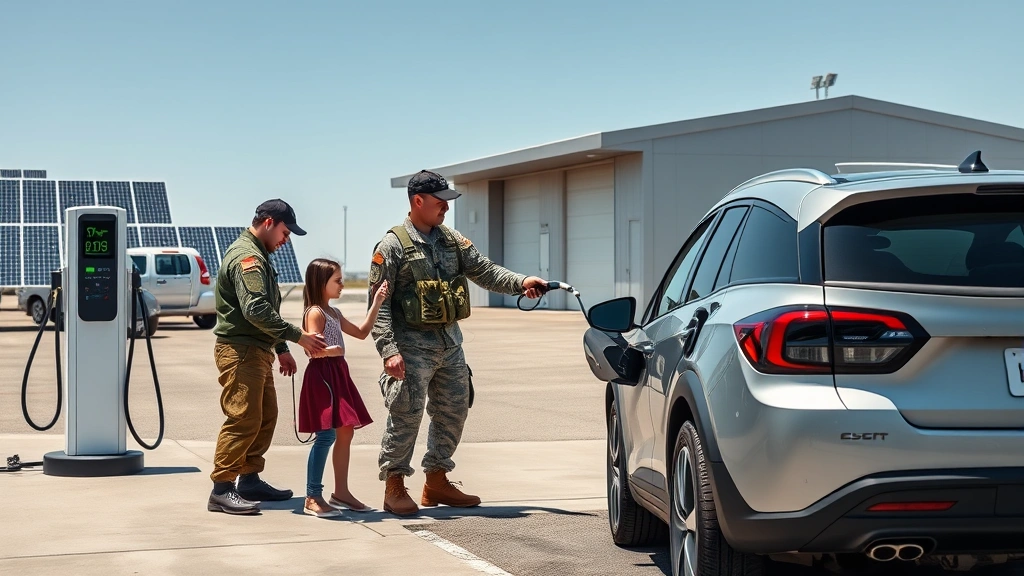
The Department of Defense actively promotes electric vehicle adoption within military communities as part of broader sustainability objectives. Many military installations now feature EV charging stations in parking areas and housing communities. Navy Exchange locations near major bases are beginning to install Level 2 and DC fast chargers, making sustainable travel more accessible to military families. These infrastructure investments reflect official recognition that EVs represent the future of military transportation.
Hybrid vehicles offer an excellent transition option for Navy Exchange customers not yet ready for full electric adoption. Hybrids combine gasoline engines with electric motors, dramatically improving fuel efficiency compared to conventional vehicles. For families requiring long-range capability or living in areas with limited charging infrastructure, hybrids provide environmental benefits without range anxiety. Many military families discover that hybrid vehicles perfectly balance their practical needs with sustainability goals.
Financial incentives for EV and hybrid purchase have expanded significantly. Federal tax credits, state rebates, and military-specific incentive programs reduce the initial cost premium. Over a vehicle’s lifetime, electric vehicles typically cost 30-40% less to operate than gasoline vehicles when accounting for fuel, maintenance, and electricity costs. Navy Exchange customers considering vehicle replacement should evaluate total cost of ownership rather than initial purchase price alone.

Mini Mart Shopping for Sustainability
Navy Exchange mini marts present numerous opportunities for sustainable consumption choices that many customers overlook. Beyond fuel selection, the products you purchase inside these facilities significantly impact your environmental footprint. Sustainable shopping involves understanding packaging materials, product sourcing, and the lifecycle environmental cost of items you select.
Reusable containers and bags represent the most straightforward sustainability improvement at Navy Exchange mini marts. Bringing your own shopping bags, coffee mugs, and water bottles eliminates single-use packaging waste. Many Navy Exchange locations now offer discounts for customers who bring reusable containers, recognizing this environmental benefit while incentivizing sustainable behavior. This simple habit prevents tons of plastic and paper waste annually when multiplied across military communities.
Beverage selection significantly impacts personal sustainability. Single-use plastic bottles represent a massive environmental problem globally. Navy Exchange mini marts increasingly stock refillable water bottles and offer filtered water stations. Purchasing a quality reusable water bottle and refilling at available stations eliminates the environmental cost of bottled beverages. For families consuming multiple bottled drinks weekly, this change alone prevents hundreds of plastic containers from entering landfills annually.
Snack and meal choices at Navy Exchange mini marts carry hidden environmental costs. Processed foods require extensive packaging and transportation, increasing carbon emissions. Selecting locally-sourced products when available, organic options with reduced pesticide impact, and items with minimal packaging supports sustainability. Many Navy Exchange locations have expanded their fresh food sections, offering healthier and more environmentally responsible options than traditional convenience store fare.
Energy-dense snacks and meals reduce the frequency of Navy Exchange visits, lowering transportation-related emissions. Planning meals and packing sustainable snacks before traveling prevents reliance on mini mart impulse purchases. Bringing reusable food containers, water bottles, and travel mugs on military family trips reduces waste while saving money. These habits, practiced consistently, compound into significant environmental benefits over months and years.

Travel Planning and Carbon Reduction
Strategic travel planning represents one of the most effective methods for reducing carbon emissions in military family life. Consolidating trips, combining multiple errands into single outings, and planning efficient routes reduce fuel consumption directly. Navy Exchange customers who plan their visits strategically reduce both environmental impact and personal expenses. Mapping the most efficient route to Navy Exchange facilities and other necessary stops prevents wasteful driving and saves time.
Carpooling and ridesharing within military communities substantially reduce per-person transportation emissions. Military families often travel to similar destinations—shopping, appointments, recreational activities—creating natural carpool opportunities. Sharing vehicle transportation divides fuel consumption and emissions among participants, benefiting everyone involved. Community bulletin boards at Navy Exchange facilities increasingly facilitate carpooling connections among military families with compatible schedules.
Telecommuting and remote shopping options reduce travel necessity for military families. Many Navy Exchange services now offer online ordering with in-store pickup, eliminating unnecessary driving for some purchases. While fuel purchases require visiting the gas station, consolidating shopping trips allows you to accomplish multiple objectives in one visit. This efficiency mindset, applied consistently, creates meaningful emissions reductions across military family routines.
Vehicle idle reduction represents another critical travel sustainability practice. Unnecessary idling wastes fuel and increases emissions without any productive benefit. Navy Exchange customers should avoid leaving vehicles running while shopping, waiting, or socializing. Many modern vehicles feature automatic shut-off systems that prevent idle waste. Implementing no-idle policies during family travels—particularly when waiting for appointments or other family members—prevents significant fuel waste and emissions.
Long-distance travel planning requires specific consideration for military families. When planning PCS moves, leave travel, or extended trips, evaluating route efficiency, accommodation choices, and transportation methods influences overall environmental impact. Traveling during off-peak hours, combining trips with other necessary travel, and selecting fuel-efficient routes all contribute to sustainable military family mobility. SustainWise Hub Blog offers comprehensive guidance on sustainable travel strategies applicable to military lifestyles.
Supporting Green Initiatives and Navy Exchange Sustainability
Military families can actively support and encourage Navy Exchange sustainability initiatives through engagement and feedback. Providing input to Navy Exchange management about desired environmental improvements—such as EV charging stations, expanded alternative fuel options, or sustainable product selections—influences organizational priorities. Customer demand drives retail decisions, and Navy Exchange leadership responds to community requests for green initiatives.
Participating in military sustainability programs and challenges encourages organizational commitment to environmental goals. Many installations host sustainability competitions, carbon reduction challenges, and green awareness campaigns. Navy Exchange customers who engage with these initiatives demonstrate market demand for sustainable options, encouraging facility managers to invest in relevant infrastructure and product offerings.
Advocating for green technology innovations within military communities amplifies environmental impact. Suggesting specific improvements—such as solar canopies over Navy Exchange gas stations, rainwater harvesting systems, or expanded recycling programs—provides actionable guidance to facility management. Many installations implement customer-suggested sustainability improvements when presented with clear environmental benefits and implementation feasibility.
Supporting military sustainability organizations and environmental initiatives within military communities reinforces the importance of ecological responsibility. Organizations like the Military Officers Association of America, Armed Forces Environmental Network, and service-specific sustainability councils work to advance environmental goals throughout military culture. Active participation in these organizations, even at basic awareness levels, contributes to broader cultural shifts toward sustainability.
Mentoring other military families about sustainable Navy Exchange shopping practices multiplies environmental impact exponentially. Sharing knowledge about fuel efficiency, EV advantages, sustainable mini mart shopping, and travel planning with friends, neighbors, and fellow service members creates community-wide environmental consciousness. Military families often respect peer recommendations more than official messaging, making personal advocacy particularly effective for promoting sustainable practices.
FAQ
What fuel options are available at Navy Exchange gas stations?
Most Navy Exchange gas stations offer conventional unleaded gasoline in multiple octane grades, premium gasoline, and diesel fuel. Some locations near major installations have begun introducing alternative fuels such as E85 ethanol blends or natural gas. Check with your specific Navy Exchange location about available options, as offerings vary by installation and region.
Are electric vehicle charging stations available at Navy Exchange locations?
Charging station availability varies significantly by installation. Many major military bases now feature EV charging infrastructure in parking areas and housing communities, with some Navy Exchange facilities beginning to install public chargers. Contact your local Navy Exchange or installation sustainability office for current charging availability and expansion plans.
How can I reduce my carbon footprint when using Navy Exchange services?
Implement multiple strategies: select fuel-efficient vehicles or EVs, plan efficient shopping trips, bring reusable containers and bags, choose sustainable products, maintain proper vehicle maintenance, and consolidate errands into single trips. These habits compound over time to create substantial environmental benefits.
Does Navy Exchange offer sustainable or eco-friendly product options?
Many Navy Exchange mini marts now stock organic products, locally-sourced items, and products with sustainable packaging. Availability varies by location, but customer demand increasingly encourages expansion of these offerings. Ask your local Navy Exchange about specific sustainable product availability.
What military sustainability resources are available to families?
Installation sustainability offices, environmental offices, and military-specific environmental organizations provide resources, guidance, and programs supporting sustainable living. The Department of Defense maintains comprehensive sustainability information available through military.com and official installation websites. Many installations also host sustainability awareness events and educational programs for military families.


