Eco-Friendly Gas Grill Grates? A Sustainable Choice for Your Outdoor Kitchen
When it comes to outdoor cooking, most homeowners focus on the grill itself—the burners, the ignition system, the heat distribution. But what about the replacement grates gas grill components that directly touch your food and determine cooking quality? These seemingly simple metal bars represent an overlooked opportunity to make your grilling experience more sustainable. Choosing eco-friendly grill grates isn’t just about environmental responsibility; it’s about durability, performance, and making a conscious decision that aligns with modern values of conservation and resource efficiency.
The journey toward sustainable living extends beyond major household decisions. It encompasses every product we purchase, every material we use, and every choice we make in our daily routines. Your gas grill grates are no exception. By understanding the environmental impact of different grate materials and manufacturing processes, you can transform a routine replacement into a meaningful step toward sustainability. This comprehensive guide explores how to select eco-friendly replacement grates that don’t compromise on performance while reducing your environmental footprint.
Understanding Gas Grill Grate Materials
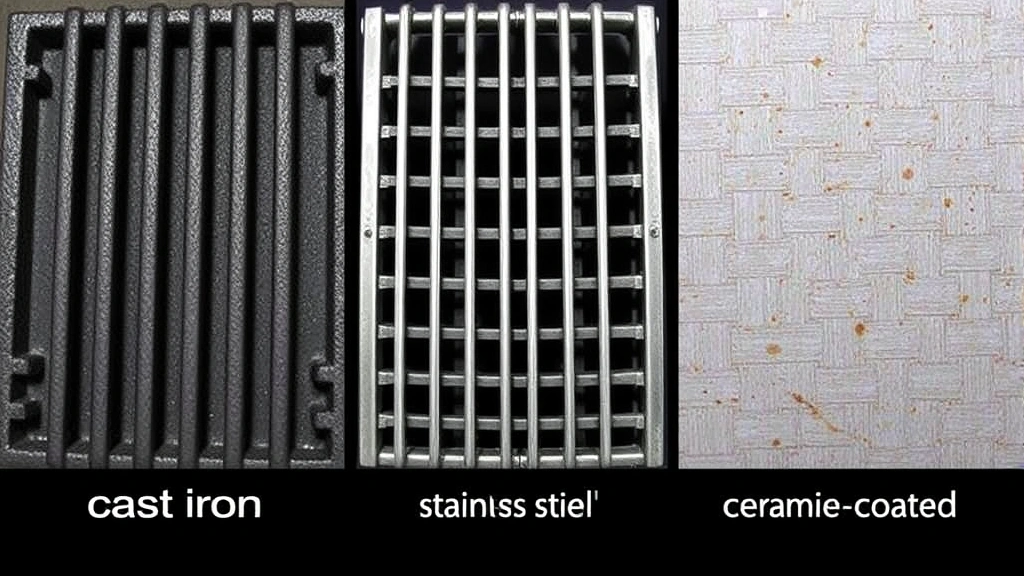
Gas grill grates come in several primary material compositions, each with distinct environmental and performance characteristics. The most common options include stainless steel, cast iron, chrome-plated steel, and newer sustainable alternatives like recycled materials and ceramic-coated options. Understanding these materials is fundamental to making an informed decision about which replacement grates align with your sustainability goals.
Stainless steel grates have become increasingly popular due to their corrosion resistance and longevity. However, not all stainless steel is created equal. The grade of stainless steel—typically 304 or 316—affects both performance and environmental impact. Grade 316 stainless steel contains molybdenum, which enhances corrosion resistance and extends the lifespan of your grates, reducing the frequency of replacements and thus minimizing waste.
Cast iron grates represent a traditional choice that’s experiencing a resurgence among sustainability-conscious consumers. Cast iron is inherently recyclable and can be melted down and reformed indefinitely without losing quality. When properly maintained, cast iron grates develop a natural seasoning that improves their non-stick properties over time. This means your grates actually improve with age, making them an excellent long-term investment for environmentally aware grilling enthusiasts.
Chrome-plated steel grates offer affordability and aesthetic appeal but present environmental challenges. The chrome plating process involves electroplating, which can generate hazardous waste if not properly managed. Additionally, chrome plating degrades over time, exposing the underlying steel to rust and requiring more frequent replacement. This creates a cycle of waste that contradicts sustainable living principles.
Environmental Impact of Different Grate Options
The environmental footprint of gas grill grates extends far beyond the point of purchase. It encompasses raw material extraction, manufacturing processes, transportation, usage lifespan, and eventual disposal or recycling. When evaluating eco-friendly grill grates, consider the complete lifecycle assessment rather than focusing solely on the initial material.
Stainless steel production requires significant energy input, particularly when mining and processing nickel and chromium. However, the exceptional durability of quality stainless steel grates means you’ll replace them less frequently than lower-quality alternatives. A premium stainless steel grate lasting 15-20 years has a lower overall environmental impact than replacing chrome-plated grates every 3-5 years, despite the higher initial energy cost.
Cast iron manufacturing, while energy-intensive, benefits from the material’s infinite recyclability. Unlike stainless steel, which requires specific alloying elements, cast iron can be recycled repeatedly without degradation. Many manufacturers now source recycled cast iron, significantly reducing the environmental impact of production. By choosing recycled cast iron grates, you’re supporting a circular economy model that reduces your environmental footprint.
The transportation impact varies based on where your grates are manufactured and where you purchase them. Locally manufactured grates reduce shipping emissions, making them a preferable option when available. Some manufacturers now offer carbon-neutral shipping options or have implemented supply chain optimizations to minimize their logistics footprint.
Sustainable Material Choices for Grilling
Beyond traditional materials, innovative sustainable alternatives are entering the market. These options represent the future of eco-conscious grilling and deserve serious consideration when selecting replacement grates for your gas grill.
Ceramic-coated grates combine steel or cast iron bases with advanced ceramic coatings that enhance heat distribution and reduce sticking without chemical non-stick coatings. Ceramic is naturally durable, non-toxic, and performs exceptionally well at high temperatures. The coating protects the underlying material from rust while providing superior cooking performance. Many high-end sustainable grill manufacturers now default to ceramic-coated options.
Recycled steel grates manufactured from post-consumer or post-industrial waste represent another sustainable option. This approach diverts materials from landfills while reducing the need for virgin steel extraction. The quality of recycled steel grates has improved dramatically, with many now matching or exceeding the performance of virgin steel alternatives. When purchasing recycled steel grates, look for certifications from recognized environmental organizations that verify the recycled content and manufacturing standards.
Ductile iron grates offer enhanced strength compared to traditional cast iron while maintaining recyclability. Ductile iron provides superior impact resistance, making these grates less prone to cracking or breaking during installation or use. This increased durability directly translates to longer lifespan and reduced replacement frequency, supporting sustainable consumption patterns.
When evaluating sustainable materials, research manufacturer certifications and environmental claims. Look for third-party verification from organizations like the Environmental Protection Agency or industry-specific sustainability certifications. These credentials provide assurance that the environmental claims aren’t merely marketing tactics but reflect genuine commitment to sustainability.
Durability and Longevity: The Green Advantage
Perhaps the most important sustainability principle is this: the most eco-friendly product is one that lasts. Every time you replace your grill grates, you’re consuming resources, generating waste, and contributing to unnecessary environmental impact. This reality makes durability the cornerstone of sustainable grilling.
Premium stainless steel grates, particularly those made from 316-grade material, typically last 15-20 years with proper maintenance. Cast iron grates can easily exceed 20 years, often lasting a lifetime with appropriate care. Compare this to budget chrome-plated grates that may degrade within 3-5 years, and the sustainability advantage becomes clear. Over a 20-year period, choosing durable grates means fewer replacements, less manufacturing impact, and less waste entering landfills.
Durability is enhanced by several factors worth considering when making your selection. Material thickness matters significantly—thicker grates distribute heat more evenly and resist warping better than thin alternatives. Look for grates at least 1/4 inch thick for optimal performance and longevity. The manufacturing quality also influences durability; grates produced with precision casting or forging tend to perform better than stamped or pressed alternatives.
Warranty coverage often correlates with manufacturer confidence in durability. Brands offering 10-year or longer warranties typically stand behind the quality of their products. These extended warranties indicate that the manufacturer expects the grates to perform reliably over extended periods, aligning with sustainable consumption principles.
The concept of durability extends to repairability as well. Some manufacturers design their grates with replacement components or offer refurbishment services, extending product life even further. This approach supports sustainable solutions by keeping products in use rather than discarding them prematurely.
Manufacturing Processes and Carbon Footprint
The manufacturing process significantly impacts the overall environmental footprint of your replacement grates. Forward-thinking manufacturers are implementing innovative processes that reduce energy consumption, minimize waste, and lower carbon emissions.
Investment casting represents an advanced manufacturing technique that minimizes material waste. This precision process creates grates with exact specifications, reducing the need for secondary machining and material removal. The result is less scrap material entering waste streams and lower overall manufacturing energy requirements compared to traditional casting methods.
Forging is another manufacturing approach that creates exceptionally strong and durable grates. Forged grates undergo compression that aligns the material’s grain structure, enhancing strength and longevity. While forging requires energy input, the resulting product’s extended lifespan justifies the manufacturing impact from a lifecycle perspective.
Progressive manufacturers are increasingly sourcing renewable energy for their production facilities. Some facilities now operate entirely on solar or wind power, dramatically reducing the carbon footprint of grate manufacturing. When shopping for sustainable grates, investigate the manufacturer’s energy sources and environmental commitments. Brands transparent about their sustainability practices deserve support and consumer preference.
Water usage in manufacturing is another environmental consideration often overlooked. Advanced coating and finishing processes can be water-intensive, but environmentally responsible manufacturers implement water recycling systems and closed-loop processes that minimize consumption and protect aquatic ecosystems. Inquire about a manufacturer’s water stewardship practices when evaluating options.
The concept of green technology innovations increasingly applies to grill grate manufacturing. Some companies now employ advanced coating technologies that eliminate volatile organic compounds (VOCs) and hazardous air pollutants traditionally associated with finishing processes. These innovations represent meaningful progress toward sustainable manufacturing.
Maintenance Tips for Extended Grate Life
Selecting eco-friendly grates is only half the equation. Proper maintenance ensures your investment provides maximum value while minimizing environmental impact over its entire lifespan.
Seasonal care is essential for extending grate life. Before storing your grill for winter, thoroughly clean the grates and apply a protective coating. For cast iron, this means seasoning with food-grade oil. For stainless steel, a thin coat of mineral oil prevents oxidation during storage. This simple maintenance step can add years to your grates’ lifespan.
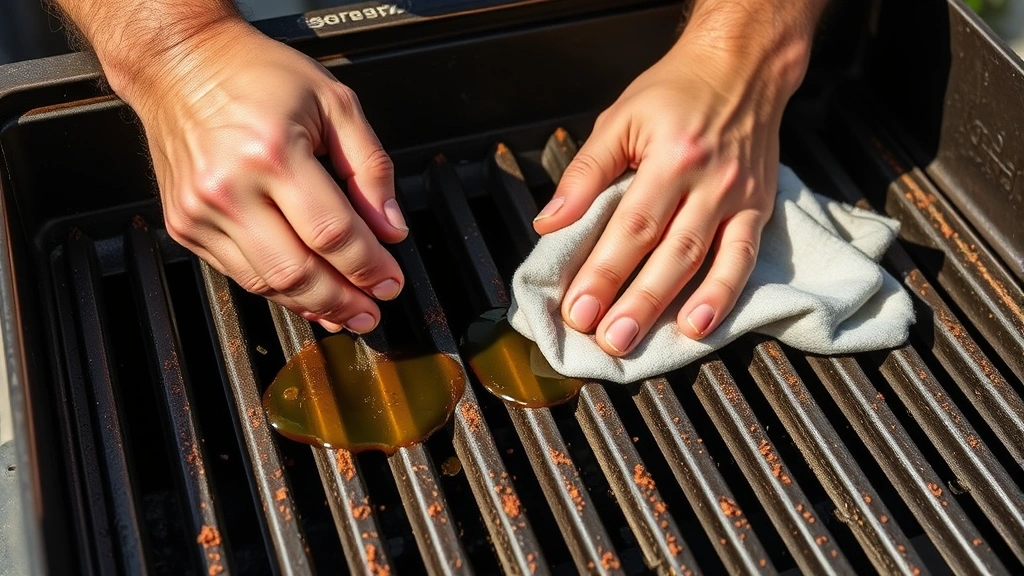
Regular cleaning prevents corrosion and maintains cooking performance. After each use, while grates are still warm, brush them with a stainless steel brush to remove food residue and buildup. For deeper cleaning, use a mixture of baking soda and water—an eco-friendly alternative to harsh chemical cleaners. Avoid abrasive steel wool or caustic chemicals that damage protective coatings and harm the environment.
Rust prevention is critical for extending grate life, particularly in humid climates. For cast iron grates, maintain the seasoning layer by occasionally coating with high-heat oil and running the grill at high temperature. For stainless steel, periodic application of food-grade mineral oil maintains the protective oxide layer. These preventive measures eliminate the need for premature replacement.
Proper storage protects grates during off-seasons. Store them in a dry location, ideally indoors, to prevent moisture exposure. If outdoor storage is necessary, cover grates with a breathable tarp rather than plastic, which can trap moisture and promote corrosion. This simple practice significantly extends grate lifespan.
Avoiding damaging practices preserves grate integrity. Never use acidic cleaners or vinegar on cast iron, as these remove seasoning. Don’t subject grates to extreme temperature shocks, such as spraying cold water on hot grates. Avoid dropping or forcefully manipulating grates, which can cause cracks or warping. These common-sense practices prevent damage that necessitates premature replacement.
Cost-Benefit Analysis of Eco-Friendly Grates
A common misconception is that sustainable products cost significantly more than conventional alternatives. While premium eco-friendly grates may have higher initial costs, the total cost of ownership often favors sustainable options when considering durability and replacement frequency.
Initial investment varies widely based on material and quality. Budget chrome-plated grates might cost $30-50, mid-range stainless steel $75-150, and premium sustainable options $150-300. However, these initial costs don’t reflect the complete financial picture.
Replacement costs over a 20-year period demonstrate the economic advantage of sustainable choices. Budget grates requiring replacement every 4 years mean five replacements plus associated labor costs. Premium grates lasting 15-20 years might require a single replacement, if any. When you factor in the cumulative cost of multiple replacements, plus the labor involved in installation, sustainable options become economically compelling.
Warranty coverage adds financial protection to sustainable purchases. Extended warranties mean that manufacturing defects are addressed at no additional cost. Many premium sustainable grate manufacturers offer 10-15 year warranties, providing peace of mind and financial security throughout the product’s expected lifespan.
Energy efficiency considerations apply to grate selection. Thicker, higher-quality grates distribute heat more evenly, reducing fuel consumption and lowering operating costs. Over hundreds of grilling sessions, this efficiency compounds into meaningful savings. Ceramic-coated grates, in particular, enhance heat distribution and reduce fuel requirements.
Resale value of homes with quality outdoor cooking setups is increasingly recognized. Upgrading to premium, durable grates contributes to your property’s appeal and value. While not quantifiable in every scenario, this potential benefit should be considered when evaluating the true cost of sustainable upgrades.
From a values perspective, investing in sustainable grates aligns with sustainability principles that many consumers increasingly prioritize. The psychological satisfaction of making environmentally conscious choices adds intrinsic value beyond monetary calculations.
FAQ
What is the most eco-friendly gas grill grate material?
Cast iron grates manufactured from recycled material represent the most eco-friendly option due to infinite recyclability, durability exceeding 20 years, and minimal manufacturing impact when sourced responsibly. Premium stainless steel grates (grade 316) are the second-best choice, offering excellent durability and recyclability with superior corrosion resistance.
How often should I replace my gas grill grates?
High-quality grates should last 15-20 years with proper maintenance. Budget alternatives may require replacement every 3-5 years. Frequency depends on material quality, maintenance practices, climate conditions, and usage intensity. Investing in durable grates reduces replacement frequency and associated environmental impact.
Can I recycle old grill grates?
Yes, most grill grates are recyclable. Cast iron and steel grates can be processed at metal recycling facilities. Contact your local recycling program or scrap metal dealer to locate facilities accepting grill grates. Recycling diverts materials from landfills and supports circular economy principles.
Are ceramic-coated grates worth the extra cost?
Ceramic-coated grates offer superior heat distribution, non-stick properties without chemical coatings, and excellent durability. While initially more expensive, their extended lifespan and enhanced cooking performance justify the investment for environmentally conscious consumers prioritizing sustainability and quality.
How do I know if a grate manufacturer is truly sustainable?
Look for third-party certifications, transparent reporting of environmental practices, use of recycled materials, renewable energy sourcing, and extended product warranties. Research company sustainability reports and check for certifications from recognized environmental organizations. Authentic sustainable manufacturers openly communicate their practices and commitments.
What’s the difference between stainless steel grades for grill grates?
Grade 304 stainless steel is adequate for most grilling applications but requires more frequent replacement in humid or coastal environments. Grade 316 stainless steel contains molybdenum, providing superior corrosion resistance and significantly extended lifespan. The additional cost of 316-grade material is offset by reduced replacement frequency.
Can I repair damaged grates instead of replacing them?
Minor damage like small rust spots can often be addressed through cleaning and seasoning. However, cracks, significant warping, or extensive corrosion typically require replacement. Some manufacturers offer repair services or replacement components, extending product life. Always explore repair options before purchasing new grates.
Choosing eco-friendly replacement grates for your gas grill represents a meaningful step toward sustainable living. By understanding material options, considering full lifecycle impact, and selecting durable, responsibly manufactured products, you can enjoy excellent grilling performance while minimizing environmental impact. The intersection of quality, durability, and sustainability isn’t a luxury—it’s the future of responsible consumer choices. Your next grill grate replacement can be an opportunity to align your household practices with your environmental values, supporting manufacturers committed to sustainable innovation and contributing to a more responsible future. For additional insights on living sustainably, explore our resources on sustainable transportation and comprehensive environmental responsibility strategies.


