
Top SUVs for Gas Mileage: 2023 Rankings and Sustainable Driving Guide
Finding an SUV that doesn’t drain your wallet at the pump while minimizing your environmental impact is increasingly achievable in 2023. The automotive industry has made significant strides in fuel efficiency technology, offering drivers practical options that balance space, comfort, and economy. Whether you’re commuting daily or planning family road trips, selecting an SUV with excellent gas mileage represents a smart investment in both your finances and the planet’s future.
The challenge of choosing the right vehicle extends beyond simple MPG numbers. Today’s most fuel-efficient SUVs incorporate advanced engineering, lightweight materials, and hybrid technology that reduce emissions and dependence on fossil fuels. This comprehensive guide explores the top performers in the 2023 SUV market, helping you understand which models deliver the best fuel economy without compromising on the features you need.
Why Fuel Efficiency Matters for SUV Buyers
SUVs have traditionally been associated with higher fuel consumption due to their size and weight. However, the automotive landscape has transformed dramatically. Choosing an SUV with best gas mileage means reducing your carbon footprint while enjoying substantial savings on fuel costs. The average American driver spends between $1,200 and $1,500 annually on gasoline; selecting a fuel-efficient SUV can trim these expenses significantly.
Beyond personal finances, fuel efficiency directly correlates with environmental responsibility. Vehicles consuming less gasoline emit fewer greenhouse gases, contributing to cleaner air quality and reduced climate impact. The EPA’s Green Vehicle Guide provides comprehensive data on emissions and fuel economy, helping consumers make informed decisions. When you invest in a fuel-efficient SUV, you’re supporting the broader movement toward how to reduce your environmental footprint.
Modern fuel-efficient SUVs incorporate sophisticated technologies including direct fuel injection, turbocharging, and continuously variable transmissions. These innovations allow manufacturers to maintain power and performance while dramatically improving mileage. Understanding these technological advances helps you appreciate why newer models outperform older vehicles so significantly in fuel economy metrics.
Top Fuel-Efficient SUVs in 2023
The 2023 model year introduced several standout vehicles that redefine what’s possible in the SUV category regarding fuel efficiency. These rankings consider EPA fuel economy estimates, real-world performance data, and consumer reports to identify the genuine leaders in the segment.
Compact SUVs Leading the Charge
The Honda CR-V Hybrid tops the compact SUV category with an impressive EPA rating of 40 city/35 highway/38 combined MPG. This model combines Honda’s reliable engineering with hybrid technology that seamlessly switches between electric and gasoline power. The Toyota RAV4 Hybrid follows closely, delivering 38 city/35 highway/37 combined MPG while offering excellent reliability and resale value.
The Subaru Crosstrek Hybrid offers another compelling option with 34 city/31 highway/33 combined MPG, particularly appealing for drivers in regions with challenging weather conditions. These compact models prove that you don’t sacrifice practicality or capability when prioritizing fuel efficiency.
Midsize SUV Excellence
In the midsize category, the Toyota Highlander Hybrid emerges as the efficiency champion, achieving 36 city/35 highway/35 combined MPG despite its three-row seating capacity. This makes it an ideal choice for families needing genuine seven-seat capability without excessive fuel consumption. The Mazda CX-90 PHEV (plug-in hybrid) offers 26 city/33 highway/28 combined MPG when running on gasoline, with additional electric-only range for short commutes.
The Kia Sorento Hybrid delivers 39 city/35 highway/37 combined MPG with a spacious interior and comprehensive warranty coverage. These vehicles demonstrate that midsize SUVs can achieve competitive fuel economy when engineered thoughtfully.
Premium and Luxury Options
Luxury buyers aren’t excluded from fuel-efficient options. The Lexus NX 350h hybrid achieves 39 city/39 highway/39 combined MPG while delivering premium comfort and technology features. The BMW X3 xDrive30e plug-in hybrid offers 24 city/28 highway/25 combined MPG with electric-only range, making it suitable for affluent buyers prioritizing sustainability without sacrificing status.
These premium models prove that fuel efficiency and luxury can coexist, allowing high-end car buyers to reduce their environmental impact while enjoying premium amenities.
Hybrid vs. Traditional Engines
Understanding the differences between hybrid and traditional gasoline engines helps you make an informed purchasing decision. Hybrid SUVs use two power sources: a traditional gasoline engine and an electric motor powered by a rechargeable battery. This dual system allows the vehicle to operate on electric power during low-speed city driving, dramatically improving overall fuel economy.
Traditional gasoline engines rely solely on combustion power, requiring no plug-in charging but delivering lower fuel economy. The trade-off involves considering your driving patterns. Urban commuters benefit most from hybrid technology since frequent acceleration and deceleration patterns optimize electric motor usage. Highway drivers experience less dramatic efficiency gains from hybrids since sustained high speeds favor traditional gasoline engines.
Plug-in hybrid electric vehicles (PHEVs) offer a middle ground, combining electric-only range (typically 20-50 miles) with gasoline backup. This approach suits drivers with predictable commutes under the electric range limit but who occasionally need extended range. For those seeking maximum efficiency and lowest emissions, exploring advantages of electric vehicles may reveal compelling alternatives to traditional SUVs.
Maintenance considerations differ between powertrains. Hybrid systems require specialized service, though brake wear decreases due to regenerative braking. Battery replacement costs, while declining, remain significant. Traditional engines feature simpler maintenance with more available service options and lower repair costs. Consider your local mechanic availability and long-term ownership plans when evaluating powertrain options.
Maximizing Your SUV’s Fuel Economy
Purchasing a fuel-efficient SUV represents only half the equation; driving habits dramatically impact actual fuel consumption. Implementing practical strategies can improve your vehicle’s efficiency by 10-15%, translating to substantial annual savings.
Driving Techniques for Better Mileage
Aggressive acceleration and speeding significantly reduce fuel economy. Maintaining steady speeds between 45-65 mph optimizes efficiency on highways. Gentle acceleration, anticipating traffic flow, and avoiding rapid braking improve mileage substantially. Excessive idling wastes fuel; modern engines start efficiently without extended warm-up periods.
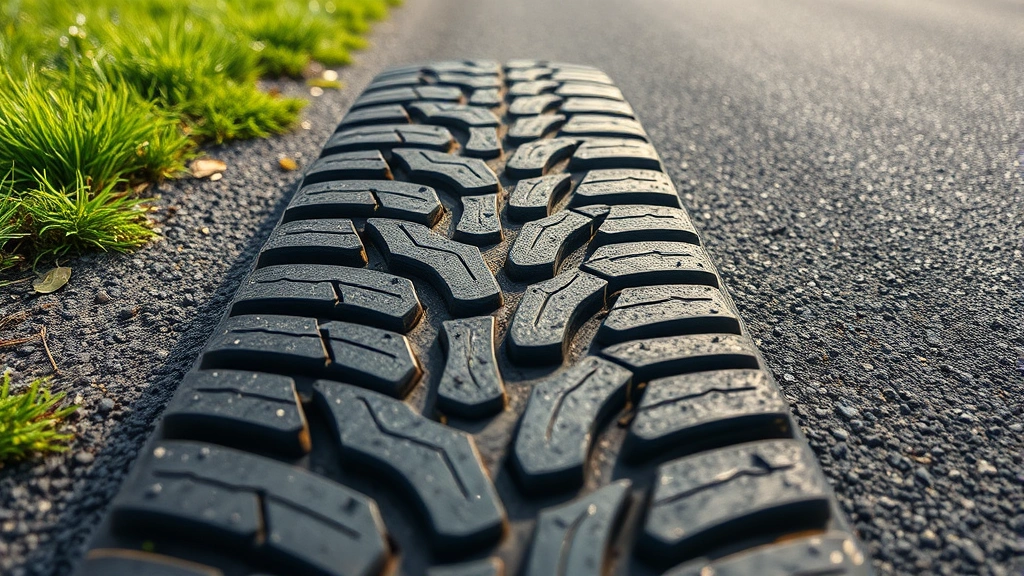
Tire pressure directly affects rolling resistance and fuel consumption. Under-inflated tires increase friction, reducing mileage by up to 3% per PSI below the recommended pressure. Check tire pressure monthly and maintain manufacturer specifications. Regular wheel alignments prevent uneven tire wear and rolling resistance issues.
Vehicle Maintenance Essentials
Clean air filters improve engine efficiency; clogged filters force engines to work harder, consuming more fuel. Replace air filters according to manufacturer recommendations or more frequently if driving in dusty conditions. Regular oil changes using the manufacturer-recommended grade ensure optimal engine performance and reduced friction.
Proper wheel balancing and alignment prevent drag and rolling resistance. Remove unnecessary weight from your vehicle; each 100 pounds reduces fuel economy by approximately 1-2%. Avoid roof racks and carriers when not needed, as they increase aerodynamic drag at highway speeds.
Smart Driving Patterns
Consolidating errands into single trips reduces total mileage and fuel consumption. Short, frequent trips consume more fuel per mile than longer consolidated journeys. Planning routes efficiently and avoiding traffic congestion minimizes unnecessary driving.
Using cruise control on highways maintains consistent speeds, improving efficiency. However, avoid cruise control on hilly terrain where constant speed adjustments consume extra fuel. Some modern SUVs feature eco-driving modes that optimize transmission shifting and throttle response for maximum efficiency.
Environmental Impact of Fuel-Efficient Vehicles
The environmental benefits of choosing fuel-efficient SUVs extend far beyond individual carbon footprint reduction. When aggregated across millions of vehicles, these choices significantly impact air quality, climate change mitigation, and resource conservation.
Emissions and Air Quality
Vehicles burning fossil fuels emit carbon dioxide (the primary greenhouse gas), nitrogen oxides, particulate matter, and volatile organic compounds. These pollutants contribute to climate change, acid rain, and respiratory health problems. Fuel-efficient vehicles produce fewer emissions per mile driven, improving local air quality and public health outcomes.
The U.S. Department of Energy’s Fuel Economy Website tracks emissions across all vehicle models, helping consumers understand their environmental impact. By selecting high-efficiency SUVs, you directly reduce atmospheric pollution and support cleaner air quality in your community.
Climate Change Mitigation
Transportation accounts for approximately 27% of U.S. greenhouse gas emissions. Choosing efficient vehicles reduces your contribution to climate change. A vehicle averaging 20 MPG produces roughly 10 tons of carbon dioxide annually, while a 35 MPG vehicle produces approximately 5.7 tons. This substantial reduction demonstrates the individual impact of efficiency choices.
Broader adoption of fuel-efficient vehicles supports national climate goals and renewable energy transitions. As more drivers choose efficient SUVs, demand for sustainable energy solutions and electric vehicle infrastructure increases, accelerating the clean energy transition.
Resource Conservation and Sustainability
Reducing fuel consumption decreases oil extraction, refining, and transportation impacts. These processes consume vast amounts of freshwater, energy, and natural resources while generating pollution. Fuel-efficient vehicles reduce these upstream environmental costs, supporting broader sustainability objectives.
Manufacturing efficient vehicles involves advanced materials and technologies that often feature lower environmental footprints than traditional components. Green technology innovations in automotive manufacturing continue improving sustainability throughout vehicle lifecycles.
Economic Sustainability
Environmental sustainability interconnects with economic viability. Lower fuel costs improve household finances, reducing financial stress and supporting economic stability. Fuel-efficient vehicles typically retain value better than inefficient counterparts, providing better long-term investment returns. These economic benefits make environmental choices financially prudent.
Frequently Asked Questions
What’s the best fuel-efficient SUV for families?
The Toyota Highlander Hybrid stands out for families needing three-row seating without sacrificing fuel economy. It achieves 35 combined MPG while accommodating up to eight passengers. For smaller families, the Honda CR-V Hybrid offers excellent efficiency with more affordable pricing and superior reliability ratings.
Are fuel-efficient SUVs more expensive?
Hybrid SUVs typically cost $2,000-$4,000 more initially than gasoline counterparts. However, fuel savings, reduced maintenance costs, and better resale value typically offset the premium within 4-6 years of ownership. Calculate your specific break-even point based on local fuel prices and annual mileage.
How does real-world mileage compare to EPA ratings?
EPA ratings represent controlled testing conditions; real-world mileage typically ranges from 80-90% of EPA estimates depending on driving patterns, climate, and conditions. Aggressive driving, extreme temperatures, and highway-heavy usage reduce actual efficiency compared to EPA figures.
Should I consider electric SUVs instead?
Electric SUVs offer zero tailpipe emissions and lowest operating costs but require charging infrastructure access and upfront investment. The advantages of electric vehicles include minimal maintenance and superior efficiency, though range limitations suit some drivers better than others.
What financing options support fuel-efficient vehicle purchases?
Several programs incentivize efficient vehicle purchases. Federal tax credits apply to qualifying electric and plug-in hybrid vehicles. State programs vary significantly; check your state’s environmental agency for available rebates. Some utility companies offer discounts for efficient vehicle purchases.
How do I compare fuel economy across different SUV models?
The Fuel Economy Website provides standardized EPA ratings for all vehicles. Compare combined MPG ratings, which blend city and highway driving. Consider your specific driving patterns; highway-heavy drivers should prioritize highway ratings, while urban commuters should emphasize city figures.
What maintenance do hybrid SUVs require?
Hybrid SUVs require standard engine maintenance plus specialized hybrid system servicing. Brake fluid changes occur less frequently due to regenerative braking. Battery health monitoring becomes necessary; most manufacturers warranty batteries for 8-10 years. Find mechanics experienced with hybrid systems in your area.
Can I improve fuel economy on an older SUV?
Yes, several modifications improve efficiency: installing low-rolling-resistance tires, removing excess weight, maintaining proper tire pressure, and using quality synthetic oil. However, older SUVs cannot match modern efficient vehicles. If your current SUV averages under 20 MPG, upgrading to a newer efficient model may prove more economical.


