Ventless Gas Fireplaces: Are They Eco-Friendly?
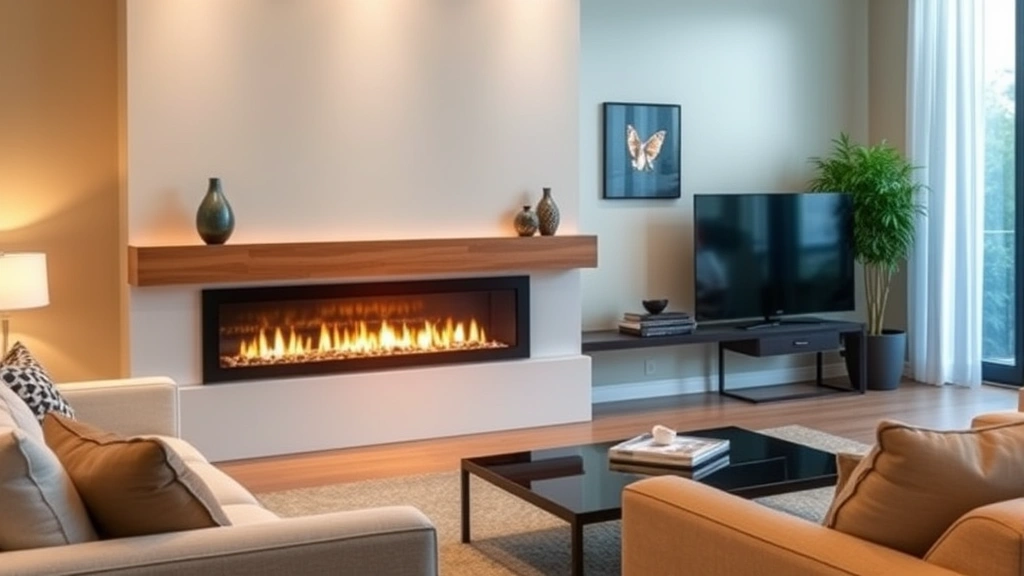
Ventless gas fireplaces have become increasingly popular in modern homes, offering the aesthetic appeal of a traditional fireplace without the installation complexity of vented models. However, the environmental implications of these heating appliances remain a topic of considerable debate among sustainability experts and homeowners alike. Understanding whether ventless gas fireplaces truly align with eco-conscious living requires examining their operational mechanics, indoor air quality impacts, energy efficiency ratings, and how they compare to alternative heating solutions.
The term “ventless” might suggest environmental friendliness at first glance, implying minimal heat loss and maximum efficiency. Yet the reality is more nuanced. These fireplaces operate by burning natural gas or propane directly within your living space without external venting, which presents both advantages and notable environmental and health concerns that deserve careful consideration before making a purchase decision.
How Ventless Gas Fireplaces Work
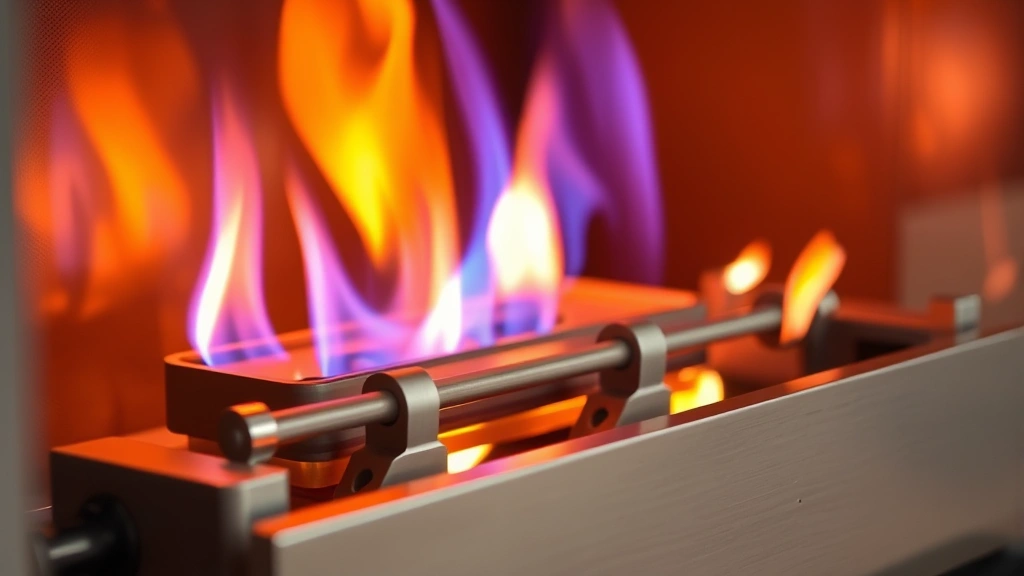
Ventless gas fireplaces operate on a fundamentally different principle than their vented counterparts. These units burn natural gas or liquid propane directly inside your home, utilizing a burner system that produces flames and heat without requiring external ducting or chimney infrastructure. The combustion process occurs within the firebox, and all byproducts—including carbon dioxide, water vapor, and trace amounts of nitrogen oxides—are released directly into your indoor living space.
The design relies on a safety feature called an oxygen depletion sensor (ODS), which automatically shuts off the unit if oxygen levels in the room fall below safe thresholds. This mechanism represents an important safety innovation, though it doesn’t eliminate the fundamental concern that combustion byproducts enter your breathing air. The heating efficiency of ventless models is theoretically superior to vented options because no warm air escapes through external vents, meaning approximately 99% of the fuel’s heat energy theoretically remains in your home.
Unlike traditional fireplaces that lose significant heat up the chimney, ventless units retain their thermal output. However, this efficiency advantage comes with the tradeoff of introducing combustion byproducts directly into your living environment—a factor that complicates any straightforward eco-friendly designation.
Energy Efficiency and Heating Performance
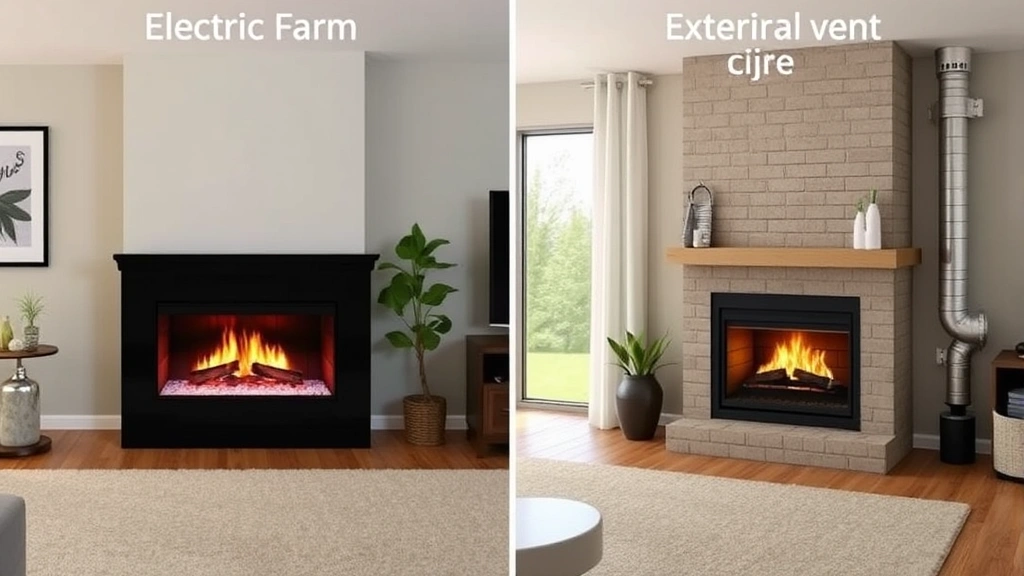
From a pure energy efficiency standpoint, ventless gas fireplaces demonstrate impressive performance metrics. These units achieve heating efficiency ratings between 99-100%, meaning virtually all combusted fuel energy converts to usable heat within your home. This contrasts sharply with vented gas fireplaces, which typically operate at 60-70% efficiency due to heat loss through external vents and chimneys.
When evaluating sustainable energy solutions, efficiency numbers matter considerably. The superior heat retention of ventless models could theoretically reduce your overall heating fuel consumption, particularly in colder climates where supplemental heating becomes necessary during winter months. For homeowners seeking to lower their carbon footprint through heating optimization, this represents a meaningful advantage.
However, this efficiency benefit requires important context. If you’re using natural gas as your heating fuel, you’re still relying on a fossil fuel regardless of the appliance’s efficiency rating. The true environmental impact depends on your regional energy grid composition and whether your area sources electricity from renewable sources. In regions with clean energy infrastructure, alternative heating technologies powered by electricity may ultimately prove more environmentally responsible than any gas-burning appliance.
The heating output of ventless fireplaces typically ranges from 20,000 to 40,000 BTU per hour, making them suitable for supplemental heating in medium-sized rooms rather than whole-home climate control. This limited capacity means they work best as accent heating rather than primary heat sources, which affects their practical environmental value in most residential applications.
Indoor Air Quality Concerns
Perhaps the most significant environmental and health consideration surrounding ventless gas fireplaces involves their impact on indoor air quality. When natural gas combusts, it produces several byproducts that enter your home’s atmosphere:
- Carbon dioxide (CO₂): A greenhouse gas that accumulates in enclosed spaces
- Water vapor: Increases indoor humidity, potentially promoting mold growth
- Nitrogen oxides (NOx): Respiratory irritants linked to asthma and other lung conditions
- Carbon monoxide (CO): A toxic, odorless gas in dangerous concentrations
The EPA emphasizes indoor air quality concerns related to unvented combustion appliances. While modern ventless fireplaces include safety features like oxygen depletion sensors, these mechanisms primarily prevent dangerously high carbon monoxide levels rather than eliminating all combustion byproducts from your breathing air.
Studies indicate that operating ventless gas appliances can measurably increase nitrogen dioxide concentrations in homes, particularly in poorly ventilated spaces. For households with members suffering from asthma, allergies, or other respiratory conditions, the cumulative effect of introducing combustion byproducts directly into living spaces presents genuine health concerns that extend beyond simple environmental considerations.
The humidity increase from water vapor production can create secondary environmental problems, promoting dust mite proliferation and mold growth—both common indoor air quality hazards. Homes that already struggle with moisture management may find ventless fireplace operation exacerbates existing humidity problems.
Environmental Impact Analysis
Conducting a comprehensive environmental assessment of ventless gas fireplaces requires examining their lifecycle impacts, including manufacturing, operation, and eventual disposal. While the operational efficiency appears favorable on surface analysis, the complete environmental picture proves more complex.
Natural gas extraction and processing involve significant environmental costs. Methane leakage during production, transmission, and distribution represents a substantial contributor to greenhouse gas emissions. When you select a ventless fireplace burning natural gas, you’re indirectly supporting this extraction infrastructure. The carbon intensity of natural gas varies by source—gas extracted through hydraulic fracturing carries different environmental burdens than conventionally sourced gas.
The manufacturing process for ventless fireplace units generates its own environmental footprint through metal fabrication, glass production, and electronic component manufacturing. While individual unit impacts remain relatively modest, aggregate manufacturing emissions across the thousands of units sold annually contribute meaningfully to total environmental burden.
Regarding end-of-life considerations, most ventless fireplace components can be recycled or repurposed, though the specialized nature of combustion systems means some materials may require disposal rather than recycling. The overall lifecycle assessment suggests ventless fireplaces occupy a middle ground—neither exceptionally harmful nor particularly beneficial from a comprehensive environmental perspective.
Comparing Ventless to Vented Alternatives
To properly evaluate whether ventless gas fireplaces qualify as eco-friendly, comparison with alternative heating approaches provides essential context. When examining top tier gas brands and heating technologies, several alternatives merit consideration:
Vented Gas Fireplaces: These traditional models require external venting, resulting in 60-70% efficiency as warm air escapes through chimneys. However, they eliminate indoor air quality concerns by directing all combustion byproducts outside. For homes where air quality matters significantly, the efficiency trade-off may prove worthwhile. Vented models represent a more environmentally transparent choice—you clearly see where emissions occur rather than introducing them into your living space.
Electric Fireplaces: Modern electric fireplace inserts provide ambiance without any combustion. Their environmental impact depends entirely on your regional electricity grid composition. In areas with substantial renewable energy generation, electric fireplaces represent the lowest-impact choice. Even in regions relying on fossil fuel power plants, electric heating often proves more efficient than on-site combustion due to centralized power generation economies of scale.
Heat Pump Systems: Modern heat pump technology offers superior efficiency for whole-home heating, particularly in moderate climates. These systems can achieve efficiency ratings exceeding 300% in optimal conditions, making them dramatically more environmentally responsible than any gas-burning appliance. For comprehensive heating needs, heat pumps deserve serious consideration in climate-appropriate regions.
Pellet Stoves: Biomass heating through pellet stoves offers carbon-neutral potential if pellets derive from sustainably managed forestry. These systems require venting but provide renewable heating alternatives to fossil fuels. Their environmental profile depends entirely on pellet sourcing practices.
Regulatory Standards and Safety
Ventless gas fireplaces operate within specific regulatory frameworks that vary by jurisdiction. The Consumer Product Safety Commission (CPSC) establishes baseline safety standards for these appliances, though regulations remain less stringent than some consumer advocates recommend.
California represents an important regulatory outlier, having restricted ventless fireplace sales in new construction due to indoor air quality concerns. This regulatory decision reflects scientific consensus that unvented combustion appliances present measurable air quality impacts warranting restriction in homes designed to modern building standards emphasizing air-tight construction.
The American Gas Association maintains standards for ventless appliance safety, including requirements for oxygen depletion sensors and flame failure devices. While these safety mechanisms prevent acute hazards, they don’t eliminate chronic low-level exposure to combustion byproducts—a distinction important for long-term health considerations.
Building codes in many jurisdictions now require room size minimums for ventless fireplace operation, typically specifying that rooms exceed certain square footage thresholds. These requirements acknowledge that smaller spaces accumulate combustion byproducts more rapidly, making ventless operation inappropriate for compact rooms regardless of safety device functionality.
Making an Eco-Conscious Choice
Determining whether ventless gas fireplaces align with your environmental values requires honest assessment of your priorities and circumstances. These appliances present genuine trade-offs rather than clear-cut advantages or disadvantages.
Choose ventless fireplaces if: You prioritize heating efficiency in supplemental applications, live in regions with clean natural gas sourcing, have excellent home ventilation systems, lack respiratory sensitivities, and value the convenience of installation without external venting. These conditions are relatively uncommon, explaining why eco-conscious consumers often find alternatives more suitable.
Consider alternatives if: You prioritize indoor air quality, live in regions with grid electricity sourced substantially from renewables, have household members with respiratory conditions, or seek true environmental sustainability beyond operational efficiency metrics. This category encompasses most environmentally-aware homeowners.
Before purchasing any fireplace system, consult the U.S. Department of Energy resources on home heating for guidance specific to your climate zone and home characteristics. Regional heating appropriateness significantly influences environmental impact calculations.
If you’re committed to maintaining the aesthetic appeal fireplaces provide, modern electric fireplace technology has advanced dramatically, offering realistic flame simulation without combustion concerns. These options deserve serious consideration as genuinely eco-friendly alternatives that maintain your desired home aesthetic while eliminating environmental and health trade-offs.
For those already owning ventless fireplaces, ensuring adequate home ventilation through regular fresh air exchange and maintaining proper oxygen depletion sensor functionality represents the most practical approach to minimizing negative impacts. While not ideal from a pure environmental standpoint, responsible operation can substantially mitigate concerns.
Exploring comprehensive sustainable energy solutions for your home’s complete heating needs often proves more impactful than optimizing individual appliances. Whole-home efficiency improvements, proper insulation, and modern HVAC systems typically generate greater environmental benefits than selecting between marginally different fireplace technologies.
FAQ
Are ventless gas fireplaces safe to use?
Ventless gas fireplaces meet established safety standards when properly installed and maintained, with oxygen depletion sensors preventing dangerous carbon monoxide accumulation. However, safety from acute hazards differs from the question of chronic low-level exposure to combustion byproducts. They’re mechanically safe but may present indoor air quality concerns during regular operation.
Do ventless fireplaces produce carbon monoxide?
Ventless fireplaces produce small amounts of carbon monoxide as a natural combustion byproduct. Safety sensors prevent dangerous accumulation by shutting the unit off if oxygen depletion occurs, but this doesn’t eliminate all carbon monoxide from your indoor air—it simply prevents acute poisoning risks.
How much can ventless fireplaces reduce heating costs?
As supplemental heat sources, ventless fireplaces can reduce heating costs in limited applications, potentially lowering overall heating expenses by 10-15% when used strategically in primary living spaces. However, their limited output means they cannot serve as primary heat sources for most homes, constraining potential savings.
Are ventless fireplaces banned anywhere?
California restricts ventless fireplace sales in new construction due to air quality concerns. Some municipalities have implemented similar restrictions. Check your local building codes before purchasing, as regulations vary significantly by jurisdiction.
What’s the most eco-friendly fireplace alternative?
Electric fireplaces powered by renewable electricity represent the lowest-impact option. In regions with clean energy grids, they provide ambiance without any combustion concerns. For heating functionality, modern heat pump systems offer superior efficiency and environmental performance compared to any gas-burning appliance.
Can ventless fireplaces cause mold?
The water vapor produced by ventless fireplace combustion increases indoor humidity, potentially promoting mold growth in homes with existing moisture management issues. This represents a genuine environmental concern for some households, particularly those in humid climates or with poor ventilation.
How do ventless fireplaces compare to wood-burning fireplaces?
Traditional wood-burning fireplaces operate at 10-15% efficiency, making ventless gas models dramatically more efficient. However, both produce indoor air quality concerns. From an environmental perspective, neither represents an ideal choice compared to electric alternatives or modern heat pump systems.


