Is Westfield Gas & Electric Sustainable? A Comprehensive Analysis
Westfield Gas & Electric serves as a regional utility provider in Massachusetts, supplying natural gas and electricity to thousands of residential and commercial customers. As climate consciousness grows and environmental regulations tighten, many consumers are asking critical questions about their energy providers’ sustainability commitments. This comprehensive analysis examines Westfield Gas & Electric’s environmental practices, renewable energy initiatives, and overall sustainability performance to help you understand whether this utility aligns with eco-conscious values.
The transition to sustainable energy is no longer optional—it’s essential. Utility companies play a pivotal role in this transformation, and understanding their practices helps consumers make informed decisions about their energy consumption and provider choices. Whether you’re evaluating your current provider or considering alternatives, this deep dive into Westfield Gas & Electric’s sustainability credentials will provide actionable insights.
Westfield Gas & Electric Overview and Service Area
Westfield Gas & Electric is a municipally-owned utility company that has served the Westfield, Massachusetts community since the late 1800s. As a public utility, the company operates under different regulatory frameworks compared to investor-owned utilities, which can influence its sustainability priorities and investment strategies. The utility provides both natural gas and electricity services to approximately 13,000 customers across the region.
Understanding a utility’s structure is fundamental to assessing its sustainability performance. Municipal utilities like Westfield Gas & Electric often have different incentive structures than private companies. They answer to local government and community members rather than shareholders, which can create opportunities for prioritizing environmental goals alongside profitability. However, this structure also comes with unique budget constraints and operational challenges.
The company’s service territory covers a mix of residential, commercial, and industrial customers. This diversity means Westfield Gas & Electric must balance the needs of different consumer segments while advancing its sustainability agenda. Small businesses and residential customers often have varying energy demands and environmental priorities, requiring tailored approaches to conservation and renewable energy adoption.
Renewable Energy Portfolio and Initiatives
One of the most critical indicators of a utility company’s sustainability commitment is its renewable energy portfolio. Westfield Gas & Electric’s approach to renewable energy reflects broader state and regional mandates under Massachusetts’ clean energy standards. The state requires utilities to source an increasing percentage of electricity from renewable resources, with targets continuing to rise through 2050.
Massachusetts has established itself as a leader in sustainable energy solutions, and Westfield Gas & Electric must comply with the state’s Renewable Portfolio Standard (RPS). Currently, the RPS requires approximately 45% of electricity sales to come from renewable sources, with this percentage increasing annually. This regulatory framework drives utilities to invest in wind, solar, hydroelectric, and other clean energy sources.
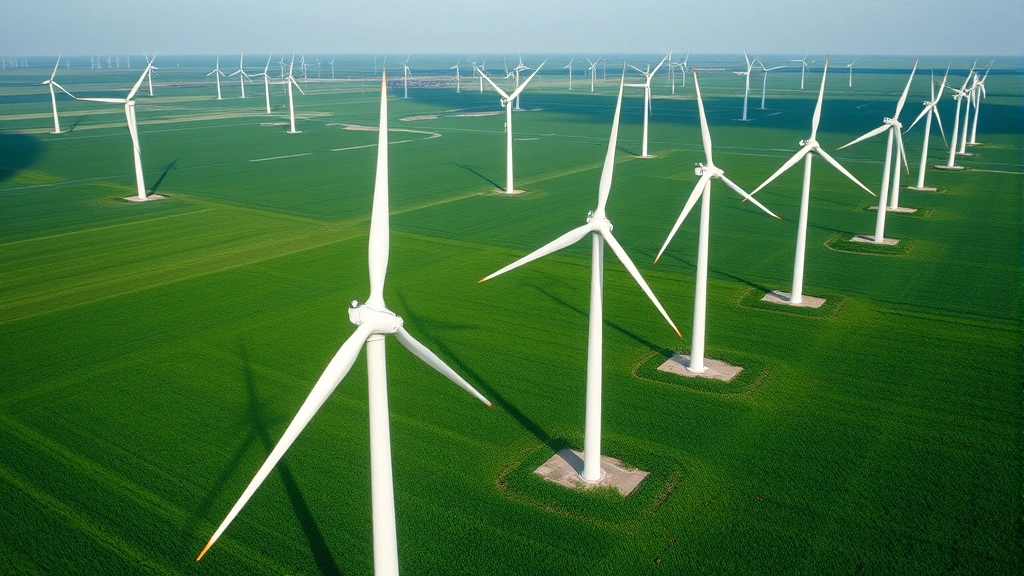
Westfield Gas & Electric’s renewable energy mix includes participation in regional renewable energy programs and power purchase agreements. The utility sources electricity from various renewable generation facilities, including wind farms in New England and hydroelectric projects. Additionally, the company has explored opportunities for local solar development, recognizing the importance of distributed generation in modernizing the energy grid.
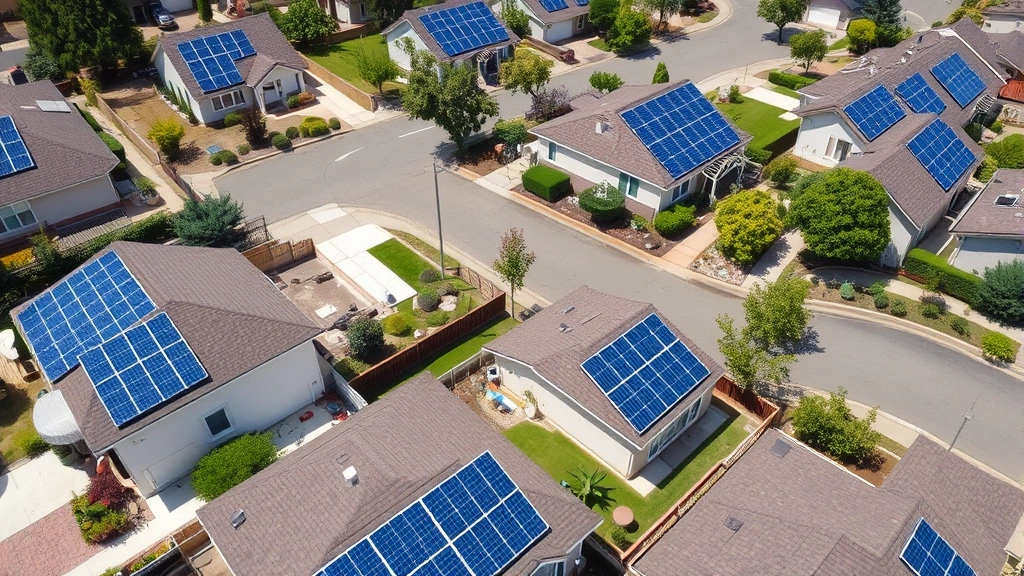
The utility also encourages customer participation in renewable energy programs. Net metering policies allow customers with rooftop solar installations to send excess electricity back to the grid, receiving credits on their bills. This definition of sustainability includes empowering consumers to become active participants in the clean energy transition rather than passive recipients of utility services.
Carbon Emissions and Climate Goals
Carbon emissions represent the most visible environmental impact of energy utilities. Westfield Gas & Electric’s carbon footprint is primarily driven by two factors: the carbon intensity of its electricity supply and the natural gas it distributes. Understanding these emissions is essential for evaluating the company’s true sustainability performance.
The electricity sector has made significant progress reducing carbon intensity over the past decade, largely due to renewable energy expansion and the retirement of coal-fired power plants. Westfield Gas & Electric benefits from New England’s relatively clean electricity grid compared to national averages. However, the natural gas distribution business remains a source of ongoing emissions, both from combustion in customer homes and businesses and from methane leakage in distribution infrastructure.
Massachusetts has established ambitious climate goals, including a mandate to achieve net-zero greenhouse gas emissions by 2050. Westfield Gas & Electric, as a public utility, must align its operations with these statewide objectives. The company has invested in infrastructure improvements to reduce methane emissions from its gas distribution system, which is a critical component of climate action.
Methane leakage is a particular concern for natural gas utilities. Methane is approximately 80 times more potent than carbon dioxide over a 20-year period, making leak detection and repair a priority for environmentally conscious utilities. Westfield Gas & Electric has implemented leak survey programs and replacement of aging infrastructure to minimize these emissions. However, the long-term sustainability of natural gas distribution remains questionable as society transitions toward electrification.
Energy Efficiency Programs for Customers
A truly sustainable utility doesn’t just focus on supply-side solutions—it actively helps customers reduce their energy consumption. Westfield Gas & Electric offers various energy efficiency programs to reduce your environmental footprint and lower utility bills simultaneously.
The utility provides rebates and incentives for customers who upgrade to ENERGY STAR certified appliances, improve home insulation, install heat pumps, and adopt other efficiency measures. These programs are often co-funded by state energy agencies, making upgrades more affordable for middle and low-income households. By reducing overall energy demand, these programs benefit both individual customers and the broader grid.
Weatherization assistance programs help low-income households improve their home energy performance through insulation upgrades, air sealing, and heating system improvements. These initiatives address energy poverty while reducing carbon emissions—a win-win outcome aligned with genuine sustainability principles.
The company also offers time-of-use rates and demand response programs that incentivize customers to shift electricity consumption away from peak hours. These programs reduce the need for expensive and polluting peaker power plants while lowering bills for participating customers. Integration with advantages of electric vehicles charging programs allows customers to charge vehicles during off-peak hours, further optimizing grid operations.
Infrastructure Modernization and Smart Grid Technology
The energy grid is undergoing a fundamental transformation, and Westfield Gas & Electric’s investment in modern infrastructure is crucial to its sustainability trajectory. Smart grid technology enables real-time communication between utilities and customers, optimizing electricity distribution and reducing waste.
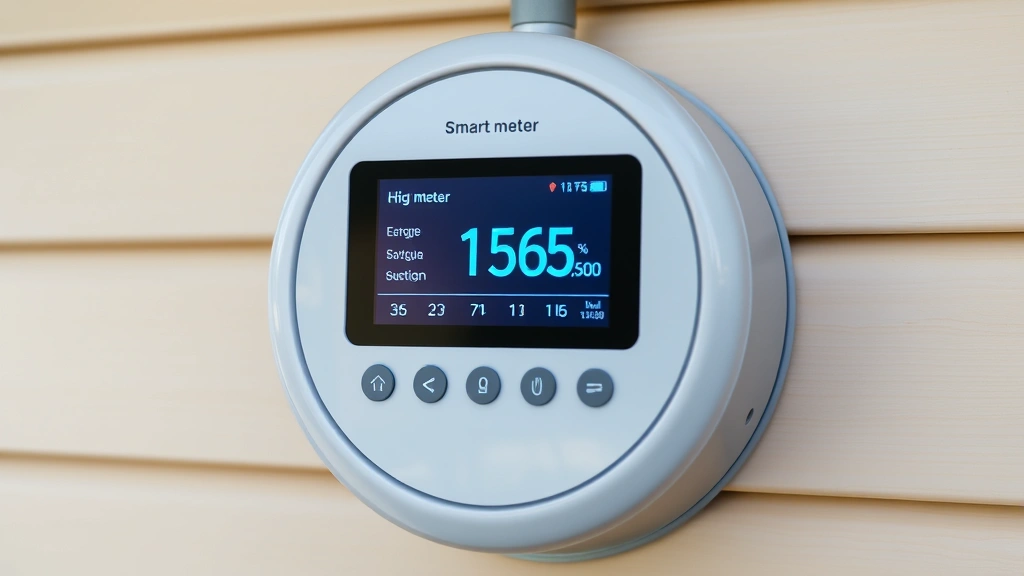
Advanced metering infrastructure (AMI) deployment allows Westfield Gas & Electric to monitor electricity and gas consumption in real-time, providing customers with detailed usage data. This transparency empowers consumers to identify conservation opportunities and adjust their behavior accordingly. Smart meters also enable the utility to detect leaks and inefficiencies faster, reducing both waste and costs.
The company is investing in distribution automation and grid modernization projects that improve reliability while reducing peak demand. These upgrades support the integration of distributed renewable energy resources, such as rooftop solar and battery storage systems. As green technology innovations transform our future, utilities like Westfield must adapt their infrastructure to accommodate new technologies and consumer preferences.
Battery storage systems represent an emerging frontier in grid modernization. These systems store excess renewable energy generated during peak production periods, making it available during peak demand. Westfield Gas & Electric has explored pilot projects and partnerships to integrate storage technologies into its system, enhancing grid resilience and renewable energy reliability.
Environmental Compliance and Regulations
Westfield Gas & Electric operates under strict environmental regulations established by state and federal agencies. Compliance with these regulations is the baseline for any utility company’s sustainability performance. The company must meet standards set by the Massachusetts Department of Environmental Protection, the Public Utilities Commission, and federal environmental agencies.
The utility complies with air quality standards, water protection requirements, and hazardous waste management regulations. Regular environmental audits and inspections ensure the company maintains compliance with evolving environmental standards. However, compliance with existing regulations doesn’t necessarily indicate leadership in sustainability—it’s the minimum requirement.
Westfield Gas & Electric has also participated in voluntary programs that exceed regulatory requirements. These initiatives demonstrate a commitment to environmental stewardship beyond legal obligations. Such programs might include habitat restoration, community environmental education, or investments in emerging clean technologies.
Comparison with Industry Standards
To properly evaluate Westfield Gas & Electric’s sustainability performance, it’s helpful to compare the company with industry benchmarks and peer utilities. Municipal utilities across New England vary significantly in their sustainability commitments and achievements.
Some comparable utilities have committed to 100% renewable electricity by specific target dates, while others have taken more gradual approaches. Westfield Gas & Electric’s performance relative to these peers provides context for understanding whether the company is a sustainability leader or laggard within its market segment.
Industry organizations and rating agencies track utility sustainability performance, publishing annual reports on carbon emissions, renewable energy adoption, and customer efficiency programs. These third-party assessments provide objective measures of utility environmental performance. Westfield Gas & Electric’s rankings and certifications offer additional insight into its sustainability standing.
The U.S. Environmental Protection Agency provides resources and benchmarking tools for utilities seeking to improve environmental performance. Utilities that actively engage with EPA programs and adopt recommended practices demonstrate commitment to continuous environmental improvement.
Customer Sustainability Options
Regardless of Westfield Gas & Electric’s corporate sustainability initiatives, individual customers have agency in choosing how to interact with their energy provider. Understanding available options empowers consumers to align their energy consumption with their environmental values.
Customers can participate in renewable energy programs, upgrade to efficient appliances, install solar panels, or adopt electric vehicles. Each of these choices reduces reliance on fossil fuels and supports the broader clean energy transition. Westfield Gas & Electric’s support for these customer-level initiatives determines whether the utility facilitates or hinders individual sustainability efforts.
Community solar programs represent an important option for customers who cannot install rooftop solar due to shading, roof condition, or rental status. These programs allow multiple customers to benefit from a shared solar installation, democratizing access to renewable energy. Westfield Gas & Electric’s participation in community solar initiatives expands sustainability options for diverse customer populations.
Energy storage systems, including home batteries and vehicle-to-grid technology, represent emerging opportunities for customers to maximize renewable energy benefits. Early adopters of these technologies can substantially reduce grid electricity purchases while improving household energy resilience. Utility policies that support rather than penalize these technologies indicate forward-thinking sustainability commitment.
The Massachusetts state government provides various rebate and incentive programs that complement utility offerings. Customers should explore all available resources to maximize their sustainability investments and minimize costs. Westfield Gas & Electric’s proactive communication about these state programs demonstrates customer-focused sustainability engagement.
Education and community outreach programs help customers understand energy consumption patterns and available efficiency options. Utilities that invest in customer education create informed populations capable of making sustainable choices. Westfield Gas & Electric’s commitment to community engagement indicates genuine sustainability leadership beyond corporate messaging.
FAQ
Does Westfield Gas & Electric use renewable energy?
Yes, Westfield Gas & Electric sources electricity from renewable resources in compliance with Massachusetts’ Renewable Portfolio Standard. The utility purchases power from wind farms, hydroelectric facilities, and other renewable generators. However, the specific percentage of renewable energy varies based on state requirements and utility procurement decisions.
What energy efficiency programs does Westfield Gas & Electric offer?
The utility offers rebates for ENERGY STAR appliances, weatherization assistance for low-income households, time-of-use rates, and demand response programs. Customers can also participate in net metering if they install solar panels. These programs help reduce energy consumption and lower utility bills.
How can I reduce my carbon footprint with Westfield Gas & Electric?
You can participate in renewable energy programs, upgrade to efficient appliances, install solar panels with net metering, adopt electric vehicles, and adjust consumption patterns using smart meter data. The utility’s efficiency programs and incentives make these sustainability choices more affordable.
Is natural gas from Westfield Gas & Electric sustainable?
Natural gas is generally considered a transition fuel rather than a long-term sustainable energy source. While cleaner than coal or oil, natural gas still produces carbon emissions and contributes to climate change. The utility is working to reduce methane leakage from distribution infrastructure, but electrification represents the ultimate sustainability solution.
How does Westfield Gas & Electric compare to other utilities?
Westfield Gas & Electric’s sustainability performance is comparable to other municipal utilities in Massachusetts. The company complies with state renewable energy standards and offers customer efficiency programs. However, some utilities have made more aggressive commitments to clean energy and carbon neutrality, indicating variable sustainability leadership within the industry.
Can I switch to 100% renewable energy with Westfield Gas & Electric?
While the utility’s overall electricity supply includes renewable sources, customers cannot typically select 100% renewable electricity at standard rates. However, customers can achieve this goal by installing rooftop solar, participating in community solar programs, or purchasing renewable energy credits through third-party providers.
What is Westfield Gas & Electric doing about climate change?
The utility is investing in renewable energy procurement, infrastructure modernization, methane leak reduction, and customer efficiency programs. These efforts align with Massachusetts’ climate goals, though the company’s commitment to accelerating clean energy transition could be more aggressive to match state and federal climate targets.
Visit the U.S. Department of Energy for comprehensive information about energy efficiency and renewable energy resources. Additionally, explore C2ES (Center for Climate and Energy Solutions) for analysis of utility sustainability performance and climate policy.
For more insights on sustainable practices, explore our SustainWise Hub Blog featuring articles on environmental responsibility and green living strategies.


