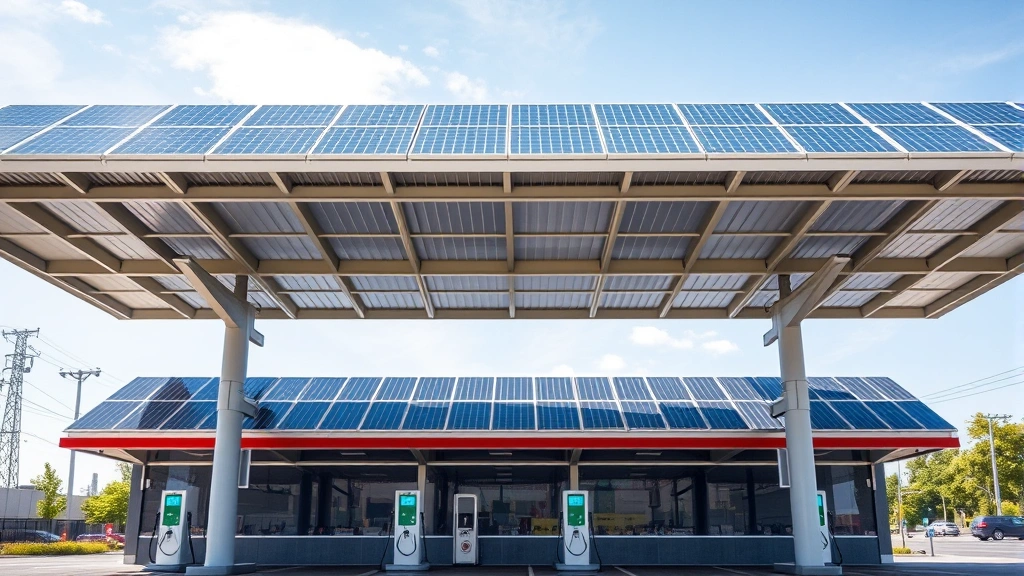
Woodman’s Gas Prices: Are They Competitive?
When it comes to filling up your tank, every penny counts. Woodman’s Markets, the Wisconsin-based grocery chain, has built a reputation for competitive pricing across their product lines. But how do their Woodman’s gas prices stack up against the competition? Understanding fuel pricing strategies and exploring alternatives like electric vehicles can help you make informed decisions about your transportation costs and environmental impact.
Gas pricing fluctuates based on crude oil markets, regional demand, taxes, and individual station markups. For consumers seeking value, comparing Woodman’s fuel stations with other retailers reveals important insights about competitive positioning. This comprehensive analysis examines current pricing trends, loyalty programs, and how sustainable transportation options fit into the broader conversation about fuel costs and environmental responsibility.
Woodman’s Fuel Pricing Strategy
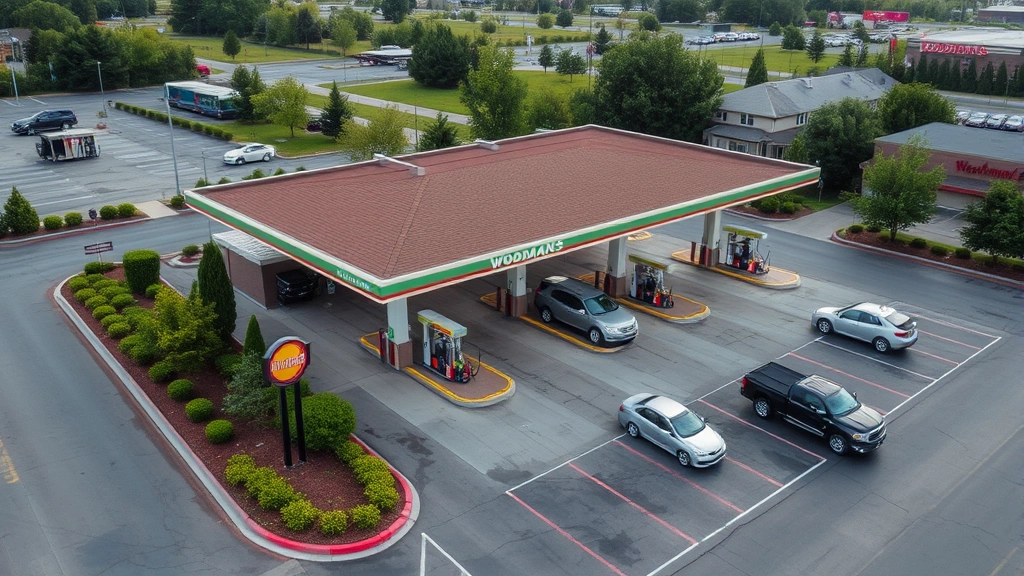
Woodman’s Markets operates fuel stations across Wisconsin, Illinois, and Indiana, positioning themselves as a value-focused retailer. Their pricing strategy aligns with their broader business model: offering competitive prices to drive customer loyalty and increase overall store traffic. Unlike some gas stations that operate independently, Woodman’s fuel pricing integrates with their grocery operations, allowing them to leverage member purchasing power and create bundled value propositions.
The company typically prices their fuel competitively within their operating regions. Woodman’s uses dynamic pricing models that adjust based on wholesale fuel costs, local market conditions, and competitive pressure from nearby stations. Their commitment to transparency means many consumers can check current prices online before visiting their pumps. This approach reflects modern retail expectations for price visibility and comparison shopping capabilities.
Woodman’s membership program plays a crucial role in their fuel pricing strategy. Members often receive discounts at the pump, with savings sometimes reaching 10-15 cents per gallon during promotional periods. These incentives encourage repeat visits and increase customer lifetime value, making their fuel station a strategic component of their overall retail ecosystem.
Competitive Comparison Analysis
To determine whether Woodman’s gas prices are truly competitive, we must compare them against major regional and national competitors. In Wisconsin, primary competitors include Speedway (Murphy USA), Shell, Citgo, and independent stations. Nationally, consumers also consider Costco, Sam’s Club, and grocery-based programs like those offered by Kroger and Safeway.
Woodman’s typically positions itself in the middle-to-lower price range compared to major brands. While they may not always undercut the lowest-priced independent stations, their sustainable energy solutions integration and member rewards programs add value beyond the per-gallon price. When factoring in loyalty discounts and grocery savings, total value often exceeds what the pump price alone suggests.
Regional data shows Woodman’s prices fluctuate with national trends but generally remain competitive. During periods of high crude oil prices, all retailers see elevated pump prices. However, Woodman’s membership discounts can provide meaningful relief during these expensive periods. Consumers who regularly shop at Woodman’s grocery stores benefit most from their fuel pricing, as accumulated grocery rewards translate into fuel discounts.
Member Rewards and Discounts
Woodman’s loyalty program fundamentally changes the competitive equation. Members accumulate fuel rewards through grocery purchases at a rate of approximately one fuel point per dollar spent. These points translate to discounts at the pump, with promotional multiplier events offering accelerated earning opportunities. During peak promotional periods, savvy shoppers can accumulate substantial fuel discounts.
The mechanics work as follows: a customer purchasing $100 in groceries earns 100 fuel points. Depending on current promotions, these might convert to 10-50 cents per gallon discounts when pumping fuel. For families spending $200-300 monthly on groceries at Woodman’s, the cumulative fuel savings can reach $20-50 per month—substantial savings that aren’t reflected in the base pump price.
Promotional events amplify these benefits further. Woodman’s regularly runs double and triple fuel point promotions on selected grocery categories, allowing members to accelerate their fuel reward accumulation. Strategic shopping during these periods—purchasing fuel-earning products at maximum multiplier rates—enables optimization of fuel discounts. This requires planning and engagement but rewards attentive shoppers significantly.
Comparison with other loyalty programs reveals Woodman’s offerings are competitive. Speedway’s rewards program and Costco’s member benefits offer similar value propositions but require membership fees or have different earning structures. For existing Woodman’s grocery shoppers, the integrated fuel rewards represent excellent value without additional membership costs beyond their standard loyalty program enrollment.
Factors Affecting Gas Prices
Understanding what drives gas prices helps contextualize Woodman’s pricing within broader market dynamics. Several key factors influence fuel costs at all retailers:
- Crude Oil Prices: Global crude oil markets set the baseline for all petroleum products. When Energy Information Administration (EIA) reports show crude price changes, all gas stations adjust accordingly within days.
- Refining Costs: Converting crude oil into gasoline requires energy and specialized infrastructure. Regional refinery capacity and maintenance schedules affect local fuel availability and pricing.
- Distribution and Transportation: Moving fuel from refineries to individual stations involves logistics costs. Remote locations typically have higher prices due to increased transportation expenses.
- Taxes and Regulations: Federal excise taxes, state taxes, and local regulations vary significantly. Wisconsin’s fuel tax structure differs from neighboring states, affecting competitiveness.
- Seasonal Demand: Summer driving season increases fuel demand, typically raising prices. Winter blends cost less to produce, potentially lowering winter prices.
- Retail Markup: Individual stations set their margins based on competitive positioning, volume goals, and profitability targets.
Woodman’s, as a high-volume operator, can negotiate favorable wholesale rates and maintain competitive margins through volume purchasing power. This structural advantage allows them to offer competitive pricing without sacrificing profitability—a key reason they can sustain their fuel reward programs.
Regional Price Variations
Woodman’s operates across three states, each with different regulatory environments and competitive dynamics. Wisconsin prices typically reflect Midwestern averages, with strong competition from regional players. Illinois stations operate in a more crowded market with significant competition from independent operators and national brands. Indiana locations benefit from lower state fuel taxes, often resulting in price advantages.
Within individual states, rural locations command different prices than urban areas. Woodman’s rural stations may operate with different strategies than their urban counterparts, reflecting local competitive conditions. Consumers in smaller towns might find Woodman’s prices particularly competitive due to limited alternatives.
Seasonal variations affect regional pricing too. Wisconsin winters see different demand patterns than summer months, influencing local pricing strategies. Monitoring Woodman’s prices across their service area reveals these patterns, helping consumers optimize their purchasing timing when possible.
Environmental Considerations
While analyzing Woodman’s gas prices, we should recognize the broader environmental context of fossil fuel consumption. Gasoline combustion contributes significantly to greenhouse gas emissions and air pollution. The EPA’s climate impact data shows transportation accounts for approximately 27% of U.S. greenhouse gas emissions.
Choosing the cheapest gas option doesn’t account for environmental externalities. Lower fuel prices can encourage increased driving, offsetting any personal savings with broader climate costs. Understanding this tension is crucial for making truly sustainable transportation choices. While saving money on fuel is rational from an individual perspective, reducing your environmental footprint requires considering alternative approaches.
The International Energy Agency (IEA) emphasizes that sustainable transportation transitions require moving beyond incremental fuel price optimization toward fundamentally different mobility solutions. This perspective reframes the Woodman’s gas price question within a larger sustainability context.
Alternative Fuel Options
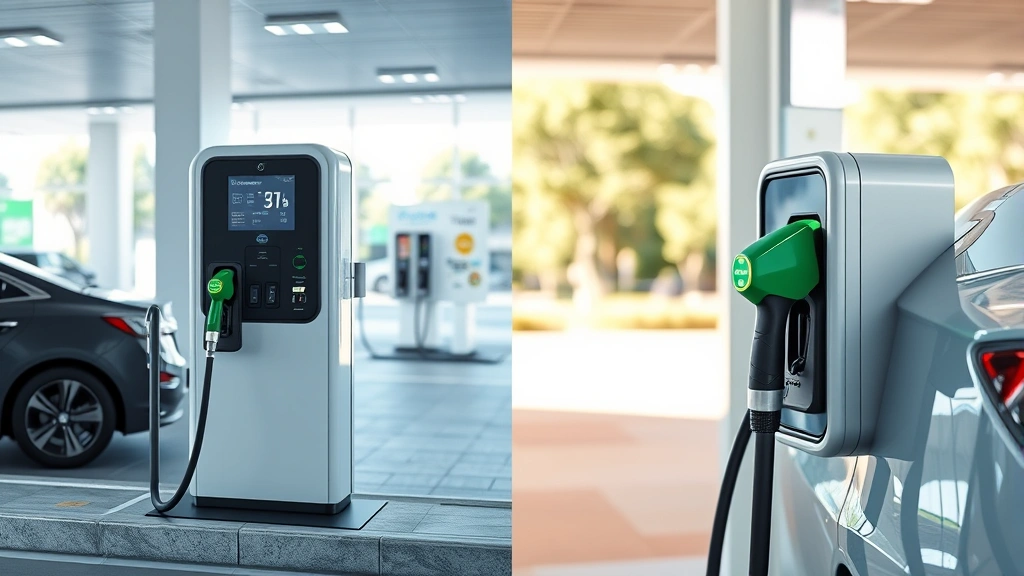
For consumers concerned about both costs and environmental impact, exploring alternatives to traditional gasoline merits serious consideration. Electric vehicles (EVs) represent the most significant transportation evolution, offering dramatically lower operating costs and zero direct emissions.
Electric Vehicle Economics: While EV purchase prices remain higher than comparable gasoline vehicles, total cost of ownership often favors EVs. Electricity costs approximately one-third the per-mile expense of gasoline, and reduced maintenance requirements (no oil changes, fewer moving parts) compound savings. Over a vehicle’s lifetime, EV owners typically spend significantly less on fuel than gasoline vehicle owners.
Consider a practical example: charging an EV at home costs roughly $0.03-0.04 per mile, compared to $0.10-0.12 per mile for gasoline vehicles at typical prices. For drivers covering 12,000 annual miles, this represents $840-1,440 in annual fuel savings. Over seven years, cumulative savings reach $5,880-10,080—more than offsetting typical EV purchase price premiums.
Hybrid Vehicles: For those unwilling to commit fully to electric propulsion, hybrid vehicles offer meaningful improvements. They combine gasoline engines with electric motors, achieving 30-50% better fuel efficiency than conventional vehicles. This approach reduces both fuel costs and emissions while maintaining familiar driving experiences and unlimited range.
Alternative Fuels: Some regions offer ethanol-blended gasoline (E85) or compressed natural gas (CNG) options. These alternatives may offer price advantages and environmental benefits compared to pure gasoline, though availability varies significantly by location.
Exploring green technology innovations and sustainable transportation options provides context for fuel pricing decisions. Rather than optimizing gasoline purchases, forward-thinking consumers increasingly question whether gasoline-powered vehicles align with their values and long-term financial interests.
Woodman’s operates in regions with growing EV infrastructure. Wisconsin, Illinois, and Indiana all have expanding charging networks, making EV adoption increasingly practical. For consumers in these areas, evaluating the long-term value of switching to electric vehicles may provide better financial and environmental outcomes than endlessly optimizing gasoline prices.
Making Your Decision
Are Woodman’s gas prices competitive? The evidence suggests yes, particularly for members who leverage loyalty rewards effectively. Their pricing typically ranks in the competitive middle-to-lower range, and their fuel reward program adds meaningful value for regular grocery shoppers. However, this question requires personal context consideration.
If you’re a Woodman’s grocery customer, their fuel prices represent excellent value, especially during promotional periods. The integrated loyalty program rewards your existing shopping patterns without requiring additional membership fees. For non-grocery customers, Woodman’s prices may or may not beat local alternatives—this requires comparing actual pump prices in your specific location.
More fundamentally, the question of fuel pricing deserves reconsideration through a sustainability lens. Rather than pursuing marginal savings on gasoline, exploring sustainability definition and implications for transportation decisions may yield greater benefits. Electric vehicles, hybrid options, and reduced driving through remote work or public transit offer more substantial savings and environmental improvements than optimizing fuel station selection.
For those committed to traditional gasoline vehicles, Woodman’s represents a solid choice. For those open to alternatives, the broader sustainability conversation offers compelling reasons to reconsider transportation fundamentals entirely.
FAQ
What are current Woodman’s gas prices compared to competitors?
Woodman’s gas prices typically rank competitively within their regions, generally in the middle-to-lower range. Actual prices vary by location and fluctuate daily based on crude oil markets. Check their website or visit stations directly for current pricing in your area. National price comparison apps can also show how Woodman’s prices compare to nearby competitors.
How do Woodman’s fuel rewards work?
Woodman’s members earn fuel points through grocery purchases at approximately one point per dollar spent. Points convert to pump discounts, with typical rates around 1 cent per gallon per 10 points. Promotional multiplier events can accelerate earning rates significantly. Members access accumulated rewards through their loyalty cards at Woodman’s fuel pumps.
Can non-members purchase fuel at Woodman’s?
Yes, non-members can purchase fuel at Woodman’s stations, but they don’t receive loyalty rewards or discounts. Becoming a member is typically free and provides access to fuel rewards plus grocery discounts, making membership worthwhile for regular shoppers.
How do Woodman’s prices compare to Costco or Sam’s Club?
Costco and Sam’s Club often offer excellent fuel prices but require membership fees ($60-130 annually). Woodman’s fuel rewards are free for existing grocery members. The comparison depends on whether you’re already a member and your shopping patterns. For Woodman’s grocery shoppers, integrated fuel rewards often provide better overall value.
Are there environmental benefits to choosing Woodman’s fuel?
Woodman’s fuel quality is comparable to competitors—environmental benefits come primarily from reducing consumption through efficient driving, vehicle selection, and considering alternatives like electric vehicles rather than from fuel station choice. The real sustainability gains come from transitioning away from gasoline vehicles entirely.
What should I do if Woodman’s prices are higher than competitors?
Compare total value including loyalty rewards, not just pump prices. If Woodman’s base prices are genuinely uncompetitive in your area, consider whether other stations offer comparable reward programs. Alternatively, evaluate whether reducing fuel consumption through EV adoption or lifestyle changes provides better long-term value than optimizing station selection.


