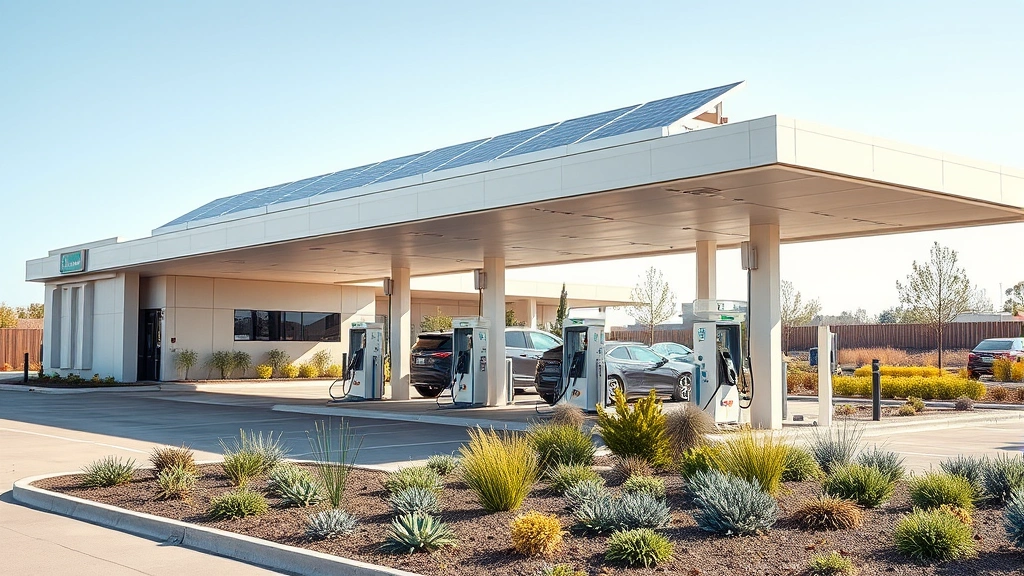
Woodman’s Sustainability: Fueling a Greener Future
As climate change accelerates and environmental consciousness grows, the energy sector faces unprecedented pressure to transform. Woodman’s gas stations stand at a critical juncture, where traditional fuel distribution meets the urgent need for sustainable alternatives. This comprehensive exploration examines how Woodman’s gas station operations can evolve to support a cleaner energy ecosystem while meeting consumer demands for convenience and reliability.
The transition toward sustainability in the fuel retail industry isn’t merely an environmental imperative—it’s an economic necessity. Consumers increasingly seek businesses that align with their values, and energy retailers must adapt or risk obsolescence. Understanding Woodman’s role in this transformation reveals opportunities for innovation, responsibility, and leadership in the green energy revolution.
Understanding Woodman’s Current Operations
Woodman’s gas stations operate as convenience retail hubs, serving millions of customers annually across their network. These locations traditionally focus on fuel sales, convenience items, and quick-service offerings. However, the traditional gasoline-centric business model faces mounting challenges from regulatory pressures, consumer preferences shifting toward electric vehicles, and the global commitment to reducing carbon emissions.
The gas station industry currently contributes significantly to urban air quality issues and greenhouse gas emissions. A single Woodman’s location processes hundreds of fuel transactions daily, each representing a carbon-intensive energy source. Understanding this baseline is essential for appreciating the magnitude of potential improvements and the transformative opportunities available to forward-thinking retailers in the sector.
Modern consumers increasingly scrutinize where they spend their money, preferring brands demonstrating genuine environmental commitment. Woodman’s gas stations have the opportunity to leverage their extensive real estate footprint and customer traffic to become catalysts for sustainable energy adoption. This transformation requires strategic planning, technological investment, and a commitment to sustainability principles that extend beyond mere profit margins.
The infrastructure already exists at Woodman’s locations—convenience stores, customer facilities, and property management systems. These assets can be repurposed and expanded to support sustainable energy alternatives, creating a seamless transition for consumers accustomed to quick stops for fuel and supplies.
The Evolution Toward Clean Energy
The energy landscape is undergoing seismic shifts driven by technological advancement, policy changes, and market forces. Woodman’s gas stations must evolve alongside these changes or face declining relevance. The transition toward clean energy represents not a threat but an opportunity for retailers willing to innovate and adapt their business models.
Several factors are accelerating this evolution. First, regulatory frameworks increasingly restrict emissions, making traditional fuel sales less attractive from a compliance perspective. Second, battery technology has improved dramatically, making electric vehicles cost-competitive with internal combustion engines. Third, consumer attitudes have shifted decisively toward sustainability, with surveys consistently showing that environmental concerns influence purchasing decisions.
Woodman’s gas stations can position themselves as energy transition hubs rather than declining fossil fuel retailers. This reframing opens pathways to sustainable energy solutions that maintain customer loyalty while supporting global climate goals. The stations that embrace this evolution early will capture market share from competitors slower to adapt.
Investment in clean energy infrastructure at Woodman’s locations demonstrates corporate responsibility and forward-thinking leadership. Such investments signal confidence in long-term business viability while contributing meaningfully to emissions reductions. Early adopters gain competitive advantages through brand differentiation, customer loyalty, and potential government incentives supporting clean energy transitions.
Electric Vehicle Infrastructure Integration
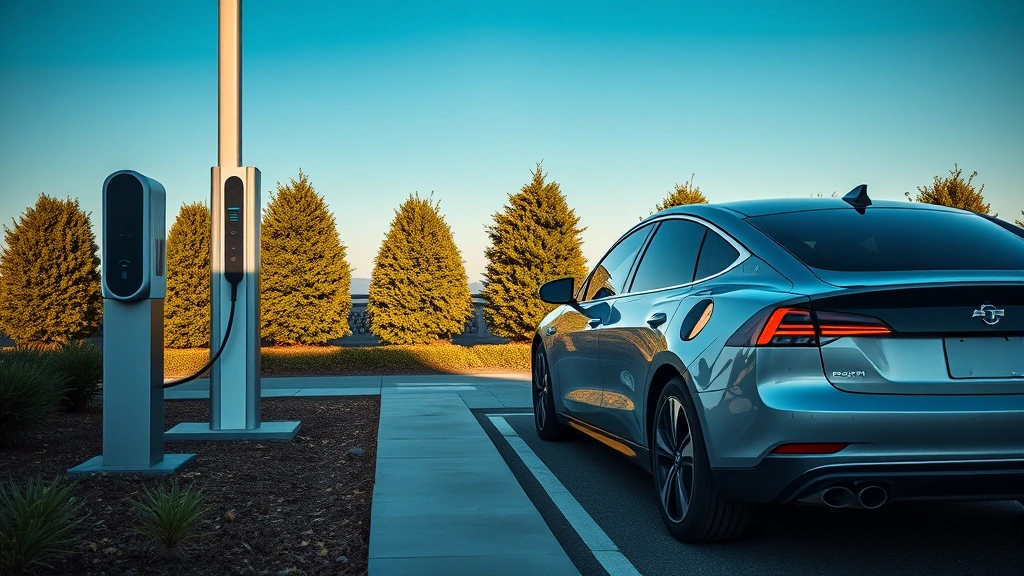
Electric vehicle adoption represents the most transformative opportunity for Woodman’s gas stations. As EV market penetration increases, the need for convenient charging infrastructure becomes critical. Woodman’s extensive network of strategically located properties makes them ideal candidates for EV charging station installation.
The advantages of electric vehicles extend beyond environmental benefits—they offer lower operating costs, reduced maintenance requirements, and superior driving experiences. As these benefits become more apparent, EV adoption accelerates exponentially. Woodman’s can capture this growing market by installing Level 2 and DC fast charging stations at high-traffic locations.
Implementing EV charging infrastructure requires strategic planning. Fast chargers appeal to long-distance travelers, while Level 2 chargers serve local commuters and daily users. A mixed approach maximizes utility and attracts diverse customer segments. Revenue models might include per-kilowatt-hour pricing, subscription services, or partnerships with charging networks like PlugShare or Electrify America.
The installation of EV chargers transforms Woodman’s locations into modern energy stations. Customers waiting for their vehicles to charge become captive audiences for convenience store offerings, creating additional revenue opportunities. This symbiotic relationship between EV charging and retail sales strengthens the overall business proposition.
Moreover, EV charging infrastructure attracts environmentally conscious consumers who spend more on average than traditional gas customers. These demographics value convenience, quality, and sustainability—attributes Woodman’s can emphasize. Early investment in EV infrastructure positions the brand as a sustainability leader, enhancing brand equity and customer loyalty.
” alt=”Electric vehicle charging station at modern convenience retail location with landscaping” style=”width: 100%; height: auto; border-radius: 8px;”>
Renewable Fuel Alternatives
While electrification dominates future energy discussions, renewable fuel alternatives offer near-term opportunities for Woodman’s gas stations. Biofuels, synthetic fuels, and hydrogen represent viable pathways for reducing emissions from existing vehicle fleets before complete electrification occurs.
Biodiesel and ethanol blends reduce lifecycle carbon emissions compared to conventional petroleum products. E10 (10% ethanol) is widely available and compatible with existing vehicles. Higher blends like E15 and E85 offer greater emissions reductions but require compatible vehicles. Woodman’s can expand renewable fuel offerings by installing pumps for these alternatives, capturing environmentally conscious consumers seeking immediate ways to reduce their impact.
Hydrogen fuel cells represent an emerging technology with significant potential. While infrastructure remains limited, strategic locations for hydrogen dispensing at Woodman’s stations could position the company as a hydrogen economy pioneer. As fuel cell vehicle technology matures and production scales, early infrastructure investment creates competitive advantages.
The sustainable energy solutions landscape extends beyond simple fuel swaps. Advanced biofuels derived from waste products, algae, or agricultural residues offer genuine carbon reductions without competing with food production. Woodman’s can differentiate by offering these premium sustainable fuels to customers seeking maximum environmental benefit.
Implementing renewable fuel programs requires consumer education and infrastructure investment. However, government incentives often support such initiatives. Federal tax credits, state renewable fuel mandates, and local sustainability grants can offset installation costs, making renewable fuel programs economically attractive alongside their environmental benefits.
Carbon Footprint Reduction Strategies
Comprehensive sustainability at Woodman’s gas stations extends beyond fuel offerings to encompass operational carbon footprint reduction. Every aspect of station operations—from building energy use to supply chain management—presents opportunities for emissions reductions.
Facility efficiency improvements offer immediate impact. Installing LED lighting, upgrading HVAC systems, and improving insulation reduce energy consumption significantly. Solar panels on Woodman’s roofs generate clean electricity for station operations and EV charging infrastructure. These investments decrease operating costs while demonstrating tangible environmental commitment to customers and stakeholders.
Supply chain optimization reduces emissions associated with product delivery and inventory management. Partnering with suppliers emphasizing sustainable practices, optimizing delivery routes, and reducing packaging waste all contribute to lower overall carbon footprints. Woodman’s can leverage its size to incentivize supplier sustainability improvements, creating positive ripple effects throughout the retail fuel industry.
Water conservation, waste reduction, and pollution prevention programs address environmental impacts beyond carbon. Implementing best management practices for stormwater runoff, properly managing used oil and hazardous materials, and reducing single-use plastics protect ecosystems while demonstrating environmental stewardship. These practices often reduce regulatory compliance costs and operational expenses.
Carbon accounting and transparency build trust with environmentally conscious consumers. Publishing annual sustainability reports detailing emissions reductions, renewable energy percentages, and waste diversion rates demonstrates accountability. Third-party certifications validate claims and provide consumers confidence in Woodman’s sustainability commitments.
The Carbon Trust and similar organizations offer frameworks for measuring, reducing, and offsetting carbon emissions. Woodman’s can pursue carbon neutral or carbon negative certifications, transforming environmental responsibility into a marketing advantage while contributing meaningfully to climate goals.
Consumer Education and Engagement
Sustainable transformation at Woodman’s gas stations requires active consumer participation and understanding. Educational initiatives help customers make environmentally responsible choices and appreciate Woodman’s sustainability efforts.
In-station signage, digital displays, and mobile app content can educate consumers about sustainable fuel options, EV charging benefits, and personal carbon footprint reduction strategies. Explaining the environmental impact of different fuel choices empowers customers to align purchases with their values. Clear information about how reducing environmental footprints benefits both individuals and communities motivates behavior change.
Loyalty programs can incentivize sustainable choices. Rewarding customers who use renewable fuels, charge electric vehicles, or purchase eco-friendly convenience items encourages adoption of sustainable options. Gamification elements—challenges, badges, community leaderboards—increase engagement and create social pressure supporting sustainable behaviors.
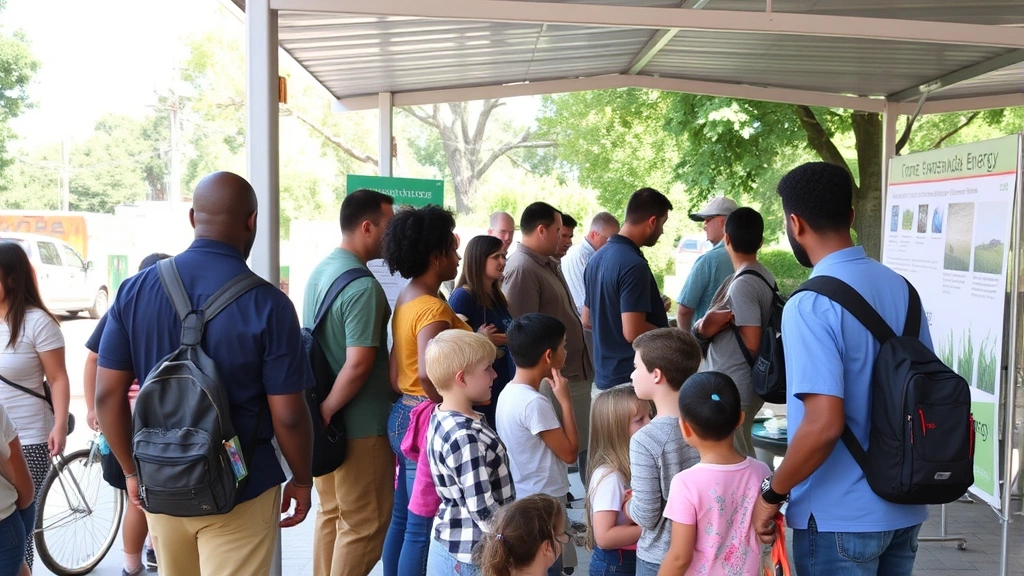
Community events and partnerships strengthen Woodman’s sustainability brand. Sponsoring local environmental initiatives, hosting EV test drive events, and partnering with environmental organizations demonstrate genuine commitment beyond corporate messaging. These authentic connections build brand loyalty among environmentally conscious consumers.
Staff training ensures that Woodman’s employees can confidently discuss sustainability initiatives and answer customer questions. Knowledgeable staff enhance customer experience and credibility of sustainability claims. Employee engagement programs that connect staff to sustainability missions improve retention and create brand ambassadors who authentically promote environmental values.
Digital engagement through social media, email marketing, and content platforms amplifies sustainability messaging. Sharing customer sustainability stories, highlighting environmental impact metrics, and discussing industry trends positions Woodman’s as a thought leader in sustainable energy retail. Content published on the SustainWise Hub Blog and similar platforms reaches engaged audiences seeking sustainability information.
” alt=”Community gathering at sustainable fuel station with families and environmental education displays” style=”width: 100%; height: auto; border-radius: 8px;”>
Sustainability Certifications and Standards
Third-party certifications validate Woodman’s sustainability claims and provide consumers assurance that environmental commitments are genuine and measured against rigorous standards. Pursuing recognized certifications strengthens brand credibility and competitive positioning.
B Corp Certification demonstrates that Woodman’s meets high standards for social and environmental performance, accountability, and transparency. This certification appeals to conscious consumers and attracts socially responsible investors. The certification process identifies improvement opportunities and provides roadmaps for ongoing sustainability enhancement.
ISO 14001 Environmental Management Systems certification establishes formal frameworks for identifying, managing, and continuously improving environmental impacts. This international standard demonstrates systematic commitment to environmental responsibility and provides structure for achieving sustainability goals across all operations.
Green Business Bureau certification recognizes retailers meeting specific sustainability criteria including energy efficiency, waste reduction, and sustainable sourcing. For Woodman’s gas stations, this certification validates comprehensive sustainability approaches and differentiates locations as environmental leaders.
Renewable energy certifications for facilities utilizing solar, wind, or other clean energy sources provide transparent documentation of sustainable energy usage. Green-e certification, for example, verifies renewable energy attributes and supports market growth for clean energy sources.
The EPA’s Green Power Partnership recognizes organizations using significant renewable electricity. Woodman’s participation demonstrates leadership and provides marketing benefits while supporting renewable energy market development.
Environmental product certifications for fuels, lubricants, and convenience items ensure that all offerings meet sustainability standards. Certifications like Green Seal and EcoLogo help consumers identify truly sustainable products among greenwashing alternatives. Woodman’s can prioritize certified products to ensure comprehensive sustainability across all merchandise categories.
FAQ
What is Woodman’s gas station’s current sustainability status?
Woodman’s gas stations, like most traditional fuel retailers, have historically focused on conventional petroleum products. However, the company recognizes evolving market demands and environmental imperatives. Current sustainability initiatives vary by location, with some stations beginning to explore renewable fuel offerings and operational efficiency improvements. Comprehensive sustainability transformation requires strategic planning and investment that many retailers are actively developing.
How can Woodman’s compete with dedicated EV charging networks?
Woodman’s possesses distinct competitive advantages over dedicated charging networks. Their convenience store presence creates additional customer value during charging waits. Extensive location networks provide geographic coverage advantages. Customer loyalty programs and fuel purchase integration create unique value propositions. Rather than competing directly, Woodman’s can partner with charging networks while providing complementary services that enhance customer experience.
Are renewable fuels actually more sustainable than conventional gasoline?
Renewable fuels’ sustainability depends on production methods and feedstock sources. Advanced biofuels derived from waste products or algae offer genuine lifecycle carbon reductions. However, first-generation biofuels from food crops present sustainability concerns. Woodman’s should prioritize advanced renewable fuels with verified environmental benefits, transparent sourcing, and credible third-party certification. Lifecycle analysis ensures that sustainability claims withstand scrutiny.
What investments are required for Woodman’s sustainability transformation?
Capital requirements vary based on sustainability scope and local conditions. EV charging installation costs range from $5,000 to $50,000+ depending on charger type and electrical infrastructure. Solar panel systems range from $20,000 to $100,000+. Energy efficiency upgrades vary widely. However, many investments qualify for government incentives, tax credits, and financing programs that reduce net costs. Long-term operational savings often justify upfront investments within 5-10 years.
How do consumers perceive Woodman’s sustainability efforts?
Consumer perception depends on authenticity, transparency, and actual environmental impact. Greenwashing—making unsustainable companies appear environmentally responsible—damages brand trust severely. Woodman’s must ensure that sustainability claims are verified, comprehensive, and genuinely significant. Third-party certifications, published sustainability reports, and transparent communication build credibility. Authentic efforts, even if modest initially, generate more positive perception than exaggerated claims.
What role will Woodman’s gas stations play in future energy systems?
Woodman’s locations will likely evolve into multi-fuel energy stations serving diverse customer needs. Rather than gasoline-only retailers, stations will offer EV charging, renewable fuels, hydrogen dispensing, and other emerging energy solutions. Convenience retail will remain important, but energy offerings will diversify significantly. Stations adapting to this evolution will thrive; those clinging to petroleum-only models will decline.


