York County Gas Impact: Local Study Insights and Environmental Implications
York County faces significant challenges related to natural gas consumption and its environmental footprint. Recent studies have illuminated the complex relationship between energy demands, local infrastructure, and climate impacts within this region. Understanding these dynamics is crucial for residents, policymakers, and businesses seeking to make informed decisions about energy use and sustainability initiatives.
This comprehensive analysis explores the findings from recent York County gas studies, examining how local consumption patterns affect air quality, greenhouse gas emissions, and public health. By evaluating current data and future projections, we can identify actionable strategies for reducing dependence on fossil fuels while transitioning toward cleaner energy alternatives that benefit both the community and the environment.
York County Gas Consumption Overview
York County’s natural gas infrastructure serves residential, commercial, and industrial sectors throughout the region. Current consumption patterns reveal that households account for approximately 40-45% of total natural gas usage, with commercial establishments and manufacturing facilities comprising the remainder. The county’s aging infrastructure, combined with population growth, has created a complex energy landscape that demands careful analysis and strategic planning.
Historical data shows that York County gas consumption has remained relatively stable over the past decade, though seasonal variations significantly impact demand. Winter months typically see consumption peaks of 30-40% above average levels, while summer months experience dramatic reductions. This pattern reflects both residential heating needs and the region’s climate characteristics. Understanding these consumption trends is essential for predicting future energy needs and planning infrastructure investments.
The economic implications of natural gas dependence extend beyond utility bills. A significant portion of York County’s energy budget flows to out-of-region energy suppliers, representing a substantial economic leakage. By investing in sustainable energy solutions, the community could retain more wealth locally while reducing environmental impacts. Regional studies have documented that transitioning to renewable energy sources could create hundreds of local jobs while reducing long-term energy costs.
Infrastructure challenges compound consumption concerns. Many gas distribution lines in York County date from the 1970s and 1980s, requiring ongoing maintenance and replacement. These aging systems experience periodic leaks that release methane—a potent greenhouse gas with 25-28 times the warming potential of carbon dioxide over a century. Addressing infrastructure deterioration represents both an environmental necessity and a public safety imperative.
Environmental and Health Impacts
Natural gas combustion releases carbon dioxide and other greenhouse gases that contribute directly to climate change. York County’s natural gas sector generates approximately 2.5-3 million metric tons of CO2 equivalent annually, representing roughly 35-40% of the county’s total greenhouse gas emissions. This substantial contribution underscores the importance of transitioning away from fossil fuels toward cleaner alternatives.
Beyond climate impacts, natural gas infrastructure poses localized air quality challenges. Methane leaks from distribution systems, appliance venting, and combustion byproducts degrade indoor and outdoor air quality. Research from EPA indoor air quality standards documents that natural gas combustion produces nitrogen dioxide and particulate matter that can trigger respiratory issues, particularly in vulnerable populations including children, elderly residents, and individuals with asthma.
A critical concern involves methane emissions from gas distribution networks. Studies indicate that York County’s distribution infrastructure may leak 1.5-2% of throughput annually—equivalent to removing hundreds of cars from roads in terms of climate impact. These fugitive emissions represent both wasted resources and significant environmental harm. Detecting and repairing leaks offers immediate environmental benefits while improving operational efficiency.
Public health research increasingly links natural gas use to respiratory diseases, cardiovascular problems, and developmental issues. Homes with gas stoves and heating systems show elevated indoor nitrogen dioxide levels, particularly in poorly ventilated spaces. Long-term exposure correlates with asthma development in children and exacerbation of existing respiratory conditions. Communities can improve public health outcomes by transitioning to electric heating and cooking solutions that eliminate combustion-related indoor air pollution.
Study Findings and Data Analysis
Recent comprehensive studies examining York County gas impacts reveal several critical insights. A multi-year analysis conducted by regional environmental organizations documented detailed consumption patterns, emission profiles, and infrastructure conditions across the county. These findings provide evidence-based guidance for policy development and community action planning.
The research identified that commercial buildings represent a significant opportunity for emissions reduction. Many office buildings, retail establishments, and industrial facilities operate gas-powered HVAC systems and water heating equipment with substantial efficiency losses. Retrofitting these systems with high-efficiency electric alternatives could reduce emissions by 40-50% while generating operating cost savings through improved energy efficiency. The study estimates that commercial sector electrification could achieve payback periods of 5-8 years through operational savings alone.
Residential sector analysis revealed substantial variation in household consumption based on building age, insulation quality, and heating system type. Homes constructed before 1980 consume 30-50% more natural gas than comparable modern homes, highlighting the energy efficiency gap. Weatherization improvements—including insulation upgrades, air sealing, window replacement, and thermostat controls—can reduce consumption by 15-25%. Combined with electrification of heating and water heating systems, comprehensive residential retrofits achieve 60-70% emissions reductions.
Industrial facilities in York County present mixed opportunities. Heavy manufacturing operations require sustained high-temperature heat that currently relies on natural gas. However, emerging technologies including heat pumps, thermal storage systems, and industrial electrification pathways offer viable alternatives for many processes. The study identified that 60-70% of industrial gas use could transition to electric systems with current or near-future technology, while remaining processes could utilize renewable hydrogen or biomethane from sustainable sources.
Data on energy bills demonstrated that York County residents pay 15-25% more for natural gas than national averages, driven by infrastructure maintenance costs, seasonal demand spikes, and regional market factors. This economic burden falls disproportionately on low-income households, which spend 6-8% of income on energy compared to 3-4% for higher-income households. Energy transition programs prioritizing equity can simultaneously reduce emissions and improve household financial stability.
Transition to Renewable Energy
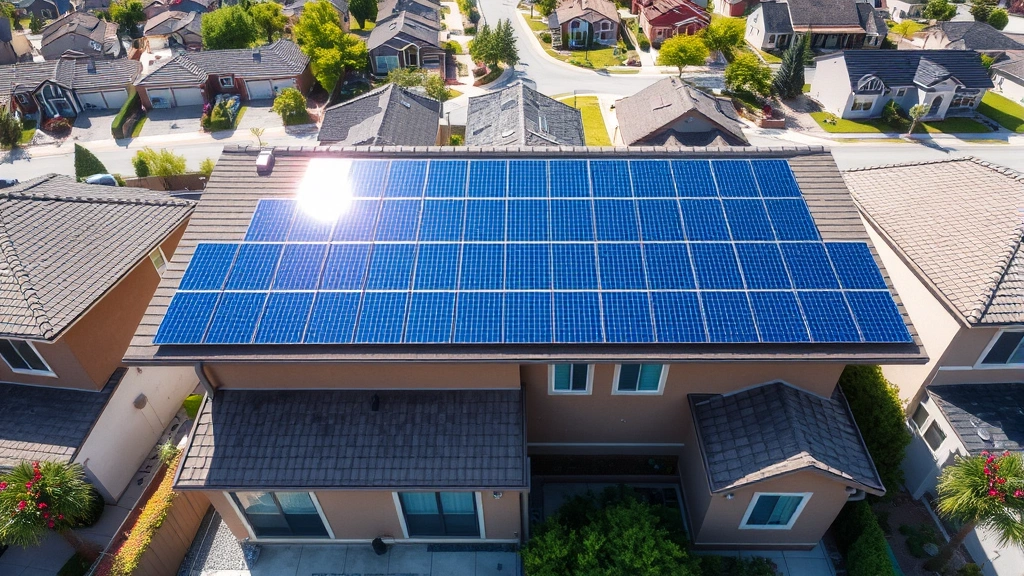
Transitioning York County away from natural gas dependence requires a comprehensive energy strategy incorporating multiple renewable and clean energy pathways. Solar photovoltaic systems represent an immediately available technology suitable for residential and commercial applications throughout the region. York County’s average solar resource potential supports 4.5-5.5 peak sun hours daily, enabling solar installations to generate 25-35% of typical household electricity consumption.
Wind energy development offers significant potential for utility-scale renewable generation in York County’s surrounding regions. While local wind resources vary, distributed small wind turbines and regional wind farm participation through power purchase agreements provide viable options. Community solar programs allow residents without suitable rooftops to benefit from renewable energy while supporting local generation capacity.
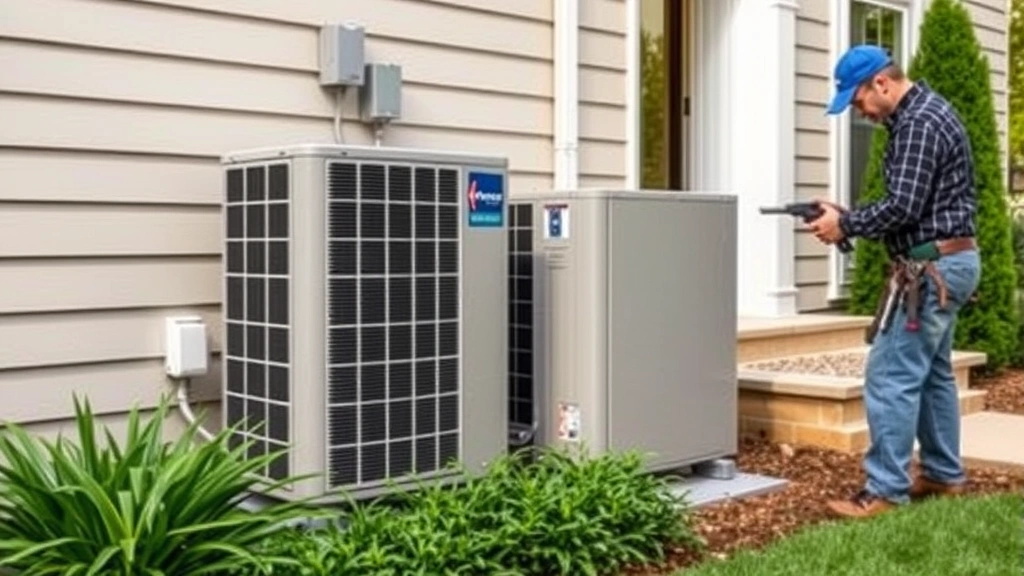
Heat pump technology represents the most promising pathway for electrifying heating and cooling. Modern cold-climate heat pumps operate efficiently at temperatures below freezing, making them suitable for York County’s climate. These systems extract heat from outdoor air, ground, or water sources, delivering heating and cooling with 2-4 times the efficiency of combustion-based systems. Combined with renewable electricity, heat pumps eliminate direct emissions while improving comfort and indoor air quality.
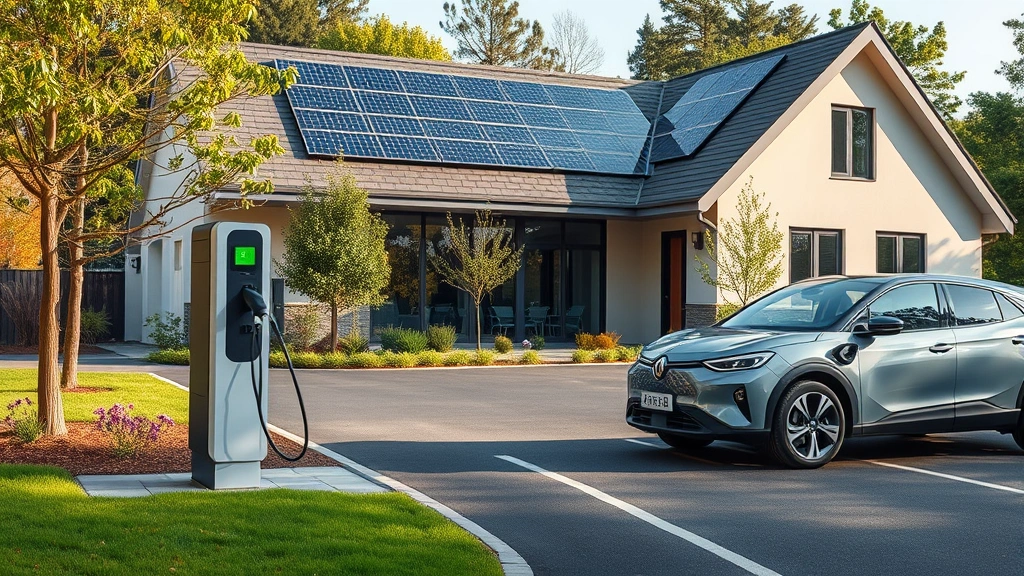
Electric vehicle adoption complements building electrification in reducing fossil fuel dependence. The advantages of electric vehicles extend beyond emissions reduction to include lower operating costs, superior performance, and reduced maintenance requirements. York County can accelerate EV adoption through charging infrastructure development, incentive programs, and fleet electrification initiatives targeting government and commercial vehicles.
Energy storage systems—including battery storage, thermal storage, and other technologies—enable reliable renewable energy integration. Battery costs have declined 90% over the past decade, making energy storage economically viable for residential and commercial applications. Strategic deployment of storage capacity can smooth renewable energy variability while reducing peak demand charges and grid stress.
Community Solutions and Policy Recommendations
Achieving York County gas impact reduction requires coordinated action across multiple sectors. Municipal governments should establish ambitious greenhouse gas reduction targets aligned with climate science recommendations, committing to net-zero emissions by 2040-2045. These targets should include specific interim milestones for 2030 and 2035, ensuring accountability and progress tracking.
Building energy codes represent powerful policy tools for reducing future emissions. York County municipalities should adopt aggressive energy codes requiring new construction to minimize natural gas use, with zero-gas-ready standards for residential buildings. Existing building performance standards requiring gradual emissions reductions incentivize retrofits and operational improvements across commercial portfolios.
Utility regulation reform can accelerate the energy transition. Regulators should implement strategies to reduce environmental footprints through utility business model changes that decouple profits from sales volume, reward efficiency and electrification, and enable rapid deployment of distributed renewable energy. Community choice aggregation programs allow local governments to procure 100% renewable electricity while maintaining utility infrastructure.
Workforce development programs should prepare York County residents for clean energy careers. Training initiatives in heat pump installation, solar photovoltaic systems, energy auditing, and electric vehicle service create high-quality employment opportunities while building local capacity. Community colleges and trade unions can partner to develop apprenticeship programs ensuring equitable access to training and career advancement.
Equitable transition programs must prioritize low-income households and disadvantaged communities that face disproportionate energy burdens and environmental exposures. Community benefit agreements should guarantee that energy transition investments improve conditions in historically underserved areas. Financing programs offering zero-interest loans, grants, and rebates can make efficiency and electrification improvements affordable for all households regardless of income.
The EPA’s climate adaptation resources provide guidance for communities developing resilience plans. York County should integrate climate resilience planning with energy transition efforts, preparing for impacts including extreme weather, temperature changes, and infrastructure disruptions while building cleaner, more resilient energy systems.
Individual Action Steps
Residents can immediately reduce their York County gas impact through practical household measures. Reducing thermostat setpoints by 2-3 degrees and using programmable thermostats cuts heating energy by 10-15%. Insulating water heaters, sealing air leaks around windows and doors, and weatherizing basements reduce consumption by additional percentages. These low-cost improvements often achieve payback within 1-2 years.
Switching from gas to electric cooking eliminates indoor air pollution while improving efficiency. Induction cooktops offer superior performance compared to gas, heating cookware more quickly with precise temperature control. Electric ovens provide consistent results with better heat distribution. Combined with renewable electricity, electric cooking eliminates all direct emissions from meal preparation.
Installing green technology innovations including solar panels, battery storage, and heat pumps transforms household energy profiles. These investments typically achieve 15-20 year payback periods while providing superior performance, comfort, and resilience. Federal tax credits, state incentives, and utility rebates significantly reduce upfront costs, improving investment economics.
Adopting electric vehicles for household transportation eliminates tailpipe emissions while reducing operating costs. With electricity costs equivalent to $1-1.50 per gallon of gasoline, EVs offer substantial fuel savings. Home charging enables convenient overnight charging while supporting grid flexibility through vehicle-to-grid capabilities.
Engaging with community initiatives amplifies individual impact. Participation in community solar programs, energy efficiency cooperatives, and local advocacy organizations builds momentum for systemic change. Residents can contact elected officials advocating for stronger building codes, utility reform, and equitable transition programs that accelerate York County’s energy transformation.
FAQ
What are the primary sources of natural gas consumption in York County?
Residential heating and hot water account for approximately 40-45% of York County gas consumption, with commercial buildings and industrial facilities comprising the remainder. Seasonal variation significantly impacts demand, with winter consumption peaks 30-40% above average levels as heating needs increase.
How do methane leaks from gas distribution systems impact the environment?
Methane leaks from aging distribution infrastructure represent significant climate impacts. Methane’s warming potential is 25-28 times greater than carbon dioxide over a century. York County’s distribution network may leak 1.5-2% of throughput annually, equivalent to substantial greenhouse gas emissions that could be eliminated through infrastructure repair and system replacement.
What are the health impacts of natural gas use in homes?
Natural gas combustion produces nitrogen dioxide and other pollutants that degrade indoor air quality. Research documents associations between gas stove use and asthma development in children, respiratory exacerbation in vulnerable populations, and cardiovascular effects. Electrifying heating and cooking eliminates these health risks while improving indoor air quality.
How quickly can heat pumps replace natural gas heating systems?
Modern heat pumps operate efficiently in York County’s climate, including cold-climate models designed for sub-freezing temperatures. Installation timelines typically range from 2-5 days for residential systems. Payback periods vary from 5-12 years depending on system type, electricity rates, and available incentives, with operational cost savings accumulating immediately.
What policy changes would most effectively reduce York County gas consumption?
Building energy codes requiring new construction and major renovations to minimize gas use represent highly effective policy tools. Utility business model reforms decoupling profits from sales volume encourage conservation and electrification. Community choice aggregation enabling 100% renewable electricity procurement, combined with equitable transition programs supporting low-income households, address systemic barriers to energy transformation.
How can businesses reduce natural gas consumption?
Commercial buildings can achieve 40-50% emissions reductions through HVAC system electrification, high-efficiency heat pump installation, LED lighting upgrades, and building envelope improvements. Energy audits identify facility-specific opportunities, while financing programs and tax incentives improve investment returns. Many retrofits achieve payback within 5-8 years through operational savings.
What resources are available to support York County residents in transitioning away from natural gas?
Federal tax credits cover 30% of heat pump, solar, and battery storage installation costs. Many states offer additional rebates and incentives. Utility companies frequently provide energy audit services and efficiency rebates. Community organizations offer guidance on available programs, while workforce development initiatives provide training for clean energy careers.


