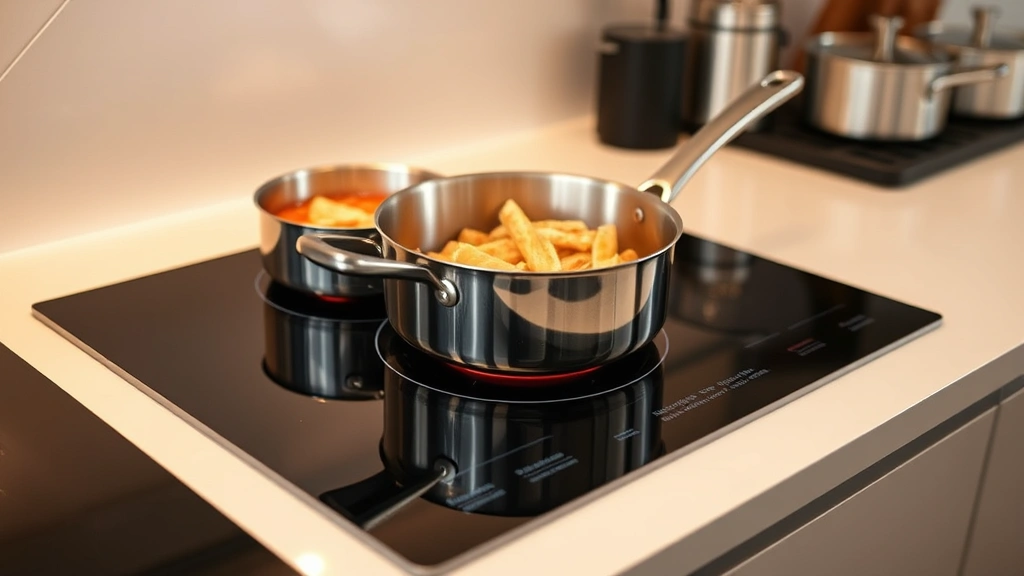
Gas Stove vs. Electric: Which is Greener? Comprehensive Insights
The kitchen has become ground zero for the sustainability debate, and few appliances spark as much controversy as the humble stove. Whether you’re renovating your home or simply curious about your environmental impact, the choice between a gas stove and an electric model carries significant ecological implications. This isn’t merely about cooking efficiency—it’s about understanding your carbon footprint, indoor air quality, and contribution to climate change.
For decades, gas stoves have dominated American kitchens, praised for their instant heat and responsive cooking. Yet mounting evidence suggests that electric alternatives, particularly induction cooktops, may offer superior environmental benefits. The answer, however, isn’t straightforward. It depends on your regional energy grid, cooking habits, and long-term sustainability goals. In this comprehensive guide, we’ll examine both sides of this increasingly important conversation.
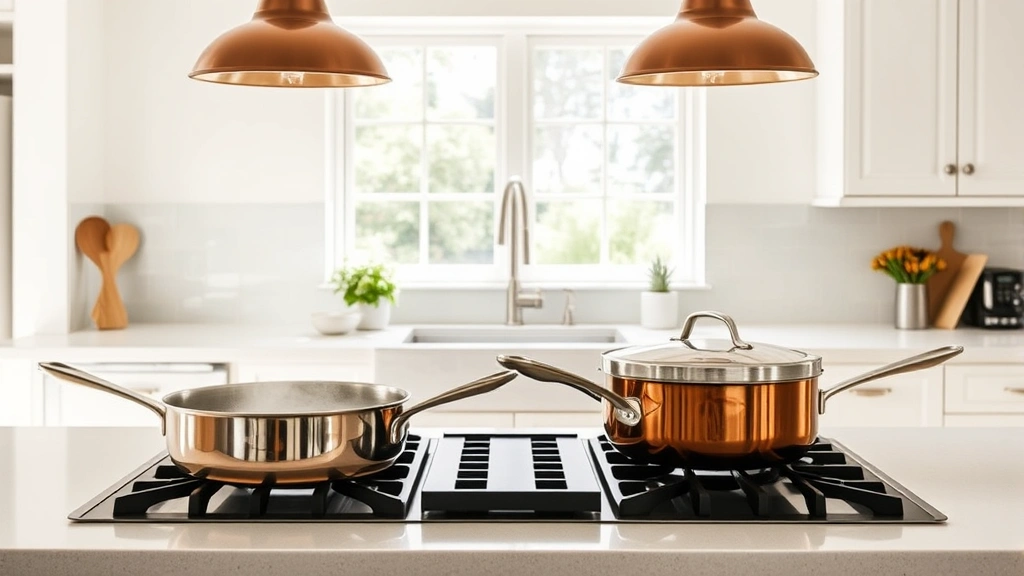
Emissions Comparison: Direct vs. Indirect
When evaluating which cooking method is greener, we must distinguish between direct emissions and indirect (or embodied) emissions. Gas stoves produce immediate carbon dioxide and methane during operation—methane being approximately 80 times more potent than CO2 over a 20-year period. A typical household gas stove releases between 0.5 to 2 metric tons of CO2 equivalent annually, depending on usage frequency.
Electric stoves, conversely, produce zero direct emissions at the point of use. However, they generate indirect emissions based on how your regional power grid generates electricity. If your electricity comes primarily from renewable sources like wind, solar, or hydroelectric facilities, an electric stove becomes substantially greener. Conversely, if your grid relies heavily on fossil fuels, the environmental advantage narrows considerably.
According to research from the EPA, approximately 42% of U.S. electricity still comes from fossil fuels, though this percentage continues declining. This means that even in regions with dirtier grids, electric stoves typically produce fewer emissions than gas counterparts over their lifetime. The key advantage of electric cooking is that as your grid becomes cleaner—which it inevitably will—your stove automatically becomes greener without any action on your part.
Induction cooktops represent the pinnacle of electric cooking technology. They transfer energy directly to cookware through electromagnetic fields, achieving 85-90% energy efficiency compared to 70-75% for conventional electric coils and merely 40-55% for gas burners. This efficiency advantage translates directly into lower energy consumption and reduced emissions.
Energy Efficiency and Heat Transfer
Energy efficiency represents perhaps the most compelling argument for electric cooking. Gas stoves waste substantial heat—much of the energy dissipates into the surrounding air rather than transferring to your cookware. This inefficiency is inherent to the combustion process and represents a fundamental physics limitation.
Consider this practical scenario: boiling water on a gas burner requires significantly more time and energy than on an induction cooktop. The induction method heats cookware directly, meaning almost no wasted heat. A study by the National Renewable Energy Laboratory found that induction cooking reduces cooking energy consumption by approximately 10-25% compared to conventional electric coils, with even greater savings versus gas.
The efficiency advantage extends beyond individual cooking sessions. Over a year of regular cooking, the cumulative energy savings from induction cooking can prevent hundreds of pounds of CO2 emissions. For families that cook frequently, these savings become even more pronounced. Furthermore, induction cooktops maintain superior temperature control, reducing the likelihood of overheating and wasting energy through excessive heat output.
Gas stoves’ lower efficiency partly explains why many environmental organizations and climate scientists advocate for electrification of cooking. The International Energy Agency has identified kitchen electrification as a significant opportunity for reducing residential energy consumption and greenhouse gas emissions globally.
Regional Energy Grid Considerations
Your geographic location dramatically influences the environmental calculus between gas and electric cooking. If you live in a region powered primarily by renewable energy—such as California, New York, or the Pacific Northwest—switching to electric cooking yields immediate, substantial environmental benefits. Conversely, in regions relying on coal or natural gas generation, the benefits accumulate more gradually as grids transition toward cleaner sources.
Several factors determine your grid’s composition: regional renewable energy capacity, state energy policies, utility company practices, and infrastructure investments. You can discover your region’s energy mix by checking your utility company’s website or consulting resources like the U.S. Energy Information Administration. This information proves invaluable when making informed decisions about sustainable energy solutions for your home.
The encouraging reality is that grids are becoming cleaner nationwide. The percentage of renewable energy in U.S. electricity generation has grown from approximately 9% in 2010 to over 21% in 2023, with projections suggesting continued acceleration. This trend means that even if your current grid isn’t optimal, an electric stove becomes increasingly green each year without requiring any action from you.
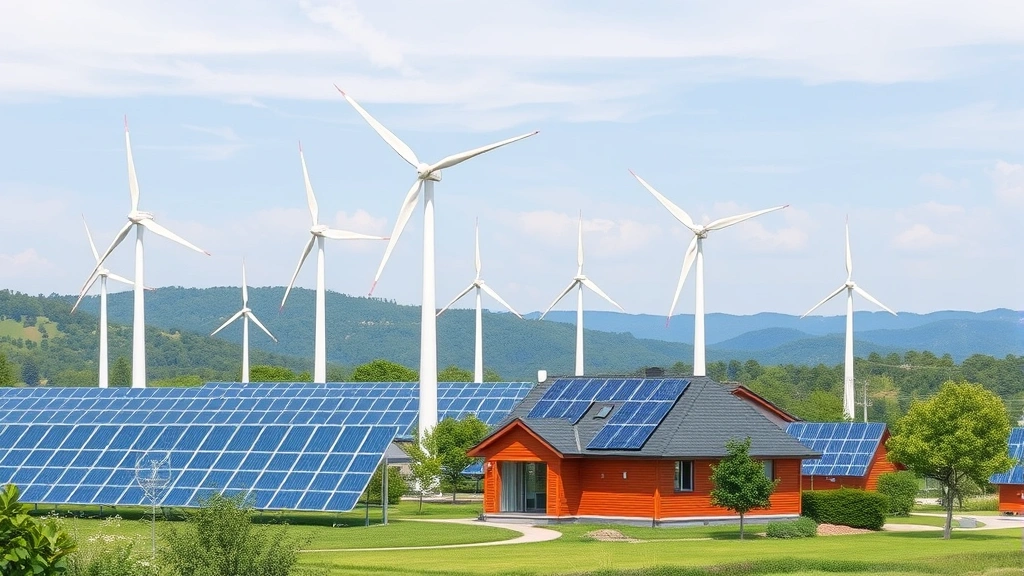
Some homeowners in areas with dirtier grids consider combining electric cooking with rooftop solar panels. This combination provides maximum environmental benefit, essentially making your cooking carbon-neutral. While requiring upfront investment, such systems offer long-term sustainability aligned with comprehensive environmental footprint reduction strategies.
Indoor Air Quality and Health
Beyond climate considerations, gas stoves pose direct health risks that electric alternatives eliminate. Gas combustion releases nitrogen dioxide (NO2), formaldehyde, and other volatile organic compounds directly into your kitchen. These pollutants accumulate during cooking, particularly in homes with poor ventilation, creating indoor air quality problems that exceed outdoor pollution standards in many cases.
Research published in peer-reviewed environmental health journals demonstrates that children living in homes with gas stoves experience higher rates of asthma and respiratory illness. The American Academy of Pediatrics has expressed concern about residential gas stove use, particularly for families with children or individuals with existing respiratory conditions. These health costs represent an external environmental impact rarely discussed in sustainability conversations.
Electric and induction cooktops produce no combustion byproducts, maintaining superior indoor air quality. Homes using electric cooking require less ventilation intensity, reducing energy loss through exhaust fans and improving overall energy efficiency. This dual benefit—better health outcomes and lower energy consumption—provides compelling justification for electrification.
The health argument becomes especially relevant when considering the definition of sustainability, which encompasses not just environmental protection but human wellbeing and equity. Choosing electric cooking contributes to healthier homes while simultaneously reducing your ecological impact.
Lifecycle Environmental Impact
Comprehensive environmental assessment requires examining the entire lifecycle of cooking appliances, from manufacturing through end-of-life recycling. Gas stoves require metal fabrication, enamel coating, and brass components—processes with significant environmental footprints. Electric and induction cooktops involve similar manufacturing processes, plus additional electronics and copper components for induction models.
However, manufacturing impact pales compared to operational emissions over an appliance’s 15-25 year lifespan. A gas stove’s manufacturing impact is offset by approximately 1-2 years of operational emissions reductions when replaced with an electric alternative. After that break-even point, all environmental benefits accrue entirely to the electric cooktop.
Recycling considerations also favor electric appliances. Most electric stove components—copper, steel, aluminum, and electronics—are readily recyclable. Gas stoves similarly contain recyclable materials, but their combustion components have limited secondary use. Both types can be recycled responsibly, though electric models integrate more valuable materials that justify collection and processing.
The lifecycle analysis strengthens the case for electric cooking, demonstrating that even when accounting for manufacturing impacts, electric stoves deliver superior environmental performance across their operational lifespan. This analysis aligns with broader green technology innovations transforming residential sustainability.
Practical Considerations for Homeowners
While environmental arguments favor electric cooking, practical considerations influence real-world adoption decisions. Gas stoves offer immediate heat response that many professional and passionate home cooks prefer. They function during power outages and don’t require compatible cookware. For some households, these practical advantages justify maintaining gas despite environmental concerns.
Induction cooktops require ferromagnetic cookware—stainless steel and cast iron work well, but aluminum and copper don’t. This compatibility requirement means potential cookware replacement costs. Additionally, induction cooktops produce an audible hum that some find bothersome, and they’re more expensive upfront than conventional electric coils or gas models.
However, these practical barriers diminish with familiarity and technological advancement. Induction technology has improved dramatically, with modern models offering superior temperature control and quiet operation compared to earlier generations. Cookware compatibility has become less problematic as manufacturers increasingly produce induction-compatible options. And while upfront costs exceed gas stoves, operational savings and improved efficiency recoup the investment within 5-10 years for regular cooks.
Renters face particular challenges, as stove selection often falls to landlords prioritizing cost over environmental impact. Advocacy for electric cooking in rental properties represents an underutilized opportunity for climate action. Forward-thinking property owners recognize that electric cooking reduces tenant health risks, improves indoor air quality, and lowers operating costs—creating win-win scenarios that benefit both environmental goals and property values.
The Future of Kitchen Cooking
The trajectory is clear: electric cooking represents the future of residential kitchens. Major cities including New York, Los Angeles, and Seattle have implemented or proposed building codes requiring electric cooking in new construction. These policies reflect growing consensus among environmental scientists, public health experts, and climate advocates that gas stove electrification constitutes essential climate action.
Technological innovation continues improving electric and induction cooking. Hybrid induction-electric cooktops offer flexibility for those transitioning from gas. Smart cooking technology integrates with home energy management systems, optimizing efficiency and enabling demand-response participation that benefits overall grid stability. These advancements make electric cooking increasingly attractive from both environmental and practical perspectives.
The advantages of electric vehicles parallel those of electric cooking—zero direct emissions, improving environmental performance as grids decarbonize, and superior efficiency. Both represent crucial elements of comprehensive residential electrification strategies that enable deep decarbonization necessary for climate goals.
For homeowners committed to sustainability, the choice becomes clear. Whether renovating kitchens or considering appliance replacements, electric and induction cooking represent the environmentally responsible option. The combination of superior efficiency, zero direct emissions, health benefits, and declining costs makes electric cooking the smart choice for environmentally conscious households.
FAQ
Are induction cooktops really more environmentally friendly than gas stoves?
Yes, substantially. Induction cooktops achieve 85-90% energy efficiency compared to 40-55% for gas burners. Even accounting for grid electricity generation, this efficiency advantage typically results in lower lifetime emissions. The advantage increases as grids become cleaner, and in regions with renewable-heavy grids, the environmental benefit is immediate and dramatic.
What if my region’s electricity comes from coal?
Even in coal-heavy regions, electric cooking typically produces fewer lifetime emissions than gas. More importantly, your grid is transitioning toward cleaner sources, meaning your electric stove automatically becomes greener annually. Additionally, the health benefits of eliminating indoor air pollution from gas combustion provide immediate value regardless of grid composition.
Can I use my current cookware with induction cooktops?
Only ferromagnetic cookware works with induction—stainless steel and cast iron are compatible, but aluminum and copper aren’t. However, most households already own compatible cookware, and replacement options are affordable and widely available. Induction-compatible cookware has become mainstream, making this practical barrier minimal.
How much will switching to electric cooking cost?
Induction cooktops range from $500-$3,000 depending on size and features, compared to $400-$1,500 for gas stoves. Installation costs vary based on existing infrastructure, but over 5-10 years, operational savings typically recover the upfront investment. Additionally, improved home value and health benefits provide additional returns.
Will switching to electric cooking actually reduce my carbon footprint?
Absolutely. Even in regions with fossil fuel-heavy grids, electric cooking produces approximately 20-30% fewer lifetime emissions than gas. In regions with renewable energy, the reduction exceeds 50-70%. The environmental benefit grows annually as grids decarbonize, making electric cooking an increasingly smart climate action.
Are there any situations where gas cooking remains preferable?
For professional chefs and passionate home cooks, gas’s immediate heat response and flame visibility offer genuine advantages. However, modern induction cooktops have narrowed this gap considerably. For most home cooks, electric cooking’s environmental and health benefits substantially outweigh any performance differences.


