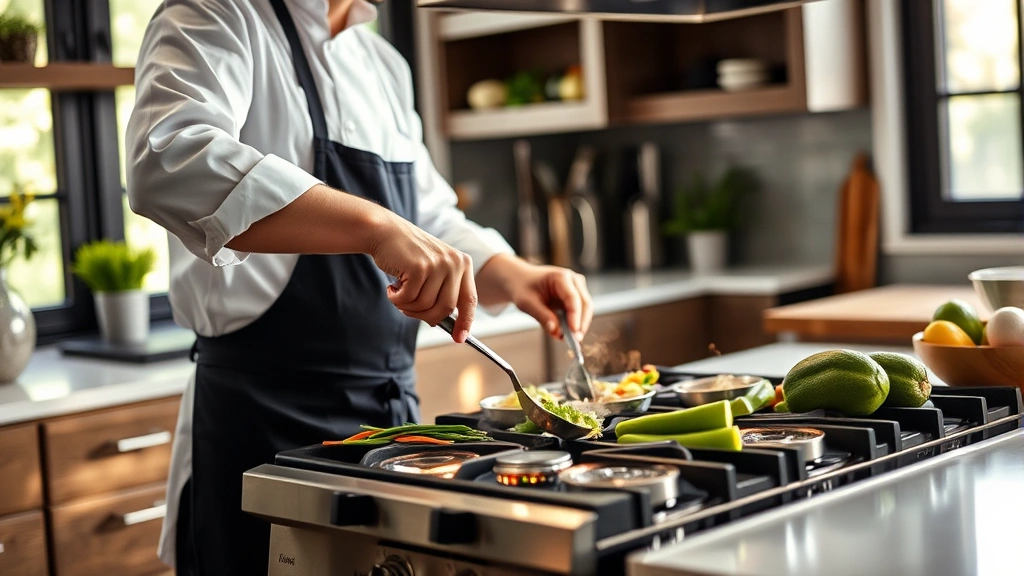
Best 30″ Gas Stoves: Chef Recommendations for Performance & Sustainability
Choosing the right 30-inch gas stove involves balancing culinary performance with environmental responsibility. Professional chefs and home cooks alike recognize that a quality gas range delivers precise temperature control and immediate heat response—critical features for serious cooking. However, modern consumers increasingly care about energy efficiency and the carbon footprint of their kitchen appliances. This guide explores the intersection of professional-grade cooking and sustainable kitchen practices, helping you select a 30″ gas stove that doesn’t compromise on either front.
As you evaluate options, consider how your stove choice contributes to your overall household energy consumption. Gas stoves remain popular among chefs for their responsiveness, but understanding their environmental impact and efficiency ratings ensures you make an informed decision aligned with your values.
Why Professional Chefs Choose 30-Inch Gas Stoves
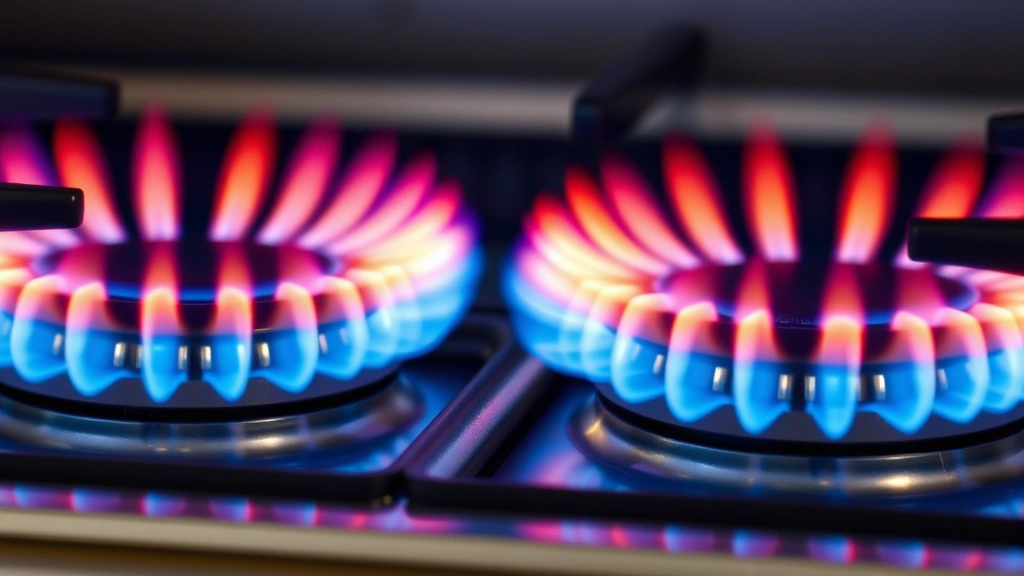
Professional chefs consistently prefer gas stoves because of their unmatched responsiveness and precise heat control. Unlike electric coils or smooth-top ranges, gas flames provide immediate feedback—you can adjust heat intensity instantaneously by simply turning a knob. This responsiveness is essential for techniques like searing, sautéing, and maintaining delicate sauces at exact temperatures.
The 30-inch configuration represents the sweet spot for many home cooks and professional kitchens. It’s wide enough to accommodate multiple burners and a generous oven capacity without consuming excessive counter space. Most residential kitchens can accommodate a 30″ gas stove within standard cabinet openings, making it the most practical size for serious home cooking enthusiasts.
Chef recommendations frequently emphasize the importance of even heat distribution across burners and the reliability of ignition systems. A quality 30-inch gas stove should feature sealed burners that prevent spills from reaching heating elements beneath—a design that improves both safety and longevity. Additionally, professional-grade models typically include heavy-duty grates and continuous cooking surfaces that accommodate various cookware sizes and shapes.
As part of your journey to reduce your environmental footprint, selecting a durable, high-quality stove means you’ll replace it less frequently, reducing waste and manufacturing emissions associated with repeated replacements.
Energy Efficiency and Environmental Considerations
While gas stoves are preferred by chefs, their environmental impact deserves careful consideration. Natural gas combustion produces carbon dioxide and methane, contributing to climate change. However, gas cooking remains more efficient than electric resistance cooking in terms of energy transfer—approximately 75% of gas flame heat transfers to cookware, compared to 65-75% for electric coils.
The Environmental Protection Agency (EPA) doesn’t currently mandate energy efficiency standards for gas stoves, though this may change. Consumers interested in reducing kitchen-related emissions should look for models with electronic ignition systems rather than pilot lights—electronic ignition uses significantly less gas by eliminating the need for a constantly burning flame.
Exploring sustainable energy solutions for your kitchen might include pairing your gas stove with renewable energy sources. If your home uses solar panels or wind power, the electricity powering your stove’s ignition system comes from clean sources. Some homeowners also consider induction cooktops as an alternative, though gas cooking remains superior for certain techniques.
Consider the complete lifecycle of your appliance. A well-built 30-inch gas stove lasting 15-20 years has a lower per-year environmental impact than cheaper models requiring replacement every 5-7 years. Manufacturing new appliances consumes significant resources and energy, making durability a genuine sustainability factor.
Top-Rated 30″ Gas Stove Models
Several manufacturers consistently receive chef endorsements for their 30-inch gas stoves. Viking Professional models are renowned for their powerful burners (up to 18,000 BTU) and commercial-grade construction. These ranges feature sealed burners, continuous grates, and precision temperature control—ideal for serious home cooks. However, Viking stoves represent a premium investment.
Thermador offers exceptional 30″ gas ranges with features like star-shaped burners that distribute heat evenly and convection ovens that cook more efficiently than conventional models. Thermador’s commitment to quality ensures these stoves maintain performance for decades.
Bertazzoni combines Italian design with professional performance, offering 30-inch models with powerful burners, spacious ovens, and attractive finishes that enhance kitchen aesthetics. These ranges are built to last and maintain their value.
LG and GE provide more accessible price points without sacrificing quality. Their 30-inch gas ranges include modern features like WiFi connectivity and convection ovens, making them excellent choices for budget-conscious consumers seeking reliability.
Cafe brand, owned by GE, bridges the gap between professional and consumer models, offering stylish 30-inch gas stoves with excellent performance and reasonable pricing.
When evaluating models, verify that your kitchen’s gas line can support the BTU demands of high-powered burners. Consult with a licensed gas installer to ensure proper sizing and safety compliance.
BTU Output and Cooking Performance
BTU (British Thermal Units) measures the heat output of each burner. Professional-grade 30-inch gas stoves typically feature at least one high-output burner ranging from 15,000 to 18,000 BTU for searing and rapid boiling. Medium burners usually range from 9,000 to 12,000 BTU, while simmer burners provide 3,500 to 5,000 BTU for delicate cooking tasks.
Higher BTU doesn’t automatically mean better cooking. Instead, burner versatility matters most. A quality 30-inch gas stove should offer multiple burner sizes with distinct purposes—powerful burners for searing steaks, medium burners for everyday cooking, and low-output burners for simmering sauces. This variety allows precise heat control for any recipe.
Flame distribution quality also affects performance. Look for stoves with sealed burners that contain spills and prevent debris from damaging ignition mechanisms. Continuous grates allow you to slide pots across the cooking surface without lifting them, improving safety and convenience.
Convection ovens, increasingly common in 30-inch models, distribute heat more evenly than conventional ovens, reducing cooking time and energy consumption. This feature aligns with sustainability goals by using less gas to achieve superior results.
Features That Matter for Sustainability
Several features distinguish sustainable 30-inch gas stoves from standard models. Electronic ignition systems eliminate pilot lights, reducing gas consumption by 30-40% compared to traditional models. This seemingly small change has significant long-term environmental and financial impacts.
Convection cooking represents another sustainability advantage. By circulating heated air, convection ovens cook food 25% faster than conventional ovens while using less gas. Over years of cooking, this efficiency improvement reduces your household’s carbon footprint.
Precise temperature control prevents energy waste from overshooting desired heat levels. Digital controls on modern stoves allow exact temperature settings, minimizing trial-and-error adjustments that waste fuel.
Insulated ovens retain heat more effectively, requiring less gas to maintain cooking temperatures. Quality insulation reduces heat loss and improves energy efficiency.
Self-cleaning ovens, while using energy during the cleaning cycle, extend appliance lifespan by maintaining peak performance. Preventing degradation of internal components reduces the likelihood of early replacement and associated manufacturing waste.
As you consider your purchase, review our guide on green technology innovations transforming our future to understand how modern appliances incorporate sustainability features.
Installation and Ventilation Best Practices
Proper installation of your 30-inch gas stove is crucial for both safety and efficiency. Professional installation ensures your gas line delivers adequate pressure and volume to support the stove’s burners. Undersized gas lines restrict flow, reducing burner performance and increasing safety risks.
Ventilation systems significantly impact your home’s energy efficiency. A properly sized range hood with adequate CFM (cubic feet per minute) rating removes cooking odors and moisture without over-venting conditioned air. Under-venting creates indoor air quality issues; over-venting wastes heated or cooled air, increasing HVAC energy consumption.
Consider downdraft ventilation systems as an alternative to traditional range hoods. These systems draw air downward through the cooktop, requiring less ductwork and reducing unwanted air removal from your home. While downdraft systems can’t match traditional hoods for performance, they offer energy efficiency benefits.
Proper clearances around your stove ensure safe operation. Most building codes require specific distances between the stove and surrounding cabinets or walls. These clearances allow adequate air circulation and reduce fire risks.
If your home uses propane instead of natural gas, ensure your stove is rated for propane use. Different fuel types require different orifice sizes and pressure regulators. Using natural gas equipment with propane, or vice versa, creates serious safety hazards.
Maintenance Tips for Longevity
Extending your 30-inch gas stove’s lifespan through proper maintenance reduces the environmental impact of eventual replacement. Regular cleaning prevents buildup that can damage burners and reduce efficiency. Clean burner caps and grates after spills to prevent corrosion and maintain optimal performance.
Check ignition systems regularly. Modern electronic ignition systems are generally reliable, but occasional clicking when attempting to light indicates potential issues. Professional servicing addresses ignition problems before they prevent stove operation.
Inspect gas connections annually. Look for signs of leaks—a distinctive rotten egg smell indicates escaping gas. If you suspect a leak, turn off the gas at the meter and call your gas utility immediately. Never attempt to repair gas connections yourself.
Clean oven interiors periodically. Food residue buildup reduces oven efficiency and can create unpleasant odors. Self-cleaning cycles use significant energy, so periodic manual cleaning between cycles maintains performance while minimizing energy use.
Replace seals and gaskets when they wear. Worn door seals allow heat escape, reducing oven efficiency. New seals are inexpensive and easy to install, providing immediate energy savings.
Have professional service annually. Certified technicians can identify developing problems before they cause damage. Regular maintenance costs far less than repairs or replacement.
Understanding the definition of sustainability includes recognizing that maintaining what you own—rather than constantly replacing items—represents a fundamental sustainability principle. Your commitment to maintaining your gas stove embodies this philosophy.
FAQ
Are 30-inch gas stoves better than electric for cooking?
Gas stoves offer superior temperature control and immediate responsiveness, making them preferred by professional chefs. However, electric and induction cooktops have advantages too. Electric coils are affordable and durable; induction cooktops are extremely efficient and safe. The best choice depends on your cooking style and priorities.
What size gas line do I need for a 30-inch stove?
Gas line sizing depends on your stove’s total BTU requirements and the distance from your meter. A licensed gas installer should calculate proper line size. Generally, 30-inch stoves require 3/4-inch or 1-inch lines, but this varies by location and other gas appliances in your home.
How much does a quality 30-inch gas stove cost?
Quality 30-inch gas stoves range from $1,500 to $5,000+, depending on brand, materials, and features. Professional-grade models like Viking cost more but offer superior durability. Mid-range brands like Thermador and Bertazzoni ($2,000-$3,500) provide excellent value. Budget options from GE and LG start around $1,000-$1,500.
Can I convert my electric stove to gas?
Converting from electric to gas requires extensive work: running a gas line to your kitchen, upgrading electrical service for ignition systems, and potentially reconfiguring cabinetry. This renovation typically costs $2,000-$5,000+ in addition to the stove itself. Most homeowners find it more practical to replace existing electric stoves with gas models during kitchen renovations.
What’s the difference between sealed and unsealed burners?
Sealed burners contain spills within the burner box, preventing food and liquids from reaching heating elements. Unsealed burners allow spills to reach the burner base, creating cleaning challenges and potential maintenance issues. Sealed burners are superior for longevity and safety.
Do gas stoves increase indoor air pollution?
Gas stoves produce nitrogen dioxide and other combustion byproducts. Proper ventilation removes these emissions. The Consumer Product Safety Commission (CPSC) recommends using range hoods during cooking. Adequate ventilation prevents indoor air quality issues while maintaining kitchen comfort.
How do I choose between convection and conventional ovens?
Convection ovens cook 25% faster and more evenly due to circulating air. They’re ideal for baking and roasting. Conventional ovens use less energy during the cooking cycle but require longer cooking times. Many 30-inch stoves offer both modes, allowing flexibility for different recipes.
What maintenance prevents gas stove problems?
Regular cleaning of burner caps and grates, annual professional inspections, prompt repair of ignition issues, and checking gas connections prevent most problems. These simple steps extend appliance lifespan significantly.
For more insights on creating a sustainable home, explore our SustainWise Hub Blog for additional resources on energy-efficient appliances and eco-conscious living choices.
Are there eco-friendly gas stove options?
While all gas stoves use fossil fuels, models with electronic ignition, convection ovens, and superior insulation minimize environmental impact. Pairing your stove with renewable energy sources and using it efficiently further reduces your carbon footprint. Consider exploring advantages of electric vehicles and other sustainable technology choices to balance your household’s overall environmental impact.
How long should a quality gas stove last?
Well-maintained quality gas stoves typically last 15-20 years. Professional-grade models often exceed 20 years with proper care. Cheaper models may fail within 5-10 years. Investing in quality and maintaining your stove properly maximizes its lifespan and minimizes replacement waste.


