Make Biogas at Home? A Beginner’s Guide to DIY Anaerobic Digestion
Biogas production at home represents one of the most practical and rewarding sustainable energy solutions available to eco-conscious homeowners. By converting organic waste into renewable energy, you’re not only reducing your carbon footprint but also creating a closed-loop system that mimics nature’s own recycling mechanisms. This guide explores how to make biogas from kitchen and garden waste, turning what would otherwise become landfill into valuable fuel.
The concept of biogas isn’t new—it’s been used for centuries in agricultural communities. What’s changed is the accessibility and simplicity of home-scale systems. Whether you have a small urban garden or a suburban property, you can harness anaerobic digestion to generate methane gas for cooking, heating, or electricity generation. This beginner’s guide walks you through everything you need to know about starting your own biogas digester, from understanding the science to selecting materials and troubleshooting common issues.
What is Biogas and How Does It Work?
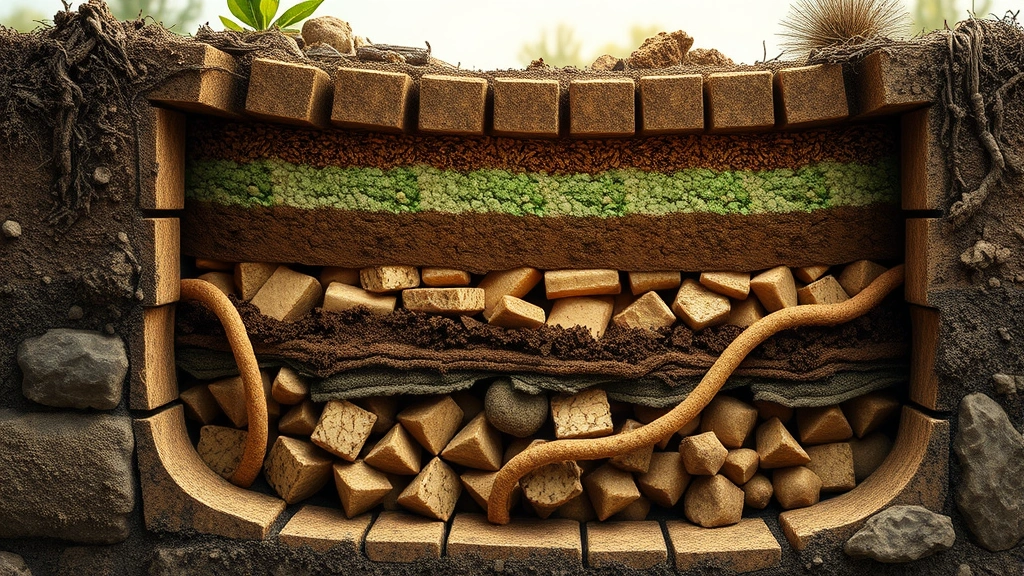
Biogas is a renewable energy source produced through anaerobic digestion—a natural biological process where microorganisms break down organic matter in the absence of oxygen. This decomposition process generates a mixture of gases, primarily methane (50-70%) and carbon dioxide (30-50%), with trace amounts of hydrogen sulfide and water vapor. The methane component is what makes biogas valuable as a fuel source, as it has similar combustion properties to natural gas.
The anaerobic digestion process occurs in four distinct phases: hydrolysis, acidogenesis, acetogenesis, and methanogenesis. During hydrolysis, complex organic compounds break down into simpler molecules. Acidogenic bacteria then convert these into volatile fatty acids. Acetogens transform these acids further, and finally, methanogenic archaea produce the methane gas we harvest. Understanding these stages helps you maintain optimal conditions in your digester and maximize gas production.
Temperature plays a crucial role in biogas production. Mesophilic digestion (operating at 20-40°C) is slower but more stable and suitable for most home systems. Thermophilic digestion (50-60°C) produces more gas but requires careful temperature control and more energy investment. For beginners, mesophilic systems are recommended due to their resilience and lower operational demands.
Why Make Biogas at Home?
Creating biogas at home offers multiple compelling benefits that align with broader environmental footprint reduction goals. First and foremost, biogas production diverts organic waste from landfills where it would decompose anaerobically and release methane—a greenhouse gas 28-34 times more potent than carbon dioxide over a 100-year period. By capturing this methane intentionally, you’re preventing atmospheric emissions while harnessing its energy value.
The economic advantages are equally significant. A functional home biogas digester can reduce your cooking fuel consumption by 50-80%, translating to substantial savings on electricity or gas bills. In developing nations, biogas systems have proven transformative, but even in developed countries, the long-term savings justify the initial investment. Additionally, the digestate (leftover material after digestion) is an excellent organic fertilizer, eliminating the need for chemical fertilizers and further reducing your environmental impact.
From a waste management perspective, home biogas digesters handle multiple waste streams: kitchen scraps, animal manure, garden waste, and even greywater in some systems. This integrated approach to waste management embodies the principles of sustainability by creating a circular economy at the household level. You’re essentially closing nutrient cycles and maximizing resource efficiency.
Beyond the practical benefits, producing your own biogas represents energy independence. You’re no longer entirely dependent on centralized energy infrastructure, which enhances resilience during supply disruptions. This aligns with the broader movement toward green technology innovations that empower individuals to take control of their energy future.
Types of Home Biogas Digesters
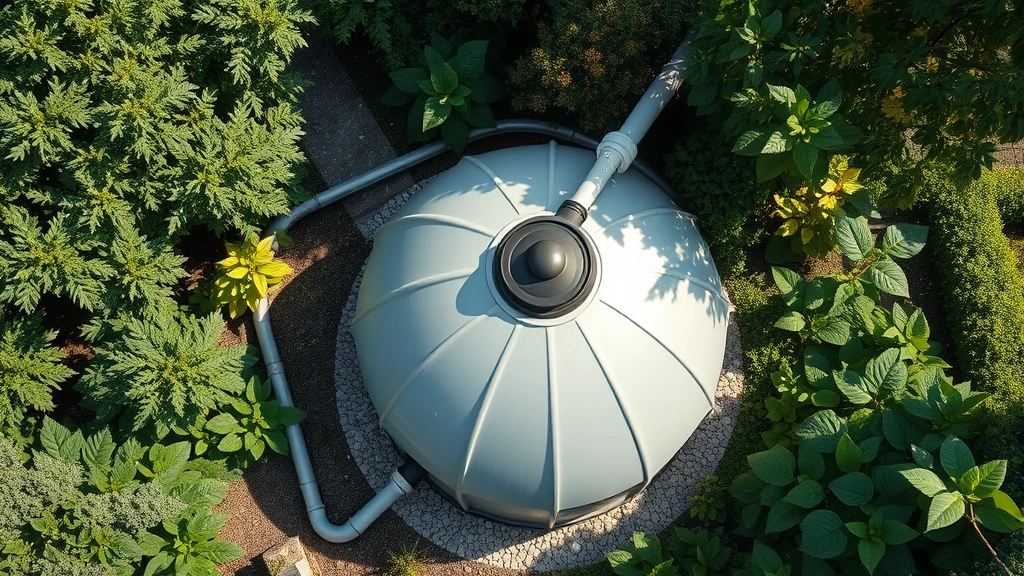
Several digester designs are suitable for home-scale operations, each with distinct advantages and limitations. The fixed-dome digester is a traditional, low-cost design where the digestion chamber is built underground with a hemispherical roof. Gas collects at the top of the dome and is drawn off through pipes. This design is durable and requires minimal moving parts, making it ideal for long-term reliability. However, it’s difficult to modify or repair once constructed.
The floating-drum digester features a cylindrical digestion chamber with a drum that floats on top of the slurry. As gas is produced, the drum rises; as gas is used, it falls. This design automatically maintains consistent gas pressure and is easier to maintain than fixed-dome systems. The main drawback is that the floating drum requires regular maintenance and may corrode over time, especially in humid climates.
For urban environments or properties with space constraints, modular or prefabricated digesters offer plug-and-play solutions. These commercial systems are engineered for efficiency and often include temperature control, automated feeding systems, and integrated gas storage. While more expensive initially, they require less technical expertise to operate and maintain.
The bag digester represents the most accessible option for beginners. These simple systems use a sealed plastic bag or tube where feedstock ferments anaerobically. They’re inexpensive (often under $200), require minimal construction, and work well for small-scale household operations. However, they have shorter lifespans (3-5 years) and lower gas production compared to permanent installations.
Choosing the right digester type depends on your climate, available space, budget, budget, feedstock availability, and technical comfort level. Beginners often start with bag digesters to learn the process before investing in permanent infrastructure.
Materials and Equipment You’ll Need
Building a basic fixed-dome or floating-drum digester requires specific materials. For a small household system (1-3 cubic meters capacity), you’ll need: a food-grade plastic or cement tank, inlet and outlet pipes (typically PVC, 25-50mm diameter), gas outlet pipes, a gas storage bag or tank, a pressure gauge, a thermometer, safety valves, and various fittings and connectors.
The digestion vessel itself is your largest investment. Food-grade plastic tanks offer durability and ease of installation but may degrade under UV exposure if installed above ground. Concrete tanks are more permanent but require professional construction. Some homeowners repurpose old water tanks or barrels, though these must be thoroughly cleaned and food-safe.
Gas storage and handling equipment is critical for safety and efficiency. A biogas storage bag (made from reinforced PVC or rubber) collects gas for later use. These typically range from 50 to 500 liters in capacity. For cooking applications, you’ll need a gas stove or burner compatible with biogas, which differs slightly from natural gas appliances. Many traditional gas stoves work with biogas, but some modifications may be necessary.
Additional equipment includes a water trap to remove condensation from the gas line (moisture damages equipment and reduces gas quality), a safety relief valve to prevent excessive pressure buildup, and a flame trap to prevent backflash into the digester. These safety components are non-negotiable, even in small systems.
For monitoring and optimization, invest in a basic thermometer, pH test strips, and a simple gas pressure gauge. These tools help you understand your system’s performance and troubleshoot issues. Many advanced systems include automated temperature controls and data logging, but these aren’t necessary for beginners.
Step-by-Step Installation Guide
Site Selection: Choose a location that’s relatively close to your kitchen (to minimize gas line length) but away from living spaces due to odor potential. The site should be sheltered from extreme weather, well-drained, and ideally in partial shade for temperature stability. Avoid areas prone to flooding or waterlogging, as this compromises the system’s integrity.
Digester Construction: If building a fixed-dome system, prepare a pit approximately 1.5-2 meters deep and 1-1.5 meters in diameter for a household system. Line it with plastic sheeting or brick and cement. Install inlet and outlet pipes at appropriate heights (inlet near the bottom, outlet higher to allow continuous feeding). The dome structure can be constructed from brick, concrete, or formed plastic.
Plumbing Setup: Connect your inlet pipe to the kitchen or feedstock collection area. Install the outlet pipe to direct digestate to a collection container for use as fertilizer. The gas outlet should be fitted with a water trap first, then connected to your gas storage bag. Ensure all connections are airtight using appropriate sealants and fittings. Test all connections with soapy water to identify leaks before operation.
Gas Line Installation: Run gas lines from the digester outlet through the water trap, then to your storage bag or directly to cooking appliances. Use appropriate diameter tubing (usually 12-16mm) to minimize pressure drop. Install a pressure gauge near the storage bag to monitor gas accumulation. Add a safety relief valve set to open at 20-30 mbar to prevent over-pressurization.
Inoculation: Before adding feedstock, inoculate your digester with active anaerobic bacteria. The best source is fresh cow or pig manure from a local farm. Add 10-20% of your total digester volume as inoculant, mixed with water. This jumpstarts the microbial community needed for efficient digestion.
Initial Startup: Begin with small daily additions of feedstock (0.5-1 kg per day for a 1-cubic-meter digester) rather than filling it completely. Gradually increase feeding over 2-4 weeks to avoid shocking the system. Initial gas production may take 2-4 weeks as the microbial community establishes itself.
Feedstock Selection and Management
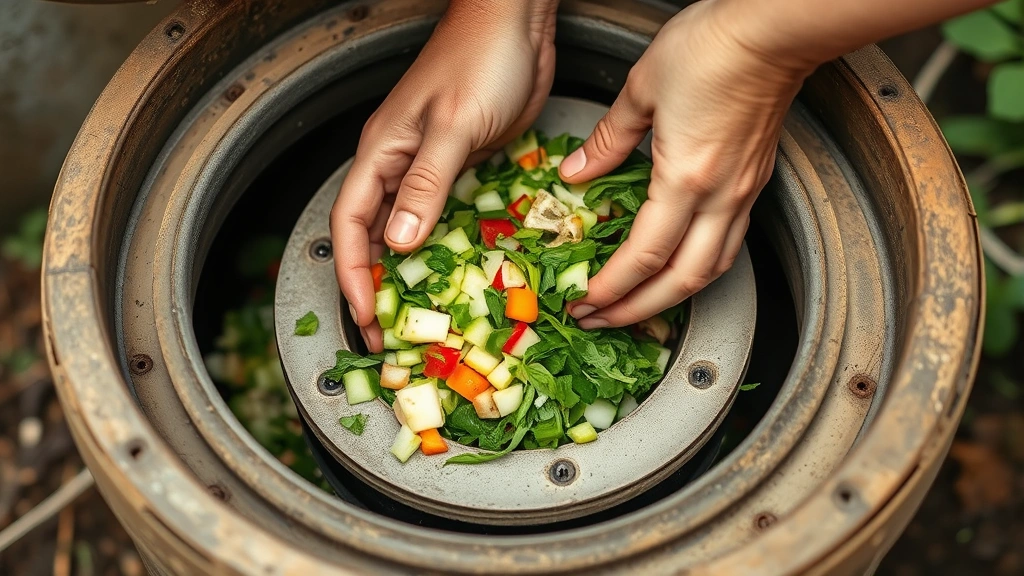
The quality and composition of your feedstock dramatically affects biogas production rates and system stability. Ideal feedstocks include food scraps (vegetable peels, fruit waste, grains), garden waste (grass clippings, leaves, plant trimmings), animal manure (especially from cattle, pigs, or chickens), and agricultural residues. These materials are rich in carbon and nitrogen, supporting robust microbial activity.
Avoid feeding meat, bones, dairy products, oils, and fats in large quantities, as these decompose slowly and can create blockages or acidification. Similarly, diseased plants and herbicide-treated grass should be excluded. Salt, spices, and heavily processed foods can inhibit microbial growth. Plastics, metals, and glass are obviously problematic and should never enter the system.
The carbon-to-nitrogen (C:N) ratio significantly influences digestion efficiency. An optimal ratio is approximately 20-30:1. High-carbon materials (dry leaves, paper, cardboard) should be balanced with nitrogen-rich materials (grass clippings, kitchen scraps, manure). Most household waste naturally maintains a reasonable C:N ratio, but monitoring helps optimize gas production.
Feedstock preparation improves digestion efficiency. Chopping or shredding materials increases surface area available to microorganisms, accelerating decomposition. Pre-soaking dry materials helps them hydrate and integrate smoothly into the slurry. Some systems benefit from co-digestion—mixing different feedstock types to achieve better nutrient balance and consistent gas production.
Daily feeding consistency matters more than volume. Regular small additions (rather than sporadic large loads) maintain stable microbial communities and steady gas production. Aim for feeding once or twice daily, adding enough material to replace approximately 5-10% of your digester volume daily. This creates a continuous flow where fresh material enters as stabilized digestate exits.
Operating Your Biogas Digester
Successful digester operation requires consistent monitoring and simple maintenance. Temperature management is your primary concern. For mesophilic systems, maintain temperatures between 30-40°C. In cold climates, you may need passive solar heating (painting the digester black and covering it with transparent plastic) or active heating using a small electric heater powered by solar panels. Temperature fluctuations above 2-3°C per day can stress the microbial community.
Monitor your system’s pH level regularly using test strips. Optimal pH ranges from 6.8-7.4. If pH drops below 6.5, the system has become acidic, indicating overfeeding or inadequate alkalinity. Reduce feeding for several days and add alkaline material (wood ash, crushed limestone, or sodium bicarbonate) to restore balance. Conversely, pH above 7.8 suggests insufficient organic acid production and may indicate underfeeding.
Gas production patterns indicate system health. Expect 0.3-0.5 cubic meters of biogas per kilogram of volatile solids added daily under optimal conditions. If production drops significantly, investigate potential issues: temperature drops, feedstock problems, excessive scum formation, or system imbalance. Keep simple records of daily feeding, gas production, and temperature to identify trends.
Scum management becomes necessary over time as lighter materials float to the surface, forming a crust. Excessive scum reduces active digestion volume and can block gas lines. Gently break up scum layers periodically using a stick or simple tool. Some digesters benefit from periodic stirring to redistribute materials, though this must be done carefully to avoid releasing gases or introducing oxygen.
The digestate removal process depends on your digester design. Fixed-dome systems typically require manual removal through the outlet pipe using a siphon or pump. Floating-drum systems allow continuous withdrawal. Remove digestate regularly (weekly or bi-weekly) to make room for new feedstock. Fresh digestate is excellent fertilizer for gardens and can be applied directly to soil or composted further for odor reduction.
Safety Considerations
Biogas is primarily methane, which is colorless, odorless, and highly flammable. Never ignore safety protocols, as improper handling poses serious risks. Ventilation is essential—never operate a digester in an enclosed space without proper venting. Methane accumulation in poorly ventilated areas creates explosion hazards when ignition sources are present.
Install pressure relief valves on all systems to prevent dangerous pressure buildup. These should be set to open at 20-30 mbar for home systems. Additionally, install flame arrestors (also called backflash arrestors) on gas lines near appliances to prevent flames from traveling back to the digester. These simple devices have saved countless installations from catastrophic failures.
Use only food-grade or non-toxic materials in contact with feedstock and digestate, as these will eventually be applied to food gardens. Avoid treated wood, toxic paints, or materials that leach harmful substances. Similarly, ensure all pipes and fittings are appropriate for the corrosive nature of biogas, which contains hydrogen sulfide that promotes corrosion.
Personal protective equipment should be worn when handling digestate or working on the system. Gloves, eye protection, and potentially respiratory protection (if odors are strong) are recommended. Digestate can contain pathogens, so hand hygiene after handling is important. Never work on the system alone; always have someone nearby who knows your location.
Have the system inspected annually by someone knowledgeable about biogas systems. Look for signs of corrosion, pipe degradation, cracks in the digester vessel, or gas leaks. Address any issues immediately—small problems escalate quickly with pressurized gas systems. Keep fire extinguishers rated for flammable gas fires (Class C) near your digester and cooking appliance.
FAQ
How much biogas can a home digester produce?
A well-maintained 1-cubic-meter digester fed with 1-2 kg of mixed feedstock daily typically produces 0.3-0.5 cubic meters of biogas daily. This equates to approximately 1-2 hours of cooking per day for an average household. Production varies based on temperature, feedstock quality, and digester efficiency.
Can I use only kitchen scraps in my digester?
Yes, though production will be lower than with mixed feedstocks. Kitchen scraps alone may create nutrient imbalances or acidification. Combining kitchen waste with garden materials and manure (if available) optimizes digestion. Pure kitchen-scrap systems work better in larger, professionally designed digesters.
What’s the lifespan of a home biogas digester?
Fixed-dome and floating-drum digesters typically last 15-25 years with proper maintenance. Plastic bag digesters last 3-5 years before requiring replacement. Longevity depends on material quality, climate exposure, and maintenance consistency.
Is biogas safe for cooking?
Yes, biogas is safe for cooking when properly cleaned and handled. However, raw biogas contains carbon dioxide and water vapor that reduce flame temperature compared to pure methane. Most gas stoves accommodate this, though you may notice slightly different flame characteristics. Some systems include biogas purification units to remove CO₂ and water, improving performance.
Can I use my digester year-round in cold climates?
Yes, but you’ll need temperature management strategies. Insulating the digester with straw, soil, or foam reduces heat loss. Passive solar heating (dark colors, transparent covers) helps in sunny regions. In extremely cold climates, active heating using solar thermal systems or a small electric heater maintains temperatures. Some regions successfully operate digesters outdoors year-round with proper insulation.
What do I do with the digestate?
Digestate is an excellent organic fertilizer rich in nitrogen, phosphorus, and potassium. Apply it directly to garden beds, use it in composting systems, or age it in a separate bin to further reduce odors. The nutrient content varies based on feedstock composition, but it typically outperforms untreated compost as a soil amendment.
How do I prevent odors from my digester?
Proper operation prevents most odors. Ensure the system remains sealed, maintain consistent temperature, avoid overfeeding, and keep pH balanced. Odors typically indicate system problems: acidification, anaerobic conditions in the outlet, or scum formation. Address the underlying issue rather than masking the smell. Covering the digester with soil or vegetation also reduces odor dispersal.


