Atmos Energy’s Role in Sustainable Gas Solutions
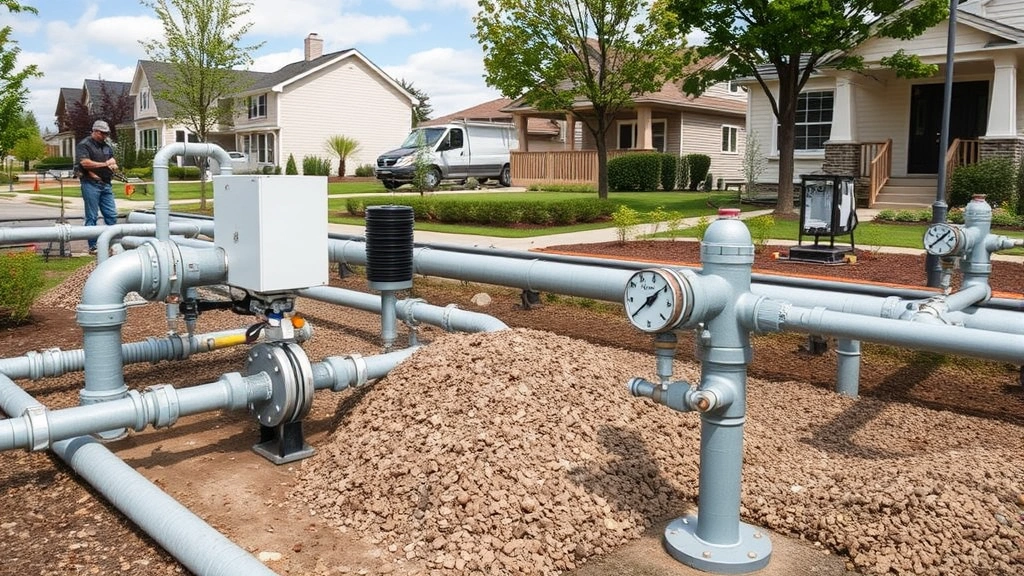
Atmos Energy stands as one of North America’s largest natural gas distributors, serving millions of customers across eight states. As the energy landscape shifts toward sustainability, Atmos Energy has positioned itself as a key player in bridging traditional energy infrastructure with modern environmental responsibility. The company operates approximately 38,000 miles of distribution pipelines, making it a critical component of energy delivery systems nationwide.
The transition to sustainable energy solutions requires partnerships with established utilities that understand both operational efficiency and environmental impact. Atmos Energy’s commitment to modernizing its infrastructure while reducing emissions reflects the broader industry shift toward cleaner gas solutions. This article explores how Atmos Energy contributes to sustainable energy practices, their infrastructure investments, and what this means for consumers seeking environmentally conscious energy options.
Understanding Atmos Energy’s Infrastructure
Atmos Energy operates as a regulated natural gas utility providing safe, reliable energy to approximately 3.3 million customers. The company’s extensive network spans from the Rocky Mountains to the East Coast, with major service territories in Colorado, Kansas, Kentucky, Louisiana, Mississippi, Tennessee, Texas, and Virginia. This geographically diverse presence means Atmos Energy plays a vital role in regional energy security and sustainability planning.
The infrastructure maintained by Atmos Energy includes distribution mains, service lines, and meter systems that collectively represent decades of investment and continuous improvement. Understanding this infrastructure is essential when evaluating how the company contributes to sustainable energy solutions in modern communities. The company operates under strict regulatory oversight that ensures service quality while promoting environmental stewardship.
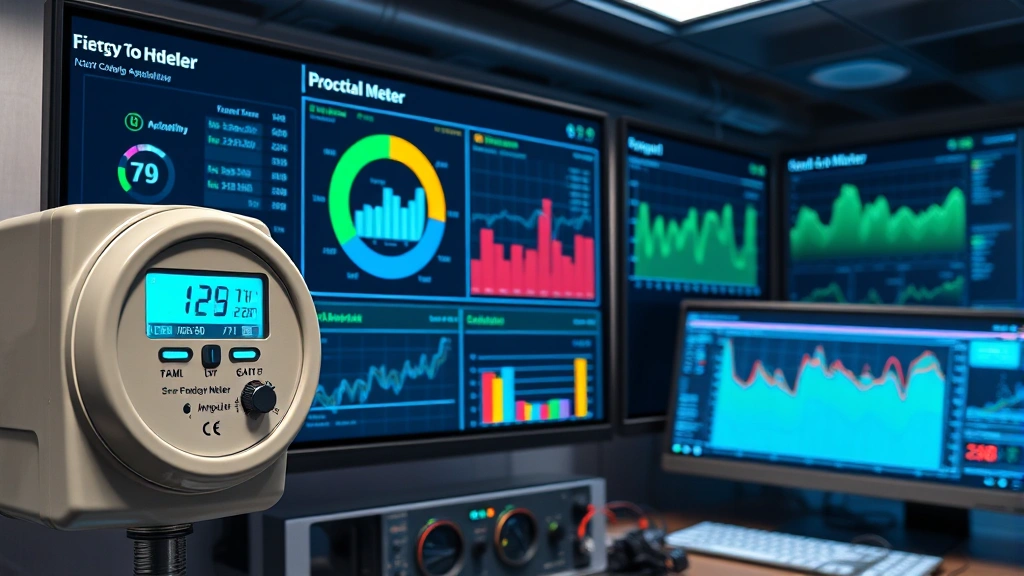
Modern natural gas distribution requires sophisticated monitoring systems, emergency response capabilities, and customer service operations. Atmos Energy has invested substantially in digital technologies that improve safety, reduce waste, and enhance overall system efficiency. These investments demonstrate a commitment to operational excellence that aligns with sustainability principles.
Sustainable Gas Solutions and Innovation
Sustainable gas solutions represent a critical component of the energy transition. Rather than viewing natural gas as a static energy source, Atmos Energy recognizes the need for continuous innovation in how gas is sourced, transported, and utilized. The company’s approach to sustainability encompasses multiple dimensions including infrastructure modernization, emission reduction, and exploration of alternative gas sources.
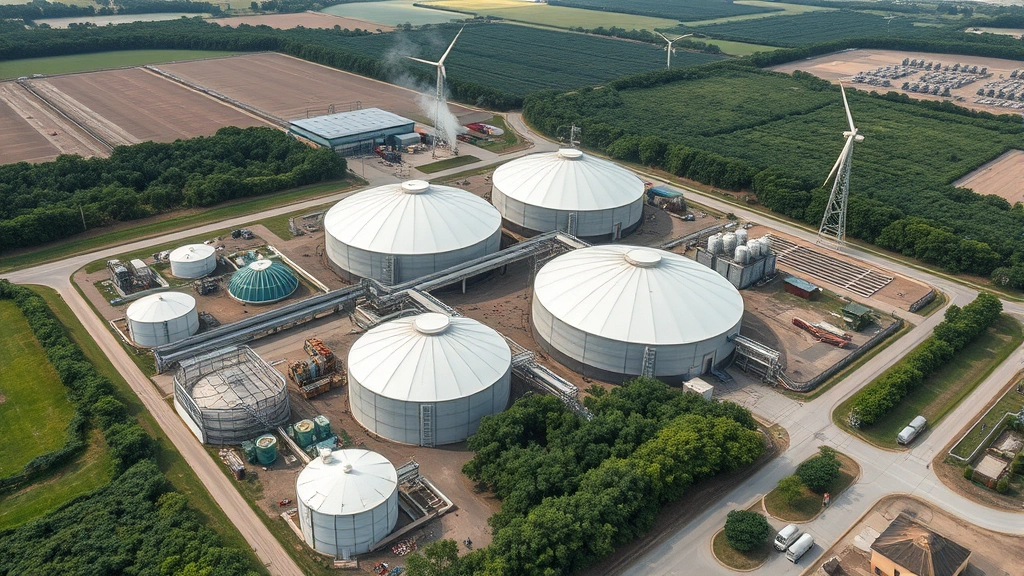
One of the most significant sustainable gas solutions involves the integration of renewable natural gas (RNG) into existing distribution networks. Atmos Energy has begun exploring pathways to blend renewable gas with conventional natural gas, allowing customers to reduce their carbon footprint without requiring new appliances or infrastructure modifications. This approach represents a practical bridge between current energy systems and future sustainability goals.
Innovation at Atmos Energy extends to leak detection technologies that identify and repair methane escapes more quickly than traditional methods. Advanced sensing equipment, drone surveillance, and predictive analytics help the company maintain system integrity while minimizing environmental impact. These technological advances demonstrate how established utilities can modernize their operations to meet contemporary environmental standards.
The company also invests in customer education programs that promote energy efficiency and responsible consumption. By helping customers understand how to use natural gas more efficiently, Atmos Energy supports broader sustainability objectives while reducing overall demand pressure on the system. Visit the SustainWise Hub Blog for additional insights on sustainable energy practices.
Methane Emissions Reduction Initiatives
Methane emissions represent a critical environmental concern, as methane is approximately 28-34 times more potent than carbon dioxide over a 100-year period. Natural gas utilities like Atmos Energy face significant responsibility for minimizing methane leakage throughout their distribution systems. The company has implemented comprehensive programs designed to identify, quantify, and eliminate methane releases.
Atmos Energy’s methane reduction strategy includes systematic inspection of aging pipelines, replacement of leak-prone infrastructure components, and deployment of advanced detection technologies. The company participates in industry initiatives such as the ONE Future Coalition, which brings together natural gas utilities committed to achieving methane emissions reduction targets. These collaborative efforts amplify individual company achievements and create industry-wide momentum toward environmental improvement.
The company has established specific methane reduction goals that align with broader climate objectives. By targeting the most significant sources of methane emissions within their system, Atmos Energy demonstrates measurable progress toward environmental responsibility. Regular reporting and third-party verification ensure transparency and accountability in these initiatives.
Pipeline replacement programs represent one of the most effective methane reduction strategies. Older cast iron and unprotected steel pipelines are more prone to leaking than modern materials. Atmos Energy prioritizes replacement of these vulnerable segments with advanced materials that provide superior durability and environmental performance. This capital-intensive approach reflects long-term commitment to sustainability.
Investment in Pipeline Modernization
Pipeline modernization stands as perhaps the most critical infrastructure investment for sustainable gas operations. Atmos Energy has committed substantial capital to replacing and upgrading its distribution and transmission infrastructure. These investments serve multiple purposes: improving safety, enhancing reliability, reducing environmental impact, and supporting system efficiency.
The modernization program focuses on several key areas. First, replacement of vintage pipelines constructed from materials prone to corrosion and leakage reduces both safety hazards and environmental emissions. Second, installation of advanced monitoring systems enables real-time detection of system anomalies, allowing rapid response to potential problems. Third, implementation of smart meter technology provides customers with detailed consumption data and utilities with granular system information.
Atmos Energy’s capital expenditure programs demonstrate recognition that sustainable operations require continuous investment. The company allocates billions of dollars annually toward infrastructure improvements that benefit both customers and the environment. These investments create economic activity while advancing sustainability objectives, illustrating how environmental responsibility can align with business success.
Pipeline modernization also enables future integration of alternative fuels. By upgrading systems to current standards, Atmos Energy creates flexibility for incorporating renewable natural gas, hydrogen blends, and other emerging fuel sources. This forward-looking infrastructure development positions the company to adapt as energy markets evolve.
Renewable Natural Gas and Future Fuels
Renewable natural gas (RNG) represents one of the most promising sustainable gas solutions available today. RNG is produced from organic waste sources including landfills, wastewater treatment facilities, agricultural operations, and food processing plants. By capturing methane that would otherwise enter the atmosphere, RNG production simultaneously reduces emissions and creates a valuable energy product.
Atmos Energy has begun exploring RNG integration opportunities within its service territories. When blended with conventional natural gas, RNG can be distributed through existing infrastructure without requiring customer modifications. This compatibility represents a significant advantage over other renewable energy sources that may require substantial infrastructure changes. Learn more about natural gas versus propane and their respective sustainability characteristics.
The company recognizes that scaling RNG production and distribution requires coordinated effort across the energy industry. Atmos Energy participates in industry forums, regulatory proceedings, and pilot programs designed to advance RNG technology and market development. These collaborative efforts help establish standards, address technical challenges, and create economic conditions that support RNG expansion.
Beyond renewable natural gas, Atmos Energy monitors emerging technologies including hydrogen blending and synthetic natural gas production. While these solutions remain in earlier development stages, the company’s openness to exploring diverse fuel pathways reflects genuine commitment to long-term sustainability. By maintaining technological flexibility, Atmos Energy positions itself to adapt to future energy market developments.
Future fuel solutions also include biogas utilization and biomethane production from agricultural sources. These pathways create opportunities for rural communities to generate renewable energy while managing organic waste streams. Atmos Energy’s participation in these emerging markets supports distributed renewable energy development and rural economic sustainability.
Consumer Benefits and Energy Efficiency
Sustainable gas solutions ultimately benefit consumers through improved reliability, lower operating costs, and reduced environmental impact. Atmos Energy’s efficiency programs help customers optimize natural gas consumption, reducing both utility bills and household emissions. These programs address the practical reality that consumers seek both economic and environmental benefits from their energy choices.
The company offers various efficiency programs including weatherization assistance, HVAC system optimization, and appliance upgrade incentives. By helping customers reduce consumption, these programs simultaneously lower individual expenses and system-wide demand. This win-win outcome demonstrates how environmental responsibility and customer service align in sustainable energy operations.
Energy efficiency improvements also enhance indoor air quality and comfort in customer homes. Modern, well-maintained natural gas systems operate more cleanly and safely than older alternatives. Regular maintenance programs supported by Atmos Energy ensure that customer equipment functions optimally, reducing emissions and improving performance.
Consumer education represents another critical benefit delivered by Atmos Energy. The company provides information about safe natural gas handling, efficiency practices, and available financial assistance programs. Informed customers make better energy decisions, leading to improved outcomes for both individuals and communities. This educational mission reflects recognition that sustainable energy requires engaged, knowledgeable consumers.
Additionally, Atmos Energy’s rate structures increasingly include incentives for customers who reduce consumption or participate in demand management programs. These economic signals encourage conservation behaviors that benefit both individuals and the broader energy system. By aligning financial incentives with sustainability goals, the company promotes voluntary adoption of efficient practices.
Comparing Energy Options
Understanding Atmos Energy’s role in sustainable gas solutions requires context about how natural gas compares to alternative energy sources. While natural gas produces lower emissions than coal or oil, it remains a fossil fuel with inherent environmental impacts. Comparing energy options helps consumers and policymakers make informed decisions about energy portfolios.
Natural gas produces approximately 50 percent fewer emissions than coal when burned for electricity generation. However, it produces more emissions than renewable sources including wind, solar, and hydroelectric power. The comparative advantage of natural gas lies in its ability to integrate with existing infrastructure while providing reliable, dispatchable power. Explore natural gas versus propane comparisons to understand fuel-specific characteristics.
Electric heating and cooling systems powered by renewable electricity offer lower emissions than natural gas alternatives. However, transitioning entire regions from natural gas to electricity requires massive infrastructure investment and grid modernization. Atmos Energy recognizes that realistic energy transitions involve hybrid approaches where natural gas plays a declining but important role for several decades.
The concept of energy portfolios acknowledges that different regions, seasons, and applications benefit from diverse energy sources. Natural gas provides baseload power when renewable generation is insufficient, supports peak demand management, and offers practical heating solutions in cold climates. This complementary role explains why even sustainability-focused energy strategies include natural gas for the foreseeable future.
Comparing energy options also requires consideration of total lifecycle impacts. This includes extraction, processing, transportation, storage, and combustion phases. Atmos Energy’s efforts to minimize emissions throughout the natural gas value chain improve the comparative sustainability profile of gas relative to alternatives. When combined with renewable energy integration, natural gas becomes part of a comprehensive sustainability strategy.
Community Impact and Environmental Goals
Atmos Energy’s sustainability initiatives extend beyond corporate operations to encompass broader community impact. The company recognizes that environmental progress requires engagement with customers, regulators, community organizations, and other stakeholders. This collaborative approach reflects understanding that sustainable energy transitions succeed when diverse parties work toward shared objectives.
The company’s community programs include support for energy efficiency improvements in low-income households, funding for environmental research, and participation in sustainability planning initiatives. These programs address the reality that energy transitions must be equitable, ensuring that all community members benefit from sustainability improvements rather than bearing disproportionate costs.
Atmos Energy has established environmental goals aligned with broader climate objectives. The company has committed to reducing methane emissions intensity from its operations, increasing renewable gas integration, and supporting customer efficiency improvements. These specific, measurable commitments enable stakeholders to track progress and hold the company accountable for environmental performance.
The company also engages in regulatory proceedings that shape energy policy and infrastructure investment priorities. By participating constructively in these processes, Atmos Energy influences the development of rules and standards that affect industry-wide sustainability performance. This policy engagement reflects recognition that systemic environmental progress requires supportive regulatory frameworks.
Community partnerships extend to collaboration with environmental organizations, academic institutions, and government agencies. These relationships facilitate knowledge sharing, research advancement, and development of innovative solutions to energy sustainability challenges. By positioning itself as a collaborative partner rather than solely a commercial entity, Atmos Energy builds trust and support for long-term sustainability initiatives.
Looking forward, Atmos Energy recognizes that continued evolution toward cleaner energy requires sustained commitment and investment. The company’s multi-decade modernization program, renewable gas exploration, and emission reduction initiatives position it as a responsible player in the energy transition. While natural gas will eventually play a smaller role in energy systems powered primarily by renewables, Atmos Energy’s current contributions to sustainable gas solutions remain significant and valuable.
FAQ
What is Atmos Energy’s primary business?
Atmos Energy is one of North America’s largest natural gas distributors, serving approximately 3.3 million customers across eight states through approximately 38,000 miles of distribution pipelines.
How does Atmos Energy address methane emissions?
The company implements systematic pipeline inspections, replaces aging infrastructure prone to leaks, deploys advanced detection technologies, and participates in industry initiatives like the ONE Future Coalition committed to methane reduction targets.
What is renewable natural gas and how does Atmos Energy utilize it?
Renewable natural gas is produced from organic waste sources like landfills and agricultural operations. Atmos Energy explores RNG integration opportunities, allowing blending with conventional gas through existing infrastructure without requiring customer modifications.
How can Atmos Energy customers improve energy efficiency?
Atmos Energy offers weatherization assistance, HVAC optimization programs, appliance upgrade incentives, and customer education about efficient natural gas use. The company provides financial assistance for eligible customers.
How does natural gas compare environmentally to other energy sources?
Natural gas produces approximately 50 percent fewer emissions than coal but more than renewable sources. It plays an important transitional role in energy portfolios while renewable infrastructure develops, and works well with technologies like those discussed in green technology innovations.
What infrastructure investments is Atmos Energy making?
The company commits billions annually to pipeline modernization, including replacement of vintage pipelines, installation of advanced monitoring systems, and smart meter deployment that enable real-time system management.
How can individuals reduce their environmental footprint related to energy use?
Beyond Atmos Energy programs, individuals can improve insulation, maintain HVAC systems, upgrade to efficient appliances, and explore renewable energy options. See how to reduce your environmental footprint for comprehensive strategies.


