Is BGE Sustainable? Customer Insights and Environmental Impact Analysis
Baltimore Gas and Electric (BGE) serves nearly 1.3 million customers across Maryland and Washington, D.C., making it one of the region’s largest energy providers. As climate concerns intensify and consumers increasingly demand sustainable practices, understanding BGE’s commitment to environmental responsibility has become essential. This comprehensive analysis examines BGE’s sustainability initiatives, customer experiences, and how the utility compares to industry standards for renewable energy adoption and carbon reduction.
Energy companies face mounting pressure to transition away from fossil fuels toward cleaner alternatives. BGE’s journey toward sustainability reflects broader industry trends while revealing specific challenges and achievements that matter to residential and commercial customers alike. By evaluating their renewable energy portfolio, infrastructure investments, and customer service responsiveness to sustainability inquiries, we can determine whether BGE truly deserves recognition as a sustainable energy provider.
BGE’s Renewable Energy Portfolio and Goals
BGE has committed to achieving net-zero greenhouse gas emissions by 2045, aligning with Maryland’s statewide climate objectives. Currently, the utility sources approximately 50% of its electricity from clean energy resources, including nuclear power, solar, and wind. This represents significant progress, though customer feedback reveals mixed opinions about the pace of transition. Many customers appreciate the commitment but question whether 2045 represents sufficient urgency given accelerating climate impacts.
The utility operates the Calvert Cliffs Nuclear Power Plant, which generates approximately 40% of BGE’s electricity supply without direct carbon emissions. This substantial nuclear component provides a reliable, low-carbon baseload that distinguishes BGE from utilities heavily dependent on natural gas. Additionally, BGE has invested in sustainable energy solutions including utility-scale solar farms and offshore wind projects planned for the coming decades.
BGE’s renewable energy procurement has expanded through power purchase agreements (PPAs) with wind farms, particularly in the Midwest. These agreements obligate the utility to purchase electricity from renewable sources, increasing the proportion of clean energy delivered to customers. However, customers frequently inquire whether their individual bills reflect this renewable energy mix, leading to questions about transparency and communication effectiveness from Baltimore Gas and Electric customer service representatives.
The utility also offers voluntary green energy programs, such as the BGE Green program, which allows customers to support renewable energy development through premium pricing. Participation rates remain modest, suggesting that while environmental consciousness exists among some customers, cost considerations often take precedence in purchasing decisions. This highlights a critical tension: sustainability requires investment, but consumer willingness to pay premium rates for green energy remains limited.
Carbon Reduction Initiatives and Climate Commitments
BGE has established specific carbon reduction targets aligned with Maryland’s Greenhouse Gas Emission Reduction Act. The utility aims to reduce carbon emissions by 40% below 1990 levels by 2030, with pathway strategies including electrification of transportation and heating sectors. These ambitious goals require coordinated efforts across residential, commercial, and industrial customer segments.
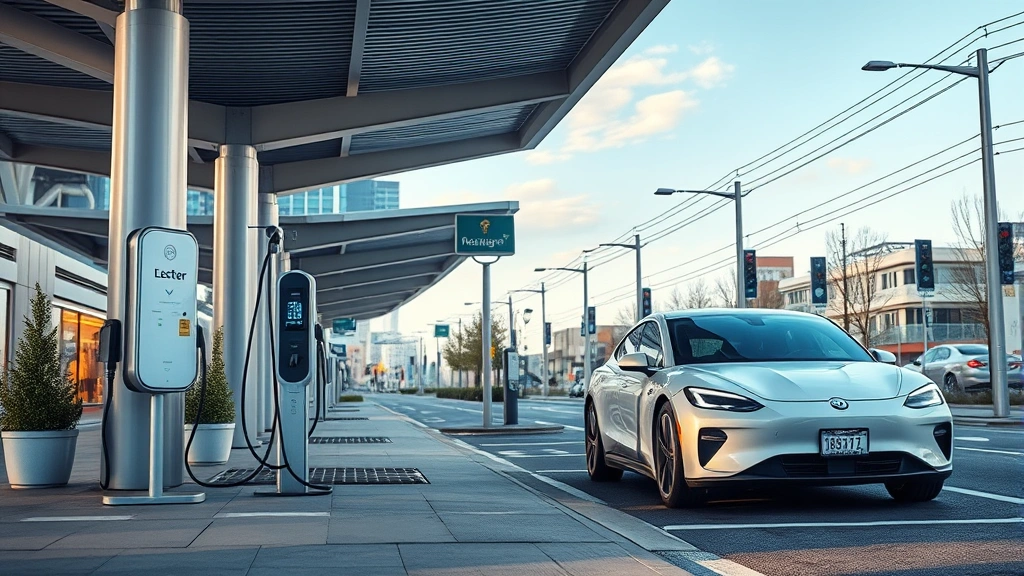
The company has invested significantly in electric vehicle (EV) infrastructure, recognizing that transportation electrification represents a crucial decarbonization opportunity. BGE has deployed thousands of public charging stations and offers advantages of electric vehicles programs that incentivize customer adoption. By expanding charging infrastructure, BGE facilitates the transition from gasoline-powered vehicles to electric alternatives, directly reducing transportation-related emissions.
Heat pump technology represents another critical carbon reduction strategy. BGE actively promotes air-source and ground-source heat pumps as alternatives to natural gas heating systems. These systems can reduce heating emissions by 50-75% compared to traditional furnaces, particularly when powered by renewable electricity. Educational campaigns and rebate programs encourage residential customers to adopt this technology, though initial installation costs remain a significant barrier for many households.
Customer insights reveal that while BGE’s carbon reduction messaging reaches audiences, conversion rates for efficiency upgrades remain inconsistent. Some customers report excellent support from Baltimore Gas and Electric customer service teams when inquiring about heat pumps or EV charging, while others describe bureaucratic obstacles and insufficient incentive information. This inconsistency suggests opportunities for improved customer engagement strategies.
BGE has also committed to methane reduction in its natural gas distribution system. While the utility continues operating natural gas infrastructure, investments in leak detection technology and pipeline replacement programs aim to minimize methane emissions, a potent greenhouse gas. This transitional approach acknowledges the reality that natural gas infrastructure cannot disappear overnight while supporting longer-term electrification goals.
Customer Service Experience and Support
Evaluating BGE’s sustainability commitment requires examining how effectively the utility serves customers seeking environmental information and sustainable options. Customer service responsiveness directly impacts whether sustainability initiatives reach intended audiences and influence behavioral change.
BGE’s customer service channels include phone support, online chat, mobile apps, and in-person assistance at payment centers. For sustainability-specific inquiries, the utility maintains dedicated representatives trained in energy efficiency programs, renewable energy options, and how to reduce your environmental footprint practices. Customer reviews indicate generally satisfactory experiences, with average ratings around 3.5-4.0 out of 5.0 stars across multiple platforms.
However, specific sustainability inquiries sometimes encounter knowledge gaps. Customers asking detailed questions about renewable energy sourcing, carbon accounting methodologies, or comparative environmental impacts occasionally report receiving generic responses rather than comprehensive technical information. This suggests that while customer service training covers basic sustainability programs, deeper environmental expertise may be inconsistently distributed across service teams.
Wait times present another customer concern. During peak hours, reaching sustainability-focused representatives can involve extended hold times, potentially discouraging customers from pursuing efficiency upgrades or renewable energy questions. BGE has invested in digital self-service tools to address this challenge, allowing customers to explore energy efficiency programs, calculate potential savings, and request rebates through online portals.
Billing transparency represents a critical customer service aspect affecting sustainability perception. Customers want clear information about their energy sources, carbon footprint associated with their consumption, and how their usage compares to similar households. BGE’s billing statements include some efficiency metrics, but comprehensive carbon accounting remains limited. Enhanced billing transparency would strengthen customer understanding of their environmental impact and motivate conservation behaviors.
Energy Efficiency Programs for Residential Users
BGE operates comprehensive energy efficiency programs designed to reduce customer consumption and associated emissions. These initiatives represent practical pathways for individual customers to contribute to sustainability goals while reducing utility bills. Program variety addresses diverse customer circumstances, from low-income households to affluent homeowners.
The BGE Home Energy Audit program provides professional assessments identifying efficiency opportunities specific to individual homes. Auditors examine insulation, HVAC systems, windows, and appliances, recommending upgrades with payback periods and estimated savings. This personalized approach resonates with customers seeking concrete guidance, though audit scheduling can involve wait times of several weeks during peak seasons.
Rebate programs incentivize equipment upgrades including HVAC replacements, water heater conversions, insulation improvements, and smart thermostat installations. Rebate amounts range from $100 to several thousand dollars depending on technology and customer income level. Income-qualified customers receive enhanced rebates, addressing equity concerns and ensuring sustainability benefits reach economically vulnerable populations.
Smart thermostat programs allow customers to optimize heating and cooling schedules through mobile apps and automated learning algorithms. BGE provides significant rebates for smart thermostat adoption, recognizing that behavioral changes enabled by technology can yield 10-15% heating and cooling savings. Customer adoption rates have increased substantially as thermostat technology has improved and prices declined.
Weatherization assistance programs specifically target low-income households, providing no-cost energy efficiency upgrades including air sealing, insulation, and heating system repairs. These programs address the reality that low-income customers often occupy less efficient housing while spending disproportionate portions of income on utilities. By improving housing efficiency, BGE reduces energy poverty while advancing broader sustainability objectives.
Despite program availability, participation rates remain suboptimal. Customer awareness of efficiency programs varies significantly, with some customers unaware that rebates and audits exist. BGE’s marketing efforts have expanded in recent years, but reaching all eligible customers remains challenging. Improved outreach through community organizations, multi-language communications, and simplified enrollment processes could significantly increase participation.
Infrastructure Modernization and Grid Resilience
Sustainable energy systems require modern infrastructure capable of integrating renewable sources, managing distributed generation, and responding to demand fluctuations. BGE has invested substantially in grid modernization, deploying smart meters, advanced sensors, and communication networks that enable real-time monitoring and optimization.
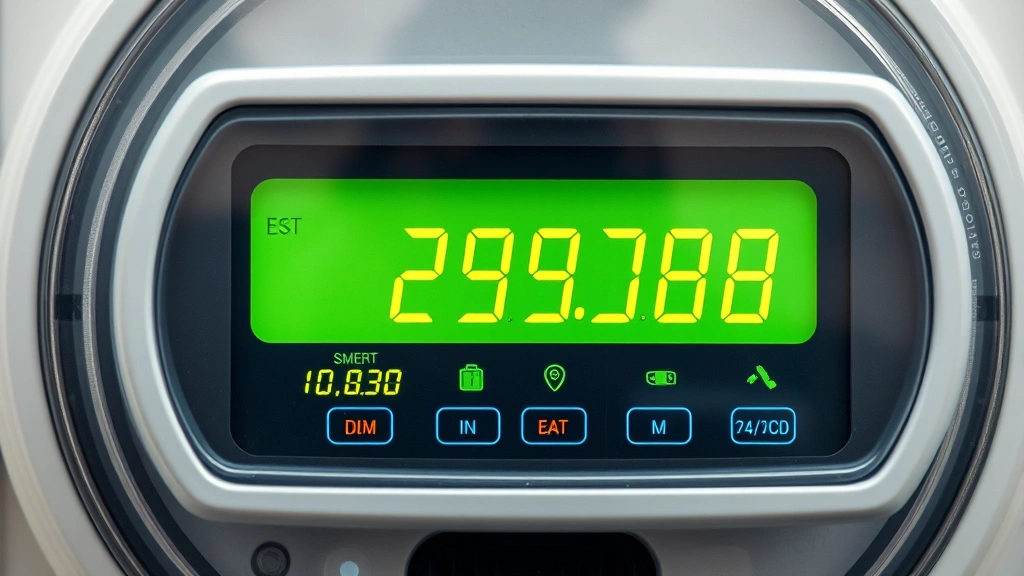
Smart meter deployment has reached most BGE customers, providing granular consumption data that supports both customer awareness and utility operations. Time-of-use rates enabled by smart metering encourage customers to shift electricity consumption toward periods when renewable generation is abundant, supporting grid stability while reducing costs for participating customers. However, uptake of time-of-use programs remains modest, suggesting that customer education and simplified enrollment could increase participation.
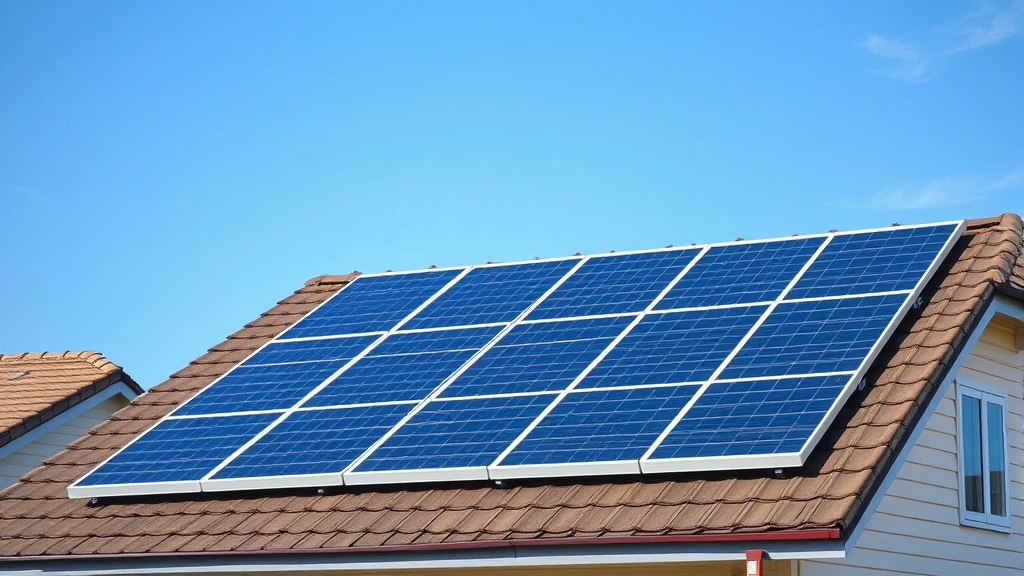
BGE’s grid modernization includes substantial investment in distributed energy resources (DER), including rooftop solar systems, battery storage, and demand response capabilities. As more customers install solar panels, the utility must manage bi-directional power flows and ensure grid stability. BGE’s infrastructure investments support these evolving requirements, though some customers report difficulties connecting solar systems to the grid due to interconnection processes and approval timelines.
Battery storage deployment represents an emerging frontier for grid resilience and renewable integration. BGE has begun pilot programs integrating battery systems at utility and customer levels, storing excess renewable generation for use during peak demand periods. These initiatives support grid stability while enabling higher renewable penetration. However, battery technology costs remain substantial, limiting widespread deployment until prices decline further.
Microgrids and resilience hubs represent additional infrastructure modernization strategies. These localized systems can operate independently during broader grid outages, maintaining critical services for communities and supporting disaster recovery. BGE has explored microgrid development in partnership with municipalities and community organizations, though implementation remains limited to pilot projects.
Infrastructure investment requirements are substantial, potentially impacting customer rates. BGE must balance affordability concerns with infrastructure modernization needs, creating tension between immediate cost control and long-term sustainability investments. Transparent communication about rate impacts and associated benefits would help customers understand the relationship between grid modernization and sustainability advancement.
Community Impact and Environmental Justice
Sustainable energy transitions must address equity concerns, ensuring that environmental benefits reach all communities while preventing disproportionate burdens on vulnerable populations. BGE’s community engagement and environmental justice initiatives reflect growing recognition that sustainability encompasses social dimensions alongside environmental metrics.
Low-income communities have historically experienced disproportionate exposure to energy infrastructure including power plants, gas distribution systems, and associated air quality impacts. BGE has committed to environmental justice principles, prioritizing efficiency upgrades and renewable energy benefits for underserved neighborhoods. Community solar programs allow renters and customers unable to install rooftop systems to access renewable energy benefits, promoting equitable clean energy access.
BGE’s partnership with community organizations enhances program awareness and accessibility. Local nonprofits, faith institutions, and neighborhood associations help distribute information about efficiency programs, rebates, and renewable energy options to communities with limited direct utility contact. These partnerships acknowledge that traditional marketing channels may not effectively reach all customer segments.
Workforce development represents another environmental justice dimension. BGE supports training programs preparing residents for careers in renewable energy installation, grid modernization, and energy efficiency retrofitting. By creating local employment opportunities, these programs ensure that clean energy transition benefits extend beyond environmental improvements to economic advancement in communities historically excluded from prosperity.
However, customer insights reveal that environmental justice initiatives remain underfunded and insufficiently promoted relative to mainstream programs. Many low-income customers remain unaware of enhanced rebate programs or community solar opportunities. Increased investment in community-based marketing and simplified enrollment processes would expand environmental justice benefits.
Comparing BGE to Other Regional Utilities
Understanding BGE’s sustainability performance requires context comparing the utility to regional and national peers. This analysis reveals relative strengths and areas where BGE lags competitors, informing customer perspectives on the utility’s environmental leadership.
Dominion Energy, serving Virginia and parts of the Carolinas, has committed to net-zero emissions by 2050 with intermediate targets of 80% carbon reduction by 2030. This timeline slightly exceeds BGE’s 2045 net-zero goal, positioning BGE as marginally more ambitious. However, Dominion’s renewable energy portfolio currently represents approximately 35-40% of generation, below BGE’s 50% clean energy mix.
Exelon Corporation, BGE’s parent company, has established company-wide net-zero commitments supporting BGE’s goals while providing resources and expertise. Exelon’s broader portfolio includes utilities across multiple regions, enabling knowledge sharing and coordinated sustainability strategies. This corporate structure provides advantages for customer access to green technology innovations transforming our future developments.
PSEG (Public Service Enterprise Group) serving New Jersey has committed to 100% clean electricity by 2035, significantly exceeding BGE’s renewable energy timeline. This aggressive target reflects New Jersey’s stringent clean energy mandates and customer demand for rapid decarbonization. PSEG’s leadership in this area creates competitive pressure encouraging other utilities, including BGE, to accelerate renewable energy deployment.
From a customer service perspective, BGE’s sustainability program offerings compare favorably to regional peers, with comprehensive energy efficiency rebates, renewable energy options, and EV charging infrastructure. However, implementation quality and customer satisfaction metrics vary across utilities, with some regional competitors receiving higher ratings for sustainability program administration and customer support responsiveness.
The definition of sustainability extends beyond carbon metrics to encompass affordability, reliability, and equity. BGE’s performance across these dimensions reveals mixed results. While carbon reduction commitments and renewable energy investments advance environmental sustainability, rate increases and inconsistent program accessibility raise concerns about social sustainability dimensions.
Customer Recommendations and Actionable Steps
BGE customers seeking to advance sustainability while optimizing their energy choices should consider several actionable strategies. These recommendations balance environmental impact with practical considerations including costs, convenience, and household circumstances.
First, customers should complete a home energy audit to identify efficiency opportunities specific to their properties. BGE’s audit program provides professional assessments at minimal cost, revealing high-impact upgrades with clear payback periods. Prioritizing improvements with shortest payback periods ensures financial viability while advancing efficiency goals.
Second, customers should explore renewable energy options including BGE’s Green program, community solar, and rooftop solar installation. BGE’s Baltimore Gas and Electric customer service teams can explain program differences, financial implications, and environmental benefits. For customers unable to install rooftop systems, community solar represents an accessible renewable energy pathway.
Third, customers should adopt smart thermostats and time-of-use rates, leveraging technology to optimize consumption patterns. These tools require minimal behavioral change while yielding meaningful energy savings. BGE’s rebate programs offset equipment costs, improving financial viability.
Fourth, customers should transition transportation to electric vehicles when vehicle replacement cycles occur. BGE’s charging infrastructure expansion supports EV adoption, and electricity costs per mile typically undercut gasoline expenses substantially. Long-term financial and environmental benefits justify consideration during vehicle purchasing decisions.
Fifth, customers should advocate for enhanced sustainability initiatives through BGE’s customer advisory processes. Providing feedback about program effectiveness, customer service responsiveness, and desired sustainability enhancements influences utility priorities and resource allocation. Collective customer voices amplify pressure for continuous improvement.
FAQ
What percentage of BGE’s electricity comes from renewable sources?
BGE currently sources approximately 50% of its electricity from clean energy resources, including nuclear power (approximately 40%), solar, wind, and other renewables. The utility has committed to increasing this percentage substantially over coming decades to achieve net-zero emissions by 2045.
Does BGE offer renewable energy options for residential customers?
Yes, BGE offers the BGE Green program allowing customers to support renewable energy development through premium pricing. The utility also offers community solar programs for customers unable to install rooftop systems, and provides rebates and financing for residential solar installation.
How can I reduce my energy bills through BGE efficiency programs?
BGE provides home energy audits identifying efficiency opportunities, rebate programs for equipment upgrades, smart thermostat incentives, and weatherization assistance for low-income households. Customers should contact BGE’s customer service to explore program eligibility and enrollment processes.
What is BGE’s timeline for achieving carbon neutrality?
BGE has committed to achieving net-zero greenhouse gas emissions by 2045, with intermediate targets including 40% carbon reduction below 1990 levels by 2030. The utility is pursuing this goal through renewable energy expansion, electrification of heating and transportation, and methane reduction in natural gas systems.
How does BGE support electric vehicle adoption?
BGE has deployed thousands of public EV charging stations and offers programs incentivizing residential charging installation. The utility recognizes that transportation electrification represents critical decarbonization opportunity and actively promotes EV adoption through infrastructure investment and customer incentives.
Are BGE’s energy efficiency programs accessible to low-income customers?
Yes, BGE offers income-qualified rebate programs and weatherization assistance specifically designed for low-income households. These programs provide enhanced incentives and no-cost upgrades, addressing energy poverty while advancing efficiency goals.
How can I contact BGE customer service about sustainability programs?
BGE’s customer service is available through phone, online chat, mobile apps, and in-person assistance at payment centers. Customers can inquire about energy efficiency programs, renewable energy options, EV charging infrastructure, and other sustainability initiatives through these channels.


