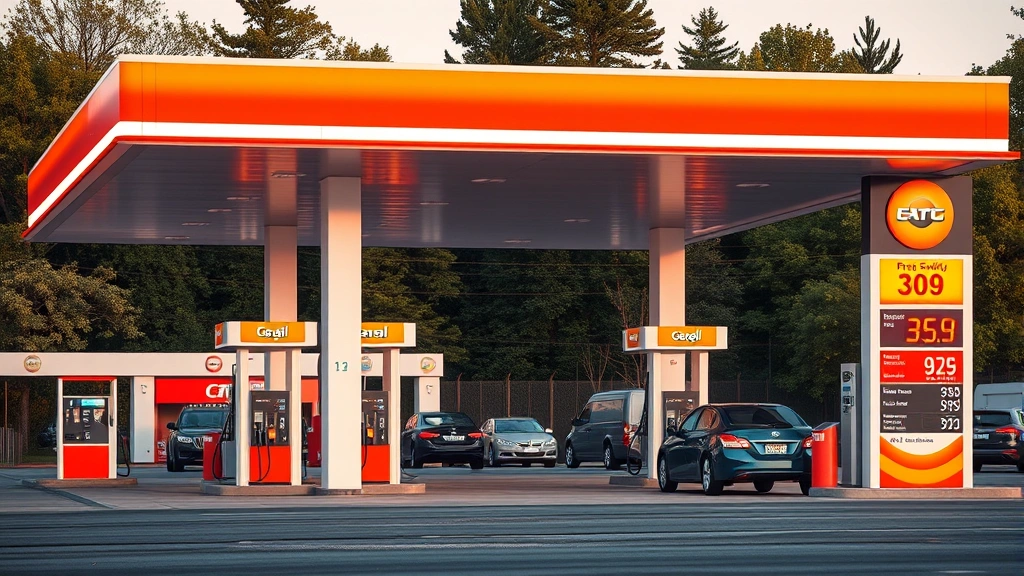
Find Cheap Gas Nearby? Insider Tips for Smart Fuel Shopping
Finding the cheapest gas close to you requires more than just pulling up to the nearest station. In today’s volatile fuel market, strategic shopping habits, timing, and technology can save you hundreds of dollars annually on gasoline expenses. Whether you’re commuting daily or planning a road trip, understanding how fuel prices fluctuate and where to find the best deals is essential for managing your transportation budget responsibly.
Beyond simple cost savings, being a conscious fuel consumer means considering the environmental impact of your driving habits and exploring alternatives that reduce your carbon footprint. This guide combines practical money-saving strategies with sustainable transportation insights to help you navigate the fuel market intelligently.
How to Find the Cheapest Gas Prices Near You
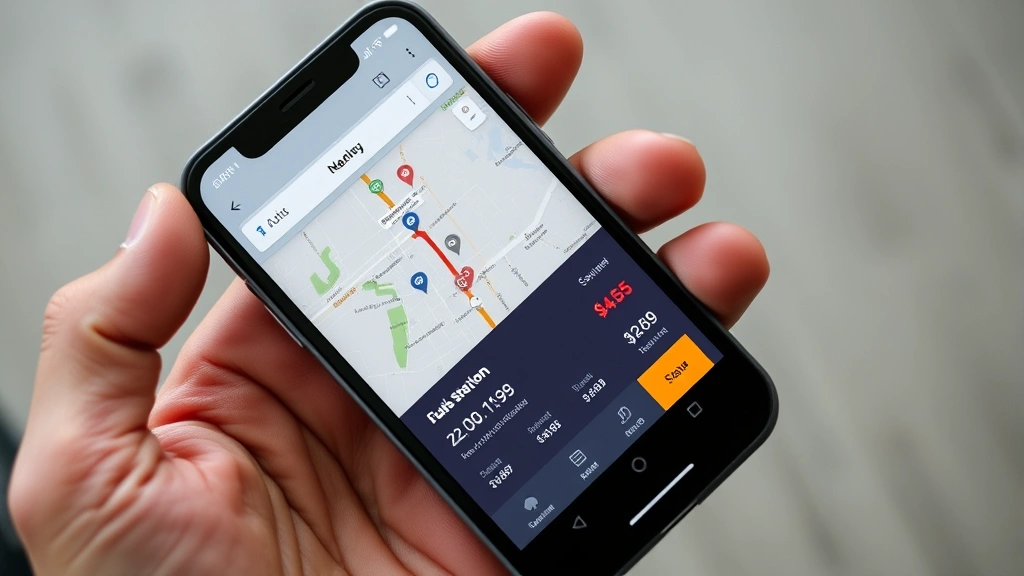
The most straightforward method to locate affordable fuel involves using technology designed specifically for this purpose. Gas price comparison tools have revolutionized how consumers shop for fuel, eliminating the need to drive from station to station. These platforms aggregate real-time pricing data from thousands of gas stations, allowing you to identify the lowest prices in your immediate vicinity with just a few taps or clicks.
When searching for the cheapest gas close to you, consider these practical strategies: First, expand your search radius slightly beyond your immediate neighborhood. Sometimes driving an extra mile or two to a cheaper station saves more than the additional fuel consumed. Second, check prices during off-peak hours when you’re more likely to find competitive rates. Third, compare not just the base fuel price but also the quality tier—premium fuel costs more but may not be necessary for your vehicle.
Location matters significantly in fuel pricing. Gas stations near highways typically charge premium prices due to captive audiences. Independent stations and those in less populated areas frequently offer better deals than branded stations. Warehouse clubs like Costco and Sam’s Club consistently rank among the cheapest options, though membership fees apply. Some grocery store chains offer fuel discounts tied to shopping purchases, effectively reducing your per-gallon cost through rewards programs.
Understanding station types helps optimize your savings strategy. Major oil company branded stations emphasize convenience and consistent quality but charge accordingly. Independent operators focus on volume and competitive pricing. Regional chains often balance affordability with service quality. Each category serves different consumer needs, and strategic station selection based on your priorities enhances your fuel-buying experience.
Best Apps and Websites for Real-Time Price Tracking
GasBuddy remains the most popular fuel price tracking application, offering user-generated data and crowdsourced updates. The platform provides real-time pricing information, allowing users to report prices at their local stations, creating a comprehensive database that drivers rely upon. The app includes features like fuel price alerts, trip planning with fuel cost estimates, and integration with navigation systems.
GetUpside delivers a unique value proposition by offering cashback rewards on fuel purchases. Users upload receipts or connect their payment methods, earning cash rewards ranging from five to twenty-five cents per gallon. This gamification approach incentivizes fuel shopping while providing genuine financial returns. The app tracks your favorite stations and notifies you of price drops, making it valuable for regular commuters.
Waze, primarily known as a navigation app, includes real-time gas price information reported by its massive user community. Since millions use Waze for directions, the crowdsourced data accuracy rivals dedicated fuel apps. Integrating gas prices into navigation planning allows you to factor fuel costs into route decisions automatically.
For comprehensive research, websites like AAA’s fuel price tracker provide historical data and trend analysis. The AAA fuel price resource helps you understand whether current prices represent good values based on regional and national averages. This context proves invaluable when deciding whether to fill up immediately or wait for potentially better prices.
Mobile-first platforms like Upside and SpotHero’s fuel integration offer location-based notifications for price drops. These apps learn your driving patterns and proactively alert you when prices fall below your target threshold, eliminating the need for constant manual checking.
Timing Your Fill-Ups for Maximum Savings
Gas prices follow predictable patterns throughout the week, month, and year. Industry research consistently shows that fuel prices typically drop on Mondays and Tuesdays, making these optimal days for fill-ups. Prices gradually increase through the week, peaking on weekends when demand surges. This weekly cycle repeats consistently, making it a reliable planning tool.
Monthly patterns also influence fuel costs. Mid-month prices often dip as initial demand from payday purchases subsides. End-of-month increases occur as consumers refuel before the next billing cycle. Understanding these rhythms allows you to schedule fill-ups strategically, even if you don’t drive daily.
Seasonal variations significantly impact fuel pricing. Summer driving season (May through September) typically sees higher prices due to increased demand and more expensive summer fuel formulations required by environmental regulations. Winter prices generally decline, though winter fuel formulations cost slightly more to produce. Planning major road trips during shoulder seasons or winter months can yield substantial savings.
Geopolitical events, refinery maintenance, and crude oil price fluctuations create longer-term trends. Following Energy Information Administration reports helps you anticipate price movements weeks in advance. If reports indicate refinery issues or supply disruptions, filling up before prices spike represents smart timing.
Weather impacts fuel availability and pricing. Hurricanes, blizzards, and other severe weather can disrupt supply chains, causing price spikes. Conversely, mild weather periods sometimes see promotional pricing as stations compete for volume. Monitoring weather forecasts alongside fuel prices enhances your timing strategy.
Understanding Gas Price Fluctuations
Crude oil prices represent the primary driver of gasoline costs, accounting for roughly sixty percent of the final pump price. Since crude trades on global commodity markets, international events directly impact your local fuel costs. OPEC production decisions, geopolitical tensions, and economic growth forecasts all influence crude pricing, which cascades through the supply chain to your neighborhood gas station.
Refinery capacity and utilization rates significantly affect fuel availability and pricing. When refineries undergo maintenance or unexpected shutdowns, gasoline supply tightens, pushing prices upward. Conversely, periods of high refinery utilization and low maintenance can temporarily suppress prices. Monitoring refinery news provides predictive insights into coming price changes.
Distribution and retail margins represent the second largest component of fuel pricing. Transportation costs, storage fees, and station operator profit margins vary regionally. Areas with robust competition and numerous stations typically feature lower margins, benefiting consumers. Markets with fewer stations or geographic constraints see inflated retail markups.
Taxes and regulations substantially impact regional fuel costs. States levy different fuel taxes, ranging from twenty cents to fifty-eight cents per gallon. California’s strict environmental regulations require specialized fuel formulations, making gasoline consistently more expensive than national averages. Understanding your state’s fuel tax and regulatory environment contextualizes why your local prices differ from neighboring regions.
Currency fluctuations affect crude oil pricing, which trades in dollars globally. When the dollar strengthens, oil becomes cheaper for international buyers, potentially suppressing prices. Dollar weakness increases crude costs, typically raising pump prices. Currency traders and energy analysts monitor these relationships to predict fuel market movements.
Loyalty Programs and Fuel Rewards
Major fuel retailers offer loyalty programs that provide cents-per-gallon discounts or points redeemable for free fuel. Shell Fuel Rewards, Chevron Techron, and Speedway loyalty programs offer varying benefits. These programs typically require enrollment but deliver cumulative savings exceeding five percent annually for regular users. Pairing loyalty program savings with strategic timing multiplies your overall fuel cost reductions.
Credit card partnerships with fuel retailers provide additional rewards opportunities. Many premium credit cards offer three to five percent cash back on fuel purchases. Optimizing your payment method for maximum rewards without incurring annual fees requires comparing offers carefully. Some cards waive annual fees if you charge a minimum amount at partner stations.
Grocery store fuel programs tie gas discounts to shopping purchases, creating compound savings opportunities. Earning four cents per gallon for every fifty dollars spent on groceries means regular shoppers accumulate substantial fuel discounts. This integration with daily shopping patterns makes these programs particularly valuable for families with regular grocery expenses.
Fleet fuel cards offer specialized programs for business drivers. Companies like Fuel Rewards and WEX provide volume discounts and detailed expense tracking. If you operate a vehicle for business, investigating fleet programs can yield significant per-gallon savings compared to consumer-level loyalty programs.
Subscription-based fuel programs represent an emerging trend. Some services offer flat monthly fees for discounted fuel access, guaranteeing price ceilings regardless of market fluctuations. These programs appeal to high-mileage drivers seeking cost predictability and protection against price spikes.
Alternative Fuel Options and Their Cost Benefits
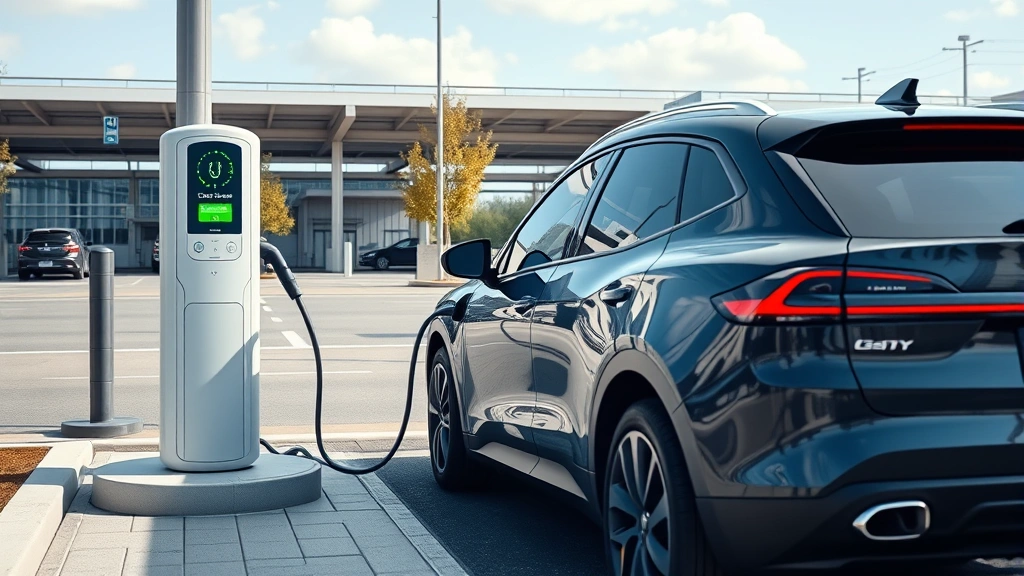
While seeking the cheapest gas close to you remains practical for conventional vehicles, exploring advantages of electric vehicles reveals long-term economic benefits. Electric vehicles eliminate fuel costs entirely, operating at roughly one-third the per-mile cost of gasoline vehicles. Charging at home during off-peak hours further reduces electricity expenses, making EV ownership economically superior over vehicle lifespans despite higher purchase prices.
Hybrid vehicles represent a practical middle ground, combining gasoline engines with electric motors to reduce fuel consumption by thirty to fifty percent. This efficiency gain directly translates to fewer fill-ups and lower annual fuel expenses. Many hybrid owners report that fuel savings offset the premium price within five to seven years of ownership.
Compressed natural gas (CNG) vehicles offer lower fuel costs in regions with developed CNG infrastructure. Natural gas typically costs significantly less per unit energy than gasoline, though CNG vehicle selection remains limited. Understanding natural gas vs propane distinctions helps you evaluate which alternative fuel best suits your needs and local availability.
Biodiesel and renewable diesel provide sustainable alternatives for diesel vehicles. These fuels cost similarly to petroleum diesel but reduce lifecycle carbon emissions substantially. As renewable fuel production expands, prices should stabilize, making these options increasingly attractive economically and environmentally.
The transition toward sustainable energy solutions in transportation reflects broader recognition that fuel cost optimization extends beyond finding the cheapest gas close to you. Long-term transportation strategy should consider total ownership costs, environmental impact, and technological trends shaping the automotive industry.
Sustainable Driving Practices That Reduce Fuel Consumption
Optimizing fuel efficiency directly reduces how often you need to find the cheapest gas nearby. Maintaining proper tire pressure improves fuel economy by three to five percent—a substantial savings for regular drivers. Under-inflated tires increase rolling resistance, forcing engines to work harder and consume more fuel. Checking tire pressure monthly and before long trips ensures optimal efficiency.
Smooth acceleration and deceleration patterns significantly impact fuel consumption. Aggressive driving that involves rapid acceleration, speeding, and hard braking wastes fuel and increases wear on engine components. Adopting calm, anticipatory driving habits can improve fuel economy by fifteen to thirty percent while enhancing safety and reducing maintenance costs.
Reducing vehicle weight decreases fuel consumption proportionally. Removing unnecessary items from your vehicle—roof racks, cargo carriers, or accumulated clutter—improves efficiency. Each one hundred pounds of excess weight reduces fuel economy by approximately one percent, making weight management a simple optimization strategy.
Aerodynamic modifications like roof racks and side mirrors increase wind resistance at highway speeds. Removing unnecessary aerodynamic drag improves efficiency, particularly for highway driving. For frequent highway commuters, optimizing aerodynamics yields measurable fuel savings alongside the primary benefit of finding cheaper fuel options.
Engine maintenance directly impacts efficiency and fuel economy. Regular oil changes using manufacturer-recommended grades, clean air filters, and properly functioning fuel injectors ensure your engine operates at peak efficiency. A well-maintained vehicle consumes less fuel, meaning you need to find gas deals less frequently.
Trip consolidation represents perhaps the most effective fuel-saving strategy. Combining multiple errands into single trips reduces total distance driven and minimizes engine warm-up periods when fuel consumption peaks. Planning efficient routes using navigation apps like Waze or Google Maps optimizes driving distance and time.
Exploring green technology innovations transforming our future reveals how emerging vehicle technologies continue improving efficiency beyond driver behavior. Regenerative braking, advanced transmissions, and engine management systems in modern vehicles deliver efficiency gains that reduce fuel consumption and the urgency of finding the cheapest gas close to you.
FAQ
What time of day has the cheapest gas?
Early morning hours, typically between 5 and 7 AM, often feature the lowest prices as stations adjust overnight. Prices gradually increase throughout the day, peaking in late afternoon during commute hours. Checking apps before work and filling up during early morning commutes captures these daily price dips consistently.
Do gas prices change daily?
Yes, fuel prices fluctuate daily based on crude oil markets, supply disruptions, and local demand. Some stations adjust prices multiple times daily, while others change prices once or twice. Real-time tracking apps capture these changes, allowing you to time purchases optimally.
Is it better to fill up at the beginning or end of the month?
Mid-month typically offers better prices than month-end, when demand surges as consumers prepare for the next billing cycle. Early month prices are reasonable as initial payday purchasing subsides. Monitoring weekly and monthly patterns helps you identify your local pricing cycle.
Can I save money by using premium gas?
Unless your vehicle specifically requires premium fuel (check your owner’s manual), using premium wastes money. Premium gas costs fifteen to twenty-five cents more per gallon but provides no benefit for standard vehicles. Using the recommended fuel grade balances performance and economy.
How much can loyalty programs save me annually?
Loyalty programs typically save three to five percent on fuel costs. For drivers consuming one thousand gallons annually, this equals thirty to fifty dollars in savings. Combined with strategic timing and credit card rewards, total annual savings can exceed one hundred dollars for regular commuters.
Are there apps that pay me for buying gas?
Yes, GetUpside and similar cashback apps reward fuel purchases with cash rewards ranging from five to twenty-five cents per gallon. These programs require uploading receipts or connecting payment methods but deliver genuine financial returns alongside fuel savings from lower-priced stations.
What factors affect local gas prices most?
Crude oil prices, local competition, state taxes, environmental regulations, and distribution costs drive local pricing. Areas with numerous stations and lower taxes see cheaper fuel than regions with limited competition or strict regulatory requirements. Understanding your area’s specific factors contextualizes pricing patterns.


