CNG Stations: Are They the Future of Fuel?
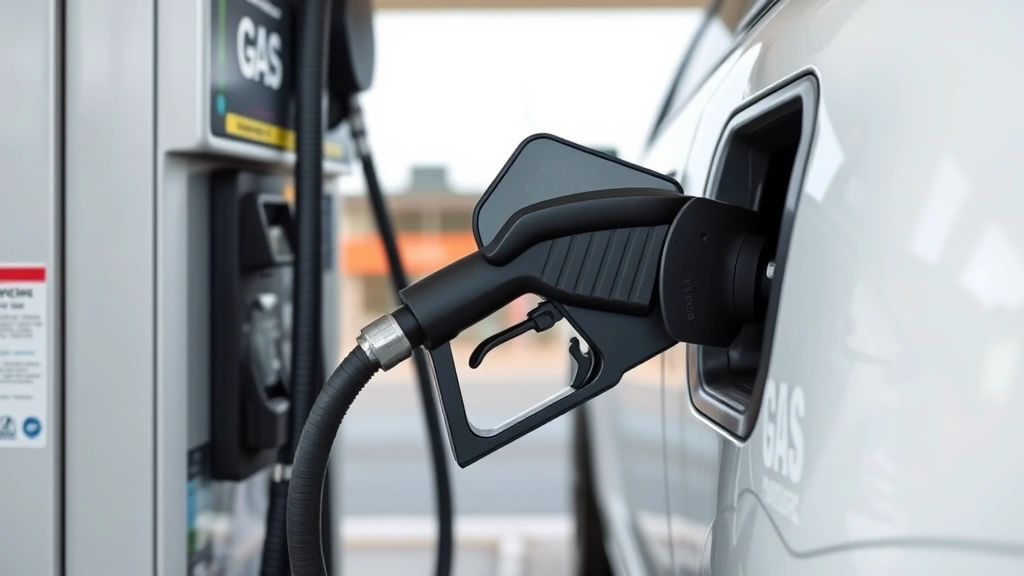
Compressed natural gas (CNG) has emerged as a compelling alternative fuel source that bridges the gap between traditional gasoline-powered vehicles and fully electric transportation. As environmental concerns intensify and fuel prices fluctuate, many drivers and fleet operators are asking whether CNG stations represent a viable pathway toward sustainable mobility. The infrastructure surrounding CNG fuel stations is expanding globally, with significant investments from both government agencies and private companies seeking to establish a cleaner transportation ecosystem.
The question of whether CNG stations represent the future of fuel requires careful examination of technological capabilities, economic viability, environmental impact, and infrastructure development. Unlike electric vehicles that require lengthy charging times, CNG-powered vehicles offer quick refueling comparable to conventional gasoline cars while producing substantially fewer emissions. This article explores the comprehensive landscape of compressed natural gas stations, their advantages, limitations, and role in shaping the future of sustainable transportation.
Understanding Compressed Natural Gas and CNG Stations
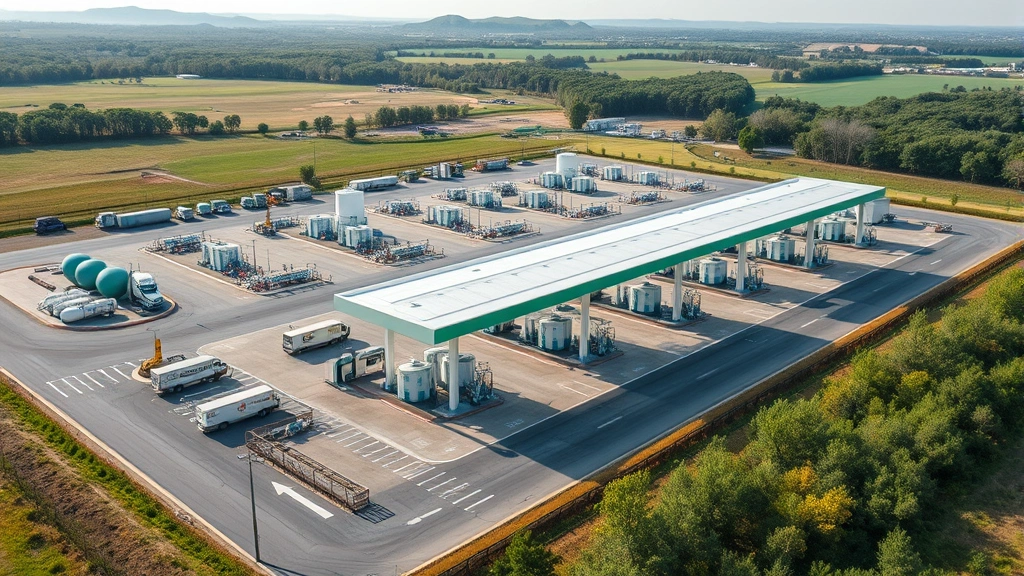
Compressed natural gas represents a fossil fuel that has been pressurized to approximately 3,600 pounds per square inch (PSI), allowing it to be stored and transported efficiently in specialized high-pressure tanks. CNG stations function as refueling points where vehicles equipped with CNG fuel systems can replenish their tanks with this pressurized gas. The process differs fundamentally from traditional gasoline pumps, requiring specially designed equipment and safety protocols to manage the high-pressure delivery system.
The composition of CNG is primarily methane, the same gas found in natural gas pipelines that supply homes and businesses. Natural gas applications have long been established in residential and commercial settings, making the fuel source familiar to many consumers. When natural gas undergoes compression, it becomes significantly denser, allowing vehicles to store sufficient fuel for extended driving ranges. A typical CNG vehicle can travel 200 to 300 miles on a single tank, depending on engine efficiency and tank capacity.
CNG stations typically operate as either public facilities accessible to any vehicle owner or private stations serving specific fleet operators. Public stations have grown in number over the past decade, though they remain less prevalent than conventional gasoline stations in most regions. These facilities require substantial initial investment in compression equipment, storage infrastructure, and safety systems, which explains the relatively slower expansion compared to traditional fuel distribution networks.
Environmental Benefits of CNG Fuel
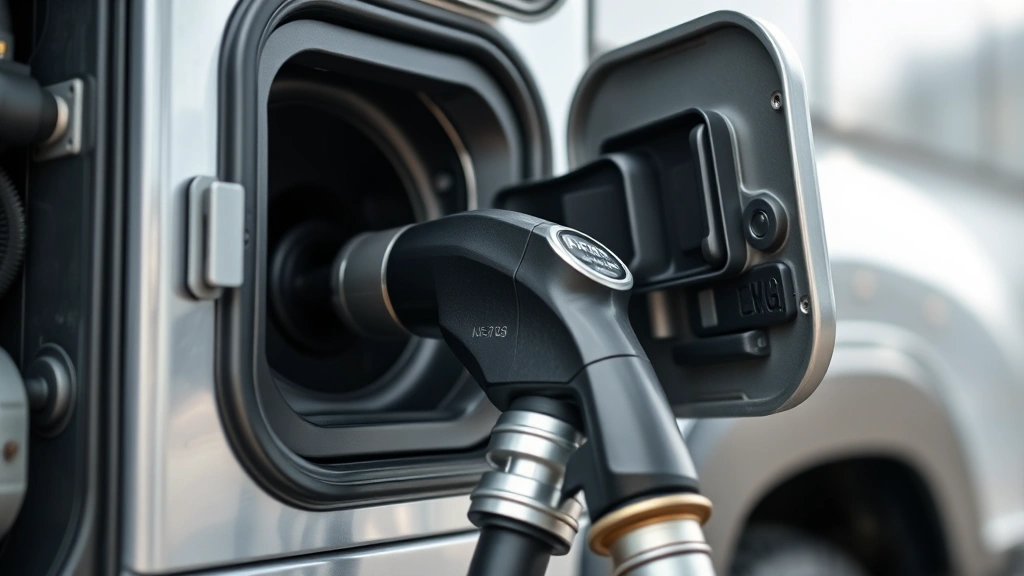
One of the most compelling reasons to consider CNG as a fuel alternative is its significantly lower environmental impact compared to gasoline and diesel. When CNG combusts in vehicle engines, it produces substantially fewer harmful emissions, including reduced nitrogen oxides (NOx), particulate matter, and volatile organic compounds. The EPA recognizes natural gas as a cleaner-burning fuel, and vehicles powered by CNG can achieve emission reductions of up to 20-30% compared to comparable gasoline vehicles.
Carbon dioxide emissions from CNG vehicles are approximately 15-20% lower than gasoline-powered equivalents, making CNG a meaningful step toward climate change mitigation. This reduction occurs because natural gas contains fewer carbon atoms per molecule compared to gasoline and diesel fuels. When integrated into comprehensive sustainable energy solutions, CNG contributes to broader decarbonization strategies in the transportation sector.
The environmental advantage extends beyond tailpipe emissions. CNG extraction and processing, while not entirely without environmental impact, typically result in fewer overall emissions than crude oil refining required for gasoline production. Additionally, natural gas pipelines already exist in many regions, reducing the need for extensive new infrastructure development compared to establishing entirely new fuel distribution networks.
However, it’s important to acknowledge that methane, the primary component of CNG, is a potent greenhouse gas. Methane leakage throughout the natural gas supply chain, from extraction to delivery, represents a significant environmental concern. Studies indicate that reducing methane emissions from natural gas operations is crucial for CNG to maintain its environmental advantage over fossil fuels. Investments in leak detection and prevention technologies have become essential components of responsible CNG utilization.
Economic Advantages and Cost Considerations
CNG offers compelling economic benefits that make it attractive to fleet operators and individual vehicle owners seeking to reduce fuel expenses. The cost of compressed natural gas is typically 30-40% lower than gasoline prices, resulting in substantial savings over a vehicle’s lifetime. For commercial fleets that consume large quantities of fuel, these savings accumulate rapidly, often justifying the higher upfront cost of purchasing CNG-equipped vehicles.
Operating costs for CNG vehicles generally remain lower throughout their service life. Maintenance expenses tend to be reduced because natural gas burns cleaner than gasoline, resulting in less engine carbon buildup and longer intervals between maintenance services. This characteristic particularly benefits fleet operators managing dozens or hundreds of vehicles, where cumulative maintenance savings translate to significant financial advantages.
The initial purchase price of CNG vehicles has historically been higher than comparable gasoline models, typically ranging from $5,000 to $15,000 more depending on vehicle type and manufacturer. However, federal tax credits and state incentive programs in many jurisdictions help offset this premium. Reducing your environmental footprint through CNG adoption often qualifies for financial incentives that accelerate the payback period for this additional investment.
Fleet operators particularly benefit from CNG adoption because their higher fuel consumption volumes allow them to recover the vehicle purchase premium through fuel savings within 3-5 years. For individual consumers with moderate annual mileage, the economic case becomes less compelling unless they have access to low-cost CNG stations and plan to keep their vehicles long-term.
Current Infrastructure and Station Availability
The availability of CNG stations remains one of the most significant barriers to widespread adoption. As of 2024, approximately 1,700 public CNG stations operate in the United States, compared to over 150,000 gasoline stations nationwide. This infrastructure gap creates a major limitation for consumers considering CNG vehicle purchases, particularly those in rural areas or regions without established natural gas distribution networks.
Certain regions demonstrate more robust CNG infrastructure development. California, Oklahoma, and Texas lead the nation in public CNG station density, reflecting historical investment in alternative fuel infrastructure and natural gas industry presence. Urban areas in these states often provide convenient CNG refueling options, whereas rural communities typically lack access to these facilities.
International CNG infrastructure varies dramatically by region. Argentina, Brazil, and several Asian countries have developed extensive CNG networks with thousands of public stations, demonstrating that widespread adoption is technically feasible with sufficient investment and policy support. These markets show how sustainable transportation solutions can be implemented at scale when government and industry prioritize infrastructure development.
Private fleet operators often establish their own CNG stations to fuel their vehicles, reducing dependence on public infrastructure. This approach works well for companies with centralized operations and predictable refueling schedules. However, this strategy doesn’t benefit individual consumers or small business owners lacking the capital to invest in private fueling infrastructure.
Recent industry trends suggest accelerating CNG station development, particularly in response to environmental regulations and fleet electrification mandates. Several major energy companies are investing in CNG station expansion, recognizing the fuel’s role as a transitional technology during the shift toward fully renewable energy transportation systems.
Vehicle Options and Performance Metrics
The variety of CNG vehicle options has expanded considerably over the past decade, though the selection remains more limited compared to conventional gasoline-powered vehicles. Major manufacturers including Honda, Fiat, Hyundai, and others produce CNG models, primarily focusing on compact cars and light-duty trucks. Heavy-duty commercial vehicles, particularly refuse trucks and transit buses, represent the largest segment of CNG-powered fleets globally.
CNG vehicle performance characteristics closely resemble their gasoline equivalents, with comparable acceleration, handling, and overall drivability. Engine power output from CNG engines is typically slightly lower than gasoline versions of the same vehicle, usually ranging from 5-10% reduction in horsepower. This difference proves negligible for most driving applications and doesn’t significantly impact real-world performance or user experience.
Fuel economy in CNG vehicles is typically expressed in gasoline gallon equivalents (GGE), with most vehicles achieving 15-25 miles per GGE depending on engine efficiency and driving conditions. While this appears lower than gasoline fuel economy measurements, the actual cost per mile traveled remains favorable due to CNG’s lower price point. When evaluating best gas mileage truck options, CNG models offer competitive operational economics despite slightly higher fuel consumption rates.
Vehicle range on a single tank varies depending on tank size and engine efficiency, typically ranging from 200 to 350 miles. Larger tanks provide extended range but consume additional vehicle cargo space and add weight that reduces fuel efficiency. Manufacturers must balance these competing considerations when designing CNG fuel systems for different vehicle classes.
Cold weather performance of CNG vehicles remains comparable to gasoline vehicles, with no significant degradation in cold climates. The fuel’s properties remain stable across temperature ranges found in most inhabited regions, making CNG viable for year-round operation in diverse geographic locations.
Safety Features and Technical Specifications
Safety represents a paramount concern with CNG systems, and modern CNG vehicles incorporate multiple redundant safety features that make them as safe as or safer than conventional vehicles. CNG tanks undergo rigorous testing and certification processes, withstanding pressures far exceeding normal operating conditions. These tanks are designed to safely contain gas even in severe accidents, with specialized pressure relief valves that prevent dangerous pressure buildup.
The fuel delivery system in CNG vehicles includes multiple shutoff mechanisms that activate automatically in collision events or when the engine stops, preventing uncontrolled gas release. Additionally, natural gas is lighter than air and dissipates rapidly if released, unlike gasoline which pools and creates fire hazards. This characteristic provides inherent safety advantages compared to conventional liquid fuels.
CNG has an extremely high ignition temperature (approximately 1,200 degrees Fahrenheit) compared to gasoline, requiring significantly more heat to ignite. This property means CNG vehicles are less likely to catch fire in accidents where fuel system integrity is compromised. Historical safety data from regions with extensive CNG vehicle fleets demonstrates safety records equivalent to or better than gasoline vehicles.
Regular maintenance of CNG fuel systems involves periodic inspection of tanks, valves, and delivery components to ensure continued safe operation. These inspections are straightforward and typically cost $100-200 annually, representing minimal expense compared to potential safety benefits. Certified technicians perform these inspections, ensuring that vehicles maintain optimal safety standards throughout their operational life.
Proper training for CNG station operators and vehicle owners ensures safe refueling practices. The high-pressure nature of CNG requires adherence to specific procedures, but these processes are well-established and become routine with minimal training. No evidence suggests that properly trained users experience safety issues related to CNG handling or vehicle operation.
Comparing CNG to Alternative Fuel Solutions
When evaluating CNG’s role in the future of transportation, it’s essential to compare it with competing alternative fuel technologies and conventional vehicles. Advantages of electric vehicles include zero tailpipe emissions, lower operational costs in many regions with cheap electricity, and rapidly improving battery technology. However, electric vehicles require substantial charging infrastructure investment and currently offer limited range compared to CNG or gasoline vehicles.
Electric vehicles produce zero direct emissions, providing environmental benefits that exceed CNG vehicles in this specific metric. However, the overall environmental impact depends on the electricity grid’s composition. In regions powered primarily by renewable energy, electric vehicles provide superior environmental performance. Conversely, in areas dependent on fossil fuel power generation, the environmental advantage diminishes considerably.
Hydrogen fuel cell vehicles represent another emerging alternative, offering quick refueling and zero emissions. However, hydrogen infrastructure remains even more limited than CNG stations, and hydrogen production currently relies heavily on natural gas, creating indirect emissions concerns. Commercial viability of hydrogen vehicles remains uncertain, with limited manufacturer support and negligible market presence outside select markets.
Biodiesel and renewable natural gas (RNG) represent additional alternatives worth considering. RNG, produced from organic waste materials, offers similar infrastructure compatibility to conventional CNG while providing substantially lower lifecycle emissions. The National Renewable Energy Laboratory provides comprehensive research on alternative fuel performance, demonstrating that RNG can reduce lifecycle emissions by up to 80% compared to conventional natural gas.
Hybrid and plug-in hybrid vehicles offer compromise solutions combining conventional and electric propulsion, reducing emissions without requiring entirely new fuel infrastructure. These vehicles appeal to consumers uncertain about committing to alternative fuel technologies, though they don’t provide the same environmental benefits as dedicated CNG or electric vehicles.
Ultimately, the optimal fuel choice depends on individual circumstances including vehicle usage patterns, available infrastructure, environmental priorities, and economic considerations. CNG serves best for fleet operations, consumers with access to stations and long vehicle ownership periods, and regions with established natural gas infrastructure.
Future Outlook and Industry Trends
The future trajectory of CNG stations depends on multiple interconnected factors including policy decisions, technological advances, renewable energy integration, and competitive dynamics with electric vehicles. Industry analysts present divergent perspectives on CNG’s long-term viability, with some viewing it as a critical transitional fuel and others arguing that electric vehicles will ultimately dominate transportation.
Government policies significantly influence CNG adoption rates. Countries implementing strict emissions regulations and providing financial incentives for alternative fuel vehicles accelerate CNG infrastructure development. Conversely, regions without supportive policies see minimal CNG station growth, limiting adoption despite potential economic and environmental benefits.
Renewable natural gas (RNG) represents a transformative development for CNG’s future viability. As RNG production scales and costs decline, CNG vehicles could transition from fossil fuel dependence to renewable fuel operation without requiring vehicle modifications. This pathway would allow existing CNG infrastructure and vehicles to contribute meaningfully to climate change mitigation even as electric vehicle adoption accelerates.
The International Energy Agency projects that natural gas will remain a significant transportation fuel through 2050, though its share will decline as electrification advances. This analysis suggests CNG maintains relevance in specific applications where electric vehicles prove impractical, such as heavy-duty trucking and long-distance transportation.
Fleet electrification mandates in major markets create uncertainty for CNG adoption. Several European nations and California have announced plans to phase out fossil fuel vehicles, including CNG models, over the next 10-20 years. These policies reflect long-term commitment to zero-emission transportation, potentially limiting CNG’s growth trajectory in regulated markets.
Technological improvements in CNG engine efficiency and fuel system design continue enhancing vehicle performance and range. Lightweight composite tank materials reduce vehicle weight while maintaining safety standards, improving fuel economy and expanding driving range. These incremental improvements enhance CNG competitiveness against electric vehicles and conventional gasoline options.
Investment in CNG station networks continues from both traditional energy companies and new entrants seeking to establish alternative fuel distribution infrastructure. Private companies recognize potential profitability in serving fleet operators and consumers seeking lower fuel costs, particularly in regions where gasoline prices remain elevated.
The integration of CNG with renewable energy systems offers intriguing possibilities. Biogas production from agricultural and organic waste provides renewable fuel that utilizes existing CNG infrastructure, creating circular economy opportunities while reducing emissions. This pathway could position CNG as part of comprehensive sustainable transportation solutions rather than a transitional technology.
FAQ
Are CNG stations safe?
Yes, CNG stations incorporate multiple safety systems and undergo rigorous regulatory oversight. Modern CNG storage tanks withstand extreme pressures and include specialized valves preventing dangerous gas release. Historical safety data from regions with extensive CNG infrastructure demonstrates safety records comparable to or better than conventional gasoline stations. Trained operators follow established safety protocols ensuring safe refueling for all users.
How far can CNG vehicles travel on a full tank?
Most CNG vehicles achieve driving ranges of 200-350 miles on a single tank, depending on tank size, engine efficiency, and driving conditions. This range is comparable to many gasoline vehicles, though it varies considerably between vehicle models and manufacturers. Some specialized vehicles with larger tanks achieve extended ranges exceeding 400 miles.
What is the cost difference between CNG and gasoline?
CNG typically costs 30-40% less than gasoline on a per-mile basis, though exact savings depend on local fuel prices and vehicle efficiency. In regions with abundant natural gas supplies and established distribution networks, price differentials are most pronounced. Fuel cost savings often justify the higher upfront purchase price of CNG vehicles within 3-5 years for fleet operators.
Can I convert my existing vehicle to run on CNG?
Vehicle conversion to CNG is technically possible but expensive and impractical for most consumers. Conversion costs typically range from $5,000-$15,000 and require specialized technical expertise. Most manufacturers don’t support conversions due to warranty implications and safety concerns. Purchasing a factory-built CNG vehicle provides better reliability and safety than aftermarket conversions.
Is renewable natural gas truly sustainable?
Renewable natural gas (RNG) produced from organic waste offers significantly lower lifecycle emissions compared to conventional natural gas, with potential reductions of 70-80% depending on production methods. However, RNG production remains limited, and scaling production requires substantial infrastructure investment. As RNG supply increases, it provides a pathway for CNG vehicles to operate with minimal environmental impact.
How does CNG compare to electric vehicles?
CNG vehicles offer faster refueling and longer range than most electric vehicles, with lower upfront costs in some markets. Electric vehicles provide superior environmental performance in regions with renewable-heavy electricity grids and lower operational costs where electricity is cheap. The optimal choice depends on individual circumstances, available infrastructure, and environmental priorities in your region.
Will CNG stations continue expanding?
CNG station expansion continues in regions with supportive policies and strong fleet demand, though growth rates vary considerably by location. International markets like Argentina and Brazil demonstrate that extensive networks are achievable with sustained investment. However, electric vehicle adoption mandates in some regions may limit long-term CNG growth. The trajectory depends heavily on policy decisions and competitive dynamics with emerging fuel technologies.


