
Gas Stoves Harmful? New Study Reveals Facts About Indoor Air Quality and Health
Recent scientific research has reignited the debate surrounding gas stove safety in residential kitchens. With millions of homes across North America relying on gas stoves for cooking, understanding the potential health implications has become increasingly important for environmentally conscious households and families prioritizing wellness. This comprehensive analysis examines the latest findings, separates fact from fiction, and explores what you need to know about your kitchen’s air quality.
The conversation around gas stoves extends beyond simple cooking convenience—it touches on indoor air pollution, climate impact, and sustainable living practices. As we transition toward more environmentally responsible energy solutions, examining the health effects of our current appliances helps inform better choices for both personal wellbeing and planetary health.
What Recent Studies Show About Gas Stoves
A landmark study published by researchers examining indoor air quality found that gas stoves emit nitrogen dioxide (NO₂) and other pollutants at levels that can exceed outdoor air quality standards, even when properly functioning. The research indicates that approximately 40% of American homes use gas stoves, making this a significant public health consideration affecting tens of millions of people.
The study, conducted by environmental health scientists, measured emissions from various gas stove models during normal cooking activities. Results showed that combustion byproducts are released directly into kitchens without any external venting in many installations. This direct emission into living spaces distinguishes gas stoves from other household appliances and raises legitimate concerns about cumulative exposure, particularly in homes where cooking occurs frequently.
According to EPA guidance on residential indoor air quality, nitrogen dioxide exposure is associated with respiratory symptoms and reduced lung function. The agency acknowledges that gas combustion appliances are primary sources of indoor NO₂, especially when ventilation is inadequate.
What makes these findings significant is that they challenge the assumption that modern gas stoves with safety features pose minimal health risks. While individual cooking sessions may seem brief, the cumulative exposure from regular cooking—often multiple times daily in busy households—can accumulate to meaningful levels over time.

Health Risks and Indoor Air Quality
Understanding the health implications requires examining what pollutants gas stoves emit and how they affect human physiology. Gas stoves produce several harmful substances during combustion, with nitrogen dioxide being the primary concern, but not the only one.
Primary pollutants from gas stove combustion include:
- Nitrogen dioxide (NO₂): A toxic gas that irritates airways and reduces respiratory function, particularly problematic for children and those with asthma
- Carbon monoxide (CO): A colorless, odorless gas that binds to hemoglobin and reduces oxygen delivery to tissues
- Particulate matter: Fine particles that penetrate deep into lung tissue, contributing to cardiovascular and respiratory disease
- Formaldehyde: A known carcinogen produced during incomplete combustion
- Benzene: A volatile organic compound with established health risks
Children are particularly vulnerable to these emissions because they have higher breathing rates relative to body size and spend more time indoors. Studies have linked gas stove exposure to increased asthma symptoms, reduced lung function development, and increased respiratory infections in children. For adults, chronic exposure contributes to cardiovascular disease, stroke, and chronic obstructive pulmonary disease (COPD).
The American Lung Association has expressed concern about gas stove emissions, noting that proper ventilation is essential but often inadequate in many homes. Many kitchen exhaust systems fail to capture all emissions, particularly when hoods lack outside venting or operate at insufficient fan speeds.
Importantly, the risk isn’t uniform across all households. Factors affecting exposure severity include cooking frequency, ventilation system effectiveness, kitchen size and air circulation, and duration of stove use. A household cooking multiple meals daily in a small kitchen with poor ventilation faces significantly higher risks than one using the stove occasionally in a well-ventilated space.
Nitrogen Dioxide and Particulate Matter
Nitrogen dioxide deserves particular attention because it’s the most consistently documented pollutant from gas stoves and the one most directly linked to health effects. NO₂ is a reddish-brown gas that forms when natural gas burns at high temperatures. It’s the same pollutant that contributes to outdoor smog and urban air pollution.
Research measuring NO₂ levels in kitchens with gas stoves has found concentrations ranging from 50 to 500 parts per billion (ppb) during cooking, depending on stove model and ventilation. The EPA’s outdoor air quality standard for NO₂ is 100 ppb averaged over one hour. This means that gas stove emissions can exceed safe outdoor air standards during normal cooking.
The concerning aspect is that these pollutants accumulate in the home environment. Unlike outdoor air, which constantly refreshes through natural ventilation, indoor air can become progressively more polluted if the source isn’t properly managed. A study tracking NO₂ levels in homes with gas stoves found that even when stoves weren’t actively in use, background concentrations remained elevated compared to homes with electric cooking.
Particulate matter from gas stove combustion includes both fine particles (PM2.5) and ultrafine particles that can remain suspended in air for hours. These particles penetrate deep into lung alveoli, where gas exchange occurs, potentially causing inflammation and systemic health effects. The American Heart Association emphasizes that fine particulate exposure is linked to cardiovascular disease, heart attacks, and stroke, making this a concern even for those without respiratory conditions.
When considering natural gas versus propane options, it’s important to note that both fuels produce similar combustion byproducts. The chemical difference between natural gas (primarily methane) and propane affects efficiency slightly but doesn’t eliminate the emission concerns. Both release nitrogen oxides, particulates, and other pollutants when burned.
Comparing Gas to Alternative Cooking Methods
To properly evaluate gas stove risks, comparison with alternative cooking technologies provides valuable context. Electric stoves, induction cooktops, and other cooking methods present fundamentally different emission profiles.
Electric resistance stoves: These convert electrical energy directly to heat without combustion. They produce no indoor air pollutants from fuel burning, though electricity generation may have environmental impacts depending on the grid’s energy mix. Electric stoves heat slowly and distribute heat unevenly, which some cooks find less convenient.
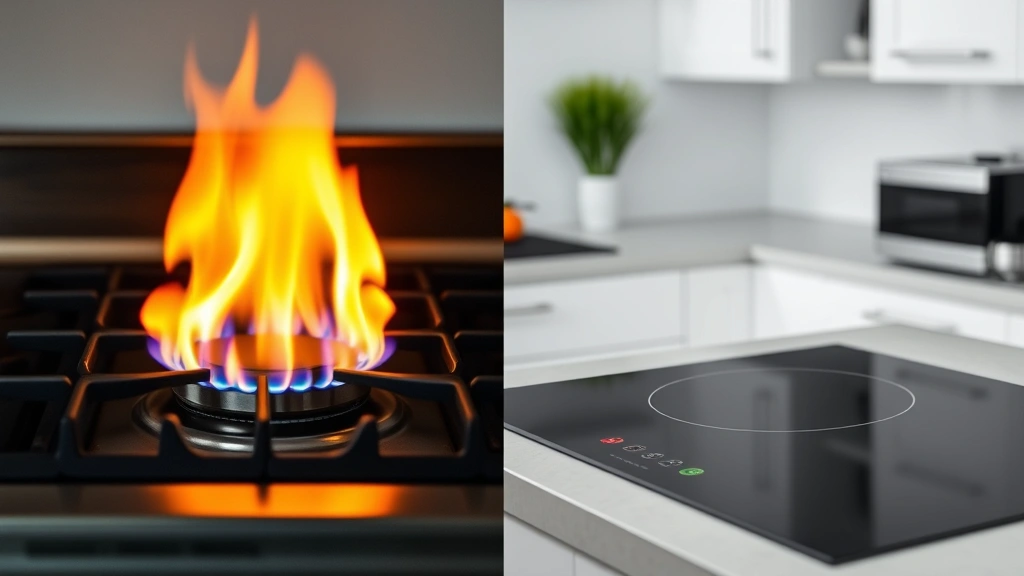
Induction cooktops: Using electromagnetic energy to heat cookware directly, induction technology produces zero combustion byproducts and offers precise temperature control. They’re highly efficient, with approximately 90% of energy transferred to cookware compared to 70% for gas stoves. However, induction requires compatible cookware and represents a higher upfront investment.
Convection and microwave cooking: These methods offer alternatives for specific cooking tasks. Microwaves are extremely efficient for reheating and cooking certain foods, while convection ovens distribute heat more evenly than conventional ovens.
The environmental considerations extend beyond just indoor air quality. Sustainable energy solutions increasingly emphasize electrification of home appliances as part of decarbonization strategies. When electricity comes from renewable sources, electric cooking becomes significantly more environmentally friendly than fossil fuel combustion.
Research comparing lifecycle emissions—from fuel extraction through appliance manufacturing and operation—shows that electric cooking powered by renewable electricity has the lowest environmental impact. Even grid electricity, which includes fossil fuels in most regions, produces fewer emissions than direct gas combustion when accounting for the inefficiencies of fuel extraction and delivery.
Practical Solutions and Risk Reduction
For households currently using gas stoves, several practical measures can reduce health risks while cooking:
Ventilation optimization: The most important step is ensuring effective ventilation. Install range hoods that vent outside rather than recirculating air. Ensure hood exhaust vents directly outside through a dedicated duct, not into attics or crawl spaces. Use the hood during cooking and for 15-20 minutes afterward to clear residual pollutants. Modern variable-speed hoods can operate quietly at lower speeds during light cooking and increase speed for more intensive cooking.
Window ventilation: Opening windows during and after cooking introduces fresh outdoor air that dilutes indoor pollutants. Even partial opening significantly improves air exchange. This approach is most practical in temperate climates and seasons but offers free, immediate relief.
Air purification: HEPA filters can capture particulate matter, though they don’t remove gaseous pollutants like nitrogen dioxide. Activated carbon filters help with some volatile organic compounds. While not eliminating the problem, air purifiers offer supplementary protection, particularly for vulnerable populations like children and elderly individuals.
Cooking practice modifications: Reducing cooking time, using lower flame settings when appropriate, and avoiding prolonged preheating decreases emissions. Using electric kettles for boiling water instead of stovetop kettles, and choosing cooking methods that require less time, reduces overall exposure.
Maintenance: Ensure gas stoves are properly maintained and serviced. Poorly functioning stoves may produce higher emissions due to incomplete combustion. Regular professional inspection can identify problems before they worsen.
These interim measures help reduce risk but don’t eliminate it entirely. They represent necessary precautions while considering longer-term solutions.
Transitioning to Sustainable Kitchen Options
For households seeking to eliminate gas stove health risks while advancing sustainability goals, transitioning to electric or induction cooking represents the optimal solution. This transition aligns with broader efforts toward definition of sustainability, which emphasizes meeting present needs without compromising future generations’ ability to meet theirs.
The transition process involves several considerations:
Timing and planning: Replacing a functional gas stove requires careful planning. Many households view kitchen renovations as opportunities for this upgrade. New construction offers the easiest transition point, allowing builders to install electric or induction equipment from the start.
Cost analysis: Induction cooktops typically cost more upfront than gas stoves, but lower operating costs and improved efficiency offset higher initial investment over the appliance’s lifetime. Electric resistance stoves offer more affordable alternatives. Many utility companies and environmental programs offer rebates for transitioning from gas to electric cooking, reducing net costs.
Cookware considerations: Gas and electric resistance stoves work with any cookware, while induction requires ferromagnetic cookware. Most households find they can use 70-80% of existing pots and pans with induction; remaining cookware can be gradually replaced. This staged transition reduces upfront costs.
Performance and cooking quality: Modern induction cooktops offer superior temperature control and heating speed compared to gas stoves. Professional chefs increasingly prefer induction for its precision and responsiveness. The learning curve is minimal—most users adapt within days.
Environmental impact: When powered by renewable electricity, electric cooking eliminates direct fossil fuel consumption. Even with current grid electricity mixes, electric cooking produces lower lifecycle emissions than gas cooking. As grids become cleaner through renewable energy expansion, the environmental benefits increase automatically without any household action.
Examining green technology innovations transforming our future reveals that electrification of household appliances represents one of the most impactful climate strategies available. Cooking appliances, while individually small contributors to household energy use, collectively represent significant emissions when multiplied across millions of homes.
The advantages of electric vehicles in transportation parallel those of electric cooking—lower operating costs, superior performance, zero direct emissions, and decreasing environmental impact as energy grids decarbonize. Both represent transitions from combustion-based to electric-based technologies.
Frequently Asked Questions
Are gas stoves dangerous if I use them properly?
Proper use reduces but doesn’t eliminate risks. Even well-functioning gas stoves emit nitrogen dioxide and particulates. Risk depends on cooking frequency, ventilation quality, and individual susceptibility. Vulnerable populations—children, elderly, and those with respiratory conditions—face greater health risks even with proper use.
What ventilation system is most effective for gas stoves?
Range hoods that vent outside (not recirculating) are most effective. Hood capacity should match cooking intensity, typically 100-150 cubic feet per minute (CFM) for residential kitchens. Ducting should be as short and straight as possible, with dampers preventing backflow. Professional installation ensures effectiveness.
Can I use a gas stove safely in an apartment?
Apartment kitchens often have limited ventilation options. Recirculating hoods, common in apartments, provide minimal pollution control. Opening windows helps but may be limited in winter. In apartments with poor ventilation, induction or electric portable cooktops offer practical alternatives. Check lease terms before making changes.
How do gas stove emissions compare to outdoor air pollution?
Gas stove emissions can exceed outdoor air quality standards during cooking. The difference is that outdoor air constantly refreshes, while indoor air accumulates pollutants. A single cooking session may create indoor concentrations that would be concerning if sustained outdoors, and cumulative daily exposure adds up significantly.
Will switching to electric cooking reduce my carbon footprint?
This depends on your electricity grid’s energy mix. In regions with renewable energy, switching to electric cooking immediately reduces emissions. Even with current grid electricity, electric cooking typically produces lower lifecycle emissions than gas cooking. As grids become cleaner, the environmental benefit increases automatically.
What’s the difference between induction and electric resistance cooking?
Induction uses electromagnetic fields to heat cookware directly, achieving 90% energy efficiency. Electric resistance coils heat through electrical resistance, achieving 70% efficiency. Induction offers faster heating, better temperature control, and cooler stovetop surfaces. Electric resistance is more affordable and works with any cookware.
How quickly do gas stove pollutants disperse?
Nitrogen dioxide and particulates can remain in kitchen air for hours after cooking. Proper ventilation removes pollutants within 15-20 minutes if the hood is used effectively. Without ventilation, pollutants gradually spread throughout the home and may persist for several hours.
Are there health benefits to switching away from gas stoves?
Yes. Eliminating direct combustion in the home reduces indoor air pollutants, improving respiratory health, reducing asthma symptoms, and decreasing cardiovascular disease risk. Benefits are greatest for children and vulnerable populations but extend to all household members.


