Is Dominion Gas Sustainable? Ohio Data and Environmental Impact Analysis
Dominion Energy serves millions of customers across the United States, including a significant presence in Ohio where natural gas distribution remains a critical utility. As consumers increasingly prioritize environmental responsibility, the question of whether Dominion Gas operations align with sustainability goals has become increasingly important. This comprehensive analysis examines Dominion’s sustainability practices in Ohio, evaluates their environmental commitments, and explores what the data reveals about their role in the energy transition.
Ohio’s energy landscape is undergoing significant transformation. With growing pressure to reduce carbon emissions and transition away from fossil fuels, utility companies like Dominion face mounting scrutiny regarding their environmental performance. Understanding Dominion Gas’s sustainability practices in Ohio requires examining their emissions data, renewable energy investments, infrastructure modernization efforts, and how they compare to industry standards and state environmental goals.
Dominion Energy’s Ohio Operations and Market Position
Dominion Energy operates as one of the largest natural gas distributors in Ohio, serving hundreds of thousands of residential and commercial customers throughout the state. The company’s infrastructure includes extensive pipeline networks, distribution systems, and storage facilities that have been developed over decades. Understanding Dominion’s scale and operational footprint in Ohio is essential for evaluating their overall sustainability impact.
In Ohio, Dominion manages gas distribution systems that connect consumers to natural gas supplies used for heating, cooking, and industrial applications. The company’s operational presence spans multiple regions, making it a significant player in the state’s energy infrastructure. Their business model traditionally relies on natural gas consumption, which creates an inherent tension between profitability and sustainability objectives.
Dominion’s market position in Ohio reflects broader trends in American energy distribution. While the company has begun investing in renewable energy and modernizing infrastructure, natural gas remains their primary revenue source. This dependency on fossil fuels raises questions about whether their sustainability initiatives represent genuine transformation or incremental adjustments to maintain market relevance.
The company’s commitment to Ohio includes employment of thousands of workers and substantial investments in infrastructure maintenance and upgrades. However, the sustainability question extends beyond economic contributions to encompass environmental responsibility and alignment with climate goals. Examining their actual environmental performance requires looking beyond marketing statements to concrete data and measurable outcomes.

Carbon Emissions and Environmental Performance Metrics
Natural gas combustion produces carbon dioxide and methane, both potent greenhouse gases. Dominion Gas’s sustainability credentials depend significantly on their emissions profile and efforts to reduce their environmental impact. Ohio’s specific data regarding Dominion’s emissions provides insight into their actual environmental performance rather than stated intentions.
When customers burn natural gas delivered by Dominion, they generate carbon emissions. Scope 3 emissions—those produced by end-users consuming the company’s products—represent the largest portion of Dominion’s total carbon footprint. This means that even with operational improvements, Dominion’s fundamental business model inherently contributes to greenhouse gas emissions. The sustainability question becomes whether the company actively works to minimize these impacts or simply accepts them as inevitable.
Dominion has published climate goals, including commitments to reduce carbon emissions by specific percentages by certain target years. However, examining whether these targets align with scientific recommendations for limiting global warming to 1.5 or 2 degrees Celsius is critical. Many utility companies’ climate pledges focus on operational emissions while downplaying or ignoring Scope 3 emissions from customer consumption, which can represent over 90 percent of their total climate impact.
Ohio-specific emissions data from Dominion reveals the magnitude of their environmental footprint within the state. Methane leakage from gas distribution infrastructure—a particular concern in older pipeline systems—contributes significantly to environmental impact. Methane has a global warming potential 80 times greater than carbon dioxide over a 20-year period, making pipeline integrity and leak detection crucial sustainability metrics.
Third-party assessments and regulatory filings provide more objective measures of Dominion’s environmental performance than company-generated sustainability reports. The EPA tracks natural gas distribution emissions, and state-level environmental agencies monitor utility company performance. Comparing Dominion’s actual emissions to these benchmarks reveals whether their performance exceeds, meets, or falls short of environmental standards.
Natural Gas Infrastructure and Methane Leakage
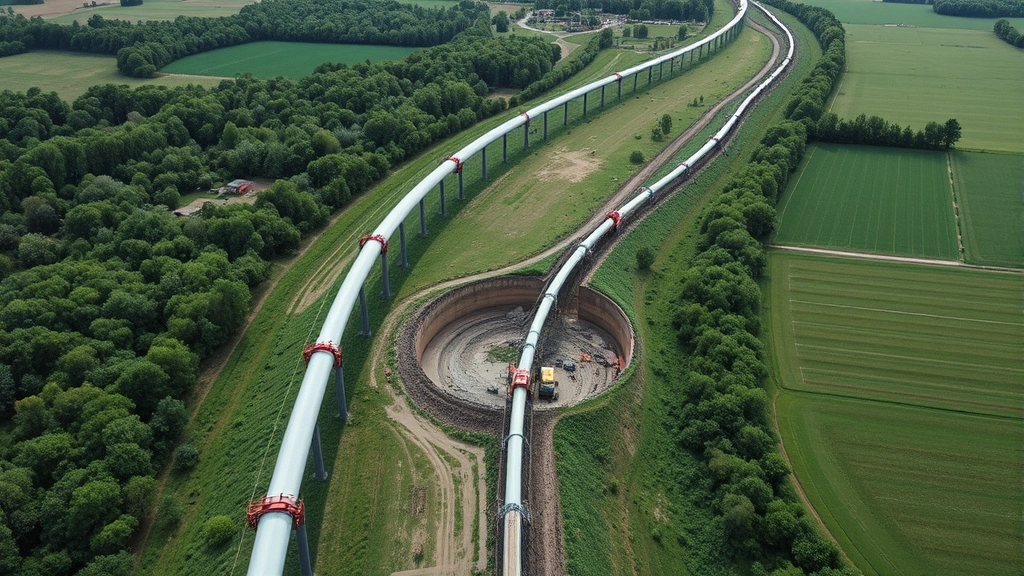
Methane leakage from natural gas distribution systems represents a significant environmental concern that directly impacts sustainability assessments. Dominion’s Ohio pipeline network, some portions of which date back over a century, requires ongoing maintenance and modernization to minimize fugitive emissions. The age of infrastructure correlates strongly with leakage rates, making pipe replacement investments a key sustainability metric.
Dominion has initiated infrastructure modernization programs aimed at replacing older cast iron and unprotected steel pipes with modern materials that resist corrosion and reduce leakage. These programs represent genuine sustainability improvements by decreasing methane emissions. However, the pace of replacement and the percentage of infrastructure upgraded relative to total pipeline miles indicates the company’s actual commitment to addressing this issue.
Studies examining methane emissions from natural gas distribution networks in Ohio and across the Midwest have documented significant leakage from aging infrastructure. Some research suggests actual leakage rates exceed industry estimates by substantial margins. This discrepancy raises questions about whether Dominion’s reported emissions reductions accurately reflect environmental improvements or simply reflect measurement methodology changes.
The sustainability impact of infrastructure investment depends on several factors: the pace of modernization, the materials used in replacement pipes, the detection and repair protocols for leaks, and the overall reduction in methane emissions achieved. Dominion’s specific investments in Ohio infrastructure modernization, compared to peer utilities and to the total infrastructure requiring replacement, provide measurable evidence of their sustainability commitment.
Advanced leak detection technologies, including infrared imaging and acoustic monitoring, can identify methane leaks that traditional methods miss. Dominion’s adoption and deployment of these technologies throughout their Ohio operations indicates whether they prioritize emissions reduction. Companies committed to sustainability typically invest in cutting-edge detection and repair capabilities rather than relying on traditional maintenance schedules.
Renewable Energy Investments and Sustainability Commitments
True sustainability requires moving beyond incremental improvements to fossil fuel operations toward genuine energy transition. Dominion’s investments in renewable energy, energy efficiency programs, and alternative energy solutions provide evidence of their commitment to broader sustainability goals. Examining these investments in Ohio specifically reveals their actual priorities.
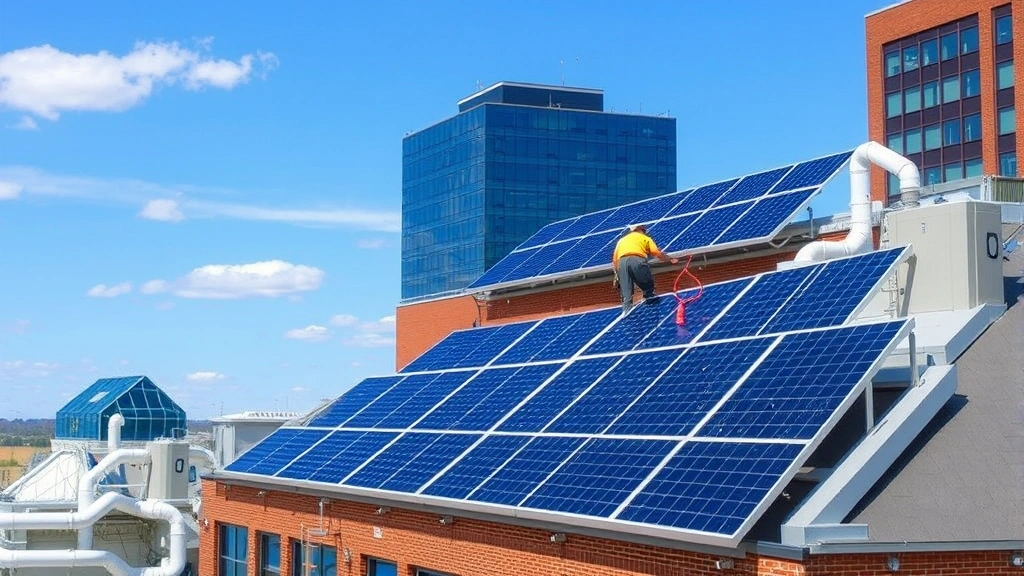
Dominion operates solar and wind facilities, though the percentage of their total energy portfolio these represent varies significantly. For a natural gas distribution company, renewable energy investments may represent diversification rather than core business transformation. The sustainability question becomes whether these investments constitute meaningful transition or marketing-focused greenwashing.
Energy efficiency programs help customers reduce consumption, which decreases emissions from both Dominion’s operations and customer usage. Programs offering rebates for high-efficiency heating systems, weatherization improvements, and smart thermostats represent practical sustainability tools. The reach and effectiveness of these programs in Ohio, measured by participation rates and total energy savings achieved, indicate their real-world impact.
Dominion’s involvement in emerging technologies like hydrogen production and carbon capture represents investment in potential future solutions. However, the current viability and sustainability of these technologies remain subject to scientific debate. Investments in unproven technologies can serve as legitimate sustainability exploration or as a strategy to delay transition away from fossil fuels while appearing forward-thinking.
Comparing Dominion’s renewable and efficiency investments to their total capital expenditure reveals whether sustainability represents a primary business focus or a secondary consideration. Companies genuinely committed to energy transition typically allocate substantial portions of capital to alternatives, while those maintaining fossil fuel dependence allocate minimal resources to transition initiatives.
Comparison with Industry Standards and State Goals
Ohio established climate goals through various policy frameworks, though the state has historically lagged behind national leadership on emissions reduction. Evaluating Dominion Gas’s sustainability performance requires comparing their environmental commitments and actual performance to both state-level goals and peer utility company standards.
The Center for Climate and Energy Solutions tracks utility company climate commitments and actual performance. Dominion’s stated goals and achieved emissions reductions compared to peer companies reveal their relative sustainability performance. This comparative analysis prevents companies from appearing sustainable simply by implementing minor improvements while lagging significantly behind industry leaders.
Ohio’s renewable energy standards and energy efficiency requirements establish baseline expectations for utility companies. Dominion’s compliance with these standards, measured against the requirement rather than celebrated as voluntary commitment, provides essential context. Companies exceeding minimum requirements demonstrate genuine sustainability commitment, while those merely meeting mandates suggest compliance-driven rather than values-driven approaches.
State-level environmental agencies provide data on natural gas utility performance regarding emissions, safety, and infrastructure maintenance. Comparing Dominion’s performance metrics to other Ohio utilities and national averages reveals whether they lead, match, or trail industry standards. Consistent underperformance indicates sustainability concerns, while leadership suggests genuine commitment.
Peer utility companies in neighboring states and across the nation provide benchmarks for evaluating Dominion’s sustainability performance. Some utilities have committed to more ambitious emissions reduction targets, invested more substantially in renewable energy, and modernized infrastructure more rapidly than Dominion. These comparisons prevent accepting Dominion’s efforts as sufficient without examining whether better alternatives exist.
Customer Options and Alternative Energy Solutions
For Ohio consumers served by Dominion Gas, understanding sustainability implications requires examining available alternatives and how switching costs and practical considerations affect real-world choices. While individual customer decisions cannot solve systemic energy challenges, they reflect the practical sustainability landscape facing Ohio residents.
Customers interested in sustainable energy solutions have several options beyond accepting Dominion’s service. Electric heat pumps powered by renewable electricity offer lower-carbon heating alternatives. Air source heat pumps, ground source systems, and other electric heating technologies can replace natural gas furnaces and water heaters. The feasibility and cost-effectiveness of these transitions depend on individual circumstances, but they represent increasingly viable sustainability choices.
For customers unable or unwilling to switch entirely away from natural gas, reducing environmental footprint through efficiency improvements remains valuable. High-efficiency appliances, improved insulation, weatherization, and smart controls decrease natural gas consumption and associated emissions. Dominion’s efficiency programs can facilitate these improvements, though customers can also pursue them independently.
Renewable natural gas and biomethane represent potential alternatives to conventional natural gas, though their availability, sustainability, and cost remain limited in Ohio. Some utilities have begun blending renewable gas into distribution systems, reducing overall emissions from conventional gas consumption. Dominion’s initiatives in this area, if any, represent incremental sustainability improvements.
Understanding natural gas versus propane options helps customers make informed choices. While propane remains a fossil fuel, it offers different infrastructure and efficiency characteristics than natural gas. For some applications, propane may provide advantages, though it doesn’t represent a sustainability solution but rather an alternative approach to similar challenges.
Community-level alternatives like district heating systems powered by renewable energy offer another approach, though implementation in most Ohio communities remains limited. As communities invest in infrastructure modernization, incorporating renewable district heating systems could provide low-carbon heating alternatives to individual natural gas connections. Supporting such initiatives represents a longer-term sustainability strategy.
Future Outlook and Transition Planning
Dominion’s sustainability trajectory depends on how the company plans for and executes transition away from fossil fuel dependence. Examining their long-term strategy reveals whether current sustainability initiatives represent genuine transformation or temporary accommodations to regulatory and consumer pressure.
Natural gas distribution infrastructure represents enormous sunk capital investment. For Dominion, maintaining and maximizing returns on this infrastructure creates financial incentives to maintain high gas consumption rates. This structural conflict between stranded asset concerns and climate goals affects how aggressively the company pursues genuine energy transition. Understanding this dynamic is essential for evaluating whether current initiatives will continue or diminish as regulatory pressure fluctuates.
State-level policy changes will significantly influence Dominion’s future sustainability performance. Strengthened emissions regulations, renewable energy requirements, and building electrification standards would require accelerated transition. Conversely, policy rollbacks or industry-friendly regulations could enable Dominion to maintain fossil fuel dependence longer. Ohio’s policy trajectory will substantially determine whether Dominion becomes more sustainable or continues current practices.
Technological advances in heat pumps, renewable electricity generation, battery storage, and grid management continue improving the viability of electric alternatives to natural gas. As these technologies improve and costs decline, the sustainability case for natural gas weakens. Dominion’s ability to transition successfully depends partly on external technological trends and partly on their willingness to embrace transformation rather than resist it.
Worker transition and community economic considerations affect realistic sustainability timelines for natural gas utilities. Dominion’s workforce depends on natural gas operations, and rapid transition could create economic hardship. Sustainable energy transition requires addressing these human dimensions through worker retraining, community investment, and just transition principles. Whether Dominion incorporates these considerations into their planning affects the true sustainability of their transition strategy.
The United Nations Framework Convention on Climate Change provides international context for energy transition timelines and goals. Comparing Dominion’s sustainability commitments to these global standards reveals whether their efforts align with what climate science indicates is necessary. Many utility company commitments fall significantly short of what international climate agreements require.
FAQ
Is Dominion Gas in Ohio sustainable?
Dominion Gas’s sustainability in Ohio is mixed. The company has undertaken infrastructure modernization, efficiency programs, and renewable energy investments, but natural gas distribution remains fundamentally carbon-intensive. While some improvements reduce emissions, the company’s core business model depends on fossil fuel consumption. True sustainability would require more aggressive transition toward renewable alternatives and electrification.
What is Dominion’s carbon footprint in Ohio?
Dominion’s carbon footprint in Ohio includes operational emissions from gas distribution and customer combustion emissions from natural gas consumption. Scope 3 emissions from customer usage represent the largest portion. Specific data varies by year and measurement methodology, but Dominion serves hundreds of thousands of Ohio customers, making their total footprint substantial.
Does Dominion offer renewable energy options to Ohio customers?
Dominion offers energy efficiency programs and has invested in renewable energy generation. However, as a natural gas utility, their primary service remains fossil fuel distribution. Customers interested in renewable energy must typically pursue alternatives independently, such as switching to electric heating or purchasing renewable electricity from other providers.
How does Dominion’s Ohio infrastructure compare to sustainability standards?
Dominion’s Ohio infrastructure includes aging pipes that require modernization to reduce methane leakage. The company has undertaken replacement programs, but the pace varies and some infrastructure remains old. Compared to industry leaders in sustainability, Dominion’s infrastructure modernization efforts appear moderate rather than exceptional.
What alternatives exist to Dominion Gas in Ohio?
Customers can reduce natural gas dependence by switching to electric heating systems powered by renewable electricity, improving efficiency to reduce consumption, or exploring renewable natural gas where available. Complete independence from Dominion may not be possible for all customers due to infrastructure limitations, but reducing consumption and considering alternatives represents practical sustainability action.
Will Dominion transition away from natural gas?
Dominion has not committed to eliminating natural gas distribution. The company’s strategy focuses on modernizing operations and investing in renewables while maintaining gas service. Genuine transition would require fundamentally restructuring the company away from fossil fuel dependence, which current plans do not indicate.


