Eco-Friendly Gas Tips for Christmas: Expert Advice for Sustainable Holiday Travel
The Christmas season brings joy, family gatherings, and unfortunately, a significant spike in carbon emissions. With millions of people traveling during the holidays, fuel consumption reaches annual peaks, contributing substantially to greenhouse gas emissions. However, this year doesn’t have to follow the same environmental pattern. By implementing strategic, eco-friendly gas tips, you can celebrate Christmas while minimizing your carbon footprint and supporting a more sustainable future.
Whether you’re driving to a family gathering across state lines or making multiple shopping trips around town, your vehicle choices and driving habits directly impact the planet. The good news? Small adjustments to your holiday travel routine can yield meaningful environmental benefits. This comprehensive guide explores actionable strategies to reduce fuel consumption, optimize vehicle efficiency, and make conscious transportation decisions during the festive season.

Understanding Your Vehicle’s Carbon Footprint During Holiday Season
The average passenger vehicle emits approximately 4.6 metric tons of carbon dioxide annually. During the Christmas season, when travel increases by 50-60% compared to regular months, individual vehicles can contribute disproportionately to seasonal emissions spikes. Understanding this impact is the first step toward making meaningful changes.
Holiday travel patterns differ significantly from everyday commuting. Instead of short, routine trips, Christmas journeys often involve long-distance travel with fully loaded vehicles, multiple passengers, and extended idling periods. These factors compound fuel consumption and emissions. A family road trip of 500 miles can generate 200+ pounds of CO2, depending on vehicle type and efficiency.
The transportation sector accounts for approximately 29% of total U.S. greenhouse gas emissions, according to EPA emissions data. Personal vehicles represent a substantial portion of this figure. By addressing your holiday travel emissions, you’re contributing to broader climate mitigation efforts while modeling sustainable behavior for family and friends.
Consider that your vehicle’s fuel type matters significantly. Gasoline-powered cars emit approximately 20 pounds of CO2 per gallon burned. Over a holiday season with increased driving, this accumulates rapidly. Understanding these numbers motivates action and helps you appreciate the impact of eco-friendly adjustments.
Pre-Holiday Vehicle Maintenance for Optimal Efficiency
Before embarking on Christmas journeys, proper vehicle maintenance ensures maximum fuel efficiency. A well-maintained vehicle can improve gas mileage by 3-10%, translating to meaningful emissions reductions and cost savings over holiday travel periods.
Tire Pressure and Alignment
Underinflated tires create excessive rolling resistance, forcing your engine to work harder and consume more fuel. Check tire pressure weekly during holiday season, maintaining manufacturer-recommended PSI levels. Proper alignment prevents uneven tire wear and reduces drag, improving efficiency by 1-3%. Many service stations offer free tire pressure checks during winter months.
Oil Changes and Filters
Fresh, quality oil reduces engine friction and improves efficiency. Using the manufacturer-recommended oil viscosity is crucial; thicker oils increase resistance and fuel consumption. Replace air filters regularly—clogged filters force engines to work inefficiently. Clean filters can improve fuel economy by 5-15% in some cases.
Engine Tune-Ups
Spark plugs, fuel injectors, and engine sensors significantly impact combustion efficiency. Worn spark plugs can reduce fuel economy by 3%. A comprehensive tune-up before holiday travel ensures your engine runs optimally, consuming less fuel while reducing emissions. This represents an investment in both environmental responsibility and vehicle longevity.
Battery and Electrical System Checks
A weak battery forces the alternator to work harder, consuming additional fuel. Cold winter weather stresses electrical systems, making pre-holiday checks essential. Ensure your battery maintains proper charge and all electrical components function efficiently.
Smart Driving Habits That Save Fuel and Emissions
Driver behavior represents one of the most significant factors affecting fuel consumption. Aggressive driving increases fuel use by 40% compared to moderate, steady driving. During holiday travel, adopting eco-conscious driving habits reduces emissions while improving safety.
Maintain Steady Speeds
Constant acceleration and deceleration waste fuel significantly. Maintaining steady speeds between 45-65 mph optimizes fuel efficiency. Highway driving at 70 mph consumes approximately 9% more fuel than 60 mph driving. During holiday travel, patience and consistency pay dividends in both environmental impact and fuel costs.
Minimize Idling
Idling consumes fuel without producing forward motion. Modern vehicles use minimal fuel during restarts—far less than idling for 10+ seconds. Turn off your engine when stopped for extended periods, particularly during holiday shopping or family visits. Remote start systems, while convenient, increase emissions and fuel consumption unnecessarily.
Reduce Vehicle Weight
Every 100 pounds of additional weight decreases fuel economy by approximately 2%. Before holiday trips, remove unnecessary items from your vehicle. Holiday shopping bags, luggage, and decorations add weight quickly. Roof racks and cargo carriers increase aerodynamic drag significantly, reducing efficiency by 5-25%. Consider packing strategically inside your vehicle rather than on exterior carriers.
Plan Efficient Routes
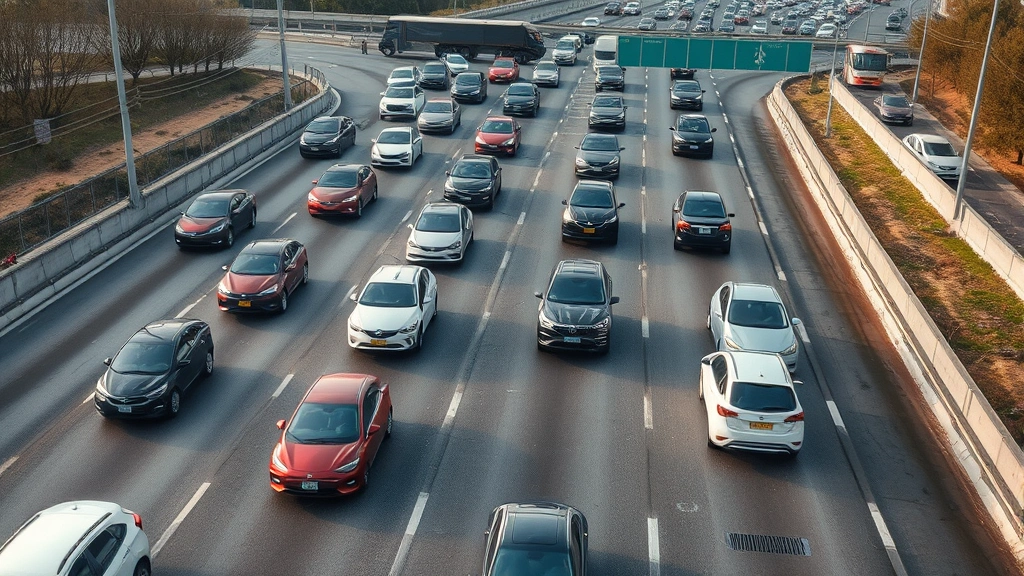
Traffic congestion during holiday season increases fuel consumption and emissions. Use GPS navigation applications to identify routes with minimal traffic, fewer stops, and shorter distances. Real-time traffic data helps you avoid congested highways and reduce overall travel time, directly lowering fuel consumption and emissions.
Alternative Transportation Methods for Christmas Travel
While personal vehicles dominate holiday travel, alternative transportation methods offer significant environmental benefits. Exploring these options expands your sustainability toolkit and may reduce travel-related stress during busy holiday periods.
Public Transportation
Buses, trains, and other public transit systems transport multiple passengers simultaneously, dramatically reducing per-person emissions. A single passenger train journey produces approximately 90% fewer emissions than individual car travel. Many cities offer holiday promotions on public transit passes, making sustainable travel more affordable. Holiday trains and scenic routes provide festive experiences while reducing environmental impact.
Carpooling and Ridesharing
Sharing vehicles with family, friends, or colleagues divides fuel consumption and emissions among passengers. A four-person carpool reduces individual carbon footprints by 75% compared to solo driving. Holiday gatherings often involve multiple people traveling to similar destinations, making carpooling logistically practical. Coordinate with coworkers and relatives to establish holiday travel groups.
Biking and Walking
For local Christmas shopping and activities, bicycles and walking eliminate emissions entirely. E-bikes extend range and reduce physical exertion, making them viable for holiday errands. Many communities enhance cycling infrastructure during winter months, improving safety and accessibility.
Aviation Considerations
For distant holiday travel, commercial flights actually produce fewer per-passenger emissions than individual vehicles when comparing distance traveled. A cross-country flight produces approximately 0.16 kg CO2 per kilometer per passenger, compared to 0.21 kg for solo driving. Flying with full planes maximizes this efficiency benefit.
Planning Routes and Consolidating Trips
Strategic trip planning represents one of the most effective ways to reduce holiday travel emissions. Consolidating multiple errands into single trips and planning efficient routes dramatically decreases fuel consumption.
Cluster Shopping Errands
Rather than making separate trips for different stores, identify shopping destinations in proximity and visit them sequentially. Planning your route before leaving home minimizes backtracking and wasted mileage. This approach reduces fuel consumption by 20-40% compared to scattered shopping trips throughout the season.
Utilize Online Shopping
E-commerce eliminates personal travel for many holiday purchases. While shipping produces some emissions, consolidated shipping from distribution centers typically generates fewer per-item emissions than individual driving to multiple stores. Choosing slower shipping options reduces emissions further, as carriers consolidate shipments more efficiently.
Coordinate Holiday Gatherings
Suggest centralized holiday locations that minimize travel distances for all attendees. Hosting celebrations at accessible locations reduces total travel emissions across your entire guest list. Video calls supplement in-person gatherings for distant relatives, reducing unnecessary travel while maintaining connection.
Batch Errands Strategically
Complete all necessary tasks during single outings. Combine holiday shopping, gas station visits, postal deliveries, and other errands into one efficient route. This reduces total mileage and fuel consumption significantly compared to multiple separate trips.
Considering Electric and Hybrid Vehicles
For those planning vehicle purchases or considering holiday rentals, electric and hybrid vehicles offer substantial environmental benefits. These technologies represent the future of sustainable transportation and increasingly available options for holiday travel.
Electric Vehicle Advantages
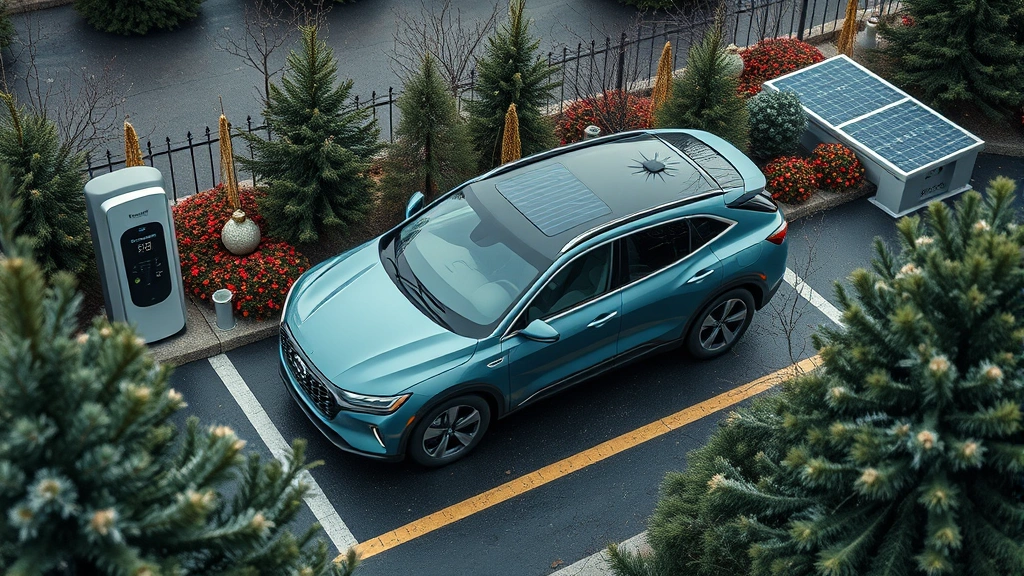
Battery electric vehicles produce zero tailpipe emissions, eliminating direct greenhouse gas contributions. Even accounting for electricity grid emissions, EVs produce 50-70% fewer lifecycle emissions than gasoline vehicles. Modern EVs offer ranges of 200-400 miles per charge, suitable for most holiday travel. Expanding charging infrastructure makes long-distance EV travel increasingly feasible.
Hybrid Vehicle Benefits
Hybrid vehicles combine gasoline and electric propulsion, improving fuel efficiency by 30-50% compared to conventional vehicles. They regenerate energy during braking, capturing power typically wasted. Hybrids eliminate the range anxiety associated with pure electric vehicles while substantially reducing emissions and fuel costs.
Rental and Leasing Options
If purchasing isn’t feasible, renting electric or hybrid vehicles for holiday trips supports sustainable transportation without long-term commitment. Many rental companies offer expanded EV fleets during peak travel seasons. Leasing programs provide access to latest technology with minimal environmental impact from manufacturing.
Explore sustainable energy solutions that extend beyond vehicle selection to encompass home charging infrastructure and renewable electricity sources. Installing solar panels or subscribing to renewable energy programs ensures your vehicle charging relies on clean power.
Carbon Offset Programs for Holiday Travel
For unavoidable emissions from necessary holiday travel, carbon offset programs provide mechanisms to support environmental projects that compensate for your impact. These programs represent an important tool in your comprehensive sustainability strategy.
Understanding Carbon Offsets
Carbon offsets represent verified reductions in greenhouse gas emissions, typically measured in metric tons of CO2 equivalent. When you purchase offsets, your money funds projects that reduce or prevent emissions elsewhere, theoretically balancing your travel-related carbon footprint. Reputable offset programs support renewable energy development, reforestation, and methane capture initiatives.
Evaluating Offset Quality
Not all carbon offset programs maintain equal standards. Look for projects certified by Verra, Gold Standard, or American Carbon Registry, ensuring rigorous verification and additionality. Additionality confirms that projects wouldn’t occur without offset funding. Research specific initiatives before purchasing to ensure your money supports genuine environmental benefits.
Calculating Your Holiday Travel Emissions
Determine your holiday travel emissions using online calculators that factor in vehicle type, distance, and fuel economy. A typical 500-mile round trip in a mid-size sedan produces approximately 200-250 pounds of CO2. Calculate total seasonal travel emissions to determine appropriate offset purchases.
Offset Programs and Providers
Major airlines and travel companies offer integrated carbon offset options during booking. Third-party providers like Carbon Footprint Ltd and similar organizations allow standalone offset purchases. Costs typically range from $5-15 per metric ton of CO2, making holiday travel offsets relatively affordable.
Remember that offsets represent one component of comprehensive sustainability strategies. Prioritize reducing emissions through efficient driving, vehicle selection, and trip consolidation before relying on offsets for remaining unavoidable emissions.
Maximizing Your Holiday Sustainability Impact
Implementing multiple strategies creates compounding environmental benefits. A household that maintains vehicle efficiency, adopts smart driving habits, consolidates trips, and offsets remaining emissions can reduce holiday travel impact by 60-80% compared to typical seasonal patterns.
Share these practices with family and friends, creating a ripple effect of sustainable behavior. When relatives observe your commitment to eco-friendly Christmas travel, they often adopt similar practices, multiplying your environmental impact exponentially. Make sustainability part of your holiday tradition and values.
Explore comprehensive strategies for reducing your environmental footprint beyond holiday travel. Transportation represents one component of personal sustainability; extending these principles to home energy, consumption, and waste management creates holistic environmental responsibility.
Visit the SustainWise Hub Blog for additional sustainability insights and practical environmental guidance. Learn about green technology innovations transforming our future that shape sustainable transportation options available today and tomorrow.
FAQ
How much can I reduce emissions by implementing these strategies?
Combining vehicle maintenance, efficient driving, trip consolidation, and alternative transportation can reduce holiday travel emissions by 50-75%. Individual results vary based on baseline driving patterns and available alternatives in your area.
Are electric vehicles practical for long-distance holiday travel?
Modern electric vehicles offer sufficient range for most holiday trips, with 200-400 mile capabilities between charges. Expanding charging infrastructure supports long-distance EV travel increasingly well. Plan routes around charging stations and allow additional time for charging stops.
What’s the most impactful single change I can make?
Consolidating trips and reducing total mileage provides the most significant emissions reduction. Every mile not driven eliminates proportional fuel consumption and emissions. This strategy also saves time and money while reducing stress during busy holiday periods.
How do I calculate my holiday travel carbon footprint?
Multiply total miles driven by your vehicle’s CO2 emissions per mile. Most vehicles produce 0.4-0.5 pounds CO2 per mile. A 500-mile round trip produces approximately 200-250 pounds CO2. Online calculators provide more precise estimates accounting for vehicle type and fuel economy.
Are carbon offsets effective?
Quality-certified offsets support genuine emission reductions through verified projects. However, offsets should complement rather than replace direct emissions reduction efforts. Prioritize reducing actual emissions first, then offset remaining unavoidable travel impact.
Can I make a difference as an individual?
Absolutely. Individual actions aggregate into significant environmental impact. When millions of people adopt eco-friendly practices, collective emissions reductions become substantial. Your choices influence family, friends, and community members, multiplying your impact exponentially.


