Gas Cooker Repairs: Local Expert Tips for Safe, Efficient Cooking
Gas cookers are workhorses in kitchens across the world, offering reliable heat and precise temperature control for home chefs and busy families alike. However, like all appliances, they require proper maintenance and timely repairs to function safely and efficiently. When your gas cooker starts acting up—whether it’s a weak flame, ignition problems, or unusual noises—knowing how to find qualified local repair experts becomes essential. This comprehensive guide explores professional gas cooker repair solutions, safety considerations, and how maintaining your appliance contributes to a more sustainable household.
Finding trustworthy gas cooker repairs near me doesn’t have to be stressful. By understanding common issues, recognizing warning signs, and knowing what to expect from professional service, you can make informed decisions that keep your kitchen running smoothly while ensuring your family’s safety. Beyond immediate repairs, we’ll explore how proper appliance maintenance aligns with broader environmental responsibility and reducing your carbon footprint.
Common Gas Cooker Problems and Warning Signs
Understanding the most frequent issues that plague gas cookers helps you identify problems early and seek appropriate repairs. The ignition system ranks among the most common failure points—whether it’s the electronic igniter that won’t spark or the pilot light that refuses to stay lit. These issues can range from simple fixes like cleaning burner ports to more complex electrical component replacements.
Weak or uneven flame distribution across burners signals several potential problems. Clogged burner ports, often caused by food residue or mineral deposits, restrict gas flow and create weak flames. Similarly, a faulty gas valve may not deliver adequate pressure to all burners simultaneously. Unusual odors—particularly sulfur-like smells—warrant immediate attention, as they may indicate gas leaks requiring emergency professional intervention.
Clicking sounds that persist after ignition suggest issues with the ignition system’s electrical components. Some cookers continue clicking even after the burner lights, which typically points to a faulty ignition switch or moisture intrusion in the ignition assembly. Temperature inconsistencies, where your cooker won’t reach desired heat levels or maintains inconsistent temperatures, often stem from thermostat malfunctions or gas pressure problems.
Visible rust, corrosion, or damage to the cooktop surface, burner caps, or grates indicates the appliance needs professional inspection. Rust can compromise structural integrity and potentially affect gas flow safety. If you notice any of these warning signs, searching for reliable gas cooker repair services nearby becomes your priority to prevent safety hazards and further damage.
Finding Qualified Local Repair Technicians
Locating trustworthy repair professionals in your area requires strategic searching and careful vetting. Start by asking neighbors, friends, and family for recommendations—personal referrals often lead to the most reliable technicians. Online review platforms like Google Maps, Yelp, and Angie’s List provide detailed feedback from customers who’ve recently used local services, offering insights into technician reliability, pricing transparency, and customer service quality.
When researching gas cooker repair specialists, verify their credentials carefully. Certified technicians should hold relevant certifications from recognized bodies such as the Gas Safe Register (in the UK) or equivalent organizations in your country. These certifications ensure technicians have undergone rigorous training in safe gas appliance repair and understand critical safety protocols. Don’t hesitate to ask about specific certifications and experience with your cooker’s brand and model.
Professional repair companies typically offer several advantages over independent technicians: they maintain liability insurance, provide warranties on parts and labor, and employ multiple technicians who can handle various issues. When calling for quotes, ask about diagnostic fees, whether they’re waived if you proceed with repairs, and what warranty coverage they provide. Transparent pricing and detailed written estimates protect you from unexpected costs.
Emergency repair services deserve special consideration, particularly if you suspect gas leaks or safety issues. Many areas have 24/7 emergency gas appliance repair services that prioritize safety calls. Having a reliable emergency contact saved ensures you can act quickly if serious problems develop. As you explore sustainable energy solutions for your home, discussing energy-efficient repair options with your technician can enhance your overall household sustainability strategy.
Safety Considerations for Gas Appliances
Gas cooker safety transcends simple appliance maintenance—it directly impacts household health and emergency preparedness. Gas leaks represent the most serious concern, producing distinctive rotten-egg odors intentionally added to natural gas for detection purposes. If you detect this smell, immediately open windows, turn off the gas supply at the meter if safely accessible, and call emergency services. Never use electrical switches, create flames, or ignore the smell hoping it dissipates.
Carbon monoxide (CO) poses invisible dangers that proper ventilation and maintenance prevent. Incomplete combustion in gas cookers can produce CO, a colorless, odorless gas that causes serious health effects at high concentrations. Ensure your kitchen has adequate ventilation—either through windows, exhaust fans, or range hoods—to safely disperse combustion byproducts. Professional technicians inspect burner function to confirm complete, efficient combustion that minimizes CO production.
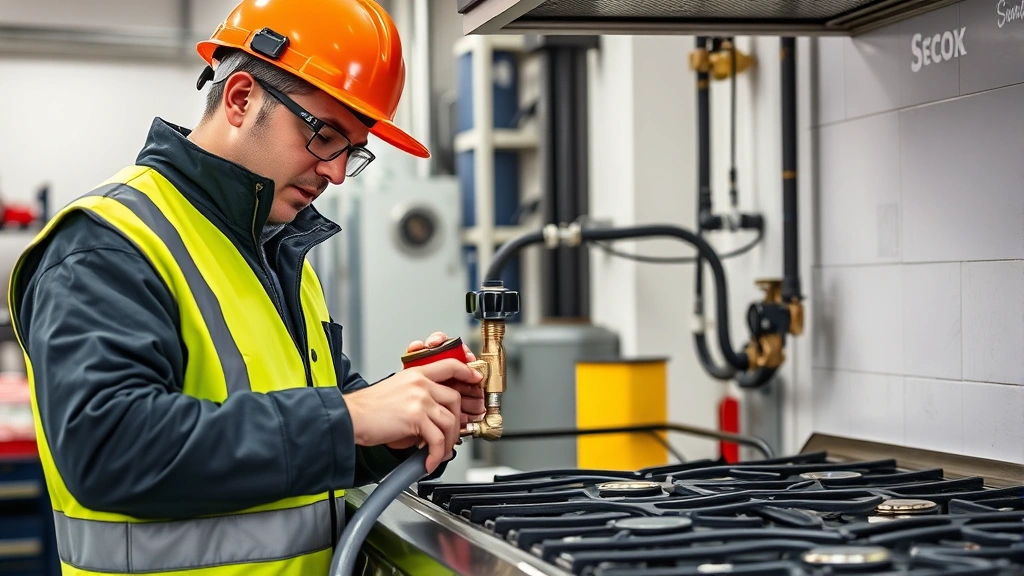
Regular safety inspections by certified professionals should occur annually, particularly for older cookers or those showing any warning signs. During inspections, technicians check gas connections for leaks using specialized detection equipment, verify proper ventilation function, inspect burner combustion quality, and test ignition systems for reliable operation. These preventive measures identify small problems before they escalate into dangerous situations.
Proper cooker usage complements professional maintenance in ensuring safety. Always use appropriate cookware with stable, flat bottoms that sit securely on burners. Never leave cooking unattended, and keep flammable materials—including curtains, paper towels, and cooking oils—at safe distances from active flames. Ensure burner caps sit properly and grates align correctly, as improper assembly can cause gas flow issues or flame misdirection.
Maintenance Tips to Prevent Future Issues
Proactive maintenance dramatically reduces the frequency and severity of gas cooker problems, extending appliance lifespan while maintaining safety and efficiency. Regular cleaning of burner caps and grates removes food residue and mineral deposits that accumulate during normal cooking. Remove caps and grates weekly, soak them in warm soapy water for 15-20 minutes, then scrub gently with soft brushes before rinsing and drying completely. This simple routine prevents clogged ports that cause weak flames.
Inspecting the cooktop surface monthly for cracks, corrosion, or damage catches developing problems early. Address minor rust spots with appropriate metal cleaner or specialized appliance cleaner designed for your cooker’s finish. For significant corrosion or structural damage, consult professional repair services before problems worsen. Keep the cooktop clean and dry after each use to minimize oxidation and rust formation.
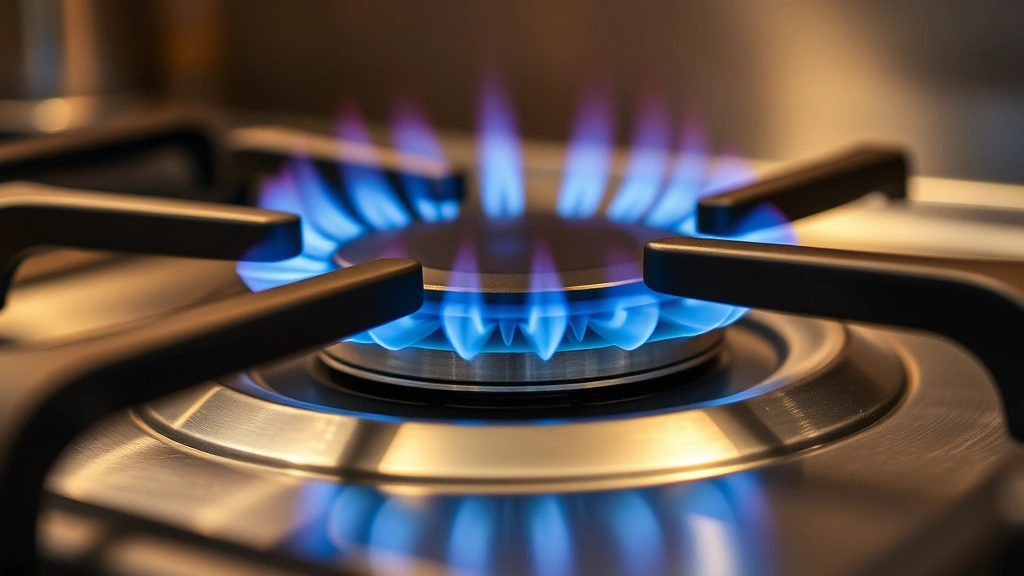
The pilot light, if your cooker has one, requires periodic attention. A healthy pilot light burns with a steady blue flame; yellow or orange flames indicate incomplete combustion or dirt accumulation. Gently clean the pilot light assembly with a soft brush or compressed air to remove dust and debris. If cleaning doesn’t restore proper flame color, professional service is warranted.
Gas connection hoses should be inspected annually for cracks, brittleness, or damage. Modern cookers typically use flexible stainless steel hoses rather than older rubber hoses, which degrade over time. Check connections at both the cooker and wall outlet for tightness and signs of leaking (soapy water applied to connections will bubble if gas escapes). If you notice any concerns, contact professional repair services immediately.
Maintaining proper ventilation prevents heat and moisture accumulation that can damage components. Ensure range hood filters are clean and exhaust ducts aren’t blocked. For cookers with built-in ventilation systems, clean or replace filters according to manufacturer recommendations. Adequate ventilation also supports the broader goal of maintaining efficient home systems that minimize energy waste.
When to Repair vs. Replace Your Cooker
Deciding whether to repair or replace your gas cooker requires evaluating several factors: age, repair costs, frequency of problems, and availability of replacement parts. Most gas cookers function reliably for 15-20 years with proper maintenance; however, cookers approaching the end of this range may benefit from replacement despite repairable issues. Newer models often incorporate improved safety features, better energy efficiency, and more reliable ignition systems.
Calculate repair costs relative to replacement prices for your cooker type and size. Generally, if repair costs exceed 50% of a new cooker’s price and your appliance is older than 10 years, replacement becomes economically sensible. However, if your cooker is relatively new or repair costs are modest, fixing the issue extends its useful life and postpones replacement expenses.
Availability of replacement parts significantly impacts repair viability. Older or discontinued models may require specialized parts that are expensive or difficult to source, making repairs impractical. Consult with repair technicians about part availability before committing to repair work. For popular current models, replacement parts are typically readily available and affordable.
Frequency of repairs also influences the decision. If your cooker requires multiple repairs within a short timeframe or has a history of recurring problems, replacement may prove more cost-effective than continued repairs. Conversely, a single repair on an otherwise reliable cooker rarely justifies replacement.
When considering replacement, explore modern energy-efficient cooker options that align with sustainability goals. Newer models often feature improved burner designs that heat more efficiently, reducing gas consumption and lowering utility bills. Some modern cookers incorporate safety features like automatic shutoff and improved ignition systems that enhance reliability.
Sustainable Cooking Solutions and Energy Efficiency
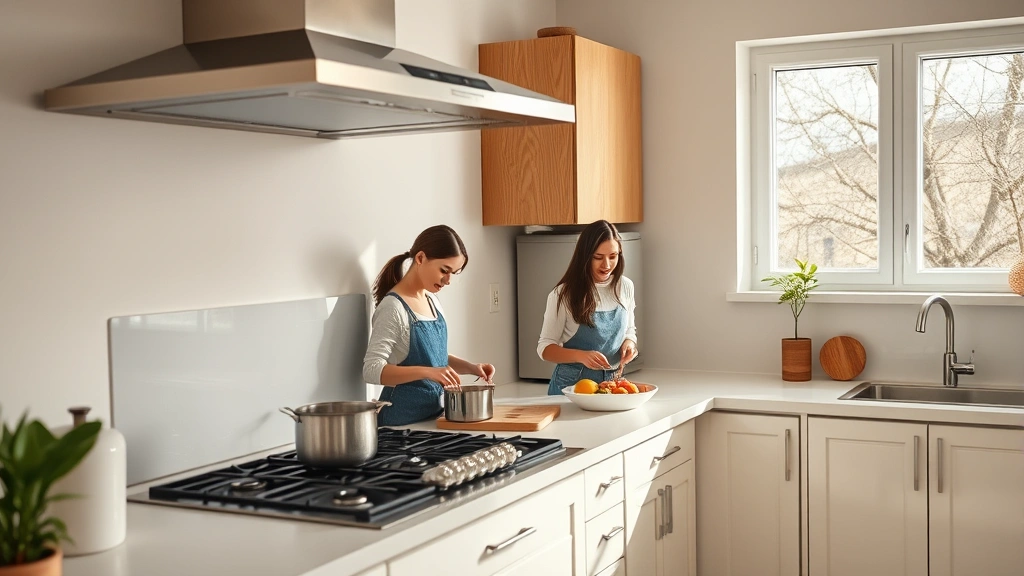
Beyond repair and maintenance, optimizing your cooking practices contributes to household sustainability. Gas cookers inherently offer efficiency advantages compared to electric resistance cookers—gas flames provide instant heat that responds immediately to temperature adjustments, reducing energy waste from preheating. However, modern improvements continue enhancing gas cooker efficiency.
When seeking gas cooker repairs near me, discuss energy efficiency upgrades with your technician. Some repairs present opportunities to improve performance—for example, replacing damaged burner caps with high-efficiency versions or adjusting gas flow to optimal levels. These enhancements reduce gas consumption while maintaining cooking performance.
Cooking practices significantly impact energy efficiency. Using appropriate cookware sizes that match burner sizes minimizes heat loss around pan edges. Keeping lids on pots and pans reduces cooking time and energy consumption substantially. Using lower flame settings when recipes allow and choosing recipes that require less cooking time all contribute to reduced gas usage.
Proper ventilation, essential for safety, also affects overall home energy efficiency. Modern range hoods with variable speeds and sensors that activate only when needed balance safety with energy conservation. Some systems capture heat from exhaust air and recirculate it, reducing heating costs during winter months. When maintaining your cooker’s ventilation system, consider upgrading to more efficient options if your current setup consumes excessive energy.
Understanding your cooker’s role within your broader environmental footprint reduction strategy connects daily cooking decisions to sustainability goals. Gas cookers represent a relatively low-carbon cooking option compared to electric resistance or induction cookers powered by fossil fuel-generated electricity. However, transitioning to renewable energy sources for electricity generation continues improving all appliance types’ environmental profiles.
Consider consulting EPA resources on energy-efficient home heating and cooking for comprehensive guidance on optimizing your kitchen’s energy performance. These authoritative sources provide data-driven recommendations for reducing energy consumption while maintaining comfort and functionality.
Maintaining your gas cooker properly and repairing issues promptly extends appliance lifespan, reducing the environmental impact of manufacturing and disposing of replacement units. This sustainability-conscious approach aligns with broader principles of responsible consumption discussed throughout our content. By keeping your cooker functioning optimally, you minimize waste while maintaining an essential kitchen tool.
For those exploring comprehensive household sustainability, explore how emerging green technology innovations continue transforming kitchen appliances and home systems. Future cooker designs may incorporate smart features that optimize gas consumption based on cooking patterns, further enhancing efficiency.
FAQ
How do I find reliable gas cooker repair services in my area?
Start with personal referrals from friends and family, then verify recommendations through online review platforms like Google Maps and Yelp. Check that technicians hold proper certifications (Gas Safe Register in the UK or equivalent). Request written estimates and inquire about warranties on parts and labor before committing to service.
What should I do if I smell gas near my cooker?
Immediately open windows to ventilate the area, turn off the gas supply if safely accessible, and exit the building. Call emergency services or your gas company’s emergency line from outside. Never create flames, use electrical switches, or ignore the smell. Gas safety requires immediate professional attention.
How often should my gas cooker be professionally serviced?
Annual professional inspections are recommended, particularly for older cookers or those showing warning signs. Regular servicing ensures all components function safely, combustion is complete and efficient, and potential problems are identified before they become dangerous or expensive to repair.
Is it worth repairing an old gas cooker?
Generally, if repair costs exceed 50% of a new cooker’s price and your appliance is older than 10 years, replacement may be more economical. However, for newer cookers or inexpensive repairs, fixing the issue extends useful life. Consider part availability and repair frequency when making your decision.
Can I perform gas cooker repairs myself?
Gas cooker repairs require specialized knowledge and certification for safety reasons. Only certified professionals should work on gas connections and combustion systems. Simple cleaning of burner caps and grates is acceptable for homeowners, but any component replacement or adjustment should be handled by qualified technicians.
How can I make my gas cooker more energy efficient?
Discuss efficiency upgrades with your repair technician, use appropriately sized cookware, keep lids on pots, and use lower flame settings when possible. Ensure proper ventilation to maintain safe, efficient operation. Modern cookers offer improved burner designs that consume less gas while maintaining cooking performance.


