Are Gas Cooktops Eco-Friendly? The Facts
When it comes to kitchen appliances, gas cooktops have long been a staple in homes and professional kitchens alike. Their instant heat, precise temperature control, and responsive cooking performance have made them popular among chefs and home cooks. However, as environmental consciousness grows and climate concerns intensify, many homeowners are asking critical questions about whether gas cooktops align with sustainable living practices. The answer is more nuanced than a simple yes or no—it requires examining emissions, energy efficiency, alternative technologies, and the broader context of household carbon footprints.
The sustainability debate surrounding gas cooktops has become increasingly relevant as we face mounting pressure to reduce greenhouse gas emissions and transition toward cleaner energy sources. Unlike electric or induction cooktops, gas appliances rely on natural gas or propane combustion, which introduces both environmental and health considerations that deserve careful scrutiny. Understanding these factors will help you make informed decisions about your kitchen setup and overall environmental impact.

How Gas Cooktops Work and Their Environmental Impact
Gas cooktops operate by igniting natural gas or propane at a burner, creating an open flame that heats cookware directly. This combustion process releases carbon dioxide (CO₂), nitrogen oxides (NOx), and other byproducts into your kitchen environment. The environmental impact begins at the moment of combustion and extends backward through the entire supply chain of natural gas extraction, processing, and distribution.
The direct environmental footprint of gas cooktops stems from their reliance on fossil fuels. According to research from the Environmental Protection Agency, residential cooking accounts for a modest but measurable portion of household energy consumption and associated emissions. While a single gas cooktop may seem insignificant in isolation, the cumulative effect across millions of households contributes meaningfully to residential sector emissions. When you consider that cooking typically represents 2-4% of household energy use, and gas cooktops are less efficient than electric alternatives, the numbers become more relevant to your overall carbon footprint.
What makes gas cooktops particularly problematic from an environmental perspective is their efficiency rating. Gas burners waste significant energy as heat escapes into the surrounding air rather than transferring to cookware. Only 70-75% of the energy produced actually reaches your food; the remainder dissipates as ambient heat. This inefficiency compounds the environmental cost of using fossil fuels for cooking. When you explore sustainable energy solutions, you’ll find that electric and induction technologies significantly outperform gas in terms of energy transfer efficiency.

Emissions and Air Quality Concerns
Beyond climate considerations, gas cooktops present indoor air quality challenges that affect both environmental sustainability and personal health. When natural gas burns, it releases several pollutants including nitrogen dioxide (NO₂), carbon monoxide (CO), and formaldehyde. These compounds don’t simply disappear—they accumulate in your kitchen and home, affecting air quality and potentially impacting respiratory health.
Research has increasingly documented the air quality impacts of gas cooking. Studies show that gas cooktops can produce indoor NO₂ levels comparable to outdoor air pollution in heavily trafficked areas. This is particularly concerning in homes without adequate ventilation. The American Lung Association has raised concerns about the health implications of cooking with gas, especially for families with children or members with respiratory conditions. From a sustainability perspective, this means gas cooktops contribute to both outdoor and indoor air quality degradation.
Proper ventilation can mitigate some of these concerns by exhausting pollutants outdoors. However, many homes lack effective range hoods, and even with ventilation systems, some emissions escape. Additionally, the operation of ventilation fans requires additional energy, creating a secondary environmental cost. This creates a dilemma: use gas cooktops and risk poor indoor air quality, or run ventilation systems continuously and increase energy consumption. Electric and induction alternatives eliminate this problematic trade-off entirely.
The nitrogen oxides released by gas cooking also contribute to outdoor air quality problems. These compounds participate in atmospheric chemistry that creates ground-level ozone and contributes to smog formation. In regions already struggling with air quality issues, widespread use of gas cooktops adds to the pollution burden. When considering your contribution to local and regional air quality, how to reduce your environmental footprint necessarily includes evaluating indoor combustion appliances.
Energy Efficiency Comparison
When comparing cooking appliances from an energy perspective, the differences are striking. Gas cooktops operate at approximately 70-75% efficiency, meaning that roughly one-quarter of the energy produced never reaches your food. Electric coil cooktops improve this slightly to around 75-80%, while smooth-top electric cooktops reach 80-85% efficiency. Induction cooktops, the most advanced technology, achieve 85-90% efficiency by using electromagnetic energy to directly heat cookware.
These efficiency differences translate directly into environmental impact. A household cooking dinner four times weekly with a gas cooktop uses substantially more energy than one using an induction cooktop for identical meals. Over a year, this difference compounds significantly. If you multiply this by the millions of households using gas cooktops, the aggregate environmental impact becomes substantial—equivalent to the emissions from hundreds of thousands of vehicles annually.
The electricity grid’s composition also matters when evaluating electric and induction cooktops. In regions powered primarily by renewable energy sources, electric cooktops become dramatically more environmentally friendly than gas. Even in areas with mixed energy portfolios, electric cooking typically results in lower emissions than gas, since power plants operate at higher efficiency rates than individual gas burners and benefit from centralized pollution controls. As green technology innovations transforming our future continue to improve grid renewable penetration, the environmental advantage of electric cooking will only increase.
Natural Gas Production and Supply Chain
The environmental impact of gas cooktops extends far beyond the kitchen, reaching back through complex extraction, processing, and distribution networks. Natural gas production involves drilling, often in environmentally sensitive regions, and the extraction process can disturb ecosystems and contaminate water sources. Hydraulic fracturing, or fracking, which produces much of America’s natural gas, raises particular environmental concerns related to water usage, chemical contamination, and induced seismic activity.
Methane leakage represents another critical environmental concern throughout the natural gas supply chain. Methane is approximately 80-86 times more potent than CO₂ as a greenhouse gas over a 20-year period, according to recent climate science research. Even small leaks during extraction, processing, transportation, and distribution significantly amplify the climate impact of gas cooktops. Studies suggest that methane leakage rates may be higher than previously estimated, meaning the true climate cost of cooking with gas exceeds what simple combustion calculations suggest.
Transportation and distribution infrastructure for natural gas requires extensive pipeline networks, compressor stations, and processing facilities—all requiring energy and maintenance. This infrastructure-dependent supply chain creates additional environmental costs not directly visible when you turn on your gas burner. In contrast, electricity distribution, while also requiring infrastructure, benefits from centralized generation and can increasingly source power from renewable facilities, creating a more sustainable long-term path.
The geological and hydrological impacts of natural gas extraction deserve consideration as well. Fracking operations require enormous quantities of water, consuming local water resources and potentially affecting groundwater quality. In drought-prone regions, this represents a significant environmental cost. The chemicals used in fracking operations pose contamination risks to aquifers and surface water. These externalized environmental costs don’t appear on your utility bill but represent real sustainability concerns when evaluating gas cooktops.
Alternatives to Gas Cooktops
Several compelling alternatives to gas cooktops offer superior environmental performance. Electric coil cooktops represent the most affordable alternative, though they heat slowly and distribute heat unevenly. Smooth-top electric cooktops improve upon this design with better aesthetics and more uniform heating, though they still rely on traditional electric resistance heating. Both options provide significantly better efficiency than gas and eliminate indoor air quality concerns.
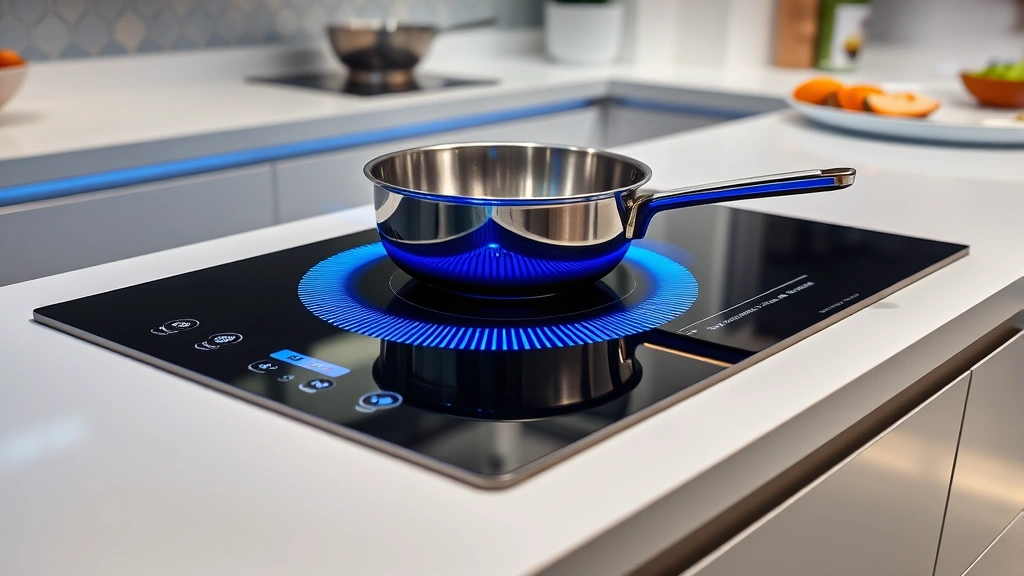
Induction cooktops represent the pinnacle of cooking efficiency and environmental performance. These appliances use electromagnetic technology to heat cookware directly, bypassing the inefficient step of heating air and metal surfaces. Induction cooktops respond instantly to temperature adjustments, offer precise control rivaling or exceeding gas performance, and operate at the highest efficiency levels of any cooking technology. They also provide superior safety features and easier cleanup. While induction cooktops typically cost more upfront than gas alternatives, their energy efficiency reduces operating costs over time, and their environmental benefits justify the investment for sustainability-conscious households.
Hybrid cooktops combining induction and gas elements offer a middle-ground approach for those hesitant to abandon gas entirely. However, these appliances still produce emissions and indoor air quality concerns from their gas components. For those committed to exploring sustainability topics in depth, pure electric or induction solutions provide the most comprehensive environmental benefits.
The transition to electric cooking aligns with broader decarbonization trends. As electricity grids increasingly incorporate renewable energy sources like solar, wind, and hydroelectric power, electric cooking becomes progressively cleaner. Gas infrastructure, by contrast, will remain dependent on fossil fuel extraction indefinitely. Choosing electric or induction cooktops positions your home on the right side of the energy transition, future-proofing your environmental impact.
Making the Sustainable Choice
Determining whether to replace a functioning gas cooktop involves weighing several factors. If your cooktop requires replacement due to age or malfunction, switching to electric or induction represents a clear sustainability improvement. The environmental payback period—the time required for energy savings to offset the manufacturing emissions of a new appliance—is typically quite short for cooktop replacements, often under two years.
For those with functioning gas cooktops, the decision becomes more nuanced. Prematurely replacing an appliance generates manufacturing emissions and waste that may outweigh near-term energy savings. In this scenario, focusing on other home improvements with longer payback periods may prove more environmentally beneficial. However, if you’re planning a kitchen renovation or replacing aging appliances anyway, prioritizing induction cooktops becomes a smart sustainability choice.
Your electricity source matters significantly when evaluating electric alternatives. Households in regions with high renewable energy penetration benefit most immediately from switching to electric cooking. Even in areas with mixed energy portfolios, electric cooking typically produces lower emissions than gas. As grids continue transitioning toward renewable sources, this advantage will grow. Consider researching your region’s electricity generation mix through your utility provider or the EPA’s eGRID database to understand your local environmental benefits.
Installation considerations also influence the decision. Converting from gas to electric requires different electrical infrastructure, and installing induction cooktops may necessitate upgraded circuits. These installation costs should factor into your decision-making process. Some regions offer rebates or incentives for switching from gas to electric appliances, which can offset installation expenses and improve the economic case for upgrading.
Ventilation improvements represent another consideration. If you retain a gas cooktop, ensuring effective ventilation becomes crucial for both health and environmental reasons. Installing or upgrading range hoods with proper makeup air systems minimizes indoor air quality degradation. However, this approach still doesn’t eliminate the fundamental environmental problems with gas combustion—it merely mitigates indoor exposure to pollutants.
Beyond cooktop selection, broader kitchen practices affect your cooking-related environmental impact. Using advantages of electric vehicles principles—maximizing efficiency and reducing energy waste—applies equally to cooking. Using lids on pots, matching cookware to burner size, and cooking efficiently all reduce energy consumption regardless of your heat source. These behavioral improvements cost nothing and provide immediate environmental benefits.
FAQ
Are gas cooktops considered eco-friendly?
Gas cooktops are not considered eco-friendly by modern sustainability standards. They rely on fossil fuel combustion, operate at 70-75% efficiency, produce indoor and outdoor air pollutants, and depend on methane-intensive natural gas supply chains. While they offer excellent cooking performance, their environmental impact is significantly higher than electric or induction alternatives.
What is the most environmentally friendly cooktop option?
Induction cooktops represent the most environmentally friendly cooking technology, achieving 85-90% efficiency and eliminating direct combustion emissions. When powered by renewable electricity, induction cooktops produce minimal environmental impact. Electric coil and smooth-top electric cooktops offer the next best alternatives, significantly outperforming gas in efficiency and emissions.
Should I replace my gas cooktop immediately?
Replacing a functioning gas cooktop may not be environmentally justified if it’s relatively new, as manufacturing emissions for a replacement appliance could outweigh near-term energy savings. However, if your gas cooktop requires repair or replacement, switching to electric or induction is a clear sustainability improvement. For kitchen renovations or when replacing multiple appliances, prioritizing electric or induction cooktops becomes a smart environmental choice.
Do gas cooktops emit harmful indoor air pollutants?
Yes, gas cooktops emit nitrogen dioxide, carbon monoxide, and formaldehyde during operation. These pollutants can accumulate to unhealthy levels, particularly in homes without adequate ventilation. Proper range hood ventilation can mitigate these risks, but it increases energy consumption. Electric and induction cooktops eliminate this concern entirely.
Is the electricity grid clean enough to make electric cooking worthwhile?
Even in regions with mixed energy portfolios, electric cooking typically produces fewer emissions than gas due to the superior efficiency of centralized power generation compared to individual gas burners. As renewable energy penetration increases, the environmental benefits of electric cooking grow substantially. In regions with high renewable energy percentages, electric cooking is dramatically cleaner than gas.
What about natural gas methane leakage?
Methane leakage throughout the natural gas supply chain is a significant environmental concern. Methane is approximately 80-86 times more potent than CO₂ as a greenhouse gas over a 20-year period. Studies suggest leakage rates may be higher than previously estimated, meaning the true climate cost of gas cooking exceeds simple combustion calculations. This represents a substantial hidden environmental cost of gas cooktops.
Can I use a hybrid cooktop combining gas and induction?
Hybrid cooktops combining gas and induction elements offer some efficiency benefits compared to pure gas, but they still produce emissions and indoor air quality concerns from their gas components. For maximum environmental benefit, pure electric or induction solutions are preferable. Hybrid options may appeal to those transitioning gradually away from gas cooking.


