Is Your Gas Fireplace Pilot Light Eco-Friendly? Expert Tips for Sustainable Home Heating
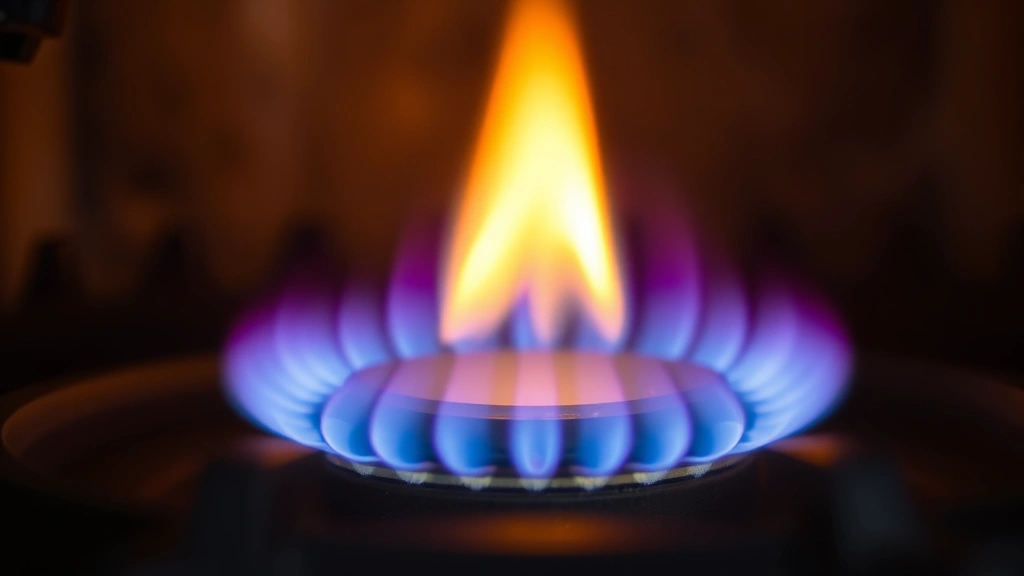
Gas fireplaces have become a popular heating solution for homeowners seeking ambiance and warmth without the hassle of traditional wood-burning fireplaces. However, the pilot light—that small, continuously burning flame—raises important questions about energy efficiency and environmental impact. Many homeowners don’t realize that their pilot light operates 24/7, consuming natural gas even when the fireplace isn’t actively heating their home. This constant energy consumption contributes to both higher utility bills and unnecessary carbon emissions, making it essential to understand the environmental implications of this seemingly minor feature.
The good news is that modern technology and simple adjustments can significantly reduce the environmental footprint of your gas fireplace pilot light. By exploring eco-friendly alternatives and implementing best practices, you can enjoy the comfort of a gas fireplace while minimizing your impact on the planet. This comprehensive guide will help you understand the sustainability aspects of pilot lights, evaluate your current setup, and discover actionable solutions that align with your environmental values.
Understanding Gas Fireplace Pilot Lights and Their Environmental Impact
A pilot light is a small, continuously burning flame that ignites the main burners when you activate your gas fireplace. Traditional pilot lights remain lit permanently, consuming natural gas every single day of the year, regardless of whether you use your fireplace. This design dates back decades, when energy efficiency wasn’t a primary concern for manufacturers. Today, as we face climate challenges and rising energy costs, the environmental impact of these inefficient systems deserves serious attention.
The environmental consequences of continuous pilot lights extend beyond your household utility bills. Natural gas is a fossil fuel that releases carbon dioxide and methane when burned, both potent greenhouse gases. According to research from the U.S. Environmental Protection Agency (EPA), residential heating accounts for a significant portion of household energy consumption and associated emissions. When you multiply the waste from millions of pilot lights burning continuously across the country, the cumulative environmental damage becomes substantial. Understanding this impact is the first step toward making more sustainable choices to reduce your environmental footprint.
Beyond carbon emissions, pilot lights contribute to indoor air quality concerns. The continuous combustion process produces nitrogen oxides and other pollutants, though typically in small quantities. However, in homes with poor ventilation, these emissions can accumulate, potentially affecting respiratory health. This dual concern—environmental impact and indoor air quality—makes upgrading your pilot light system a worthwhile investment in both planetary and personal health.
Energy Consumption: How Much Gas Does a Pilot Light Really Use?
The amount of gas consumed by a pilot light varies depending on several factors, including the fireplace model, gas type, and flame size. On average, a traditional gas fireplace pilot light uses between 400 to 600 BTUs (British Thermal Units) per hour. While this might seem minimal, consider the annual impact: a pilot light running continuously for an entire year consumes approximately 3,500 to 5,250 kilowatt-hours of energy equivalent. For many households, this translates to $10 to $20 per month in wasted natural gas—or $120 to $240 annually—just to maintain a small flame that provides no heating benefit.
This calculation becomes even more significant when you factor in regional energy costs and the number of gas appliances in your home. If your household has multiple gas fireplaces, water heaters, or other gas-powered devices with pilot lights, the combined annual waste can exceed $500. Over the lifespan of a fireplace (typically 15-20 years), this represents thousands of dollars in unnecessary expenses and equivalent greenhouse gas emissions. For context, the carbon footprint of this wasted energy equals the emissions from driving a car approximately 2,000 to 3,000 miles annually.
To put this in perspective with broader sustainable energy solutions, redirecting these resources toward efficient heating alternatives could significantly reduce your household’s overall environmental impact. Modern homeowners increasingly recognize that small inefficiencies compound into major environmental and financial concerns, making pilot light optimization a practical starting point for energy conservation.
Comparing Traditional vs. Modern Pilot Light Technology
Traditional pilot lights, which have remained largely unchanged for decades, use a standing pilot design where the flame burns continuously. This design offers simplicity and reliability—when you want heat, the pilot light is already ready to ignite the main burners instantly. However, this convenience comes at a substantial environmental cost. The technology predates modern energy efficiency standards and environmental awareness, making it increasingly obsolete in the context of contemporary sustainability goals.
Modern fireplace technology has introduced several improvements that dramatically reduce energy waste. Electronic ignition systems have become the gold standard in eco-conscious fireplace design. Rather than maintaining a constant pilot flame, these systems use a small spark or hot surface igniter to light the main burners only when needed. This eliminates the baseline gas consumption associated with standing pilots, reducing energy use by up to 40% compared to traditional systems. Additionally, electronic ignition provides faster startup times and more precise temperature control, enhancing both comfort and efficiency.
Another significant advancement is the development of intermittent pilot ignition (IPI) systems. These systems maintain the pilot light only when the thermostat calls for heat, then extinguish it when the desired temperature is reached. IPI represents a middle-ground solution for homeowners who want some of the reliability of traditional pilots with improved efficiency. Many modern fireplaces also incorporate variable flame control, allowing you to adjust the pilot light intensity based on seasonal needs. During warmer months when you use your fireplace less frequently, you can reduce the pilot flame, further minimizing gas consumption. Exploring these natural gas versus propane options can help you understand which fuel type pairs best with modern ignition technology for optimal sustainability.
When comparing these technologies, it’s important to note that upgrading from traditional to modern systems often pays for itself within 3-5 years through energy savings alone. Beyond financial returns, the environmental benefit of switching to electronic ignition is immediate and measurable, making it one of the most impactful home improvements for reducing your carbon footprint.
Eco-Friendly Alternatives to Continuous Pilot Lights
For homeowners committed to minimizing environmental impact, several alternatives to traditional gas fireplace pilot lights deserve consideration. The first and most straightforward option is upgrading to a fireplace with electronic ignition. If your current fireplace cannot be retrofitted, many manufacturers offer conversion kits that replace the pilot assembly with an electronic system. These kits typically cost $200-$500 and can be installed by a qualified technician, representing an excellent return on investment through reduced energy bills and environmental benefit.
Another compelling alternative is transitioning to ethanol or gel fuel fireplaces. These units burn biofuels that produce significantly fewer emissions than natural gas and require no pilot light whatsoever. Ethanol fireplaces offer clean, realistic flames with minimal installation requirements—many are simply placed on shelves or mantels without venting infrastructure. While the fuel cost per use may be slightly higher than natural gas, the elimination of pilot light waste and reduced maintenance make them attractive for eco-conscious homeowners. Additionally, ethanol is often derived from renewable agricultural sources, supporting the circular economy.
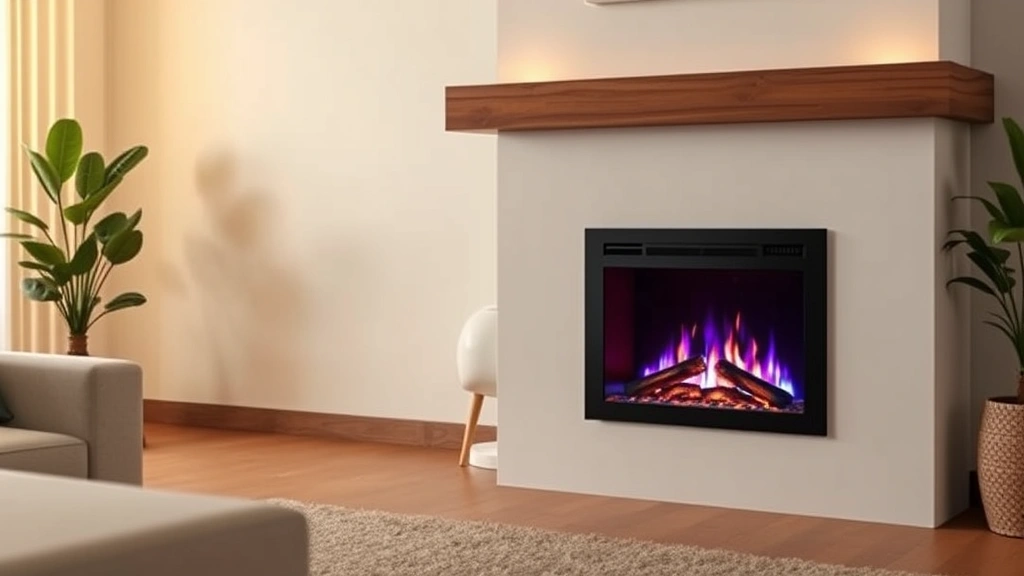
Electric fireplace inserts have emerged as another sustainable option, particularly when powered by renewable electricity. Modern electric fireplaces produce realistic flame effects using LED technology and provide supplemental heating through efficient electric resistance or heat pump technology. If your home’s electricity comes from renewable sources—such as solar panels or community wind programs—an electric fireplace becomes a genuinely carbon-neutral heating option. Even when powered by grid electricity, electric fireplaces typically produce lower lifetime emissions than gas alternatives, especially when accounting for pilot light waste.
For those unwilling to abandon gas entirely, installing a smart thermostat system can optimize your fireplace’s efficiency. Smart thermostats learn your heating patterns and preferences, automatically adjusting pilot light operation and main burner usage for maximum efficiency. Some advanced systems integrate with weather forecasts, preheating your home before temperature drops and reducing unnecessary pilot light operation during mild weather. These systems represent a bridge solution that maintains gas fireplace functionality while reducing environmental impact through intelligent automation.
Exploring these alternatives within the context of green technology innovations transforming our future reveals that sustainable home heating no longer requires sacrificing comfort or aesthetics. Modern alternatives offer genuine improvements in both environmental performance and user experience compared to outdated pilot light systems.
Maintenance Tips for Maximum Efficiency
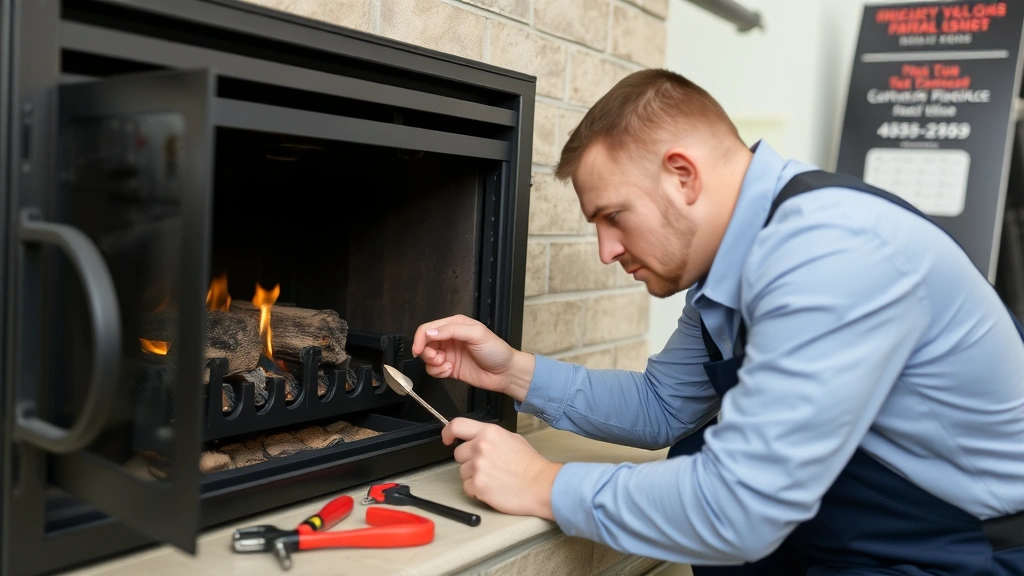
Regardless of which pilot light technology your fireplace uses, proper maintenance is essential for optimal efficiency and environmental performance. Regular inspection and cleaning prevent the buildup of dust, debris, and soot that can obstruct gas flow and reduce combustion efficiency. When your fireplace operates less efficiently, it consumes more gas to produce the same amount of heat, directly increasing both your utility bills and environmental impact. Schedule professional maintenance annually, ideally before the heating season begins, to ensure all components function at peak performance.
For traditional pilot lights, pay particular attention to the pilot flame itself. A healthy pilot flame should be blue with a small yellow tip, indicating complete combustion. If your pilot flame appears predominantly yellow or orange, this suggests incomplete combustion and wasted fuel. Contact a qualified technician to adjust the air-to-fuel mixture, which is a simple but crucial maintenance task. Additionally, inspect the thermocouple—the safety device that detects the pilot flame and allows gas flow to the main burners. A failing thermocouple causes the pilot light to extinguish frequently, leading to repeated reignition and wasted gas.
Clean or replace your fireplace’s air filter regularly, as restricted airflow reduces combustion efficiency. A clogged filter forces your system to work harder, consuming more gas to achieve the same heating output. Quarterly filter changes during the heating season are a simple, inexpensive maintenance task with significant efficiency benefits. Also, ensure your fireplace’s venting system remains clear of obstructions. Blocked vents reduce draft, causing incomplete combustion and increased emissions. Inspect vents seasonally, especially before winter, and remove any bird nests, leaves, or other debris.
Consider upgrading to a SustainWise Hub Blog recommended maintenance schedule that tracks your fireplace’s performance over time. Keeping detailed records of maintenance activities, energy usage, and any repairs helps identify patterns and potential efficiency issues before they become serious problems. If you notice increasing gas consumption, declining heating output, or changes in flame appearance, these are red flags indicating maintenance needs. Addressing these issues promptly prevents wasted energy and reduces your environmental footprint.
For electronic ignition systems, maintenance focuses on keeping the igniter clean and functional. Dust accumulation on electronic components can prevent reliable ignition, leading to pilot light failures and wasted gas from repeated ignition attempts. Professional technicians have specialized tools to clean these components safely without damaging sensitive electronics. Additionally, ensure your system’s battery backup (if applicable) remains functional, as this prevents unnecessary gas waste during power outages or system failures.
Cost-Benefit Analysis of Upgrading Your System
Evaluating the financial and environmental returns of upgrading your gas fireplace pilot light system requires a comprehensive cost-benefit analysis. The upfront investment varies significantly depending on your chosen solution. Electronic ignition retrofit kits range from $200-$500, while complete fireplace replacements with modern technology can cost $2,000-$5,000 or more. Electric fireplace inserts typically fall in the $300-$1,500 range, and ethanol fireplaces range from $400-$2,000 depending on size and features.
However, these upfront costs must be weighed against annual savings. A typical household with a traditional pilot light fireplace saves $120-$240 annually by eliminating pilot light waste. Additional savings come from improved overall heating efficiency with modern systems—typically 10-20% better than older models. For a household spending $1,500 annually on fireplace heating, this represents $150-$300 in additional annual savings. Combined with pilot light elimination, total annual savings often reach $300-$500 for households that use their fireplaces regularly.
Using a simple payback calculation, a $300 electronic ignition retrofit pays for itself in approximately one year through pilot light elimination alone. A $1,500 complete fireplace replacement with modern technology typically pays for itself within 3-5 years. Beyond the payback period, all savings represent pure financial benefit and environmental improvement. Over the 15-20 year lifespan of a fireplace, upgrading to efficient technology can save $4,500-$10,000 while reducing your household’s carbon emissions by several tons annually.
These financial calculations don’t account for additional benefits that justify the investment on environmental grounds alone. Reduced natural gas consumption decreases your household’s dependence on fossil fuels and supports the transition toward renewable energy. Lower emissions contribute to improved air quality in your community and reduced climate change impacts. For many homeowners, these environmental benefits justify upgrades even if financial payback extends beyond a few years. Additionally, energy-efficient fireplaces often increase home value and appeal to environmentally conscious buyers, providing potential real estate benefits when you eventually sell your home.
Tax incentives and rebates can further improve the financial case for upgrading. Many utility companies offer rebates for efficiency improvements, and some states provide tax credits for renewable energy installations. Research programs in your area, as these incentives can reduce your net upgrade cost by 20-50%, significantly accelerating payback timelines. Consult the U.S. Department of Energy’s Energy Saver program for information about available incentives in your region.
FAQ
How much does it cost to convert a traditional pilot light to electronic ignition?
Electronic ignition retrofit kits typically cost $200-$500 for the materials, with professional installation adding $200-$400 depending on your fireplace model and local labor rates. Total conversion costs usually range from $400-$900. Many homeowners find this investment worthwhile given the annual savings of $120-$240 from eliminating pilot light waste, resulting in payback within 2-4 years.
Can I retrofit my existing fireplace with an electronic ignition system?
Many fireplaces manufactured within the last 20 years can be retrofitted with electronic ignition systems, though compatibility depends on your specific model. Contact the manufacturer with your fireplace’s model number to determine retrofit options. Alternatively, a qualified HVAC technician can evaluate your system and recommend compatible upgrades. If your fireplace is too old for retrofitting, replacement with a modern efficient model becomes the best option.
Are electric fireplaces as effective for heating as gas fireplaces?
Electric fireplaces provide supplemental heating comparable to gas fireplaces when equipped with heat pump or resistance heating technology. They typically produce 5,000-6,000 BTUs of heat output, similar to small gas fireplaces. However, electric fireplaces shouldn’t be your primary heating source in very cold climates. They excel as supplemental heating in moderate climates or as primary heating in well-insulated homes. The advantage is that when powered by renewable electricity, they produce zero operational emissions.
What’s the environmental impact of ethanol fireplaces compared to gas?
Ethanol fireplaces produce significantly lower emissions than gas—typically 80-90% less carbon dioxide. Because ethanol is often derived from renewable agricultural sources, ethanol fireplaces approach carbon neutrality depending on production methods. However, ethanol fireplaces do produce some water vapor and carbon dioxide during combustion. Overall, ethanol represents a much more sustainable option than natural gas, especially when the ethanol comes from certified renewable sources. Learn more about fuel options by reviewing natural gas versus propane comparisons.
How can I determine if my pilot light is operating efficiently?
A properly functioning pilot flame should be predominantly blue with a small yellow tip. If your flame appears mostly yellow or orange, this indicates incomplete combustion and poor efficiency. Additionally, monitor your natural gas bills—a sudden increase suggests efficiency problems. Professional technicians can perform combustion efficiency tests using specialized equipment to measure oxygen levels and carbon dioxide production, providing definitive assessments of your pilot light’s performance.
Will upgrading my fireplace affect my home’s resale value?
Yes, upgrading to an energy-efficient fireplace typically increases home value and appeal. Environmentally conscious buyers increasingly prioritize efficient systems, and energy efficiency improvements often provide better returns on investment than other home upgrades. Additionally, modern fireplaces with electronic ignition and improved aesthetics enhance your home’s overall appeal. Document all upgrades and efficiency improvements to highlight these benefits when selling your home.
What’s the difference between standing pilot and intermittent pilot ignition systems?
Standing pilot systems maintain a continuous flame 24/7, consuming gas even when the fireplace isn’t heating. Intermittent pilot ignition (IPI) systems light the pilot flame only when the thermostat calls for heat, then extinguish it when the desired temperature is reached. IPI systems reduce energy consumption by 30-40% compared to standing pilots while maintaining most of the reliability and instant ignition benefits. Electronic ignition systems go further, using spark or hot surface igniters instead of pilot flames, eliminating pilot light energy consumption entirely.


