Gas Prices: Impact on Sustainability? An Analyst View
Rising gas prices around me have become a pressing concern for households and businesses alike. Yet beyond the immediate financial burden, fluctuating fuel costs carry profound implications for environmental sustainability and our collective carbon footprint. Understanding the intricate relationship between gas prices and sustainable practices reveals how market forces can either accelerate or impede our transition toward a greener future.
As an analyst examining this intersection, I’ve observed that elevated gas prices often serve as a catalyst for meaningful behavioral change. When consumers face higher costs at the pump, many begin questioning their transportation habits and exploring alternatives that align with both their budgets and environmental values. This phenomenon presents a unique opportunity to examine how economic pressures can drive sustainability forward.

How Gas Prices Influence Consumer Behavior
When gas prices around me spike, consumers respond in measurable ways. Research from the EPA’s transportation and air quality division demonstrates that price increases directly correlate with reduced vehicle miles traveled and increased interest in fuel-efficient vehicles. This behavioral shift, while initially motivated by economics, creates secondary environmental benefits that shouldn’t be overlooked.
The psychological impact of high gas prices extends beyond simple arithmetic. Consumers become more conscious of their daily commute patterns, carpool arrangements, and route optimization. Many households reassess whether every trip is necessary or if multiple errands can be combined into a single journey. This mindfulness, once established, often persists even when prices decline, creating lasting sustainability improvements.
High fuel costs particularly influence the purchasing decisions of vehicle buyers. When gas prices remain elevated for extended periods, advantages of electric vehicles become increasingly apparent to cost-conscious consumers. The total cost of ownership calculation shifts dramatically when electricity costs per mile are compared to gasoline expenditures. This economic reality has accelerated EV adoption rates across multiple demographics.
Young professionals and families with tight budgets often make the most dramatic shifts in response to price increases. They’re more likely to explore public transportation, consider relocation closer to employment centers, or invest in remote work arrangements. These decisions carry lasting environmental benefits that extend far beyond the immediate cost savings.
The Environmental Cost of Fossil Fuel Dependency
Understanding why we should care about gas prices requires examining the environmental footprint of fossil fuel consumption. Transportation accounts for approximately 27% of greenhouse gas emissions in the United States, with personal vehicles responsible for the majority of this figure. When gas prices remain artificially low, they mask the true environmental cost of our fuel consumption.
Economists refer to this phenomenon as market failure—the price we pay at the pump doesn’t reflect the full environmental and social costs of extraction, refining, and combustion. These hidden costs include air pollution, water contamination, climate change impacts, and health consequences borne by communities near refineries and extraction sites. Higher gas prices, while inconvenient, actually bring market prices closer to these true costs.
The International Energy Agency reports that fossil fuel subsidies globally exceed $7 trillion annually when environmental costs are included. This massive subsidy artificially depresses gas prices and encourages overconsumption. When market prices increase, they signal to consumers and businesses the true scarcity and environmental value of fossil fuels.
Combustion of gasoline produces not only carbon dioxide but also particulate matter, nitrogen oxides, and volatile organic compounds. These pollutants contribute to respiratory diseases, cardiovascular problems, and premature mortality. Communities in proximity to highways and urban centers experience disproportionate health impacts from this air pollution, making gas price discussions fundamentally issues of environmental justice.
Economic Incentives for Renewable Energy Adoption
High gas prices create economic headroom for investment in renewable energy infrastructure and alternative transportation systems. When household and business budgets are strained by fuel costs, governments and private investors find political and financial justification for subsidizing clean energy alternatives. This counterintuitive relationship between fossil fuel prices and renewable adoption has played out repeatedly throughout recent decades.
Solar and wind energy costs have declined dramatically, partly because elevated energy prices justified initial investments in renewable infrastructure. As these technologies achieved economies of scale, costs plummeted, making them competitive even during periods of lower fossil fuel prices. The economic stimulus provided by high gas prices accelerated this technological transition.
Examining sustainable energy solutions becomes more urgent when consumers face monthly fuel bills exceeding previous records. Heat pump technology, solar panel installation, and battery storage systems suddenly appear more attractive from a financial perspective. Homeowners calculate payback periods and discover that renewable energy investments often break even within 5-10 years, after which they enjoy decades of reduced energy costs.
Businesses similarly respond to high energy costs by implementing efficiency measures and renewable energy procurement. Large corporations increasingly sign power purchase agreements for wind and solar projects, not primarily from environmental motivation but because renewable electricity offers price stability and long-term cost savings. This market-driven transition toward clean energy represents one of the most significant sustainability developments of recent years.
Transportation Alternatives and Cost Savings
When analyzing gas prices around me, it becomes clear that alternative transportation methods offer substantial economic advantages during high-price periods. Public transportation, cycling, carpooling, and electric vehicles all provide cost savings that accumulate significantly over time. A consumer paying $4 per gallon for a 25-mile daily commute spends over $2,000 annually on fuel alone, before considering vehicle maintenance and depreciation.
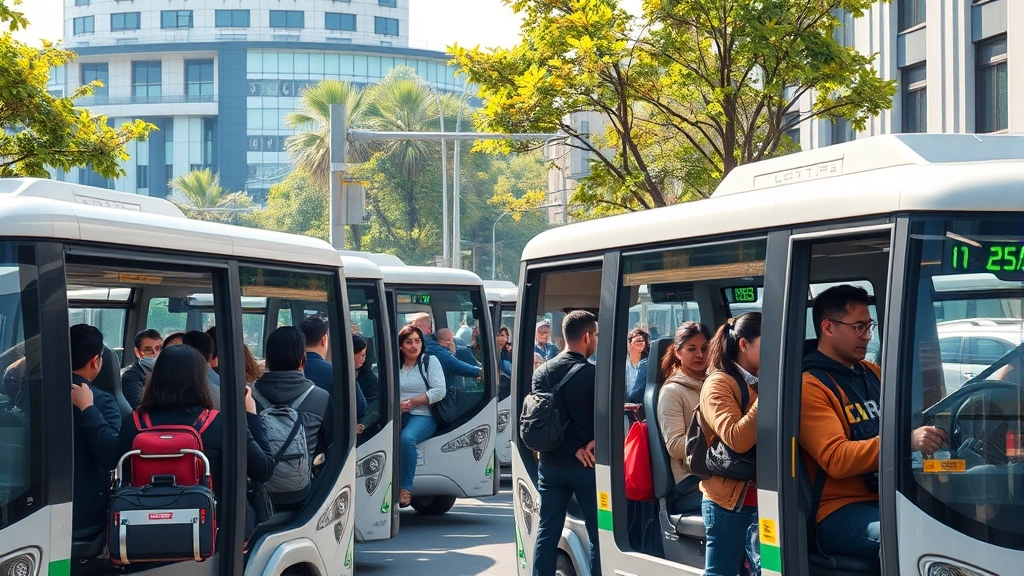
Public transportation typically costs $50-150 monthly, depending on location, representing a 90% reduction in transportation expenses compared to driving. Beyond personal savings, transit use generates enormous environmental benefits by consolidating passenger miles and reducing per-capita emissions. Cities with robust public transportation systems demonstrate substantially lower transportation emissions than car-dependent regions.
Cycling and walking, while weather-dependent and limited by distance, offer zero-cost commuting options for many workers. Cities investing in bike infrastructure report increased cycling adoption rates, particularly when combined with high gas prices. These active transportation modes provide additional health benefits through increased physical activity, reducing healthcare costs while improving environmental outcomes.
The advantages of electric vehicles become economically compelling when gas prices exceed $3.50 per gallon. Electric vehicles cost approximately $0.04 per mile to operate in electricity, compared to $0.10-0.15 per mile for gasoline vehicles. Over a 200,000-mile vehicle lifespan, this difference translates to $12,000-22,000 in fuel savings, before considering reduced maintenance costs and potential incentives.
Remote work arrangements, accelerated by recent technological advances, eliminate commuting entirely for millions of workers. High gas prices often justify employer investments in remote work infrastructure and policies. This transition reduces transportation emissions dramatically while improving employee quality of life and reducing workplace overhead costs.
Long-term Sustainability Implications
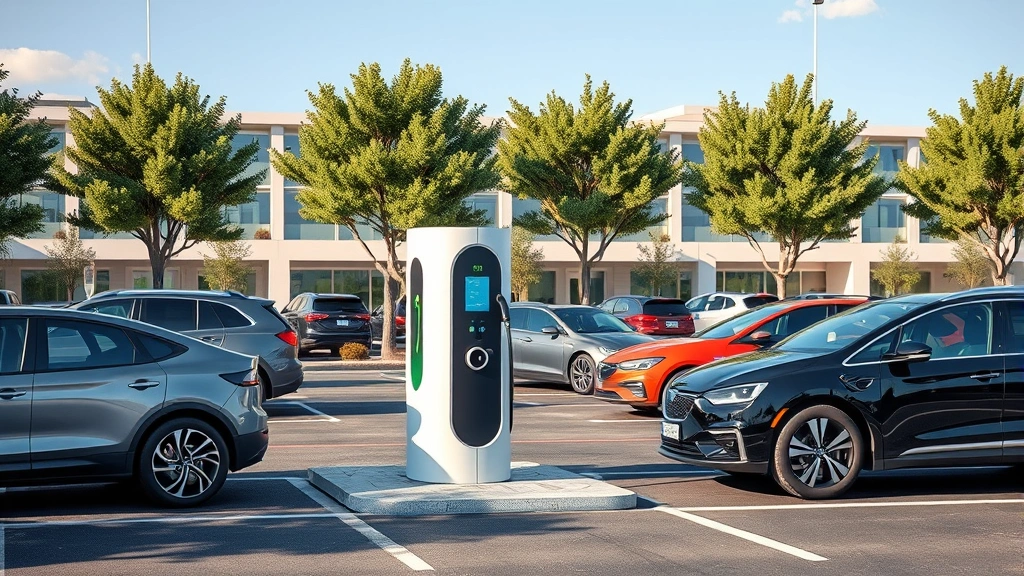
Analyzing the long-term sustainability implications of gas price volatility requires examining feedback loops and systemic changes. When high prices drive consumers toward electric vehicles and renewable energy, these choices create demand for supporting infrastructure. Charging networks expand, grid modernization accelerates, and battery manufacturing scales up, all driven by market demand created by high fossil fuel prices.
These infrastructure investments, once established, persist even if fossil fuel prices subsequently decline. A consumer who installs solar panels or purchases an electric vehicle typically maintains these choices for decades. The cumulative effect of millions of individual decisions driven by price signals creates lasting structural change in energy systems and transportation networks.
The World Wildlife Fund’s climate and energy initiatives emphasize that price signals represent essential market mechanisms for achieving sustainability goals. Without accurate pricing that reflects environmental costs, markets systematically underproduce clean energy and overconsume fossil fuels. Gas price increases, while economically painful in the short term, move markets toward more sustainable equilibria.
Understanding the definition of sustainability clarifies why economic efficiency and environmental protection are interconnected. Sustainable systems must be economically viable over long time horizons. High fossil fuel prices accelerate the transition toward genuinely sustainable transportation and energy systems by making clean alternatives economically superior.
However, policymakers must address distributional impacts, as low-income households spend larger percentages of income on transportation. Without complementary policies ensuring equitable access to alternatives, high gas prices create regressive impacts. Effective sustainability policy combines price signals with investments in public transportation, EV accessibility, and targeted assistance for vulnerable populations.
Practical Steps for Reducing Fuel Consumption
For individuals facing high gas prices around me, numerous practical strategies reduce fuel consumption and associated costs. Implementing these measures generates immediate financial benefits while contributing to broader sustainability goals. Many options require minimal lifestyle changes while delivering substantial savings.
Optimize Vehicle Maintenance: Properly inflated tires improve fuel efficiency by 3-5%, while regular engine maintenance ensures optimal performance. Replacing air filters, using manufacturer-recommended motor oil grades, and keeping engines properly tuned can improve fuel economy by 5-15%. These maintenance investments pay for themselves through fuel savings within months.
Adjust Driving Habits: Aggressive acceleration, excessive speeding, and unnecessary idling dramatically reduce fuel efficiency. Steady acceleration, maintaining posted speed limits, and removing excess weight from vehicles can improve fuel economy by 10-20%. These behavioral changes require no financial investment while generating immediate savings.
Plan Routes Efficiently: Combining multiple errands into single trips, avoiding traffic congestion, and using GPS navigation to identify efficient routes reduces unnecessary miles. Route optimization can decrease fuel consumption by 10-15% for typical households. Many navigation apps now include fuel-efficient routing options.
Explore Carpooling: Sharing rides with coworkers or friends divides fuel costs among participants, reducing per-person expenses by 50-75%. Carpooling also provides social benefits and reduces traffic congestion through decreased vehicle counts. Formal carpooling programs often exist in metropolitan areas, facilitating convenient ride-sharing.
Evaluate Public Transportation: Even occasional transit use reduces overall fuel consumption. Using public transportation 2-3 days weekly can cut fuel expenses by 40-60% while providing time for work, reading, or relaxation during commutes. Many transit systems offer monthly passes providing substantial discounts compared to daily fares.
Consider Vehicle Replacement: If current vehicles are older and fuel-inefficient, replacement with modern efficient vehicles or electric vehicles may prove economically justified. While replacement involves substantial upfront costs, long-term fuel savings often exceed these costs over vehicle lifespans, particularly during periods of high gas prices.
Implementing multiple strategies simultaneously generates compounding benefits. A household combining vehicle maintenance improvements, driving habit adjustments, and occasional public transit use might reduce fuel consumption by 30-40%, saving $2,000-3,000 annually while reducing environmental impact proportionally.
Industry Response to Price Volatility
The automotive and energy industries have responded significantly to gas price volatility and sustainability concerns. Manufacturers increasingly prioritize fuel efficiency and alternative powertrains, recognizing that consumer preferences shift when fuel costs rise. This industry evolution demonstrates how market signals drive technological innovation toward sustainability.
Major automakers have committed billions to electric vehicle development and manufacturing capacity expansion. These investments accelerate when gas prices spike, as manufacturers recognize increased market demand for efficient vehicles. Tesla’s rapid growth and subsequent competition from traditional manufacturers illustrate how price signals and sustainability concerns reshape entire industries.
The petroleum industry itself faces long-term challenges from price volatility and sustainability pressures. Some oil companies have begun investing in renewable energy, recognizing that energy transitions are inevitable. Others resist change, but even resistant companies face pressure from investors increasingly concerned with climate risk and carbon liabilities.
Logistics and transportation companies optimize operations extensively when fuel costs rise. Route optimization, fleet electrification, and modal shifts toward rail and maritime transport all accelerate during high-price periods. These operational changes often persist as companies discover efficiency benefits and reduced long-term costs compared to pre-optimization baselines.
The Carbon Brief reports that energy transitions historically accelerate when fossil fuel prices spike. Oil price shocks in the 1970s and 2000s both triggered sustained shifts toward efficiency and renewable energy. Current price volatility similarly catalyzes industry-wide changes toward sustainability, even if individual companies resist.
Real estate and urban planning industries increasingly incorporate sustainability considerations driven partly by transportation cost concerns. Mixed-use development, transit-oriented development, and walkable neighborhoods become more attractive when transportation costs are high. These land-use patterns, once established, persist and shape communities for decades.
Connecting Price Signals to Broader Sustainability
Gas prices around me represent just one market signal influencing broader sustainability transitions. Understanding these connections helps contextualize price fluctuations within larger systemic changes toward environmental responsibility. How to reduce your environmental footprint encompasses far more than transportation choices, but fuel costs often serve as the initial catalyst prompting household sustainability assessments.
When households face high gas bills, they simultaneously consider energy efficiency improvements, renewable energy adoption, and waste reduction. These interconnected sustainability investments compound over time, creating households with substantially lower environmental impacts. The initial motivation—economic pressure from fuel costs—leads to lasting behavioral and structural changes benefiting both finances and environment.
Policymakers increasingly recognize that carbon pricing and fossil fuel taxation represent efficient mechanisms for achieving sustainability goals. By ensuring market prices reflect environmental costs, pricing mechanisms align individual economic incentives with collective sustainability objectives. Gas prices that reflect extraction costs, environmental damage, and climate impacts would dramatically accelerate sustainability transitions.
However, implementing effective carbon pricing requires complementary policies ensuring equitable transitions for vulnerable populations. Comprehensive sustainability discussions must address distributional impacts and provide alternatives for those dependent on fossil fuels. Effective sustainability policy combines market mechanisms with targeted support ensuring no populations bear disproportionate costs.
FAQ
How do rising gas prices impact the decision to purchase electric vehicles?
Rising gas prices dramatically improve the financial case for electric vehicles by reducing payback periods on the purchase premium. When gasoline costs exceed $3.50 per gallon, total cost of ownership calculations frequently favor electric vehicles, particularly for drivers with substantial annual mileage. Many consumers discover that EV purchases become financially optimal during high gas price periods.
Can high gas prices alone solve climate change?
While high gas prices accelerate sustainability transitions, they alone cannot solve climate change. Price signals must be combined with infrastructure investment, technology development, regulatory frameworks, and international cooperation. However, accurate pricing that reflects environmental costs represents an essential foundation for effective climate policy, making gas price discussions fundamentally important.
Do low-income households suffer disproportionately from high gas prices?
Yes, low-income households typically spend 5-10% of income on transportation, compared to 2-3% for higher-income households. High gas prices create substantial hardship for vulnerable populations. Effective sustainability policy must combine price mechanisms with public transportation investment, EV accessibility programs, and targeted assistance ensuring equitable transitions.
How do gas prices affect public transportation adoption?
High gas prices consistently increase public transportation ridership as consumers seek cost-effective alternatives. Transit agencies report 5-15% ridership increases during high-price periods. These temporary increases often produce lasting effects as new riders discover transit benefits and integrate transit into regular commuting patterns.
What role do gas prices play in remote work adoption?
High gas prices justify employer investments in remote work infrastructure and policies by demonstrating clear cost-benefit ratios. When employees face substantial commuting costs, employers recognize that remote work options improve employee retention and satisfaction while reducing workplace overhead. This economic logic often persists even as gas prices decline.
Are renewable energy investments truly driven by gas prices?
Renewable energy adoption accelerates when fossil fuel prices spike, as investments in alternatives become economically justified. While environmental concerns motivate some investments, economic calculations represent the primary driver for most business and household renewable energy decisions. Market prices powerfully influence sustainability transitions.
How can communities reduce transportation emissions beyond individual choices?
Systemic approaches including transit investment, mixed-use development, bike infrastructure, and land-use planning generate far greater emissions reductions than individual choices alone. Communities with robust public transportation, walkable neighborhoods, and employment centers distributed throughout regions demonstrate substantially lower transportation emissions regardless of gas prices.


