Is LPG Eco-Friendly? Research Insights on Liquefied Petroleum Gas
Liquefied petroleum gas, commonly known as LPG or gas propano liquefatto, has become an increasingly popular energy source worldwide. As environmental concerns intensify and consumers seek cleaner alternatives to traditional fossil fuels, the question of LPG’s ecological impact deserves careful examination. This comprehensive guide explores the environmental credentials of LPG, comparing it with other energy sources and revealing what research truly tells us about its sustainability potential.
Understanding whether LPG represents a genuine step toward environmental responsibility requires analyzing its production methods, carbon emissions, efficiency ratings, and role within the broader energy transition. Whether you’re considering LPG for heating, cooking, or transportation, this research-backed analysis will help you make informed decisions about your energy choices.
What Is LPG and How Is It Produced?
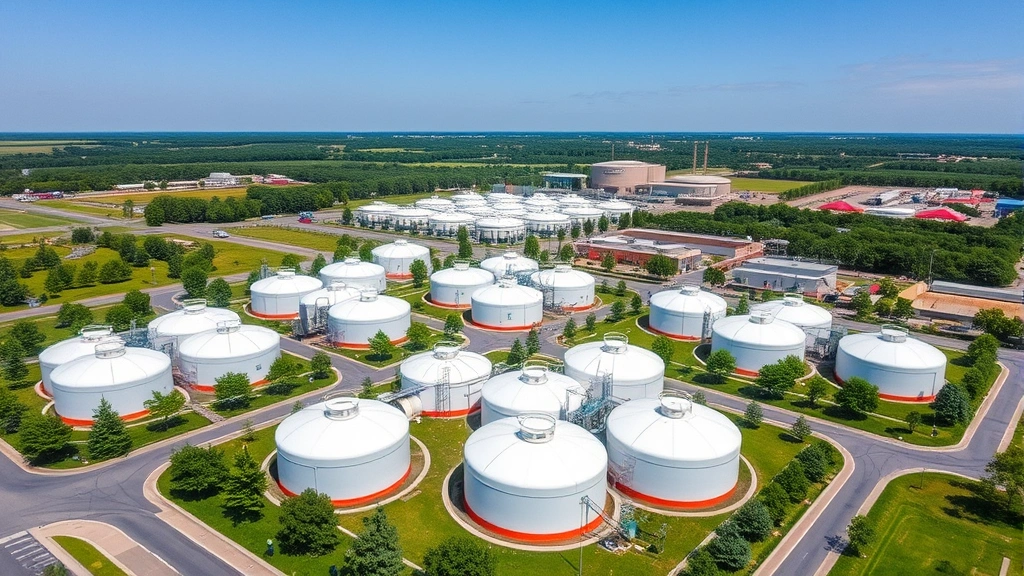
Liquefied petroleum gas represents a hydrocarbon fuel consisting primarily of propane and butane. These gases exist naturally within crude oil deposits and natural gas fields, making LPG an extraction byproduct rather than a synthesized fuel. During crude oil refining and natural gas processing, LPG emerges as a valuable energy source with diverse applications across residential, commercial, and industrial sectors.
The production process involves extracting crude oil or natural gas, then separating heavier hydrocarbons through distillation and fractionation. Propane and butane are then compressed and liquefied under moderate pressure, reducing their volume by approximately 250 times. This liquefaction enables efficient storage and transportation, making LPG accessible to regions without natural gas pipeline infrastructure.
Understanding LPG’s production methodology proves essential when evaluating its environmental footprint. Unlike renewable energy sources such as solar or wind power, LPG extraction requires drilling operations that can disturb ecosystems. However, when compared to coal mining or oil extraction for transportation, LPG’s production impact remains relatively contained, particularly when sourced from natural gas processing where it represents a byproduct rather than the primary extraction target.
The global LPG market has expanded significantly, with production facilities now operating across every continent. Modern extraction technologies have improved efficiency, reducing waste and environmental disruption during the production phase. As you explore sustainable energy solutions, understanding LPG’s production reality helps contextualize its role in the energy landscape.

Carbon Emissions: How LPG Compares to Other Fuels
The critical question for environmental assessment centers on carbon emissions. Research from the EPA’s greenhouse gas emissions database demonstrates that LPG produces approximately 1.5 kg of CO2 per kilowatt-hour of energy generated. This positions LPG favorably compared to several conventional fuels but unfavorably against renewable alternatives.
Comparative emission analysis reveals:
- Coal: Produces 0.82-0.95 kg CO2/kWh, making it significantly more carbon-intensive despite lower per-unit emissions appearing favorable
- Natural gas: Generates 0.41-0.49 kg CO2/kWh, approximately one-third LPG’s emissions
- Oil: Emits 0.65-0.73 kg CO2/kWh for heating applications
- Solar photovoltaic: Produces 0.04-0.05 kg CO2/kWh over its lifecycle
- Wind energy: Generates 0.01-0.02 kg CO2/kWh throughout its operational lifetime
When examining residential heating specifically, LPG demonstrates moderate environmental performance. A typical household using LPG for heating produces approximately 4-5 tonnes of CO2 annually, compared to 6-8 tonnes for oil heating and 3-4 tonnes for natural gas heating. This positions LPG as a reasonable middle-ground option for properties without natural gas access, though significantly higher than heat pump or renewable heating solutions.
The World LPG Association emphasizes that LPG’s carbon intensity varies based on production source. LPG derived from natural gas processing carries lower upstream emissions than LPG extracted directly from crude oil, suggesting that sourcing transparency matters when evaluating environmental impact. Consumers interested in gas prices and availability should also consider regional sourcing practices when making purchasing decisions.
Energy Efficiency and Performance Metrics
Beyond carbon emissions per unit, energy efficiency determines whether a fuel truly serves environmental goals. LPG demonstrates exceptional energy density, containing approximately 46.3 megajoules per kilogram—higher than gasoline’s 44.6 MJ/kg and significantly exceeding natural gas at 38.3 MJ/kg.
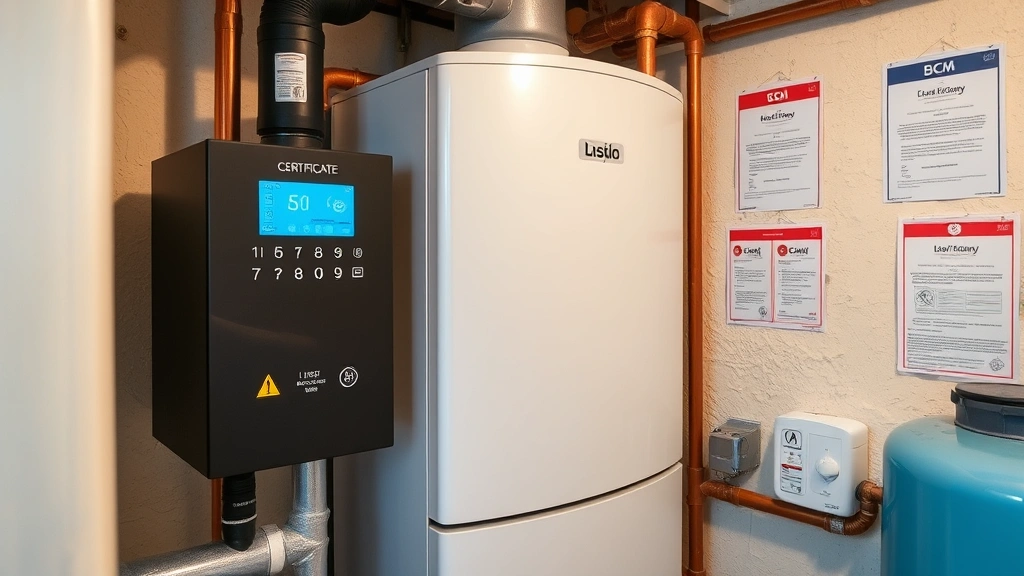
This superior energy density means LPG appliances and heating systems require less fuel volume to deliver equivalent heat output. Modern LPG boilers achieve 90-95% efficiency ratings, converting nearly all combusted fuel into usable heat. This contrasts favorably with older oil heating systems operating at 70-80% efficiency and demonstrates the importance of equipment age when evaluating heating fuel environmental impact.
For transportation applications, LPG vehicles demonstrate efficiency advantages over gasoline equivalents. Autogas-powered vehicles typically consume 20-30% more fuel by volume than gasoline counterparts, yet LPG’s superior energy density ensures comparable or superior mileage performance. Additionally, LPG engines produce fewer particulate emissions and reduced nitrogen oxide levels compared to diesel vehicles, contributing to improved air quality in urban environments.
The efficiency advantage becomes particularly pronounced in combined applications. Industrial facilities utilizing LPG for heating, power generation, and processing simultaneously achieve overall efficiency rates exceeding 85%, compared to 65-75% for equivalent natural gas installations. This efficiency differential gains importance when evaluating natural gas water heater alternatives, as LPG water heating systems often deliver superior performance metrics.
LPG’s Role in Sustainable Energy Transition
The International Energy Agency recognizes LPG as a transitional fuel supporting the shift from coal and oil toward renewable energy dominance. Rather than viewing LPG as a long-term sustainability solution, energy experts increasingly position it as a practical bridge technology addressing infrastructure gaps during the energy transition.
In developing regions lacking natural gas pipeline networks or renewable energy infrastructure, LPG provides accessible, cleaner energy than traditional biomass or coal burning. This role proves particularly valuable in rural areas where extending grid infrastructure remains economically unfeasible. By enabling cleaner cooking and heating options in underserved communities, LPG contributes meaningfully to global emissions reductions despite not representing ultimate sustainability.
The International Energy Agency’s LPG analysis emphasizes that LPG’s environmental contribution depends heavily on implementation context. In regions transitioning from coal-dependent heating, LPG adoption delivers substantial emissions reductions. Conversely, in areas with natural gas access or renewable heating options, LPG represents a suboptimal choice from pure environmental perspective.
Biogas-derived LPG variants represent an emerging opportunity within this transition framework. When produced from agricultural waste, landfill gas, or wastewater treatment processes, bioLPG delivers carbon-neutral or even carbon-negative performance. Several European nations have begun blending bioLPG into conventional supplies, demonstrating technological feasibility for scaling sustainable LPG alternatives.
Environmental Benefits and Drawbacks
Environmental Advantages:
- Lower emissions than coal and oil: Switching from heating oil to LPG reduces household carbon emissions by 35-40%, representing meaningful environmental improvement for properties without natural gas access
- Cleaner combustion: LPG produces minimal particulate matter, sulfur compounds, and mercury compared to coal and oil burning, improving local air quality
- Portable infrastructure: LPG’s liquid state enables efficient distribution without extensive pipeline networks, reducing infrastructure environmental costs in remote regions
- Appliance compatibility: Existing natural gas appliances often convert to LPG with minimal modifications, reducing waste from equipment replacement
- Industrial efficiency: LPG’s high energy density makes it optimal for applications requiring portable, reliable power generation in off-grid locations
Environmental Disadvantages:
- Fossil fuel origin: LPG remains fundamentally a non-renewable resource, contributing to continued fossil fuel dependence rather than enabling genuine energy transition
- Methane leakage: Storage and distribution infrastructure can develop leaks releasing methane, a greenhouse gas 25-28 times more potent than CO2 over 100-year periods
- Extraction impacts: Oil and natural gas drilling operations disrupt ecosystems, contaminate groundwater in some cases, and contribute to habitat fragmentation
- Supply chain emissions: Transportation of LPG tanks and refueling infrastructure generates additional carbon costs not reflected in per-unit emission calculations
- Limited scalability: LPG cannot meaningfully replace renewable energy sources at scale; relying on LPG indefinitely perpetuates fossil fuel infrastructure
The environmental reality of LPG reflects a nuanced picture. For specific applications and geographic contexts, LPG represents a pragmatic improvement over dirtier alternatives. However, positioning LPG as a long-term sustainability solution would undermine genuine environmental progress. Understanding these tradeoffs helps consumers make contextually appropriate energy decisions aligned with reducing your environmental footprint.
Practical Applications for Eco-Conscious Consumers
For homeowners evaluating heating options, LPG merits consideration in specific circumstances. Properties located beyond natural gas distribution networks face a choice between LPG, oil heating, electric resistance heating, or renewable alternatives. In this context, LPG typically emerges as the environmentally superior option compared to oil, with lower emissions and superior efficiency.
However, eco-conscious consumers should prioritize renewable alternatives when feasible. Air source heat pumps, ground source heat pumps, and solar thermal systems deliver substantially lower lifetime emissions than any fossil fuel heating approach. For properties where renewable heating remains impractical, high-efficiency LPG boilers represent a reasonable interim solution while planning eventual renewable energy transition.
Agricultural and rural applications present another context where LPG proves environmentally defensible. Farmers utilizing LPG for grain drying, crop irrigation pumping, and livestock facility heating often lack renewable energy alternatives due to infrastructure limitations. Switching from diesel-powered equipment to LPG reduces particulate emissions and improves air quality in farming communities.
Commercial hospitality and food service operations frequently depend on LPG for cooking and heating. While electric induction cooking and heat pump systems offer superior environmental profiles, many chefs and facility operators prefer LPG’s responsiveness and performance characteristics. For these applications, choosing high-efficiency LPG equipment and exploring sustainability insights from industry analysis helps minimize environmental impact.
Transportation represents an increasingly relevant LPG application. Autogas vehicles produce lower emissions than gasoline or diesel equivalents while offering substantially lower fuel costs. For fleet operators managing delivery vehicles, taxis, or public transportation, LPG conversion presents an economically and environmentally rational interim step toward eventual electrification.
Future of LPG in Green Energy
The trajectory of LPG within sustainability frameworks remains uncertain, depending on technological development and policy evolution. Several emerging trends suggest potential pathways for LPG’s environmental improvement or eventual replacement.
Renewable LPG development: Synthetic LPG produced from renewable electricity and captured carbon dioxide represents a technological frontier. If scaled successfully, renewable LPG would deliver carbon-neutral performance while utilizing existing LPG infrastructure, easing transition toward net-zero emissions without requiring complete equipment replacement.
Blended fuel approaches: Mixing conventional LPG with bioLPG derived from waste materials offers near-term emissions reductions. Several European energy companies now offer 10-20% bioLPG blends, with targets to reach 50% renewable content within the next decade.
Efficiency improvements: Continued innovation in LPG combustion technology and equipment design promises efficiency gains approaching 98% in future generations. Combined with renewable sourcing, these advances could substantially improve LPG’s environmental credentials.
Policy and incentive evolution: Government carbon pricing, renewable energy mandates, and heating decarbonization requirements increasingly pressure LPG toward renewable alternatives. Understanding these policy trajectories helps consumers anticipate future energy costs and infrastructure changes.
The consensus among energy researchers and climate scientists positions LPG as a transitional fuel with limited long-term sustainability role. Rather than viewing LPG as a solution to climate change, environmental experts recommend leveraging it strategically where it delivers meaningful emissions reductions compared to existing infrastructure, while simultaneously investing in renewable energy deployment for genuine decarbonization. Exploring advantages of electric vehicles and renewable heating demonstrates how consumers can align energy choices with genuine sustainability goals.
Frequently Asked Questions
Is LPG considered a renewable energy source?
No, LPG is not renewable. It derives from finite fossil fuel deposits—crude oil and natural gas—and will eventually deplete. While LPG qualifies as cleaner than many conventional fuels, it cannot support indefinite energy systems. Renewable LPG variants produced from waste biomass or synthetic processes represent emerging alternatives with genuinely sustainable potential.
How does LPG impact air quality compared to other heating fuels?
LPG produces significantly fewer air pollutants than coal or oil heating. Modern LPG combustion generates minimal sulfur dioxide, nitrogen oxides, and particulate matter. Natural gas heating delivers comparable air quality benefits with slightly lower emissions. Electric heating powered by renewable sources eliminates local air pollution entirely, making it superior from air quality perspective.
Can LPG be produced sustainably?
Conventional LPG extraction remains fundamentally unsustainable due to fossil fuel depletion. However, bioLPG produced from agricultural waste, landfill gas, or other renewable sources delivers carbon-neutral or negative performance. Scaling bioLPG production remains technically feasible but requires policy support and infrastructure investment currently lacking in most regions.
What is the environmental cost of LPG distribution infrastructure?
LPG distribution involves storage tank manufacturing, truck transportation, and retail facility operations—all generating carbon emissions. These supply chain emissions typically account for 10-15% of LPG’s total lifecycle carbon footprint. Pipeline-based distribution (where available) reduces these costs compared to truck-delivered LPG in rural areas.
Should I switch from oil heating to LPG for environmental reasons?
Yes, switching from oil to LPG reduces heating-related emissions by approximately 35-40%, representing meaningful environmental improvement. However, transitioning to electric heat pumps or renewable heating systems delivers substantially greater environmental benefits. LPG represents a pragmatic intermediate step if renewable alternatives remain impractical for your property.
Is LPG safe for the environment during storage and transport?
LPG storage and transportation are highly regulated with strong safety records in developed nations. Leaks do occur but represent relatively small volumes compared to total supply. The primary environmental concern involves methane emissions from distribution infrastructure, though these remain substantially lower than natural gas leakage rates.


