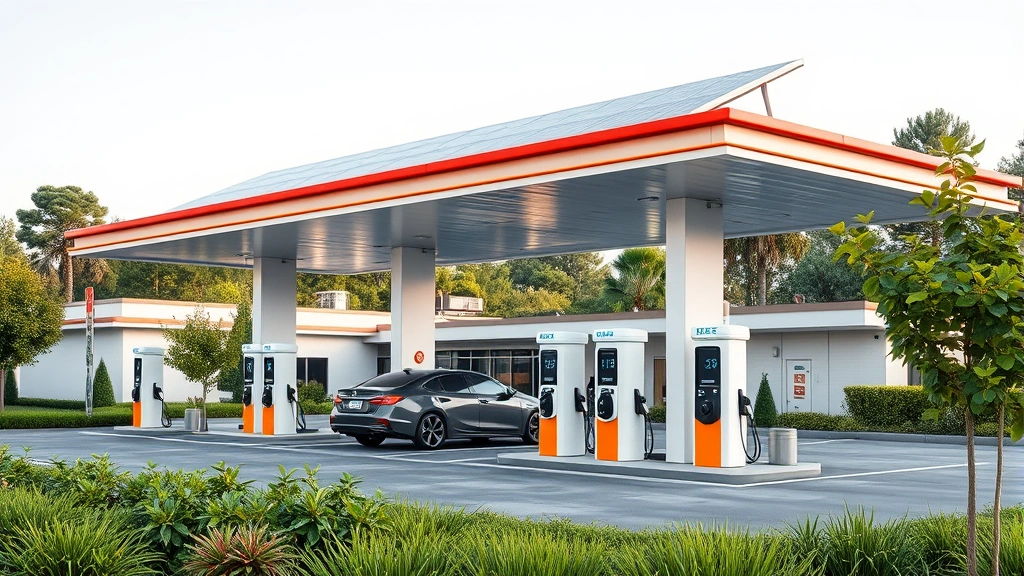
Find Eco-Friendly Gas Stations? Here’s How
The search for environmentally responsible fuel options has become increasingly important as climate change concerns grow and consumers seek ways to minimize their carbon footprint. While the transportation sector remains a significant contributor to global emissions, finding eco-friendly gas stations represents a practical step toward sustainable living. Whether you’re looking for a gas station with a vacuum near you or exploring greener fueling alternatives, understanding your options empowers you to make conscious choices that benefit both your wallet and the planet.
Modern gas stations are evolving beyond traditional fuel pumps. Today’s environmentally aware drivers can access stations offering alternative fuels, electric vehicle charging, carbon offset programs, and sustainable practices. This comprehensive guide explores how to locate and evaluate eco-friendly gas stations in your area, helping you transition toward more sustainable transportation habits while maintaining convenience and accessibility.
Understanding Eco-Friendly Gas Station Options
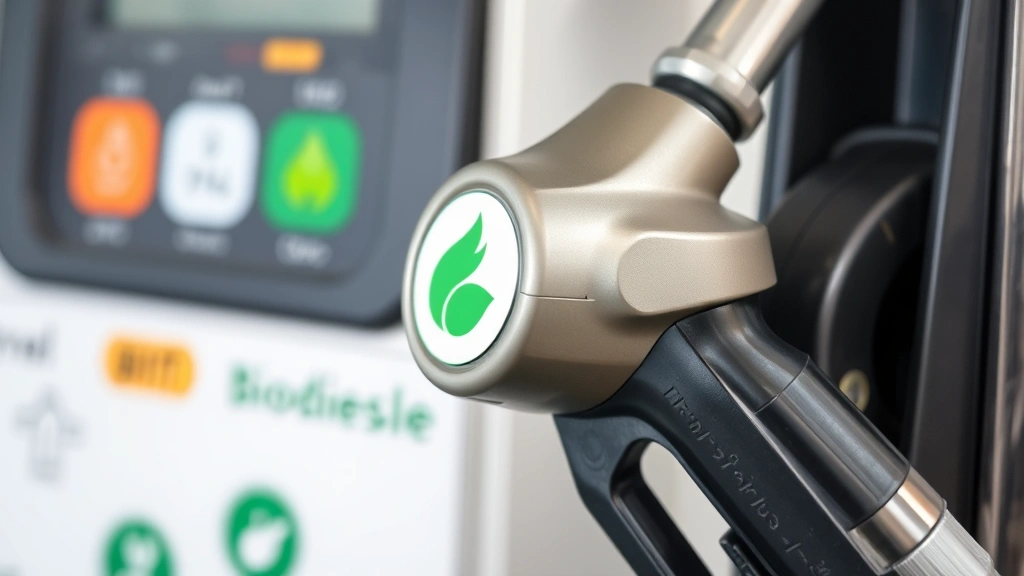
Eco-friendly gas stations represent a spectrum of sustainable practices and offerings. At the most basic level, these stations provide efficient vacuum systems and maintenance services that help vehicles run cleaner. However, true environmental leadership extends far beyond convenience amenities. Progressive gas stations now offer renewable diesel, biodiesel blends, compressed natural gas (CNG), and hydrogen fuel options that dramatically reduce emissions compared to conventional gasoline.
The environmental impact of your fuel choice matters significantly. Traditional gasoline produces approximately 411 grams of CO2 per liter burned, contributing substantially to atmospheric carbon accumulation. Biodiesel reduces lifecycle carbon emissions by up to 86 percent compared to petroleum diesel, according to EPA renewable fuel standards. Compressed natural gas produces roughly 20 percent fewer emissions than gasoline, while electric vehicles eliminate tailpipe emissions entirely.
Understanding these distinctions helps you evaluate which sustainable energy solutions align with your environmental goals and driving needs. Many conscientious consumers are surprised to learn that conventional gas stations increasingly incorporate green infrastructure like solar panels, rainwater collection systems, and recycling programs alongside fuel options.

How to Find Gas Stations with Eco-Friendly Services Near You
Locating eco-friendly gas stations requires strategic use of technology and resources designed for environmentally conscious consumers. The most effective approach combines multiple search methods to identify stations offering both traditional services like vacuums and advanced sustainable options.
Digital Tools and Mobile Applications: Start by downloading apps specifically designed for finding alternative fuel stations. The U.S. Department of Energy maintains Alternative Fuels Data Center (AFDC), which provides real-time information on alternative fuel station locations, including biodiesel, ethanol, natural gas, propane, and hydrogen facilities. Simply entering your zip code reveals nearby options with detailed information about available services, hours of operation, and user reviews.
Google Maps offers another accessible search method. Enter “eco-friendly gas stations near me” or “sustainable gas stations” to discover options in your area. Many environmentally progressive stations maintain detailed listings highlighting their green certifications and available services. This approach works particularly well when seeking a gas station with vacuum near me, as Google displays multiple nearby locations with ratings reflecting customer satisfaction with amenities.
GasBuddy, traditionally known for price comparisons, now includes filters for alternative fuel options and sustainability features. Users can identify stations offering premium environmental practices while comparing fuel prices—combining economic and ecological decision-making.
Direct Research and Community Networks: Contact local environmental organizations and sustainability nonprofits in your area. Groups like Green America often maintain databases of certified sustainable businesses, including gas stations implementing genuine green practices. Community bulletin boards and local sustainability Facebook groups frequently share recommendations for stations offering vacuum services alongside eco-friendly options.
Many municipalities maintain lists of certified sustainable businesses and alternative fuel infrastructure. Contact your city’s environmental or transportation department to access official resources identifying stations meeting specific sustainability criteria.
Alternative Fuels and What They Mean for Sustainability
Understanding different fuel types empowers informed decision-making about which sustainable options best serve your transportation needs and environmental values.
Biodiesel and Renewable Diesel: These fuels derive from renewable biological sources like vegetable oils, animal fats, and algae. Biodiesel blends (B5, B10, B20) can fuel most diesel vehicles with minimal modifications while reducing emissions and supporting agricultural sustainability. Renewable diesel offers similar environmental benefits with better cold-weather performance. Both options significantly decrease lifecycle carbon emissions while supporting circular economy principles.
Compressed Natural Gas (CNG): Abundant and domestically sourced, CNG produces approximately 25 percent fewer greenhouse gas emissions than gasoline. Natural gas stations are increasingly common in urban areas and along major transportation corridors. While CNG vehicles require specialized engines, fleet operators and environmentally committed individuals frequently choose this option for long-term sustainability benefits.
Propane Autogas: This clean-burning fuel reduces emissions by 15-20 percent compared to gasoline while offering lower operating costs. Propane infrastructure continues expanding, making this increasingly accessible for environmentally conscious drivers.
Hydrogen Fuel: Representing the frontier of sustainable transportation, hydrogen fuel cell vehicles produce only water vapor as exhaust. While infrastructure remains limited, hydrogen fuel cell technology is expanding in California and other progressive regions, offering zero-emission driving for committed sustainability advocates.
Exploring these advantages of electric vehicles and alternative fuel options helps you understand the complete landscape of sustainable transportation choices available today.
Evaluating Station Certifications and Green Practices
Not all gas stations claiming environmental responsibility meet rigorous sustainability standards. Learning to evaluate genuine green practices distinguishes truly committed operators from those engaged in superficial greenwashing.
Certification Programs: Seek stations certified by recognized environmental organizations. The EPA’s Green Business Certification program identifies facilities meeting strict environmental compliance standards. Stations displaying these certifications have undergone independent verification of their sustainability practices, environmental compliance, and pollution prevention efforts.
Operational Sustainability Practices: Legitimate eco-friendly stations implement comprehensive environmental management systems. Evaluate whether facilities feature:
- Spill prevention and groundwater protection systems
- Energy-efficient lighting and HVAC systems
- Waste reduction and recycling programs
- Renewable energy infrastructure like solar panels
- Rainwater harvesting and conservation systems
- Sustainable landscape management practices
- Regular environmental audits and compliance monitoring
Fuel Quality and Sourcing: Ask stations about their fuel sourcing practices. Reputable eco-friendly stations can articulate their commitment to renewable fuel blending, sustainable sourcing, and supply chain transparency. They should provide documentation about fuel composition and environmental certifications from suppliers.
Staff Training and Community Engagement: Genuine sustainability commitment extends to employee education and community involvement. Visit stations and observe whether staff can knowledgeably discuss environmental practices and alternative fuel options. Stations hosting community events, educational programs, or sustainability initiatives demonstrate deeper environmental commitment beyond basic compliance.
Electric Vehicle Charging Networks and Infrastructure
For drivers considering the ultimate sustainable transportation transition, understanding electric vehicle charging infrastructure proves essential. Progressive gas stations increasingly incorporate EV charging stations alongside traditional pumps, recognizing the transportation sector’s evolution toward electrification.
Major charging networks like Tesla Supercharger, Electrify America, and EVgo maintain searchable databases identifying charging locations, available connector types, and real-time availability. These networks integrate with navigation apps, allowing drivers to plan routes with charging stops seamlessly incorporated into journey planning.
Hybrid fueling stations—offering both traditional fuel and EV charging—represent a transitional infrastructure model. These facilities serve diverse customer needs while demonstrating operator commitment to supporting multiple sustainable transportation pathways. Many progressive gas stations now feature dedicated EV charging bays with Level 2 or DC fast-charging capabilities.
Understanding the advantages of electric vehicles extends beyond emission reduction to include lower operating costs, reduced maintenance requirements, and improved air quality in urban communities. Charging infrastructure expansion makes EV adoption increasingly practical for mainstream consumers.
Making the Transition to Sustainable Fueling
Transitioning toward eco-friendly gas stations involves strategic planning and gradual habit modification. Begin by assessing your current driving patterns and identifying which sustainable options align with your vehicle type, geographic location, and environmental priorities.
Gradual Implementation Strategy: Start by identifying one or two eco-friendly stations near your home or workplace. Visit these facilities regularly, becoming familiar with their services, pricing, and environmental practices. Gradual familiarity reduces perceived inconvenience and builds sustainable habits organically.
Research whether your vehicle can accommodate alternative fuels. Many gasoline vehicles accept ethanol blends (E10, E15), while diesel vehicles can use biodiesel blends without modification. Understanding your vehicle’s capabilities expands accessible sustainable options.
Combining Multiple Approaches: Maximize environmental impact by combining sustainable fueling with other transportation practices. Consider carpooling, using public transit for some journeys, and consolidating errands to reduce overall fuel consumption. These complementary strategies create synergistic environmental benefits exceeding any single intervention.
Leveraging Technology for Conscious Choices: Use apps and online resources to identify stations offering your preferred fuel options and services. Plan routes considering fuel station locations, ensuring convenient access to vacuum services and alternative fuel infrastructure. Technology removes barriers between intention and action, facilitating consistent sustainable choices.
Explore how to reduce your environmental footprint through comprehensive lifestyle changes where sustainable fueling represents one component of broader sustainability commitment. Every conscious choice accumulates toward meaningful environmental impact.
Supporting Infrastructure Development: Patronize eco-friendly stations consistently. Business support drives expansion of sustainable infrastructure. When stations experience strong demand for alternative fuels and green services, they invest in expanded offerings and improved facilities, creating positive feedback loops supporting infrastructure growth.
Advocate for sustainable transportation infrastructure in your community. Attend city council meetings, join local environmental organizations, and support policies promoting alternative fuel infrastructure development. Individual consumer choices combine with collective advocacy to transform transportation systems.
Exploring green technology innovations transforming our future reveals how sustainable transportation represents just one dimension of broader technological transformation enabling environmental progress.
FAQ
What should I look for when evaluating an eco-friendly gas station?
Evaluate stations based on environmental certifications, alternative fuel offerings, sustainable operational practices, staff knowledge, and community engagement. Request information about fuel sourcing, supply chain transparency, and environmental compliance records. Genuine eco-friendly stations welcome questions and provide detailed information about their sustainability practices.
Are alternative fuels more expensive than conventional gasoline?
Pricing varies by fuel type and location. While some alternative fuels cost slightly more initially, many offer superior fuel efficiency and lower operating costs over time. Natural gas and propane often provide cost savings despite potential infrastructure limitations. Research local pricing for specific fuel types in your area.
Can my current vehicle use alternative fuels?
Many gasoline vehicles accept ethanol blends (E10, E15) without modification. Diesel vehicles can use biodiesel blends. However, CNG, propane, and hydrogen require specialized engines. Check your vehicle manual or consult with mechanics about compatible fuel options for your specific model.
How do I find electric vehicle charging stations near me?
Use dedicated apps like PlugShare, Tesla Supercharger app, or Electrify America’s locator tool. Google Maps also displays EV charging locations when searching “electric vehicle charging near me.” Most apps show real-time availability, connector types, and pricing information.
What’s the environmental difference between biodiesel and renewable diesel?
Both significantly reduce lifecycle carbon emissions compared to petroleum diesel. Renewable diesel offers superior cold-weather performance and requires no engine modifications. Biodiesel blends provide similar environmental benefits with slightly different performance characteristics. Both support circular economy principles by utilizing renewable biological sources.
How can I encourage more eco-friendly gas stations in my area?
Support existing sustainable stations through consistent patronage. Contact local government representatives advocating for alternative fuel infrastructure development. Join community environmental organizations working on transportation sustainability. Attend public hearings about transportation planning and voice support for sustainable infrastructure investments.


