
Eco-Friendly Gas Tank Cleaner? A Mechanic’s Insight
Your vehicle’s fuel system is the heart of engine performance, yet it’s often overlooked in routine maintenance conversations. Over time, fuel tanks accumulate sediment, rust, water, and varnish deposits that compromise fuel efficiency, engine power, and emissions control. The question many environmentally conscious vehicle owners ask is whether eco-friendly gas tank cleaners truly exist, and if they’re worth the investment. As a mechanic with over fifteen years of experience, I’ll walk you through what makes a gas tank cleaner sustainable, which products actually deliver results, and how proper fuel system maintenance aligns with your environmental goals.
The automotive industry generates significant environmental impact through emissions and fuel consumption inefficiencies. When your fuel system contains contaminants, your engine works harder, burns more fuel, and releases more pollutants into the atmosphere. This makes fuel system maintenance not just a mechanical necessity, but an environmental responsibility. Understanding the intersection of vehicle care and ecological impact helps you make informed decisions about your car’s maintenance routine and your carbon footprint.
What Causes Fuel Tank Contamination
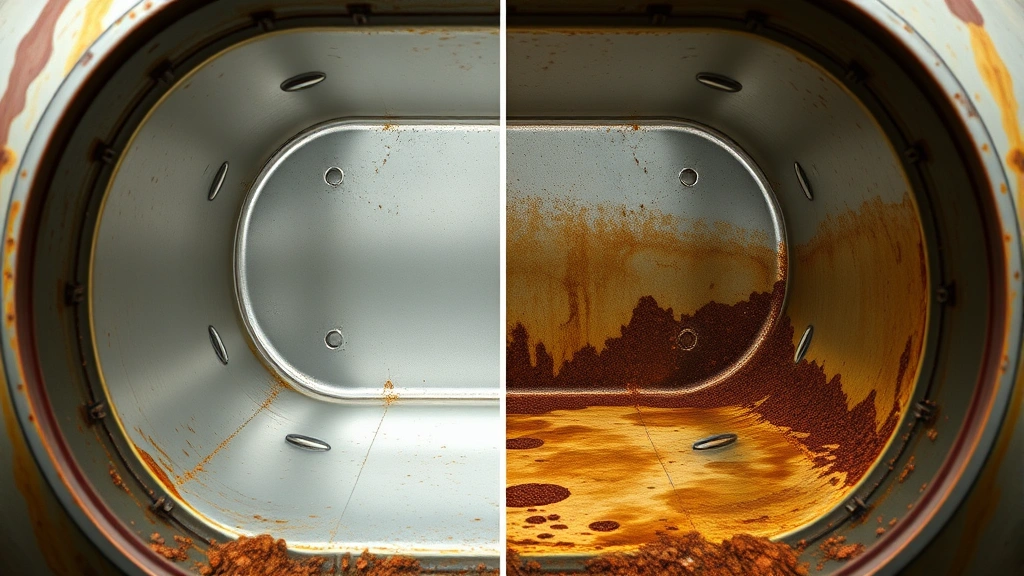
Understanding what accumulates in your fuel tank is the first step toward appreciating why cleaning matters. Gasoline naturally contains detergents mandated by the EPA, but over time, fuel oxidizes and breaks down into gummy residues. This process accelerates in older vehicles, particularly those with metal fuel tanks prone to corrosion. Water enters fuel tanks through condensation—especially in vehicles parked outdoors or driven infrequently. Ethanol-blended fuels, now standard in most U.S. gasoline, are hygroscopic, meaning they actively absorb moisture from the air, creating an environment where rust and microbial growth thrive.
Sediment buildup includes particles from fuel pump degradation, tank wall corrosion, and contaminated fuel from gas stations. Varnish deposits form when volatile compounds evaporate, leaving behind sticky residues that clog fuel injectors and restrict fuel flow. These contaminants force your engine to work inefficiently, increasing fuel consumption by up to 15% and raising emissions significantly. The connection between clean fuel systems and reduced environmental impact is direct and measurable—cleaner fuel injection means more complete combustion and fewer harmful pollutants released into the atmosphere.
The fuel tank itself requires attention because modern fuel injectors operate at precise tolerances. Even microscopic particles can cause injector clogging, leading to poor fuel atomization. This results in incomplete combustion, which produces more carbon monoxide, nitrogen oxides, and particulate matter. For anyone concerned about how to reduce your environmental footprint, maintaining clean fuel systems is an often-overlooked opportunity for meaningful impact.
Traditional vs. Eco-Friendly Cleaners
The market offers numerous fuel tank cleaning solutions, ranging from inexpensive additives to professional-grade treatments. Traditional cleaners often contain harsh petroleum-based solvents, heavy metals, and chemicals that can harm aquatic ecosystems when improperly disposed of. Many conventional products use hexane, benzene, or other volatile organic compounds (VOCs) that contribute to air quality degradation during manufacturing and application. These chemicals break down deposits effectively but leave a significant environmental footprint throughout their lifecycle.
Eco-friendly gas tank cleaners represent a growing category that prioritizes environmental safety without compromising cleaning effectiveness. These formulations typically feature biodegradable surfactants derived from plant sources, mineral-based solvents with lower toxicity profiles, and additives that work synergistically to dissolve deposits without damaging fuel system components. Look for cleaners certified by organizations like the EPA or meeting Green Seal standards, which indicate rigorous testing for environmental and human health safety.
The key difference lies in how these products break down in the environment. Eco-friendly formulations use renewable resources and are designed to biodegrade within reasonable timeframes, reducing long-term environmental persistence. They typically contain lower concentrations of volatile organic compounds, minimizing air quality impacts during manufacturing and application. When you choose sustainable cleaning products, you’re supporting sustainable energy solutions at the personal vehicle level, contributing to broader environmental goals.
It’s important to note that “eco-friendly” doesn’t automatically mean less effective. Many plant-based and mineral-derived cleaners perform comparably to traditional solvents when formulated correctly. The most reputable eco-conscious manufacturers have invested in research to ensure their products deliver results while maintaining environmental integrity. Reading third-party testing data and customer reviews from trusted sources helps identify genuinely effective sustainable options.
How Gas Tank Cleaners Work
Gas tank cleaners operate through several mechanisms depending on their chemical composition. Surfactant-based cleaners work by reducing the surface tension of contaminants, allowing them to suspend in the fuel rather than adhering to tank walls and fuel system components. This suspension keeps particles in solution, preventing them from redepositing or clogging injectors. The fuel flow then carries these suspended contaminants through the fuel filter, where they’re captured and removed during the next filter replacement.
Solvent-based cleaners dissolve varnish and gummy deposits through chemical dissolution. They penetrate layers of oxidized fuel byproducts and break molecular bonds holding contaminants together. This approach works particularly well for vehicles with significant buildup from extended periods without maintenance. The dissolved materials then flow through the fuel system, eventually being filtered out or burned during combustion.
Enzymatic cleaners represent an emerging sustainable approach. These products contain biological catalysts that break down specific contaminant types without harsh chemicals. Enzymes target particular molecular structures in varnish and sediment, making them highly specific and less likely to affect fuel system materials. While enzymatic cleaners work more slowly than aggressive solvents, they offer a gentler approach aligned with sustainable principles.
Professional fuel system cleaning services often use ultrasonic or mechanical methods combined with specialized cleaning solutions. Ultrasonic cleaning uses high-frequency vibrations to dislodge deposits from fuel injectors and tank walls without chemical harshness. Mechanical cleaning involves physically removing debris through filtration or tank purging. These methods, when combined with eco-friendly solutions, represent the most comprehensive approach to fuel system restoration while minimizing environmental impact.
Environmental Impact of Fuel System Maintenance
The environmental benefits of maintaining clean fuel systems extend far beyond your individual vehicle. A well-maintained fuel system directly reduces tailpipe emissions, contributing to improved air quality in your community. According to the EPA’s air quality standards, fuel system efficiency significantly influences a vehicle’s compliance with emissions regulations. Vehicles with clean fuel systems produce measurably lower levels of carbon monoxide, hydrocarbons, and nitrogen oxides—all major contributors to smog, respiratory disease, and climate change.
Fuel efficiency improvements from system cleaning translate directly to reduced carbon dioxide emissions. When your engine burns fuel more completely and efficiently, it consumes less gasoline to travel the same distance. This reduction in fuel consumption has cascading environmental benefits: less crude oil extraction, reduced refining emissions, lower transportation impacts, and decreased end-use emissions. Over a vehicle’s lifetime, proper fuel system maintenance can prevent hundreds of pounds of CO2 from entering the atmosphere.
The manufacturing and disposal of cleaning products themselves carry environmental weight. Traditional cleaners containing persistent organic pollutants (POPs) can accumulate in ecosystems and bioaccumulate in wildlife and human tissue. Eco-friendly cleaners with biodegradable formulations break down into harmless compounds, preventing this bioaccumulation. When disposed of properly, sustainable cleaners don’t contaminate groundwater or soil in the same way conventional products might. This matters particularly in areas with sensitive ecosystems or where groundwater serves as the primary drinking water source.
Understanding these connections helps contextualize fuel system maintenance within the broader framework of definition of sustainability. True sustainability requires evaluating not just immediate benefits but lifecycle impacts—from product manufacturing through disposal. By choosing eco-friendly gas tank cleaners and maintaining your fuel system regularly, you’re making a choice that aligns personal vehicle care with planetary health.
Best Practices for Sustainable Fuel Care
Implementing sustainable fuel system care requires a strategic approach combining preventive measures, quality products, and informed maintenance decisions. Start by understanding your vehicle’s fuel system design and maintenance schedule. Modern vehicles typically require less aggressive intervention than older models, as gasoline detergent requirements mean fuel naturally contains cleaning agents. However, high-mileage vehicles and those using ethanol-blended fuels benefit significantly from periodic professional cleaning.
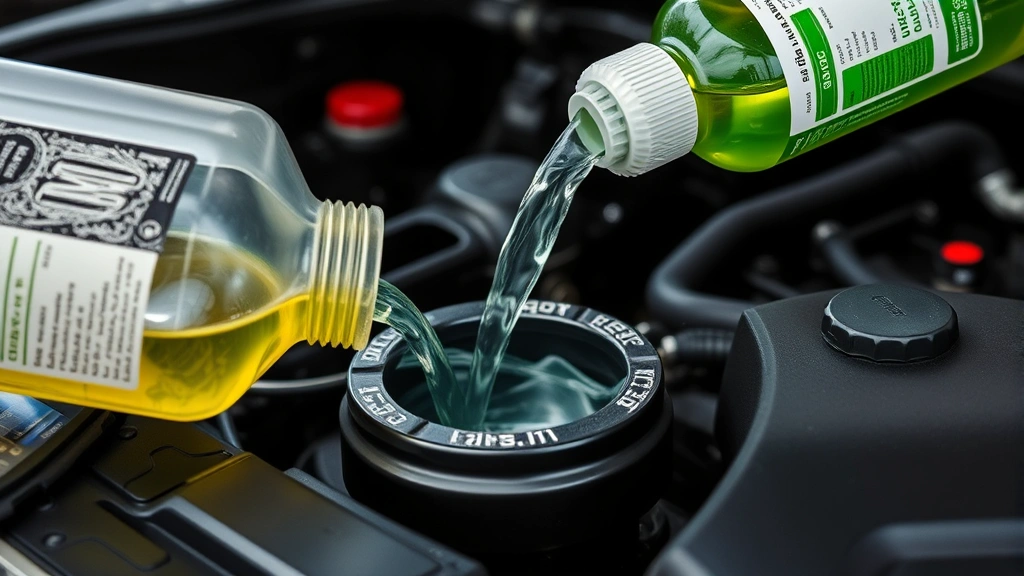
When selecting a gas tank cleaner, prioritize products with transparent ingredient disclosure. Reputable manufacturers list all components and provide safety data sheets explaining environmental impacts. Look for certifications from independent testing organizations, biodegradable claims verified by third-party labs, and clear instructions for proper use and disposal. Avoid products making exaggerated claims about miraculous performance improvements—genuine cleaners show measurable results through improved fuel economy, smoother operation, and reduced emissions, but not dramatic overnight transformations.
Timing your fuel system cleaning strategically maximizes effectiveness. Many mechanics recommend cleaning fuel systems during regular maintenance intervals, such as when replacing fuel filters or during annual inspections. This approach prevents severe contamination rather than waiting until performance problems emerge. For vehicles showing symptoms—rough idling, poor acceleration, or decreased fuel economy—professional diagnosis ensures cleaning addresses the actual problem rather than applying unnecessary treatments.
Consider your fuel choices as part of sustainable fuel system care. Top-tier gasoline from major oil companies contains higher detergent levels than minimum-requirement fuel. While slightly more expensive, premium fuel quality reduces contamination accumulation. When possible, fill up at established stations with high fuel turnover, ensuring you receive fresher fuel less likely to contain water or sediment from long storage. These simple choices complement any cleaning regimen you pursue.
Proper fuel cap maintenance prevents water entry and fuel evaporation. A damaged or missing fuel cap allows moisture infiltration and fuel vapor loss, both contributing to tank contamination and emissions. This often-overlooked component costs just a few dollars but prevents significant problems. Similarly, keeping your vehicle parked in covered areas reduces condensation-related moisture accumulation in fuel tanks.
When Professional Cleaning Is Necessary
Determining when professional fuel system cleaning is warranted requires understanding your vehicle’s condition and history. Vehicles exhibiting persistent rough idle, hesitation during acceleration, or sudden fuel economy drops often benefit from professional assessment. Fuel system specialists can diagnose whether contamination is the culprit using pressure tests, fuel sample analysis, and computer diagnostics. This diagnostic approach prevents unnecessary cleaning while ensuring genuine problems receive appropriate treatment.
High-mileage vehicles—typically those exceeding 100,000 miles—accumulate sufficient deposits to warrant professional cleaning if they haven’t received system maintenance previously. Vehicles with extended storage periods, particularly those stored outdoors or in humid climates, develop water contamination and varnish buildup that benefits from professional intervention. Fleet vehicles used for commercial purposes often benefit from scheduled professional cleaning as preventive maintenance.
Professional cleaners offer advantages over DIY additives through specialized equipment and expertise. Fuel injector cleaning machines can remove deposits inaccessible to chemical additives alone. Ultrasonic cleaning technology disrupts contaminant adhesion without harsh solvents. Professional technicians can inspect fuel pump condition, evaluate tank integrity, and identify corrosion before it causes fuel leaks. For vehicles experiencing significant problems, this comprehensive approach often proves more cost-effective than repeated additive treatments.
When selecting professional cleaning services, ask about their environmental practices. Reputable shops use eco-friendly cleaning solutions, properly dispose of extracted contaminants, and follow environmental regulations. Some facilities recycle recovered fuel and sediment responsibly. This attention to environmental impact distinguishes shops genuinely committed to sustainable practices from those simply offering the cheapest service.
Preventive Measures for Long-Term Efficiency
Preventing fuel system contamination through smart habits often proves more effective than treating problems after they develop. Regular fuel filter replacement represents the simplest preventive measure, typically recommended every 15,000 to 30,000 miles depending on driving conditions. Fresh filters capture contaminants before they reach fuel injectors or the engine. Using quality fuel filters—often lasting longer and capturing smaller particles than bargain options—provides better protection and represents excellent return on investment.
Maintaining consistent driving patterns supports fuel system health. Frequent short trips don’t allow fuel to reach optimal operating temperature, leaving water and light contaminants in suspension. Regular highway driving at steady speeds promotes fuel circulation, higher temperatures, and natural contaminant settling in fuel tanks where filters can capture them. This practical consideration means varying your driving patterns intentionally supports fuel system maintenance.
Adding quality fuel system additives during regular fill-ups provides continuous cleaning without requiring special treatments. These products, available from most auto parts retailers, contain detergents that prevent varnish accumulation and corrosion inhibitors that protect tank walls. Using additives consistently over time prevents severe contamination requiring aggressive professional cleaning. Choose products formulated with sustainable ingredients to align with your environmental values while maintaining vehicle health.
Monitoring fuel economy serves as an early warning system for fuel system problems. Tracking your vehicle’s miles-per-gallon over time reveals when efficiency drops unexpectedly, often indicating fuel system issues. Many modern vehicles display real-time fuel economy information, making this monitoring effortless. When you notice consistent drops in efficiency, professional diagnosis can identify whether cleaning will restore performance.
Battery maintenance and electrical system health indirectly support fuel system longevity. Fuel pumps rely on consistent electrical power, and voltage fluctuations can damage pump components. Maintaining your vehicle’s battery, alternator, and electrical connections ensures your fuel pump receives clean, stable power, extending its lifespan and reducing the likelihood of pump failure that could introduce contaminants into your fuel system.
Consider the broader context of your vehicle’s environmental impact by exploring advantages of electric vehicles for your long-term transportation needs. While maintaining your current vehicle sustainably is important, understanding alternative transportation options helps you make informed decisions about future vehicle choices. As battery technology improves and charging infrastructure expands, electric vehicles increasingly offer environmental benefits that complement your current vehicle maintenance efforts.
FAQ
Are eco-friendly gas tank cleaners as effective as traditional cleaners?
Yes, quality eco-friendly cleaners perform comparably to traditional products when properly formulated. The key is choosing products with proven effectiveness through third-party testing rather than relying solely on marketing claims. Many professional mechanics now prefer sustainable options because they deliver results without the health and environmental risks associated with harsh solvents.
How often should I clean my fuel system?
Most vehicles benefit from professional fuel system cleaning every 50,000 to 100,000 miles, though this varies based on fuel quality, driving habits, and vehicle condition. Using quality fuel additives continuously reduces the need for aggressive professional cleaning. Vehicles showing performance issues may need cleaning sooner, while newer vehicles operating under ideal conditions might need less frequent service.
Can I use DIY fuel system cleaners, or should I always hire professionals?
DIY additives work well for preventive maintenance and minor contamination. However, severely contaminated systems benefit from professional equipment like ultrasonic cleaners and fuel injector machines that remove deposits inaccessible to chemical additives alone. For diagnostic purposes and severe problems, professional assessment ensures you’re addressing the actual issue rather than guessing.
Do fuel system cleaners improve fuel economy?
Yes, when contamination is the cause of poor fuel economy, cleaning typically improves efficiency by 5-15%. However, if your fuel economy is poor due to other issues—worn engine components, tire pressure problems, or driving habits—cleaning alone won’t solve the problem. Professional diagnosis helps determine whether cleaning will actually benefit your specific situation.
What should I look for when choosing an eco-friendly gas tank cleaner?
Look for biodegradable formulations, transparent ingredient disclosure, third-party testing certifications, and positive reviews from trusted sources. Avoid products making exaggerated performance claims or those without clear information about environmental impact. Reputable manufacturers provide safety data sheets and explain how their products differ from traditional alternatives.
Are there environmental certifications I should look for?
Yes, certifications from organizations like Green Seal, EcoLogo, and EPA Safer Chemical Ingredient List indicate products meeting rigorous environmental standards. These certifications verify biodegradability, reduced toxicity, and responsible manufacturing practices. Products meeting these standards have undergone independent testing and ongoing compliance verification.
Can dirty fuel systems damage my vehicle?
Yes, severely contaminated fuel systems can cause significant damage. Fuel pump failure, fuel injector clogging, and tank corrosion represent serious problems requiring expensive repairs. Preventive maintenance and regular cleaning protect your vehicle’s value and reliability while avoiding costly emergency repairs.


