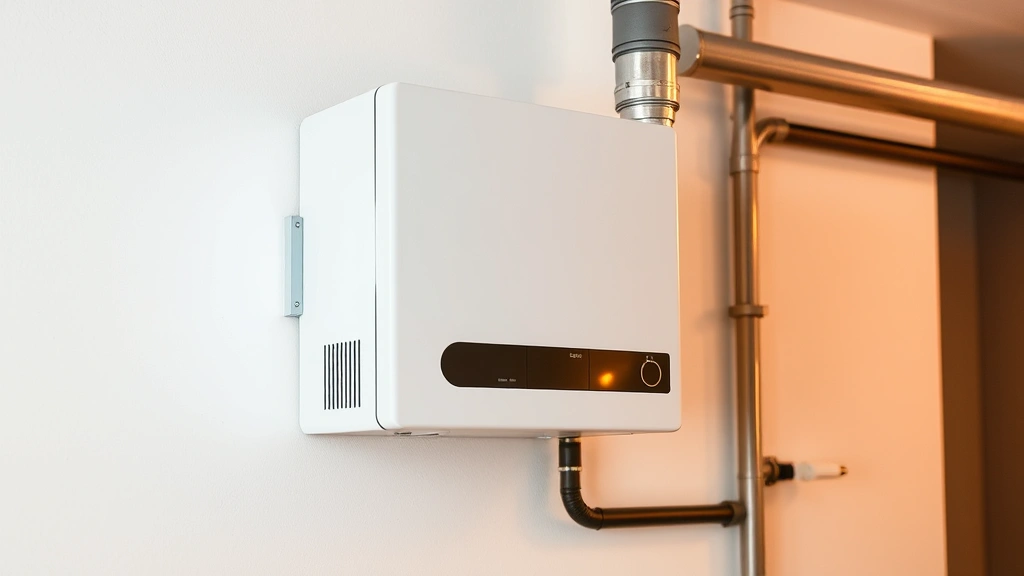
Gas Wall Furnace Efficiency: An Expert’s Insight
Gas wall furnaces represent a practical heating solution for homeowners seeking compact, space-efficient warmth without sacrificing performance. These wall-mounted units deliver heat directly into living spaces while occupying minimal footprint—a compelling advantage in apartments, small homes, and retrofit scenarios. Understanding their efficiency mechanisms, operational costs, and environmental implications helps you make informed decisions about your heating infrastructure.
This comprehensive guide examines gas wall furnace technology, efficiency ratings, installation considerations, and how they compare within the broader context of sustainable energy solutions. Whether you’re upgrading an existing system or evaluating heating options, the insights below provide actionable intelligence for optimizing both comfort and environmental responsibility.
Understanding Gas Wall Furnace Technology
A gas wall furnace operates through direct combustion of natural gas or propane, converting chemical energy into thermal energy that radiates into adjacent rooms. Unlike central furnace systems requiring extensive ductwork, wall furnaces mount directly on interior or exterior walls, drawing combustion air and venting exhaust through dedicated pipes. This design eliminates distribution losses inherent in traditional forced-air systems, where heated air travels through ducts before reaching living spaces.
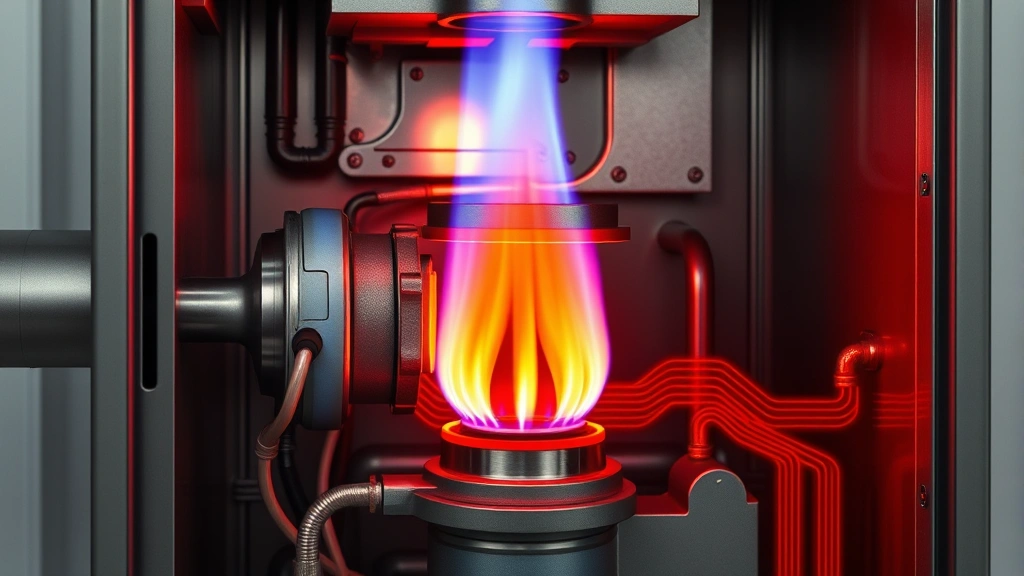
The combustion chamber contains a burner assembly that ignites gas-air mixture under thermostat control. Heat exchangers—typically made from steel or aluminum—transfer thermal energy from exhaust gases to room air. Modern units employ sealed combustion systems, drawing outside air directly for burning rather than consuming indoor air, which enhances safety and reduces backdrafting risks. The heated air rises naturally through convection or gets pushed by integrated fans, creating circulation without requiring ductwork infrastructure.
Wall furnaces typically operate on one of two principles: gravity convection (natural circulation through density differences) or forced convection (fan-assisted circulation). Gravity models suit rooms with excellent insulation and minimal heating demands, while forced-air variants provide superior heat distribution across larger spaces. Understanding this distinction helps match equipment to specific heating needs and room configurations.
Efficiency Ratings and Performance Metrics
Gas wall furnace efficiency gets measured through Annual Fuel Utilization Efficiency (AFUE), representing the percentage of fuel energy converted to usable heat over a heating season. Modern gas wall furnace models achieve AFUE ratings between 78-85%, meaning 78-85 cents of every fuel dollar produces usable heat. Older units often operate at 60-70% efficiency, wasting substantial energy through flue losses and combustion inefficiencies.
The U.S. Department of Energy established minimum AFUE standards of 78% for gas furnaces, effective since 2020. However, high-efficiency models reaching 82-85% AFUE command premium pricing while delivering measurable long-term savings. The efficiency improvement between a 78% and 85% unit translates to approximately 9% reduction in annual fuel consumption—substantial over equipment lifespans exceeding 15-20 years.
Several factors influence real-world efficiency performance beyond published AFUE ratings:
- Installation quality—Improper venting, air leaks, or thermostat placement reduces actual efficiency by 5-15%
- Maintenance condition—Dirty burners, clogged heat exchangers, and carbon buildup diminish heat transfer efficiency
- Thermostat programming—Inefficient temperature setpoints and lack of scheduling increase energy consumption
- Building envelope integrity—Poor insulation, air infiltration, and thermal bridging require furnaces operating at higher output levels
- Seasonal variations—Mild winters yield better efficiency than extreme cold periods demanding continuous operation
Installation and Venting Requirements
Proper gas wall furnace installation directly impacts both efficiency and safety. These units require direct venting to exterior walls, preventing exhaust gases from entering living spaces. Venting configurations include:
- Direct vent systems—Sealed pipes drawing combustion air from outside and exhausting directly outdoors, preventing indoor air quality degradation
- Natural draft systems—Rely on buoyancy to exhaust gases, requiring taller vents and more susceptible to backdrafting in tight homes
- Power vented systems—Incorporate exhaust fans ensuring positive venting regardless of indoor-outdoor pressure differentials
Installation location significantly affects performance. Wall furnaces positioned on exterior walls minimize heat loss through the wall cavity, while interior wall placement wastes thermal energy heating walls and attics. Venting pipes must slope appropriately—typically 1/4 inch per foot—to prevent condensate accumulation that corrodes components and reduces efficiency. Inadequate clearances around vents can create safety hazards and impede proper combustion air intake.
Building codes mandate professional installation by licensed HVAC technicians, ensuring compliance with National Fuel Gas Code standards. DIY installation voids manufacturer warranties, creates liability exposure, and risks dangerous operational conditions. Professional installers verify proper sizing, confirm adequate combustion air availability, test for gas leaks, and validate venting performance—investments yielding decades of safe, efficient operation.
Operating Costs and Energy Consumption
Calculating gas wall furnace operating costs requires understanding local natural gas pricing, equipment efficiency, and heating degree days (HDD)—a metric quantifying seasonal heating demand. A typical 30,000 BTU wall furnace operating at 80% AFUE consuming 37,500 BTU input consumes 0.33 therms hourly. At average U.S. natural gas rates around $1.20 per therm (2024), continuous operation costs approximately $0.40 per hour, or $9.60 daily.
However, furnaces operate intermittently based on thermostat demand, not continuously. A well-insulated 1,200-square-foot apartment in a moderate climate might require 8-12 hours of daily operation during winter, translating to $75-115 monthly heating costs. Poorly insulated spaces or harsh climates can double these figures, while mild regions or well-sealed homes reduce costs significantly.
Comparing wall furnaces with alternatives provides perspective on operating economics:
- Electric resistance heating—Lower equipment costs but 2-3× higher operating expenses due to electricity pricing
- Heat pumps—Higher upfront investment but 30-50% lower operating costs in moderate climates
- Boiler systems—Similar efficiency to furnaces but superior for radiant heating applications
Seasonal variations dramatically affect costs. Winter months with 500+ heating degree days consume far more fuel than shoulder seasons with 100-200 HDD. Understanding your region’s heating season length and typical winter severity helps project accurate annual expenses.
Environmental Impact Considerations
Gas combustion inherently produces carbon dioxide, methane, and nitrogen oxides—greenhouse gases contributing to climate change. A typical gas wall furnace burning 50 therms monthly generates approximately 5,000 pounds of CO2 annually, equivalent to driving a car 6,000 miles. This environmental footprint represents a significant consideration when evaluating heating solutions from a sustainability perspective.
However, natural gas produces substantially fewer emissions than heating oil or propane alternatives. Compared to electric resistance heating powered by coal-heavy grids, gas furnaces may actually yield lower lifecycle emissions. The environmental equation improves further when electricity comes from renewable sources, making heat pumps increasingly attractive in regions transitioning to clean energy grids.
Methane leakage from natural gas infrastructure represents an often-overlooked environmental concern. Studies indicate 1-3% of distributed natural gas escapes through production, transmission, and distribution systems. Methane’s global warming potential exceeds CO2 by 28-36 times over century-long periods, making these leakage rates environmentally significant. Addressing this requires systemic changes in gas infrastructure rather than individual heating choices.
For environmentally-conscious homeowners, maximizing furnace efficiency represents the most impactful immediate action. Reducing heating consumption through insulation improvements, weatherization, and thermostat management directly cuts emissions. Exploring sustainable energy alternatives like heat pumps or renewable thermal systems offers longer-term environmental benefits.
Maintenance for Optimal Efficiency
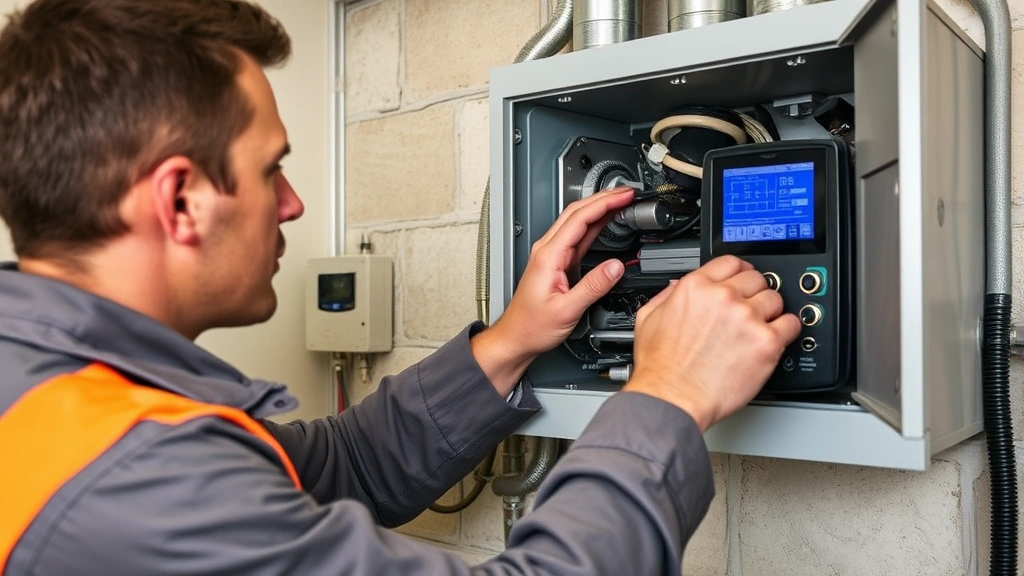
Regular maintenance preserves gas wall furnace efficiency and extends operational lifespan. Annual professional inspections before heating season begins identify issues before they impact performance:
- Burner cleaning—Removes carbon deposits improving combustion efficiency and flame quality
- Heat exchanger inspection—Detects corrosion or cracks that reduce heat transfer or create safety hazards
- Thermocouple testing—Verifies safety devices preventing gas flow if pilot light extinguishes
- Venting system inspection—Confirms proper slope, identifies blockages, and checks for corrosion or deterioration
- Gas pressure verification—Ensures proper fuel delivery and combustion
- Electrical component testing—Validates ignition systems, fan motors, and control circuits
Homeowners can perform simple maintenance between professional visits. Checking intake and exhaust vents monthly for obstructions—bird nests, debris, ice—prevents efficiency loss and safety hazards. Vacuuming furnace air filters monthly during heating season maintains airflow and combustion air supply. Keeping thermostats away from heat sources, direct sunlight, and drafts ensures accurate temperature sensing.
Preventative maintenance costs $150-300 annually but prevents emergency repairs costing $500-2,000 and extends equipment life 5-10 years. Manufacturers often void warranties without documented annual servicing, making professional maintenance a prudent investment.
Comparison with Alternative Heating Systems
Understanding how gas wall furnaces compare with alternatives informs strategic heating decisions. Gas and electric systems each offer distinct advantages:
Heat Pump Systems extract thermal energy from ambient air or ground sources, delivering 2-4 units of heating per unit of electrical input. Modern cold-climate heat pumps operate effectively at temperatures below freezing, making them viable in harsh climates. Operating costs run 30-50% lower than gas furnaces, but equipment costs exceed $5,000-8,000 for whole-home systems. Wall-mounted mini-split heat pumps offer similar efficiency in single-room applications at $3,000-5,000 installed.
Electric Resistance Heating (baseboard heaters, space heaters) offers lowest upfront costs under $500 but highest operating expenses. One kilowatt-hour of electricity costs 2-3× more than equivalent natural gas BTUs, making resistance heating economical only for supplemental heating in well-insulated spaces or mild climates.
Boiler Systems achieve similar efficiency to furnaces (80-85% AFUE) while providing radiant heating through radiators or floor loops. Superior comfort and zone control justify premium equipment costs for large homes, though space constraints often favor wall furnaces in apartments and small residences.
Ductless Mini-Splits combine heat pump efficiency with wall furnace simplicity. These compact units mount on walls without requiring ductwork, delivering 15,000-24,000 BTU heating output at 15-20 SEER ratings. Costs range $2,000-4,000 installed, positioning them between basic furnaces and comprehensive heat pump systems.
The optimal choice depends on climate severity, building size, budget constraints, and environmental priorities. Transitioning toward electrification aligns with decarbonization goals, but gas furnaces remain practical interim solutions where renewable infrastructure remains underdeveloped.
FAQ
What AFUE rating should I target when selecting a gas wall furnace?
Target minimum 80% AFUE to meet current federal standards, though 82-85% models justify premium pricing through 15-20 year operating savings. Calculate payback periods by dividing equipment cost difference by annual fuel savings—typically 5-8 years for high-efficiency upgrades.
Can a gas wall furnace heat an entire home?
Single wall furnaces suit apartments, small homes under 1,000 square feet, or supplement central systems. Larger homes typically require multiple units or central furnace systems with ductwork. Consult HVAC professionals to determine heating capacity requirements based on square footage, insulation, and climate.
How often should gas wall furnaces be serviced?
Annual professional maintenance before heating season optimizes efficiency and extends lifespan. Monthly homeowner checks of vents and filters maintain performance between professional visits. Warranty coverage often requires documented annual service.
Are gas wall furnaces safe for indoor installation?
Modern sealed-combustion wall furnaces safely operate indoors when properly installed with direct exterior venting. They don’t consume indoor air or introduce combustion byproducts into living spaces. Professional installation and regular maintenance ensure continued safe operation.
What’s the difference between natural gas and propane wall furnaces?
Natural gas and propane furnaces operate identically but require different burner orifices and pressure regulators. Propane costs typically exceed natural gas by 50-100%, making natural gas preferable where available. Detailed comparisons help evaluate fuel options based on local pricing and availability.
How does a gas wall furnace compare to a heat pump?
Heat pumps deliver superior efficiency in moderate climates (30-50% lower operating costs) but cost $2,000-4,000 more initially. Gas furnaces cost less upfront but generate higher operating expenses and greenhouse gas emissions. Climate and budget constraints determine optimal choice.
What maintenance can homeowners perform themselves?
Check and replace air filters monthly, verify vent clearance, and ensure thermostat operation. Never attempt burner adjustments, gas line work, or heat exchanger repairs—these require licensed technicians. Document maintenance for warranty purposes.
Do gas wall furnaces work during power outages?
Modern furnaces with electronic ignition and controls require electricity, so they don’t operate during outages. Older models with pilot lights and gravity convection function without power. For outage reliability, consider battery backup systems or generators for critical heating needs.


