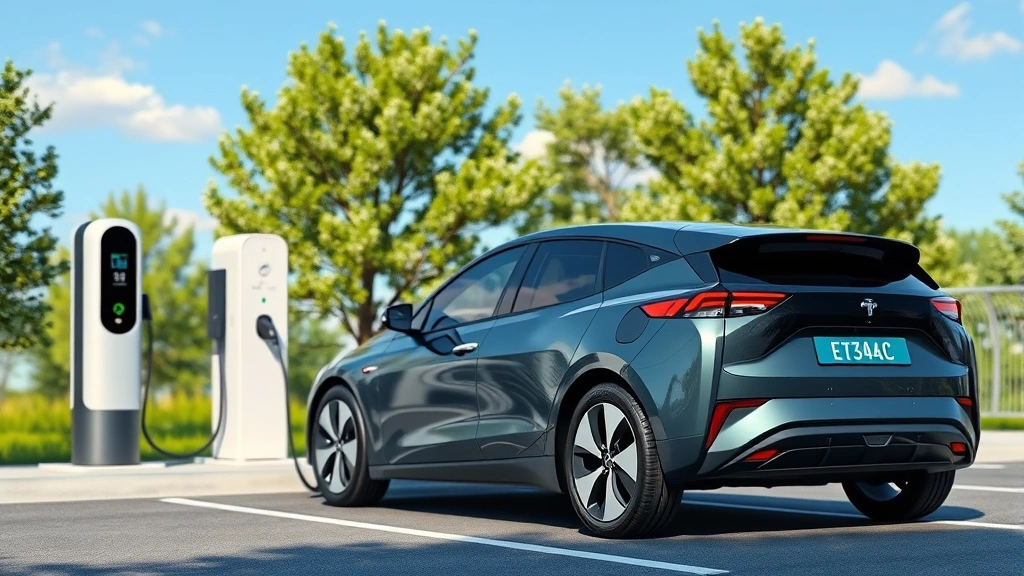
Are Electric Cars Greener? Data Insights on Emissions and Environmental Impact
The question of whether electric cars are truly greener than traditional gasoline-powered vehicles has become increasingly important as climate concerns grow worldwide. While electric vehicles (EVs) produce zero tailpipe emissions, the complete environmental picture is more nuanced. Understanding the full lifecycle emissions—from manufacturing through disposal—reveals compelling data that challenges common assumptions about vehicle sustainability.
This comprehensive analysis examines the scientific evidence, lifecycle assessments, and real-world data to determine whether electric cars genuinely offer environmental advantages. We’ll explore manufacturing impacts, electricity grid composition, driving efficiency, and long-term sustainability metrics to provide you with evidence-based insights for making informed decisions about vehicle choices.

Manufacturing and Battery Production Impact
Electric vehicle production, particularly battery manufacturing, carries a heavier initial environmental burden than traditional vehicle assembly. The extraction and processing of lithium, cobalt, nickel, and other minerals required for EV batteries consume significant energy and water resources. According to research from the International Vehicle Lifecycle Consortium, manufacturing a typical EV battery pack produces approximately 61-106 kg of CO2 equivalent per kilowatt-hour of capacity.
A standard 60-kilowatt-hour battery in a mid-size electric vehicle therefore generates roughly 3,660 to 6,360 kilograms of carbon dioxide during production alone. This substantial carbon footprint represents what researchers call the “manufacturing debt” that EVs must overcome through cleaner operation over their lifetime. However, it’s crucial to understand that this initial debt is repaid relatively quickly through zero-emission driving.
The mining operations for battery materials do raise legitimate environmental and social concerns. Lithium extraction in South America’s salt flats consumes enormous quantities of freshwater in already arid regions. Cobalt mining in the Democratic Republic of Congo has documented labor and environmental issues. Progressive manufacturers are increasingly investing in recycling infrastructure and sourcing improvements to mitigate these impacts. Companies implementing responsible sourcing practices and developing closed-loop recycling systems significantly reduce the environmental burden of future battery production.
Interestingly, traditional vehicle manufacturing also carries environmental costs often overlooked in casual discussions. Steel production, aluminum processing, and petroleum refining for gasoline vehicles generate substantial emissions. The manufacturing impact difference between EVs and conventional cars narrows considerably when examining the complete production process rather than focusing solely on batteries.
The Role of Your Electricity Grid
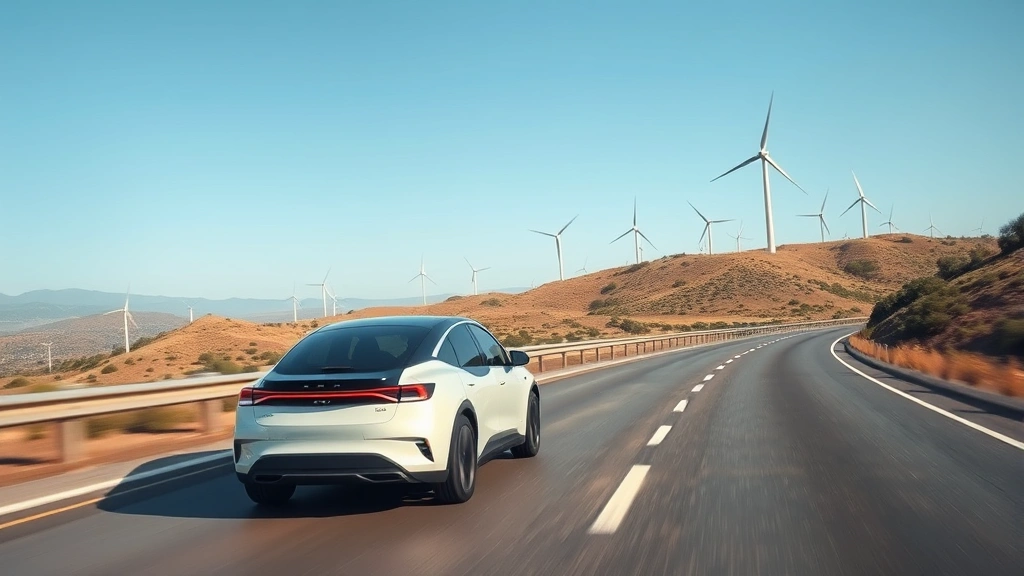
The environmental benefit of electric cars depends critically on how electricity is generated in your region. This is perhaps the most important factor determining whether an EV is genuinely greener than gasoline alternatives. In areas powered primarily by renewable energy sources like solar, wind, and hydroelectric facilities, electric vehicles offer dramatic emissions reductions. Conversely, in regions relying heavily on coal-fired power plants, the advantage diminishes significantly.
According to the U.S. Environmental Protection Agency, electric vehicles in the cleanest grid regions produce approximately 50% fewer emissions than comparable gasoline vehicles. In regions with dirtier electricity grids, EVs still typically produce 10-30% fewer emissions, though the advantage is less pronounced. Even in coal-dependent regions, the superior efficiency of electric motors compensates for the carbon intensity of electricity generation.
The electricity grid is also rapidly becoming cleaner. Renewable energy capacity continues expanding exponentially, and coal plants are being retired at accelerating rates. This means that an EV purchased today will become progressively cleaner throughout its operational life as the grid decarbonizes. A gasoline car, by contrast, remains locked into fossil fuel combustion regardless of future energy improvements. This dynamic advantage strongly favors long-term EV ownership.
Understanding your local sustainable energy solutions and grid composition helps contextualize the environmental benefits available to you. If you’re considering gas versus electric alternatives, similar grid considerations apply across household appliances and systems.
Lifecycle Emissions Comparison
Comprehensive lifecycle assessments provide the most accurate picture of environmental impact. These studies track emissions from raw material extraction through manufacturing, transportation, use phase, and end-of-life recycling. The consensus from major research institutions shows that electric vehicles overcome their manufacturing emissions debt within 15,000 to 30,000 miles of driving, depending on grid composition.
A study published by the International Council on Clean Transportation found that over a 150,000-mile vehicle lifetime, an EV powered by an average U.S. electricity grid produces approximately 50% fewer lifecycle emissions than a comparable gasoline vehicle. In cleaner grid regions, this advantage increases to 70% or more. Even accounting for the carbon-intensive manufacturing process, the cumulative emissions reduction is substantial.
The comparison becomes even more favorable when examining newer EV models with larger batteries and improved efficiency. Older gasoline vehicles, by contrast, don’t improve environmentally over their lifetime. A 2010 gasoline car pollutes just as heavily today as it did fourteen years ago, while a 2010 electric vehicle has become progressively cleaner as electricity grids have incorporated more renewable capacity.
Manufacturing emissions for conventional vehicles also receive less scrutiny in public discourse, though they’re significant. Steel and aluminum production for traditional cars generates considerable carbon dioxide. Petroleum refining and transportation add additional emissions before gasoline even reaches your fuel tank. When the complete manufacturing picture is examined, the difference between EV and traditional vehicle production becomes much less dramatic than commonly assumed.
Driving Efficiency and Real-World Performance
Electric motors operate at approximately 85-90% efficiency, meaning 85-90% of electrical energy converts directly into motion. Gasoline engines achieve only 20-30% efficiency, with the remaining 70-80% of fuel energy dissipating as waste heat. This fundamental physics-based advantage provides electric vehicles with a decisive efficiency edge regardless of electricity grid composition.
Real-world driving data demonstrates this efficiency advantage consistently. An electric vehicle traveling 100 miles consumes approximately 25-35 kilowatt-hours of electricity, equivalent to roughly 0.8 to 1.1 gallons of gasoline in energy content. A gasoline vehicle covering the same distance requires 3-4 gallons. Even when accounting for electricity generation losses, the EV requires substantially less primary energy input.
Regenerative braking in electric vehicles further enhances efficiency by capturing kinetic energy during deceleration and converting it back to stored battery power. This feature has no direct equivalent in gasoline vehicles, which waste all braking energy as heat. In urban driving with frequent stops, regenerative braking can improve EV efficiency by 10-15%, making city driving particularly favorable for electric vehicle owners.
Cold weather performance and battery efficiency do present legitimate concerns in northern climates. Battery output and vehicle range decline in freezing temperatures due to reduced chemical reaction rates and increased cabin heating demands. However, advances in battery thermal management and heated battery systems continue improving cold-weather performance. Modern EVs perform reasonably well even in harsh winters, though owners should expect 20-40% range reduction in extreme cold.
Long-Term Environmental Benefits
Beyond direct emissions reduction, electric vehicles provide numerous secondary environmental benefits. Eliminating tailpipe emissions improves urban air quality, reducing nitrogen oxides, particulate matter, and volatile organic compounds that damage human health and ecosystems. Cities with significant EV adoption show measurable improvements in air quality metrics, particularly benefiting vulnerable populations in high-traffic areas.
Water pollution from oil spills, petroleum refining runoff, and fuel station leakage represents another substantial environmental cost of gasoline vehicles rarely quantified in consumer discussions. The Natural Resources Defense Council documents extensive water contamination from petroleum extraction and refining. Electric vehicles eliminate these pollution pathways entirely, protecting aquatic ecosystems and drinking water supplies.
Noise pollution from internal combustion engines affects urban wildlife and human health significantly. Electric motors operate nearly silently, reducing noise pollution in cities and residential areas. This seemingly minor benefit contributes measurably to quality of life and animal behavior patterns in urban environments where EVs are becoming prevalent.
When exploring how to reduce your environmental footprint, vehicle choice represents one of the highest-impact decisions available to consumers. The transportation sector accounts for approximately 27% of U.S. greenhouse gas emissions, making vehicle electrification critical for climate goals.
Economic and Environmental Cost Analysis
The total cost of ownership for electric vehicles has reached parity with or fallen below gasoline vehicles in many markets when accounting for fuel, maintenance, and electricity costs. This economic advantage strengthens the environmental case for EV adoption, as sustainability and affordability increasingly align rather than compete.
Electricity costs per mile typically range from $0.03 to $0.05, compared to $0.08 to $0.12 for gasoline at current fuel prices. Over a 150,000-mile vehicle lifetime, this translates to $4,500 to $9,000 in fuel cost savings. Additionally, electric vehicles require no oil changes, have fewer moving parts, and experience less brake wear due to regenerative braking. Maintenance savings can exceed $4,000 to $6,000 over a vehicle’s lifetime.
Federal and state tax credits, rebates, and incentive programs further improve EV economics in many regions. The U.S. Department of Energy provides comprehensive information on available incentives that can reduce purchase prices by $7,500 or more, dramatically improving financial viability for mainstream consumers.
When comparing to advantages of electric vehicles systematically, the environmental benefits strengthen when paired with economic advantages. This convergence of sustainability and financial sense represents a significant shift in transportation markets. For those interested in broader sustainability across home systems, sustainable energy solutions offer similar aligned benefits.
Battery recycling represents an emerging economic and environmental opportunity. Second-life batteries from electric vehicles retain 70-80% capacity, suitable for stationary energy storage applications. Companies developing battery recycling infrastructure will recover valuable materials while reducing mining pressure. This circular economy approach improves the long-term environmental profile of electric vehicles substantially.
The SustainWise Hub Blog provides extensive analysis of sustainability considerations across transportation and home systems, helping consumers understand how various choices interact to reduce environmental impact comprehensively.
FAQ
Are electric cars truly greener than gasoline vehicles?
Yes, comprehensive lifecycle analyses consistently show that electric vehicles produce 50-70% fewer emissions than gasoline vehicles over their lifetime, even accounting for manufacturing impacts and grid composition. The environmental advantage strengthens as electricity grids become cleaner, and EVs continue improving while gasoline vehicles remain static. The only scenario where EVs don’t provide environmental benefits is in extremely coal-dependent regions, where they still typically produce fewer emissions than gasoline vehicles.
How long does it take for an EV to offset manufacturing emissions?
Most electric vehicles overcome their manufacturing emissions debt within 15,000 to 30,000 miles of driving, depending on local electricity grid composition. In clean-grid regions, this breakeven occurs around 15,000 miles, while in coal-dependent areas it might extend to 30,000 miles. After this point, every mile driven provides environmental benefits compared to gasoline vehicles. Over a 150,000-mile lifetime, the cumulative advantage is substantial.
Does extreme cold weather make electric vehicles environmentally worse?
Cold weather reduces EV efficiency and range by 20-40%, requiring more electricity to drive the same distance. However, even with this efficiency penalty, electric vehicles remain cleaner than gasoline alternatives in cold climates. The fundamental efficiency advantage of electric motors overcomes the cold-weather penalty. Modern thermal management systems continue improving cold-weather performance, making this concern less significant for new vehicles.
What happens to EV batteries after their vehicle life ends?
Used EV batteries retain 70-80% capacity and can serve 10-15 additional years in stationary energy storage applications, supporting solar and renewable energy systems. After this second life, recycling facilities recover 90-95% of battery materials including lithium, cobalt, nickel, and other valuable elements. This circular approach dramatically improves the lifecycle environmental profile compared to single-use battery disposal.
Are there environmental concerns with battery mineral mining?
Yes, lithium and cobalt mining raise legitimate environmental and social concerns including water consumption, habitat disruption, and labor practices. However, responsible mining standards, closed-loop recycling, and alternative battery chemistries are rapidly improving this situation. Gasoline vehicles face similar resource extraction concerns through petroleum drilling and refining, often with less regulatory oversight. Progressive manufacturers increasingly prioritize ethical sourcing and recycling.
Will electric vehicles become cleaner as electricity grids improve?
Absolutely. As electricity grids incorporate more renewable energy, every existing EV automatically becomes cleaner without any modification. A gasoline vehicle, by contrast, remains locked into fossil fuel combustion regardless of future energy improvements. This dynamic advantage makes EV ownership increasingly environmentally beneficial over time, while gasoline vehicles provide no such improvement potential.


