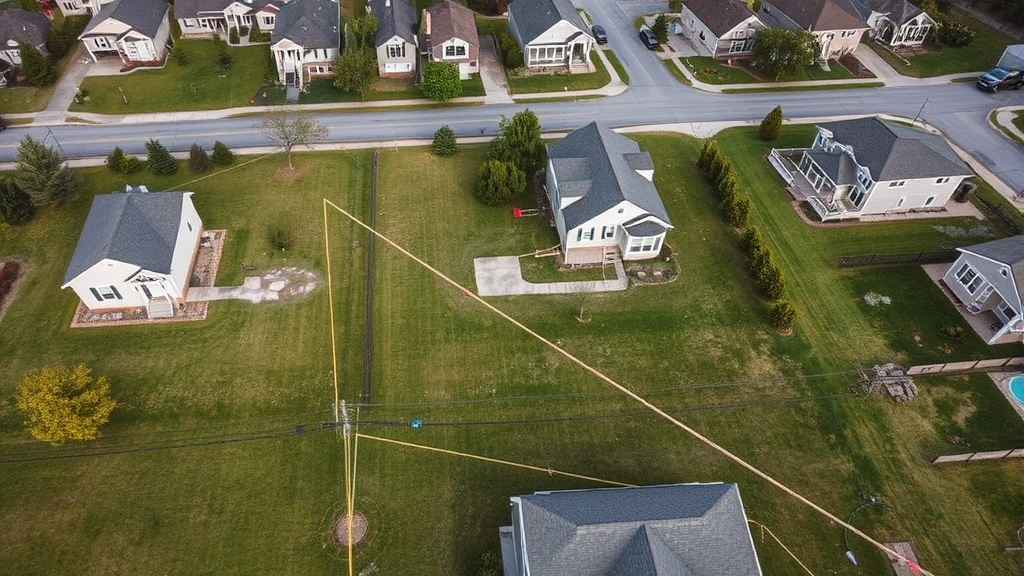
Gas Line Depth: Safety Standards Explained
Understanding how deep gas lines are buried is essential for homeowners, contractors, and anyone planning excavation work. Natural gas infrastructure represents a critical utility system that requires strict adherence to safety standards and installation codes. Improper knowledge of gas line depths can lead to dangerous accidents, property damage, and service interruptions. This comprehensive guide explores the regulatory requirements, safety protocols, and best practices surrounding buried gas lines, ensuring you have the information needed to protect both your property and your community’s safety.
Gas utilities have established specific depth requirements based on decades of safety research and operational experience. These standards vary by location, soil type, and local regulations, but they share a common goal: protecting underground infrastructure from physical damage while maintaining accessibility for maintenance and repairs. Whether you’re planning a landscaping project, installing a pool, or constructing a new building, knowing these requirements protects you from costly mistakes and potential hazards.
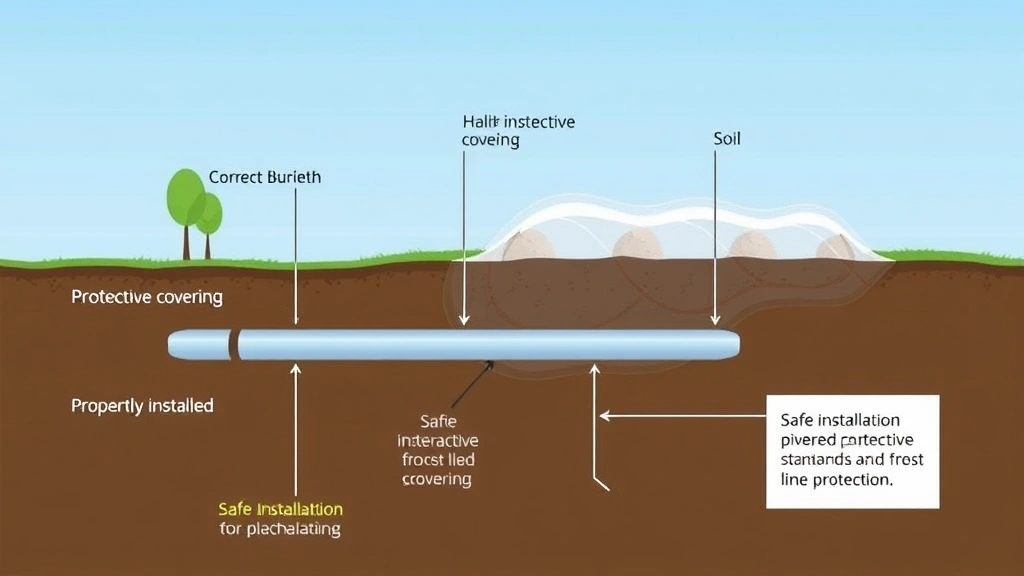
Standard Gas Line Burial Depths
The standard depth for natural gas lines in most residential areas across the United States is 18 to 24 inches below the ground surface. However, this is not a universal requirement, and depths can vary significantly depending on local codes, regional climate conditions, and specific installation circumstances. In some jurisdictions, minimum depths may be as shallow as 12 inches in protected areas, while other locations require depths of 36 inches or more.
For commercial and high-pressure transmission lines, burial depths are considerably greater, often reaching 36 to 48 inches or deeper. These larger diameter pipes carrying higher pressure gas require additional protection from surface loading, weather exposure, and potential excavation damage. The depth requirements reflect the pipe’s diameter, operating pressure, and the level of protection needed to ensure safe long-term operation.
Residential service lines connecting individual homes to main distribution lines typically follow the 18-24 inch standard, though this can vary. Distribution mains that supply multiple properties may be buried at different depths depending on whether they’re in urban, suburban, or rural areas. Understanding your specific local requirements is crucial before undertaking any digging or excavation projects on your property.
The depth of gas lines also considers frost lines in your region. In colder climates, the frost line—the depth to which soil freezes seasonally—influences how deep pipes must be buried to prevent damage from ground movement and freeze-thaw cycles. This is why northern states often have deeper minimum requirements than southern states. Consulting with your local sustainable energy solutions provider can clarify your area’s specific requirements.
Regulatory Framework and Codes
Gas line installation is governed by multiple layers of regulations designed to protect public safety and ensure system reliability. The primary standards come from the International Building Code (IBC), the International Fuel Gas Code (IFGC), and the Code of Federal Regulations (CFR). Additionally, individual states, counties, and municipalities establish their own codes that may exceed federal minimums.
The Occupational Safety and Health Administration (OSHA) provides guidance on excavation safety around underground utilities. The Call 811 program is a national resource that connects excavators with utility locating services before digging begins. This free service has prevented countless accidents and remains the most important safety step before any ground disturbance.
Each gas utility company must follow Pipeline and Hazardous Materials Safety Administration (PHMSA) standards, which establish comprehensive requirements for pipeline design, installation, maintenance, and safety. These federal standards set minimum requirements that states and local jurisdictions can enhance but not reduce. Utility companies typically maintain detailed maps showing gas line locations, depths, and specifications.
Building permits for new construction or major renovations require contractors to demonstrate compliance with all applicable codes. Inspectors verify that gas lines are installed at proper depths with appropriate materials, protective coverings, and spacing from other utilities. Non-compliance can result in failed inspections, costly corrections, and potential safety hazards.
Factors Affecting Burial Depth
Several variables influence the required depth for gas line installation beyond basic regulatory minimums. Soil composition plays a significant role—rocky or unstable soil may require deeper burial or additional protective measures. Clay soils provide better protection than sandy soils, while areas with high water tables may require different installation approaches altogether.
Climate and freeze-thaw cycles directly impact depth requirements. Northern regions experiencing deep ground freezing must bury lines below the frost line to prevent pipe damage from ground movement. This is why Minnesota, Wisconsin, and other cold-climate states have depth requirements of 36-42 inches or deeper, compared to warmer regions with shallower minimums.
Pipe diameter and operating pressure also determine appropriate burial depths. Small-diameter service lines may be buried shallower than large transmission mains. Higher-pressure lines require greater protection from external loads and potential damage. The gas utility’s engineering specifications will detail exact requirements for each line segment.
Surface land use affects depth calculations. Lines under roadways, parking lots, or areas subject to heavy traffic loads require deeper burial than lines under undisturbed grass or landscaping. Areas where future excavation is likely may have increased depth requirements to provide additional safety margins.
Proximity to other utilities influences installation depth and routing. Gas lines must maintain specific separations from water mains, electrical conduits, and sewer lines to prevent contamination and safety hazards. These spacing requirements sometimes necessitate adjusted burial depths or protective casings.
Safety Protocols and Damage Prevention
Preventing damage to buried gas lines requires knowledge, planning, and strict adherence to safety protocols. The most critical step is calling 811 before digging. This free service dispatches utility locators who mark all underground lines with paint and flags, showing exactly where gas lines and other utilities are located. Failure to call 811 is illegal in most states and exposes you to liability for damages.
When contacting 811, provide specific information about your project location, type, and timing. Locators typically respond within 2-3 business days, marking lines with color-coded paint and flags. Yellow marking indicates gas lines, making them easily identifiable. Wait for official marking before beginning any excavation, no matter how shallow you believe your digging will be.
During excavation, hand-dig near marked lines rather than using mechanical equipment. Hand-digging allows you to carefully expose lines without damaging them. If you encounter a gas line, stop work immediately and contact your gas utility company. Never attempt to repair a damaged gas line yourself—this is extremely dangerous and must be handled by licensed professionals only.
If you smell natural gas, which utilities add an odor for safety detection, evacuate the area immediately and call 911 or your gas utility’s emergency number. Natural gas leaks pose serious explosion and health risks. Never use electrical equipment, spark-producing tools, or open flames near suspected gas leaks.
Protecting gas infrastructure aligns with broader green technology innovations in energy infrastructure. Modern utility systems incorporate smart monitoring and protective systems that detect pressure changes and potential leaks before they become dangerous. Understanding these safety measures helps you appreciate the complex systems delivering energy to your home.
Marking and Locating Underground Lines
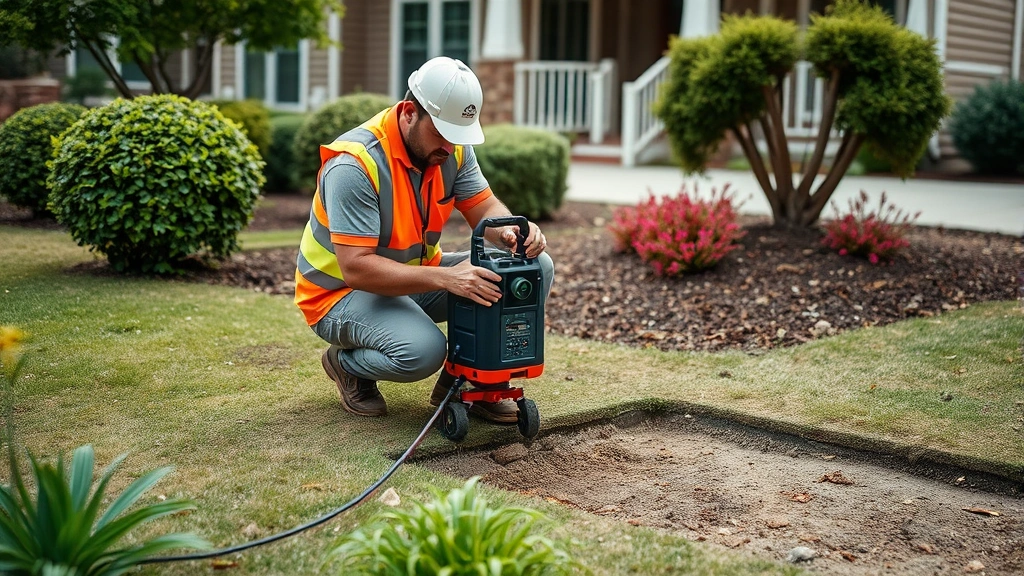
Accurate location and marking of gas lines is fundamental to construction safety and damage prevention. Modern utility locating uses multiple technologies to identify underground infrastructure with high precision. Ground-penetrating radar (GPR), electromagnetic detection, and magnetic locating are common techniques used by professional locators.
When you call 811, the service center contacts relevant utility companies operating in your area. Each utility dispatches a locator who visits your property and marks their lines. For natural gas specifically, locators use electronic detection equipment that senses the signal transmitted through the gas line. They mark the location with yellow paint and flags at regular intervals.
The markings indicate the approximate location and depth of the gas line, though depth markers are often general estimates rather than precise measurements. If you need exact depth information for your project, contact your gas utility company directly. Many utilities maintain detailed records and can provide specific depth specifications for lines on your property.
Preserving 811 markings is essential—don’t remove flags or paint marks until your excavation is complete. These markings guide your work and remind equipment operators of line locations. Taking photographs of marked lines before work begins provides documentation if questions arise later.
For ongoing projects, request fresh markings every few days if work continues beyond the initial marking validity period. Most markings remain valid for approximately 28 days, after which they may fade or be obscured. Requesting refreshed markings ensures you’re working with accurate current information.
Environmental and Sustainability Considerations
While natural gas remains an important energy source, understanding gas infrastructure relates to broader sustainability principles and the energy transition. As communities shift toward renewable energy and electrification, the role of gas infrastructure is evolving.
Methane emissions from gas infrastructure represent a significant environmental concern. Leaks from buried lines, compressor stations, and distribution systems release methane, a potent greenhouse gas. Proper installation, maintenance, and rapid repair of damaged lines minimize these emissions. Understanding how deep gas lines are buried relates to preventing damage that could cause leaks.
Modern gas utilities are implementing leak detection programs using advanced technologies to identify and repair leaks quickly. Some utilities employ infrared cameras and specialized sensors to detect escaping methane. These efforts improve system efficiency and reduce environmental impact.
The transition toward alternative energy solutions and electrification means fewer new gas lines may be installed in coming decades. Communities are increasingly exploring hydrogen blending in existing gas infrastructure and evaluating electrification strategies. This evolution doesn’t eliminate the need to understand current gas infrastructure safety, but it contextualizes gas as part of a transitioning energy landscape.
For homeowners interested in reducing their environmental impact, exploring energy efficiency improvements can reduce natural gas consumption. Many utilities offer rebates for high-efficiency appliances, weatherization upgrades, and smart thermostats that minimize gas usage while maintaining comfort.
Understanding your utility infrastructure—including how deep gas lines are buried and why—fosters appreciation for the complex systems supporting modern life. This knowledge empowers you to use these systems safely and responsibly while supporting the transition to more sustainable energy solutions.
FAQ
What is the standard depth for residential gas lines?
Most residential natural gas service lines are buried 18 to 24 inches deep, though requirements vary by location. Check with your local building department or gas utility for your area’s specific requirements, as climate, soil type, and local codes influence minimum depths.
Can I dig on my property without calling 811?
No. Calling 811 before any digging is both a legal requirement in most states and a critical safety practice. Even shallow digging for landscaping or fence posts could damage underground gas lines. The service is free and takes just a few minutes to request.
What should I do if I hit a gas line while digging?
Stop work immediately and leave the area. Do not attempt repairs or touch the line. Call your gas utility company’s emergency number or 911. Evacuate the area and keep others away until professionals arrive to assess and repair the damage.
How deep are gas transmission lines buried?
High-pressure transmission lines carrying gas over long distances are typically buried 36 to 48 inches deep or deeper, depending on local regulations and specific conditions. These larger pipes require greater protection due to their size and operating pressure.
Why do gas lines need to be buried at different depths in different regions?
Frost lines, soil composition, climate, local building codes, and surface land use all influence required burial depths. Northern regions with deep ground freezing require deeper burial to prevent pipe damage from freeze-thaw cycles. Local codes establish minimum requirements based on these regional factors.
How can I find out the exact depth of the gas line on my property?
Contact your local gas utility company directly. They maintain detailed records and can provide specific depth information for the gas service line on your property. This information is helpful when planning landscaping, construction, or other projects.
Are there any exceptions to standard gas line burial depths?
Yes. Protected areas with minimal surface disturbance, certain soil conditions, or specific installations may have different requirements. Additionally, areas with high water tables or unstable soil may require alternative installation methods. Local utility companies and building departments can explain exceptions applicable to your property.


