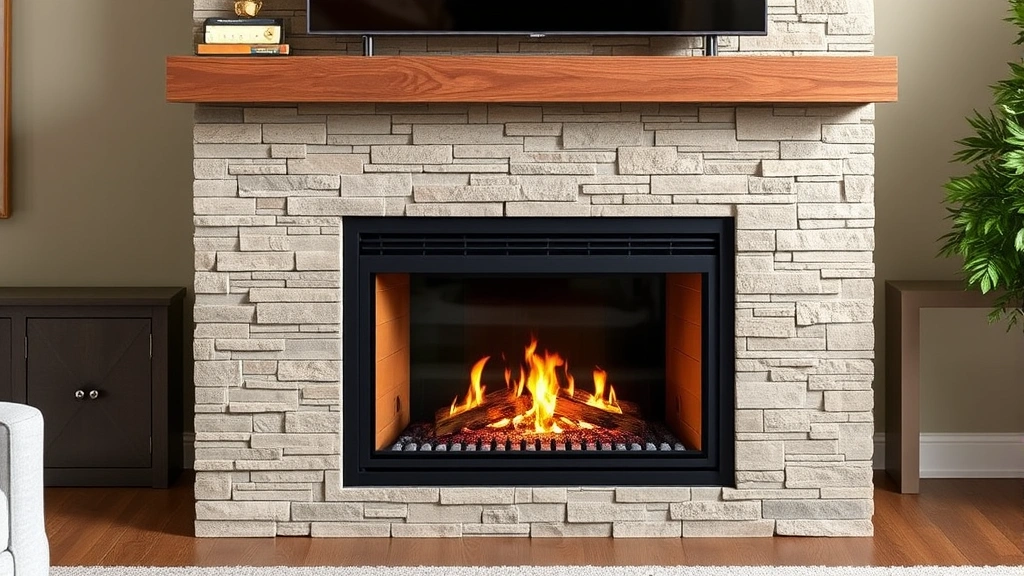
Gas Fireplaces: Sustainable Heating Option? Expert Insight
As homeowners increasingly seek comfort solutions that align with environmental responsibility, gas fireplaces have emerged as a frequently debated heating option. While they offer aesthetic appeal and warmth, the sustainability question remains complex. This comprehensive guide examines whether gas fireplaces truly represent an eco-conscious heating choice, how to operate them safely, and what alternatives might better serve your environmental footprint reduction goals.
The heating industry has undergone significant transformation, with consumers now weighing efficiency against carbon emissions more carefully than ever. Understanding the nuances of gas fireplace sustainability requires examining efficiency ratings, fuel sources, and comparative environmental impacts against other heating methods. Whether you’re considering installation or already operating a gas fireplace, this expert analysis provides actionable insights for making informed decisions.
Understanding Gas Fireplace Efficiency
Gas fireplaces vary dramatically in efficiency, ranging from traditional open-hearth models at 10-15% efficiency to modern sealed-combustion units achieving 70-90% efficiency. This substantial difference fundamentally affects both operating costs and environmental impact. High-efficiency models feature sealed combustion systems, meaning they draw combustion air directly from outside rather than from your heated living space, preventing warm air loss through the chimney.
Modern gas fireplaces incorporate several efficiency-enhancing technologies. Direct-vent systems eliminate the energy waste associated with traditional vented designs. Thermostatic controls and flame adjustment capabilities allow precise heating output matching actual comfort needs rather than operating at fixed intensity. Sustainable energy solutions increasingly incorporate these technologies into new installations.
The distinction between decorative and functional gas fireplaces matters significantly for sustainability assessment. Decorative units prioritize visual appeal over heat output, while heating-focused models are engineered for maximum thermal efficiency. If supplemental heating represents your primary goal, selecting a unit specifically designed for heat output rather than ambiance ensures better environmental performance per unit of gas consumed.
According to the ENERGY STAR program, certified gas fireplaces must meet rigorous efficiency standards. Certification ensures that units deliver measurable heating performance while minimizing wasted energy. When evaluating sustainability, prioritizing certified models provides third-party verification of efficiency claims.
How to Light a Gas Fireplace Safely and Efficiently
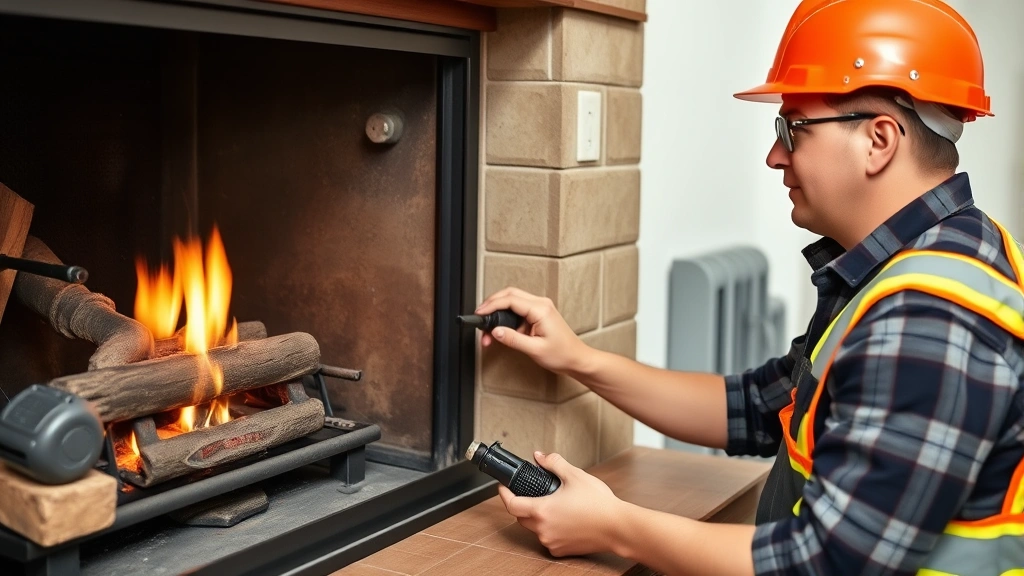
Understanding proper operation techniques directly impacts both safety and efficiency. Modern gas fireplaces utilize several ignition methods, each with distinct operational considerations. Pilot light systems represent the traditional approach, maintaining a small continuous flame that ignites the main burner when heat is needed. Electronic ignition systems eliminate the pilot light entirely, creating fuel only when the fireplace operates.
Step-by-step guide to lighting a gas fireplace:
- Locate the control knob positioned on the fireplace unit or remote control panel. Identify three standard positions: Off, Pilot, and On.
- Turn the knob to Pilot position while simultaneously pressing and holding the ignition button. Hold for 30-60 seconds, allowing the pilot light to establish.
- Maintain pressure on the knob for an additional 30 seconds after releasing the ignition button, ensuring the pilot flame remains stable.
- Rotate the knob to the On position once the pilot light burns steadily. The main burner should ignite automatically within seconds.
- Adjust flame height using the control knob to achieve desired heat output and visual effect.
Electronic ignition systems simplify this process significantly. Simply turn the control to On, and integrated electronic components automatically generate the spark necessary for ignition. This technology eliminates wasted fuel from maintaining a continuous pilot light, improving overall efficiency by 5-10% annually.
Safety considerations during operation remain paramount. Ensure the area surrounding the fireplace is clear of flammable materials, including curtains, furniture, and decorative items. Maintain minimum clearance distances specified in the manufacturer’s documentation, typically 12-24 inches depending on the model. Never operate a gas fireplace with doors or protective barriers closed unless specifically designed for that configuration.
Remote control operation provides convenience while enabling more precise thermostat integration. Many modern units connect to smart home systems, allowing temperature-based automation that prevents unnecessary operation during warmer periods. This integration represents a significant sustainability advantage, as automated systems typically reduce overall fuel consumption compared to manual operation.
Environmental Impact Assessment
The sustainability equation for gas fireplaces extends far beyond operational efficiency. Complete environmental analysis requires examining fuel sourcing, extraction methods, transportation emissions, and combustion byproducts. Natural gas, while cleaner than coal or oil, still represents a fossil fuel with inherent climate implications.
Methane emissions from natural gas extraction and distribution systems constitute a significant environmental concern. Methane possesses a global warming potential 28-34 times greater than carbon dioxide over a 100-year period. Even minor leaks in natural gas infrastructure meaningfully amplify the climate impact beyond direct combustion emissions. According to the EPA’s National Emissions Inventory, natural gas operations contribute substantially to methane atmospheric concentrations.
Combustion byproducts from gas fireplaces include carbon dioxide, water vapor, and nitrogen oxides. Properly functioning sealed-combustion units exhaust these substances directly outdoors rather than into living spaces, protecting indoor air quality. However, the absolute quantity of greenhouse gases produced remains proportional to fuel consumption, regardless of combustion efficiency or venting method.
Comparative lifecycle analysis reveals that gas fireplaces typically produce 5-15 tons of CO2 equivalent annually when used as primary heating sources, varying based on climate zone, insulation quality, and operational patterns. This environmental cost must be weighed against alternative heating methods and the specific context of your energy infrastructure. Understanding how to manage gas-dependent systems responsibly becomes increasingly important as climate concerns intensify.
Comparing Heating Options
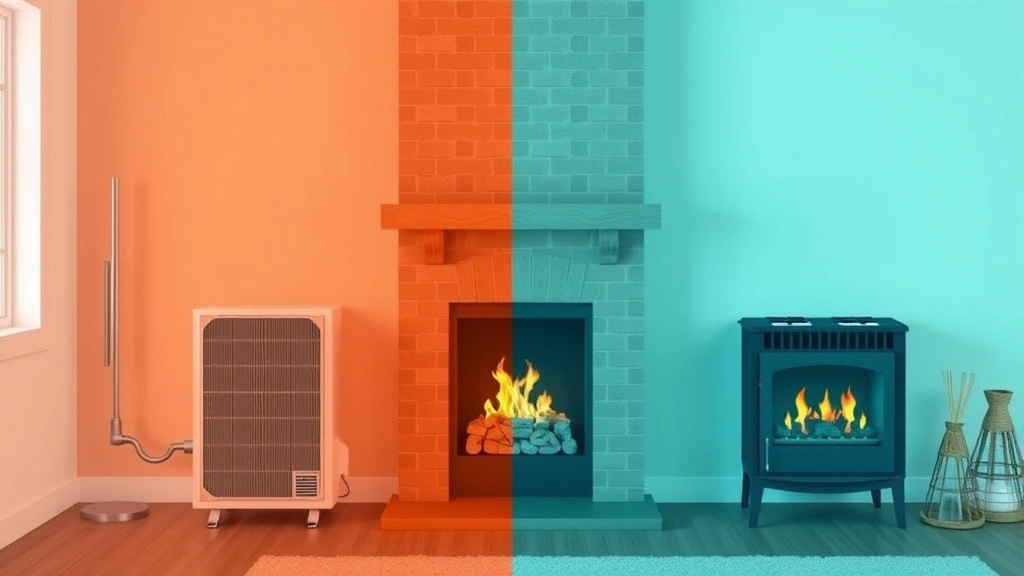
Objective sustainability assessment requires comparing gas fireplaces against viable alternatives. Electric heat pumps represent the most environmentally promising option in most North American contexts. These systems extract ambient heat from outdoor air and transfer it indoors, delivering 2-4 units of heat for every unit of electricity consumed. Even accounting for grid electricity generation, heat pumps typically produce 40-70% fewer emissions than gas heating in regions with moderate renewable energy penetration.
The environmental advantage of heat pumps increases as electricity grids incorporate more renewable generation. In regions powered primarily by wind, solar, and hydroelectric sources, electric heating solutions achieve near-zero operational emissions. Conversely, in areas relying heavily on coal or natural gas generation, the emissions advantage diminishes but typically remains significant.
Biomass heating systems, including wood and pellet stoves, present another alternative. These renewable fuel sources achieve carbon neutrality when harvested sustainably, as growing trees absorb equivalent carbon dioxide during their lifecycle. However, biomass heating requires careful fuel sourcing verification to avoid supporting deforestation or unsustainable harvesting practices. Additionally, wood combustion produces particulate matter affecting indoor and outdoor air quality.
Sustainable energy solutions increasingly emphasize hybrid approaches combining multiple heating methods. A gas fireplace supplementing a primary electric heat pump system reduces overall energy consumption while providing backup heating during extreme weather events. This integrated strategy balances comfort, reliability, and environmental responsibility more effectively than relying on single heating sources.
Solar thermal heating systems represent an emerging option for supplemental heating. While requiring significant upfront investment and geographic suitability, solar thermal collectors can reduce heating fuel consumption by 30-50% in favorable climates. Combining solar thermal heating with efficient gas fireplaces creates a genuinely sustainable hybrid system.
Maintenance and Sustainability
Proper maintenance directly impacts both safety and environmental performance. Annual professional inspections ensure combustion efficiency remains optimized and no fuel leaks occur. Dirty burners, blocked vents, or degraded seals all reduce efficiency substantially, increasing fuel consumption and emissions per unit of heat delivered.
Key maintenance activities for gas fireplace sustainability:
- Annual chimney and vent inspections verify structural integrity and confirm no blockages restrict airflow, ensuring complete combustion and preventing dangerous backdrafting.
- Burner cleaning removes dust and debris accumulation that impedes proper fuel atomization and combustion efficiency.
- Seal and gasket replacement prevents heated air from escaping around the fireplace perimeter, maintaining system efficiency.
- Thermostat calibration ensures temperature sensing accurately reflects room conditions, preventing excessive operation or insufficient heating.
- Pilot light or ignition system inspection confirms reliable startup function and prevents fuel waste from repeated ignition attempts.
Seasonal preparation before winter heating season prevents emergency repairs during peak usage periods. Scheduling maintenance during summer months allows contractors more availability while avoiding heating season demand premiums. This proactive approach reduces emergency service calls requiring potentially inefficient temporary heating alternatives.
Documentation of maintenance activities supports long-term performance tracking and identifies emerging issues before they significantly impact efficiency. Many manufacturers recommend specific maintenance intervals; following these guidelines optimizes both environmental performance and system longevity.
Making Sustainable Choices
Determining whether gas fireplaces align with your sustainability goals requires honest assessment of your specific circumstances. Gas fireplaces make most environmental sense in specific contexts: as supplemental heating in well-insulated homes already using renewable electricity for primary heating, as backup heating for heat pump systems during extreme weather, or in regions where natural gas infrastructure already exists and upgrading is economically prohibitive.
Conversely, installing new gas fireplace systems in homes without existing infrastructure represents a poor sustainability choice. The embodied emissions from infrastructure development, combined with decades of operational emissions, typically exceed alternatives. If considering new installation, evaluating comprehensive sustainable energy solutions should precede committing to gas systems.
For existing gas fireplace owners, maximizing operational efficiency through proper maintenance and judicious use represents the most practical sustainability improvement. Limiting operation to genuinely cold periods rather than operating for ambiance alone significantly reduces annual fuel consumption. Integrating thermostatic controls ensures the fireplace operates only when heating is necessary rather than operating continuously.
Renewable energy integration deserves serious consideration. Many homeowners successfully combine gas fireplaces with rooftop solar systems, battery storage, and heat pumps to achieve net-zero or near-zero annual emissions. This integrated approach leverages gas fireplaces’ proven reliability while minimizing fossil fuel dependence through renewable energy generation.
When evaluating gas prices in your area, remember that lowest cost rarely aligns with lowest environmental impact. Carbon pricing mechanisms, climate externalities, and long-term sustainability considerations should influence heating decisions at least equally with short-term operating expenses.
Consulting with certified energy auditors provides professional assessment of your specific situation. These specialists can model your home’s thermal characteristics, evaluate alternative heating approaches, and recommend the most cost-effective, environmentally responsible solution. Many utilities offer rebates or incentives for upgrading to efficient heating systems, potentially offsetting implementation costs.
FAQ
Are gas fireplaces more efficient than wood fireplaces?
Yes, significantly. Modern gas fireplaces achieve 70-90% efficiency, compared to traditional wood fireplaces at 10-15% efficiency. Gas combustion is more complete and controlled, producing more heat from equivalent fuel mass. However, high-efficiency wood stoves using sustainably harvested biomass may offer better overall environmental performance despite lower thermal efficiency.
Can gas fireplaces heat an entire home sustainably?
Not optimally. While technically possible, relying on gas fireplaces as primary heating systems typically produces higher emissions than dedicated heating systems designed for whole-home coverage. They work best as supplemental heating sources integrated with primary systems like heat pumps or renewable energy systems.
What’s the environmental cost of manufacturing a gas fireplace?
Manufacturing embodied emissions typically range from 1-3 tons of CO2 equivalent for a complete unit. These emissions are recovered through improved efficiency within 2-5 years of operation compared to less efficient alternatives. Longer operational lifespans (15-30 years) mean manufacturing impacts represent relatively small percentages of total lifecycle emissions.
Do gas fireplaces require venting outdoors?
Yes, proper venting is essential for safety and efficiency. Direct-vent systems draw outside air for combustion and exhaust products outdoors, preventing indoor air quality degradation. Unvented gas fireplaces exist but pose carbon monoxide and indoor air quality risks; they’re increasingly restricted or banned in environmentally conscious jurisdictions.
How do smart controls improve gas fireplace sustainability?
Smart thermostats and automation systems prevent unnecessary operation by coordinating fireplace function with primary heating systems. Sensors disable the fireplace when room temperatures reach target levels, and scheduling features prevent operation during unoccupied periods. These technologies typically reduce fuel consumption by 10-20% annually.
What’s the payback period for upgrading to efficient gas fireplaces?
Upgrading from older decorative units to high-efficiency heating-focused models typically achieves payback within 5-8 years through reduced fuel consumption. Exact timeframes depend on local gas prices, usage patterns, and the specific efficiency improvement. Combining efficiency upgrades with smart controls accelerates payback periods.


