Gas Pedal and Sustainability: The Connection Between Lyrics, Fuel, and Our Future
When you hear the phrase “gas pedal” in popular music, you’re likely thinking of Sage the Gemini’s 2010 hit that became a cultural phenomenon. But beyond the catchy beat and infectious lyrics, “Gas Pedal” presents an intriguing opportunity to explore the deeper connections between our obsession with speed, fuel consumption, and environmental sustainability. The song’s celebration of acceleration and power mirrors society’s historical relationship with fossil fuels—a relationship we’re now urgently reconsidering.
The intersection of cultural references like “Gas Pedal” lyrics and real-world sustainability challenges reveals something profound about modern consciousness. While the song itself is purely entertainment, its themes of pushing limits and maximum performance reflect the automotive industry’s evolution and our collective need to rethink energy consumption. This article explores how gas pedal culture connects to sustainability, what the data tells us about vehicle emissions, and how we’re transitioning toward cleaner alternatives.
Understanding Gas Pedal Culture and Fuel Consumption
The “gas pedal” metaphor has deep roots in automotive culture, representing acceleration, power, and the freedom of the open road. In the context of Sage the Gemini’s lyrics, “Gas Pedal” became an anthem celebrating speed and performance. However, this cultural celebration of maximum throttle directly correlates with fuel consumption and environmental impact. When drivers press the accelerator harder, engines burn more fuel, producing greater emissions and contributing to climate change.
Aggressive acceleration increases fuel consumption by up to 40 percent compared to smooth, gradual acceleration. This seemingly small driving behavior, when multiplied across millions of vehicles worldwide, represents billions of gallons of wasted fuel annually. The relationship between gas pedal usage and sustainability is therefore not merely symbolic—it’s quantifiably significant. Reducing your environmental footprint starts with understanding how everyday driving habits impact the planet.
The automotive industry has long marketed the thrill of acceleration and performance. Advertisements showcase vehicles reaching high speeds with dramatic flair, celebrating the very behaviors that consume the most fuel. This cultural messaging has normalized wasteful driving patterns, making it challenging for sustainability advocates to encourage more conservative acceleration habits. Yet understanding this connection is crucial for anyone interested in living more sustainably.
The Environmental Impact of Aggressive Driving
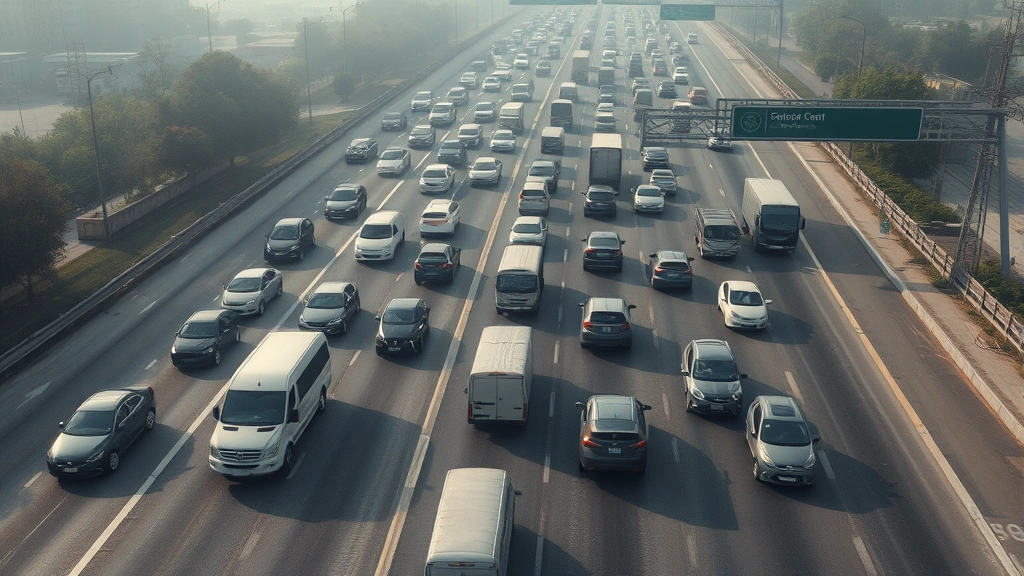
Research consistently demonstrates that aggressive driving—characterized by rapid acceleration, speeding, and hard braking—significantly increases vehicle emissions and fuel consumption. The U.S. Environmental Protection Agency (EPA) has documented that aggressive driving can reduce fuel economy by 15-30 percent on highways and 5-10 percent in city driving. These statistics translate to real environmental consequences.
When you aggressively press the gas pedal, your engine operates at higher RPMs, burning fuel less efficiently. This inefficiency releases more carbon dioxide (CO2) and other harmful pollutants into the atmosphere. Over a year, a driver who habitually accelerates aggressively might produce an additional ton of CO2 compared to someone who drives smoothly. Multiply this across the global vehicle fleet, and the environmental implications become staggering.
Beyond emissions, aggressive driving patterns contribute to:
- Increased tire wear: Rapid acceleration causes greater friction, degrading tires faster and increasing microplastic pollution
- Higher brake temperatures: Frequent hard braking generates brake dust containing harmful particulates
- Engine stress: Aggressive driving accelerates engine wear, requiring more frequent maintenance and parts replacement
- Traffic congestion: Erratic driving patterns contribute to stop-and-go traffic, which paradoxically increases overall fuel consumption
- Safety risks: Aggressive driving increases accident rates, leading to vehicle damage and replacement needs
The connection between gas pedal behavior and environmental impact extends beyond the individual driver. Insurance companies have begun tracking aggressive driving patterns through telematics devices, and some offer discounts for smoother driving habits. This market-based approach acknowledges that driving behavior directly influences environmental outcomes.
Understanding whether natural gas is renewable or nonrenewable helps contextualize why our fuel consumption matters. Whether you’re burning gasoline or natural gas, aggressive driving wastes finite resources and accelerates climate change.
Fossil Fuels and Climate Change
The gas pedal represents more than just a mechanical component—it’s a symbol of our historical dependence on fossil fuels. The transportation sector accounts for approximately 27 percent of U.S. greenhouse gas emissions, with light-duty vehicles (cars and SUVs) comprising the largest portion. Every time someone presses the accelerator, they’re directly contributing to this emissions profile.
Fossil fuels like gasoline and diesel are non-renewable resources formed from ancient organic matter. When burned for fuel, they release carbon dioxide and other greenhouse gases accumulated over millions of years. This sudden release disrupts the atmospheric carbon balance, contributing to global warming. The irony is profound: the same mechanism that provides thrilling acceleration also accelerates climate change.
According to the EPA’s greenhouse gas emissions data, transportation emissions have increased by 24 percent since 1990, driven largely by increased vehicle miles traveled and the popularity of larger, less efficient vehicles. This trend directly contradicts global climate commitments and sustainability goals.
The difference between natural gas and propane becomes relevant when discussing alternative fuels. While both are cleaner than gasoline in some respects, they remain fossil fuels with significant environmental costs. True sustainability requires moving beyond these options entirely.
Climate scientists emphasize that we must reduce transportation emissions by 50-70 percent by 2050 to limit global warming to 1.5°C. This ambitious goal requires fundamental shifts in how we power vehicles and how we drive them. The gas pedal culture of the past must give way to more conscious, efficient driving practices and cleaner energy sources.
Sustainable Transportation Alternatives
As awareness of climate change grows, the transportation industry is rapidly evolving. Sustainable energy solutions for transportation extend far beyond individual vehicles. Comprehensive approaches include public transit expansion, cycling infrastructure, car-sharing programs, and urban planning that reduces transportation needs.
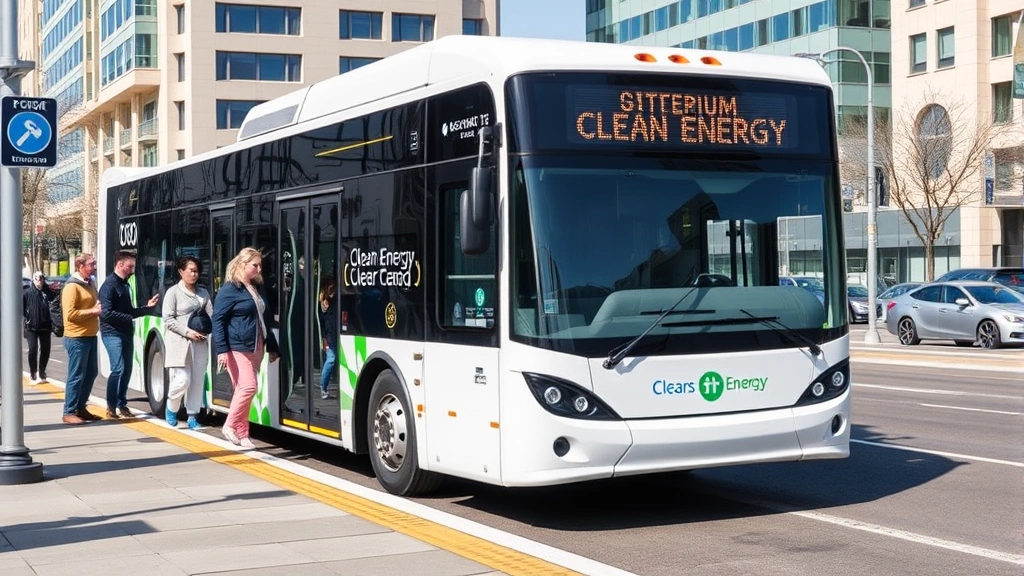
Public transportation represents one of the most impactful sustainable alternatives. A single bus can replace 40 personal vehicles, and modern electric buses produce zero direct emissions. Train systems, particularly electric trains, offer even greater efficiency. In cities with robust public transit, per-capita transportation emissions are significantly lower than in car-dependent regions.
Cycling and walking infrastructure provides additional benefits beyond emissions reduction. These active transportation modes improve public health, reduce traffic congestion, and create more vibrant communities. Cities investing in protected bike lanes and pedestrian zones consistently report improved air quality and reduced overall emissions.
Car-sharing and ride-sharing services optimize vehicle utilization, reducing the total number of vehicles needed. When multiple people share a vehicle, the per-person emissions decrease substantially. However, these services only maximize sustainability benefits when combined with electric vehicles.
Remote work and flexible scheduling reduce commuting needs entirely. The shift toward remote work during recent years demonstrated that many jobs don’t require daily office presence. Maintaining this flexibility can permanently reduce transportation-related emissions.
Urban planning that prioritizes mixed-use development—where residential, commercial, and recreational spaces are integrated—reduces travel distances and encourages walking and cycling. Cities designed around this principle consistently outperform car-dependent sprawl in sustainability metrics.
Electric Vehicles: The Future of the Road
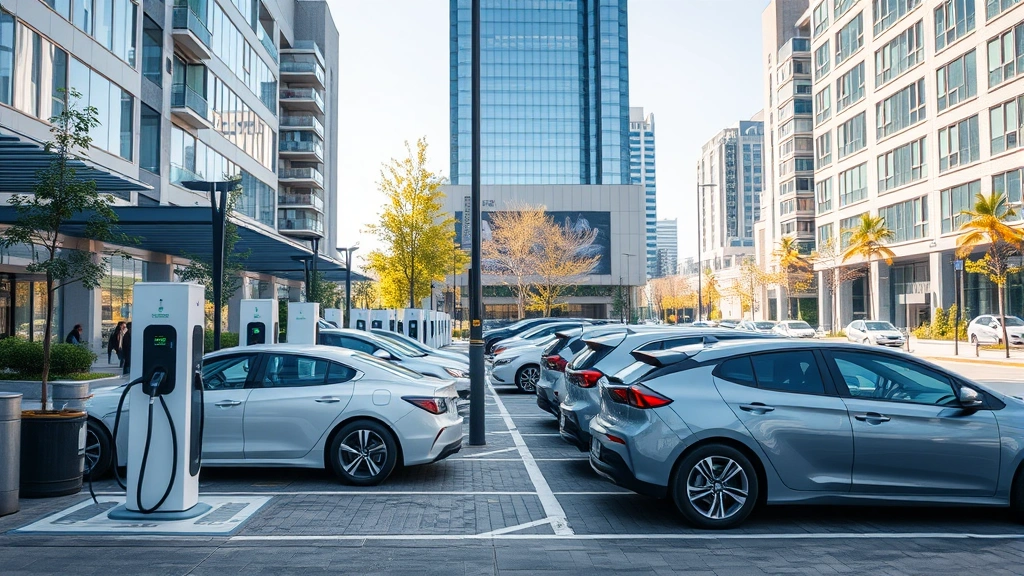
While sustainable transportation involves multiple strategies, electric vehicles (EVs) represent the most direct replacement for traditional gas-powered cars. The advantages of electric vehicles extend far beyond zero tailpipe emissions. EVs produce 50-70 percent fewer emissions than gasoline vehicles over their entire lifecycle, even when accounting for electricity generation and battery production.
Modern electric vehicles offer impressive performance that rivals or exceeds traditional sports cars. The instant torque delivery of electric motors provides acceleration that would satisfy any “gas pedal” enthusiast—but without the environmental cost. Premium EVs can accelerate from 0-60 mph in under three seconds, proving that sustainability doesn’t mean sacrificing performance.
Battery technology continues improving rapidly. Current lithium-ion batteries provide ranges exceeding 300 miles per charge, adequate for most daily driving. Charging infrastructure is expanding globally, with millions of charging stations now available. As battery costs decline, EV prices continue dropping, making them increasingly accessible to mainstream consumers.
The lifecycle analysis of electric vehicles demonstrates their environmental superiority. Although battery production involves energy-intensive processes, this initial impact is offset within 1-2 years of typical driving. Over a vehicle’s 10-15 year lifespan, an EV produces a fraction of the emissions of a comparable gasoline vehicle.
Governments worldwide recognize EVs’ potential and are implementing supportive policies. Tax incentives, rebates, and subsidies reduce purchase prices. Many countries have announced phase-out dates for gasoline vehicle sales, with some targeting 2030-2035. These policy shifts reflect growing consensus that EVs are essential for meeting climate goals.
The transition to electric vehicles also addresses the gas pedal culture symbolically. As more people drive EVs, the cultural association between vehicle acceleration and environmental harm diminishes. Sustainable performance becomes the norm rather than the exception.
Personal Choices and Environmental Responsibility
Understanding the connection between gas pedal usage and environmental impact empowers individuals to make more sustainable choices. Every driving decision contributes to either climate solutions or climate problems. Recognizing this agency is the first step toward meaningful change.
Practical strategies for reducing transportation emissions include:
- Smooth acceleration: Gradual acceleration reduces fuel consumption by 10-40 percent, depending on driving conditions
- Maintain optimal speeds: Fuel consumption increases exponentially above 50 mph; driving at moderate speeds maximizes efficiency
- Regular maintenance: Properly maintained vehicles run more efficiently; keep tire pressure optimal and engines tuned
- Reduce unnecessary trips: Combine errands and plan routes efficiently to minimize total distance traveled
- Consider vehicle choice: If purchasing a new vehicle, prioritize fuel efficiency or electric options
- Use alternative transportation: Walk, bike, or use public transit whenever feasible
- Telework when possible: Reducing commute frequency significantly lowers transportation emissions
The SustainWise Hub Blog provides ongoing resources for implementing sustainable practices across all life areas. Transportation sustainability represents just one dimension of comprehensive environmental responsibility.
Corporate and policy-level changes also matter significantly. Employers can encourage sustainable commuting through incentives and infrastructure. Governments can invest in public transit, cycling infrastructure, and EV charging networks. Manufacturers can prioritize efficiency and sustainable materials in vehicle design.
The cultural shift away from “gas pedal” culture toward sustainable transportation requires collective action. Individual choices accumulate into market signals that drive industry change. When millions of people choose EVs, demand patterns shift manufacturing priorities. When commuters choose public transit, cities expand these services.
Education plays a crucial role in this transition. Young people growing up with climate awareness increasingly prioritize sustainability in transportation choices. As this generation gains purchasing power, market demand for sustainable options continues accelerating.
FAQ
What does “Gas Pedal” lyrics have to do with sustainability?
While Sage the Gemini’s “Gas Pedal” is primarily entertainment, it exemplifies cultural celebration of acceleration and fuel consumption. This cultural narrative has historically normalized wasteful driving patterns. Understanding this connection helps us recognize how cultural messages influence environmental behaviors and why shifting these narratives matters for sustainability.
How much extra fuel does aggressive acceleration use?
Aggressive acceleration can increase fuel consumption by 5-40 percent depending on driving conditions. Highway aggressive driving increases consumption by 15-30 percent, while city driving increases it by 5-10 percent. Over a year, this can translate to hundreds of extra gallons and significant additional emissions.
Are electric vehicles truly sustainable?
Yes, electric vehicles produce 50-70 percent fewer lifecycle emissions than gasoline vehicles, even accounting for battery production and electricity generation. As electrical grids incorporate more renewable energy, EV sustainability improves further. They represent the most practical near-term solution for decarbonizing transportation.
Can individual driving habits really make a difference?
Absolutely. When millions of people adopt smoother driving habits, the cumulative impact is substantial. Individual choices also influence market demand and cultural norms, driving systemic change. Personal sustainability choices demonstrate commitment to environmental values and inspire others.
What’s the fastest way to reduce transportation emissions?
The most impactful strategies include: switching to electric vehicles, using public transportation, reducing overall travel through remote work and trip consolidation, and adopting smooth driving habits. Combinations of these approaches provide the greatest benefits.
How can cities promote sustainable transportation?
Cities can invest in electric public transit, expand cycling infrastructure, implement car-free zones, support car-sharing programs, and redesign urban areas around mixed-use development. Policies like congestion pricing and parking restrictions also encourage sustainable transportation choices.


