
Eco-Friendly Grilling with Propane? Expert Insights on Sustainable Outdoor Cooking
When summer arrives, the aroma of grilled food becomes synonymous with outdoor gatherings and backyard celebrations. Yet many environmentally conscious homeowners face a dilemma: can propane gas grills truly align with sustainable living practices? This question deserves careful examination, as propane grilling occupies a nuanced position in the spectrum of eco-friendly cooking methods. Understanding the environmental impact of propane gas grills requires looking beyond surface-level assumptions and exploring the complete lifecycle of this fuel source, from extraction and processing to combustion and emissions.
The conversation around propane gas grills and sustainability is more complex than simply labeling them as either green or harmful. Modern propane grilling technology has evolved significantly, offering efficiency improvements and lower emissions compared to older models. However, propane remains a fossil fuel, and its environmental credentials depend heavily on how it’s sourced, transported, and utilized. This comprehensive guide examines expert insights into propane grilling’s sustainability profile, explores alternatives, and provides actionable guidance for making environmentally responsible outdoor cooking choices.
Understanding Propane as a Fuel Source
Propane, scientifically known as C₃H₈, is a hydrocarbon gas extracted primarily from natural gas processing and crude oil refining. Understanding its origins helps contextualize its environmental implications. When crude oil is refined, propane emerges as a byproduct alongside other hydrocarbons. Similarly, during natural gas extraction, propane is separated and captured for various applications. This dual sourcing means propane’s environmental footprint begins long before it reaches your backyard grill.
The extraction process itself carries environmental concerns. Oil and natural gas drilling requires significant infrastructure, land disruption, and energy consumption. However, propane advocates point out that capturing propane during these processes prevents it from being flared or wasted. In this sense, utilizing propane represents a more efficient use of extracted resources compared to simply burning off excess hydrocarbons. The propane industry argues that their product represents a practical middle ground during the transition toward cleaner energy sources.
Propane’s chemical composition makes it relatively clean-burning compared to other fossil fuels. When combusted completely, propane produces primarily carbon dioxide and water vapor. Unlike coal or heavy fuel oils, propane combustion generates minimal particulate matter, sulfur dioxide, or nitrogen oxides. This cleaner combustion profile explains why propane has earned recognition from environmental agencies as a transitional fuel suitable for reducing emissions during the shift toward renewable energy sources.
Environmental Impact of Propane Gas Grills
The environmental impact of propane gas grills encompasses multiple dimensions beyond simple emissions calculations. A comprehensive assessment must consider extraction impacts, transportation logistics, storage considerations, and end-of-life tank recycling. Each stage contributes to the overall environmental footprint of propane grilling.
According to the Environmental Protection Agency (EPA), propane is classified as a clean-burning fuel that produces fewer greenhouse gases and air pollutants than gasoline or diesel. When propane gas grills operate properly with complete combustion, they generate approximately 12 kilograms of CO₂ per gallon of propane burned. This figure is notably lower than charcoal grilling, which produces higher emissions per unit of heat generated due to less efficient combustion processes.
Methane leakage represents a significant concern in propane extraction and distribution. Methane, the primary component of natural gas and a byproduct of propane extraction, possesses a global warming potential approximately 28-34 times greater than CO₂ over a century-long timeframe. Any leaks during extraction, processing, or distribution amplify propane’s true climate impact. The propane industry maintains strict safety protocols to minimize leakage, but quantifying actual leak rates remains challenging and contested among environmental scientists.
Tank manufacturing and transportation add additional environmental costs. Steel propane tanks require energy-intensive production processes and must be transported to distributors and homes. Empty tanks are typically refilled rather than replaced, which reduces waste compared to single-use fuel containers. However, the initial manufacturing carbon footprint and ongoing transportation emissions contribute measurably to propane grilling’s overall environmental profile.
Efficiency and Emissions Comparison
To properly evaluate propane gas grills’ sustainability credentials, direct comparison with alternative grilling methods proves essential. Different cooking methods exhibit dramatically different efficiency rates and emission profiles, which should influence your purchasing decisions when pursuing ways to reduce your environmental footprint.
Charcoal Grilling: Traditional charcoal grilling represents one of the least efficient cooking methods. Charcoal produces significant smoke and particulate emissions, including volatile organic compounds and carbon monoxide. Studies indicate that charcoal grilling generates approximately 15 kilograms of CO₂ equivalent per kilogram of charcoal consumed, making it substantially less efficient than propane. Additionally, charcoal production often involves deforestation in developing nations, creating secondary environmental damage beyond direct emissions.
Electric Grilling: Electric grills powered by renewable energy sources represent the most sustainable option available. However, their sustainability depends entirely on the electrical grid’s energy mix. In regions relying heavily on fossil fuel power plants, electric grills may produce comparable or higher emissions than propane when accounting for generation losses. Conversely, in areas with substantial renewable energy infrastructure, electric grilling becomes dramatically more sustainable. Connecting electric grills to dedicated solar panel systems creates an exceptionally low-impact cooking method.
Natural Gas Grilling: Permanently installed natural gas grills offer efficiency advantages over propane tanks, eliminating transportation and storage emissions. However, natural gas extraction involves similar environmental concerns regarding methane leakage. The primary advantage lies in avoiding tank manufacturing and refilling logistics. For homeowners with existing natural gas infrastructure, this option may represent a more efficient choice than propane tanks.
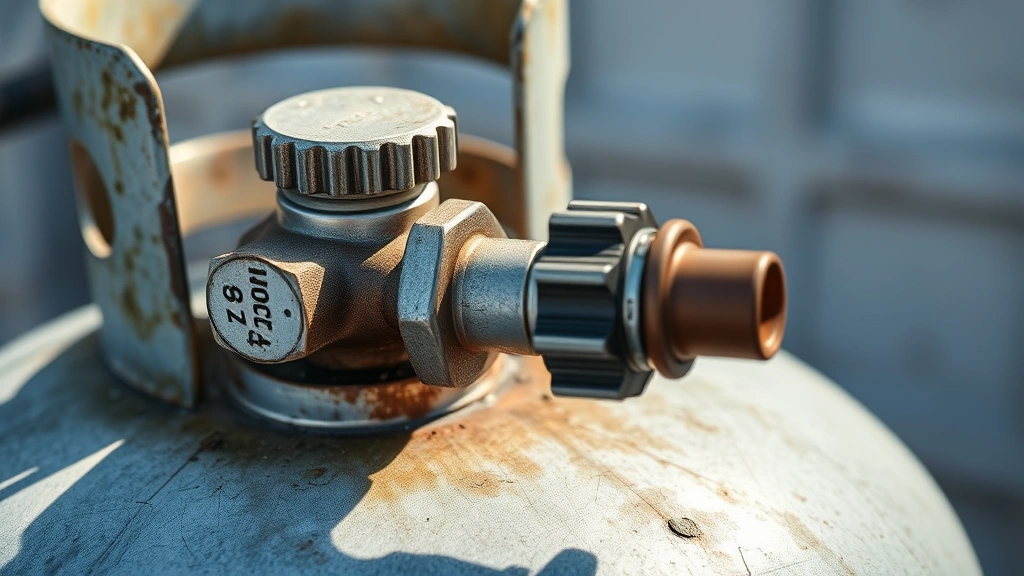
Efficiency metrics reveal that propane gas grills convert approximately 60-75% of fuel energy into cooking heat, with the remainder lost through radiation and convection. Modern designs with improved insulation and burner technology push efficiency toward the higher end of this range. Charcoal grills typically achieve only 35-40% efficiency, while electric grills approach 90% efficiency when powered by grid electricity. These comparative efficiency rates directly influence the fuel quantity required to achieve identical cooking results.
Sustainable Grilling Alternatives
For homeowners prioritizing environmental responsibility, several alternatives to propane gas grills merit serious consideration. Each option presents distinct advantages and limitations depending on your specific circumstances and sustainability priorities.
Solar-Powered Grilling: Solar cookers and solar grill hybrids represent an emerging category of ultra-sustainable cooking equipment. These devices harness direct sunlight to generate cooking heat without any fuel consumption or emissions. High-quality solar grills can reach temperatures suitable for grilling when conditions provide adequate sunlight. However, weather dependency and slower cooking times limit their practicality for regular use in many climates. Solar grilling works best as a supplementary cooking method for favorable weather periods.
Wood-Fired Grills: Sustainably sourced wood grilling presents an intriguing alternative for environmentally conscious consumers. If wood comes from responsibly managed forests or reclaimed sources, wood-fired cooking can approach carbon neutrality when the forest regrows. However, wood grilling produces substantial smoke and particulate emissions, raising air quality concerns. This option works best in rural areas with minimal impact on neighbors and access to certified sustainable wood sources.
Hybrid and Pellet Grills: Modern pellet grills burning sustainably harvested wood pellets offer a middle ground between traditional charcoal and propane grilling. Wood pellets represent a renewable fuel source if produced from responsibly managed forests or agricultural waste. Pellet grills provide excellent temperature control and efficiency comparable to propane while supporting renewable fuel industries. However, pellet sourcing requires verification to ensure genuine sustainability claims.
Electric Grills with Renewable Energy: Standard electric grills become genuinely eco-friendly when powered by renewable electricity. Installing dedicated solar panels to power your grilling eliminates operational emissions entirely. Battery storage systems can capture solar energy for evening grilling sessions. This approach requires significant upfront investment but delivers the lowest lifetime environmental impact, particularly for regular grillers in sunny climates.
Exploring sustainable energy solutions for your home can incorporate grilling equipment into a comprehensive renewable energy strategy. When combined with solar installations or other renewable systems, electric grilling becomes an exceptionally sustainable practice.
Best Practices for Eco-Conscious Grilling
Regardless of your chosen grilling method, implementing best practices significantly reduces environmental impact. These strategies apply whether you currently use propane gas grills or are considering alternatives.
Optimize Grill Efficiency: Regular maintenance dramatically improves propane grill efficiency. Clean burners ensure complete combustion, reducing fuel waste and emissions. Inspect hoses and connections quarterly for leaks. Keep grill covers in place when not in use to minimize heat loss from the cooking chamber. These simple steps enhance efficiency by 5-10%, reducing both fuel consumption and operating costs.
Practice Proper Fuel Management: Minimize propane waste by using appropriately sized tanks for your grilling frequency. Small, frequently refilled tanks generate more transportation emissions than larger tanks refilled less often. Coordinate refilling with other errands to consolidate trips. Consider sharing large tanks with neighbors to distribute transportation impacts across multiple households.
Source Sustainable Food: The most significant environmental impact from grilling often comes from food production rather than cooking fuel. Prioritize locally sourced, plant-based foods and sustainably raised proteins. Reduce meat consumption overall, as animal agriculture generates substantial greenhouse gas emissions. Sourcing food responsibly amplifies grilling’s sustainability benefits regardless of fuel choice.
Extend Equipment Lifespan: Purchasing durable, quality grills reduces the environmental impact of manufacturing and disposal. A well-maintained propane grill lasting 15+ years distributes manufacturing emissions across many seasons. Repair rather than replace broken components when possible. When eventually replacing equipment, choose recyclable or refurbished options.
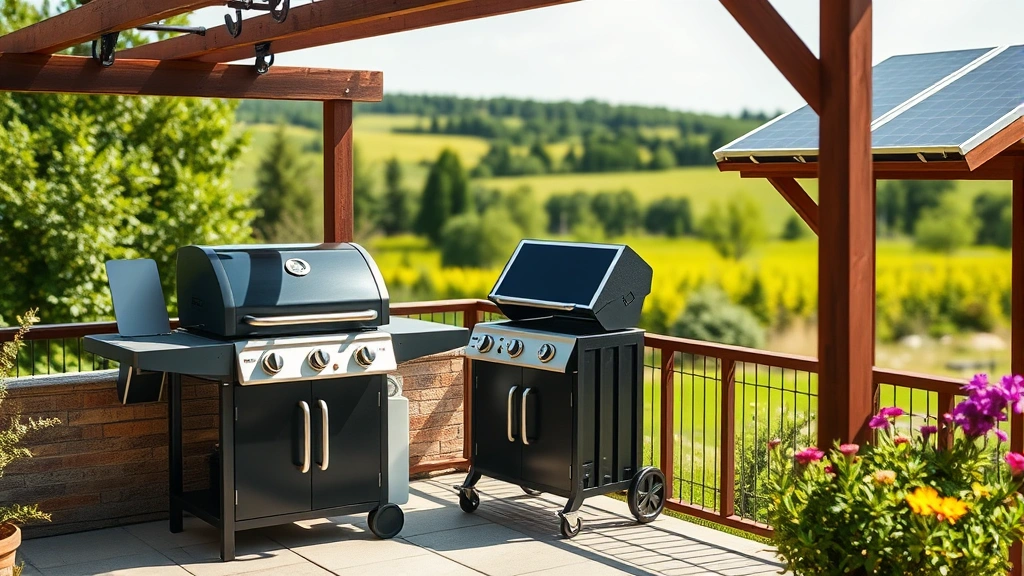
Invest in Insulation and Design: Modern grill designs with improved insulation and wind protection reduce fuel consumption. Portable wind screens and grill covers minimize heat loss during cooking. These accessories represent small investments generating meaningful efficiency improvements, particularly for regular grillers.
Lifecycle Assessment and Carbon Footprint
A comprehensive environmental evaluation of propane gas grills requires lifecycle assessment methodology, examining impacts across all production and use stages. This holistic approach reveals true sustainability credentials beyond simple operational emissions.
Manufacturing Phase: Propane grill production involves steel fabrication, burner component manufacturing, and assembly. Steel production represents the largest manufacturing impact, requiring significant energy inputs. A typical 40-pound capacity propane tank contains approximately 12 kilograms of steel, requiring roughly 300 megajoules of energy to produce. This manufacturing carbon footprint typically equals the operational emissions from 2-3 seasons of regular grilling.
Extraction and Processing: Propane extraction from crude oil or natural gas involves drilling operations, pipeline infrastructure, and processing facilities. The energy intensity of extraction varies significantly based on geological location and extraction method. Deepwater drilling requires substantially more energy than land-based extraction, increasing the fuel’s embedded carbon footprint. Processing facilities that separate propane from crude oil employ energy-intensive distillation and separation technologies.
Distribution and Transportation: Propane distribution networks involve transportation from processing facilities to regional distribution centers to local retailers. A typical propane tank travels 200-400 miles from production to consumer, generating approximately 5-10 kilograms of CO₂ equivalent in transportation emissions. This represents roughly 5-10% of a season’s operational emissions, making transportation optimization important for reducing overall impact.
Use Phase: The operational phase dominates propane grilling’s lifecycle environmental impact. A household burning 20 pounds of propane annually for grilling generates approximately 240 kilograms of CO₂ equivalent. Over a grill’s 15-year lifespan, this totals 3,600 kilograms of CO₂ equivalent from operations alone—far exceeding manufacturing and transportation impacts combined.
End-of-Life Considerations: Propane tanks are highly recyclable steel vessels, with recycling infrastructure available throughout North America. Most retailers accept empty tanks for recycling or refilling, ensuring minimal waste. Recycled steel reduces manufacturing impacts for new products, creating circular economy benefits. Proper tank recycling represents a significant sustainability advantage compared to single-use fuel containers.
For deeper insights into the broader environmental implications of fuel choices, exploring natural gas news and developments helps contextualize propane within the energy landscape. Understanding industry trends and environmental research informs better decision-making regarding fuel selection.
The EPA’s greenhouse gas emissions sources documentation provides authoritative data on comparative fuel impacts. Consulting these resources ensures your grilling decisions rest on scientifically validated information rather than marketing claims.
Considering green technology innovations transforming our future reveals emerging alternatives and improvements in grilling equipment. Staying informed about technological advances helps identify opportunities for upgrading to more sustainable options as they become available.
Even if propane remains your chosen fuel, understanding advantages of electric vehicles and renewable energy adoption illustrates the broader sustainability transition occurring across consumer goods. This perspective helps contextualize propane grilling within the larger shift toward cleaner energy sources and sustainable practices.
Environmental organizations like the American Gas Association provide industry perspectives on propane’s role in reducing emissions compared to other fossil fuels. While industry sources naturally emphasize propane’s advantages, their technical data regarding combustion efficiency and emissions profiles provides valuable reference information.
FAQ
Are propane gas grills truly eco-friendly?
Propane gas grills represent a moderate sustainability option—better than charcoal but inferior to electric or solar alternatives. Propane produces fewer direct emissions than charcoal and higher efficiency than traditional wood grilling. However, as a fossil fuel, propane contributes to climate change through both operational emissions and extraction impacts. They suit homeowners seeking practical, affordable grilling while making environmental compromises. If maximum sustainability represents your priority, electric or solar grilling should be your target.
How much CO₂ does propane grilling produce annually?
A household burning 20 pounds of propane annually generates approximately 240 kilograms of CO₂ equivalent from combustion alone. Including extraction, processing, and transportation impacts, total lifecycle emissions reach roughly 280-300 kilograms of CO₂ equivalent annually. For frequent grillers using 50+ pounds annually, emissions exceed 600 kilograms of CO₂ equivalent—equivalent to driving a car approximately 1,500 miles.
Should I switch from propane to electric grilling?
Switching to electric grilling makes environmental sense if your electricity comes from renewable sources or if you can install dedicated solar panels. In regions with coal-heavy electrical grids, the emissions benefit diminishes significantly. Evaluate your local energy mix, available space for solar installation, and grilling frequency before switching. For occasional grillers in areas with renewable-heavy grids, electric makes sense. For frequent grillers in fossil fuel-dependent regions, optimizing propane grill efficiency may prove more practical.
What’s the most sustainable grilling method?
Solar grilling powered by dedicated photovoltaic panels represents the most sustainable option, producing zero operational emissions. Wood-fired grilling using sustainably harvested wood from managed forests approaches carbon neutrality. Electric grilling powered entirely by renewable electricity offers excellent practicality combined with near-zero emissions. Each method requires specific conditions—solar needs consistent sunlight, wood needs sustainable sourcing, and electric needs renewable power access. Evaluate which option aligns with your climate, resources, and grilling habits.
How can I reduce my propane grilling environmental impact?
Optimize efficiency through regular maintenance, use properly sized tanks to minimize transportation, source sustainable foods, extend equipment lifespan through repairs, and consider upgrading to modern efficient models. Offsetting propane emissions through carbon credit programs or renewable energy investments provides additional mitigation. Reduce overall grilling frequency, particularly for meat-heavy meals. Even modest changes compound significantly over years of regular grilling.
Is propane extraction environmentally damaging?
Propane extraction as a byproduct of crude oil refining and natural gas processing occurs within established industrial infrastructure. The extraction process itself generates environmental concerns through land disruption, energy consumption, and potential methane leakage. However, capturing propane during these processes prevents it from being flared, making extraction slightly more efficient than alternatives. Supporting policies promoting reduced oil and gas extraction remains the most effective approach to addressing extraction-related environmental damage.


