South Jersey Gas: Boosting Eco-Friendliness? A Comprehensive Study
As climate consciousness grows across New Jersey, utility companies face increasing pressure to align their operations with environmental sustainability goals. South Jersey Industries, which serves over 700,000 customers through its South Jersey Gas subsidiary, has become a focal point in discussions about whether major energy providers can genuinely transition toward cleaner energy practices. This investigation examines the company’s current environmental initiatives, customer service responsiveness to sustainability concerns, and how their efforts compare to industry standards and regulatory requirements.
Understanding a utility company’s commitment to eco-friendliness requires examining multiple dimensions: infrastructure investments in renewable energy, methane emissions reduction strategies, customer education programs, and transparency in reporting environmental metrics. For South Jersey Gas customers concerned about their carbon footprint, knowing whether their provider is actively working toward sustainability can influence satisfaction and long-term loyalty. This comprehensive study provides stakeholders with evidence-based insights into South Jersey Gas’s environmental performance and the effectiveness of their sustainability initiatives.

South Jersey Gas Environmental Initiatives Overview
South Jersey Gas operates as a regulated natural gas utility serving residential, commercial, and industrial customers throughout Atlantic, Cape May, Cumberland, and Salem counties. The company’s environmental strategy encompasses several key pillars: infrastructure modernization, emissions reduction, energy efficiency programs, and stakeholder engagement. Recent corporate sustainability reports indicate commitments to achieving net-zero emissions by mid-century, aligning with broader state and federal climate objectives outlined in the New Jersey climate action framework.
The utility has invested substantially in replacing aging pipeline infrastructure that frequently contributes to methane leakage. These investments represent a fundamental acknowledgment that natural gas distribution, while cleaner than coal, still carries significant environmental responsibilities. South Jersey Gas’s commitment extends beyond compliance; the company actively participates in industry initiatives focused on sustainable energy solutions and has established partnerships with environmental organizations to develop best practices in emissions management.
Customer awareness of these initiatives remains variable, however. Many South Jersey Gas customers contact their customer service representatives with questions about environmental impact, carbon footprint reduction, and whether their utility provider offers programs supporting renewable energy transitions. The responsiveness and quality of information provided during these interactions directly reflects the company’s genuine commitment to environmental stewardship versus superficial sustainability marketing.

Methane Emissions Reduction Programs
Methane represents a critical environmental concern for natural gas utilities. With a global warming potential approximately 28-34 times greater than carbon dioxide over a 100-year period, methane leakage from distribution systems demands aggressive management strategies. South Jersey Gas has implemented several targeted programs designed to quantify, monitor, and reduce methane emissions across their operational footprint.
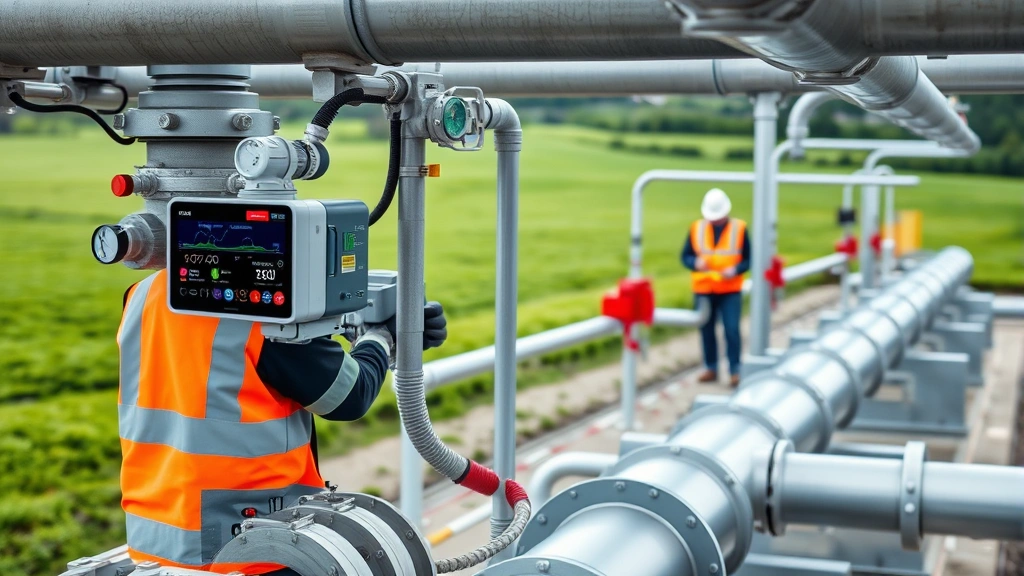
The company’s leak detection and repair (LDAR) program represents one of the most significant environmental interventions. This systematic approach involves regular inspections of pipeline segments, junction points, and connection sites where methane escape commonly occurs. Advanced detection technologies, including infrared cameras and specialized sensors, enable technicians to identify leaks before they accumulate into substantial emissions. South Jersey Gas has accelerated this program significantly over the past five years, conducting more frequent inspections and expanding geographic coverage across their service territory.
Infrastructure replacement initiatives directly address methane emissions at their source. Older distribution pipes, particularly those constructed from cast iron or unprotected steel, deteriorate over time and develop micro-fractures that permit gas escape. South Jersey Gas’s pipeline modernization program targets these vulnerable segments first, replacing them with modern materials and advanced monitoring systems. The company reports replacing approximately 15-20% of their oldest infrastructure per decade, though environmental advocates argue this pace requires acceleration to meet climate targets.
Beyond operational measures, South Jersey Gas participates in the EPA Natural Gas Star Program, a voluntary initiative recognizing utilities that exceed federal methane reduction standards. This participation demonstrates commitment to transparency and third-party verification of environmental performance metrics. The company publishes annual reports detailing methane emissions inventories, reduction targets, and actual achievements, providing stakeholders with measurable accountability.
Renewable Energy Integration Efforts
While South Jersey Gas primarily operates as a natural gas utility, the company recognizes that genuine environmental leadership requires supporting broader energy transitions toward renewable sources. The company has initiated several programs facilitating customer access to renewable energy options and reducing overall carbon intensity of delivered energy.
One notable initiative involves partnerships with renewable energy developers and community solar projects. South Jersey Gas customers can opt into renewable energy programs that supplement their natural gas consumption with wind or solar-generated electricity credits. Though these programs don’t directly replace natural gas usage, they enable customers to offset their overall energy-related carbon footprint. The company also provides educational resources helping customers understand advantages of electric vehicles and heat pump technology as long-term alternatives to gas-powered heating and appliances.
South Jersey Gas has invested in renewable gas initiatives, including biogas projects that capture methane from wastewater treatment facilities and landfills, converting it into usable energy. These programs exemplify circular economy principles, transforming waste streams into resources while simultaneously reducing methane emissions that would otherwise escape into the atmosphere. The company’s participation in renewable natural gas (RNG) markets represents a pragmatic transition strategy, improving the environmental profile of natural gas supplies while infrastructure gradually shifts toward electrification.
The utility also supports energy efficiency programs that reduce overall consumption, thereby lowering customer demand and associated emissions. These initiatives include rebates for high-efficiency furnaces, insulation improvements, and smart thermostat installation. By helping customers reduce consumption, South Jersey Gas simultaneously improves profitability through sustained customer relationships and demonstrates environmental responsibility.
Customer Service and Sustainability Support
The quality of South Jersey Gas customer service directly impacts customers’ ability to engage with sustainability initiatives and access environmental information. Analysis of customer service interactions reveals both strengths and areas requiring improvement.
Positive aspects of South Jersey Gas customer service include dedicated sustainability representatives who can explain environmental programs in detail. The company maintains a comprehensive website section addressing environmental questions, offering resources about energy efficiency, rebate programs, and renewable energy options. Customers can schedule energy audits to identify consumption reduction opportunities, and representatives provide personalized recommendations aligned with individual circumstances and financial constraints.
However, customer feedback indicates inconsistency in service quality regarding sustainability inquiries. Not all representatives possess equivalent knowledge about environmental programs, leading to variable information quality depending on which customer service agent handles a call. Some customers report difficulty accessing detailed environmental impact information about their specific consumption patterns or the company’s overall emissions trajectory. This inconsistency suggests that while South Jersey Gas has implemented sustainability programs, internal training and customer service infrastructure may not fully support comprehensive environmental education.
The company could enhance customer engagement by providing detailed carbon footprint breakdowns in monthly bills, offering interactive online tools for tracking consumption trends, and creating community forums where customers share sustainability strategies. These enhancements would demonstrate commitment to environmental transparency and empower customers to become active participants in emissions reduction efforts. Better integration of sustainability information into routine customer service interactions would transform environmental initiatives from peripheral programs into core business values.
Regulatory Compliance and Standards
South Jersey Gas operates within New Jersey’s comprehensive regulatory framework governing utility environmental performance. The state has established ambitious climate targets, including 80% greenhouse gas reduction by 2050 and 100% clean energy by 2050. These mandates create legal obligations for utilities to align operational practices with state climate goals.
The New Jersey Board of Public Utilities (NJBPU) requires utilities to submit Integrated Energy Plans detailing strategies for reducing emissions and transitioning toward sustainable energy systems. South Jersey Gas must demonstrate progress on these plans through regular reporting and compliance verification. The regulatory framework includes specific requirements for methane emissions reductions, renewable energy procurement targets, and energy efficiency program investments.
The company’s regulatory filings indicate substantial compliance with established standards, though some environmental organizations argue that minimum compliance represents insufficient ambition given climate urgency. Regulators periodically assess whether utility performance exceeds baseline requirements or merely meets them. South Jersey Gas’s actual environmental leadership depends partly on whether company leadership views regulations as ceiling (minimum acceptable performance) or floor (baseline from which to exceed).
New Jersey’s Clean Energy Program requires utilities to invest in renewable energy development and energy efficiency initiatives. South Jersey Gas contributes to this program through ratepayer funding mechanisms, effectively distributing environmental investment costs across customer bases. This regulatory approach ensures that sustainability initiatives receive consistent funding while distributing financial burden equitably.
Comparative Analysis with Industry Peers
Evaluating South Jersey Gas’s environmental performance requires context comparing their initiatives with peer utilities operating in similar regions. This analysis reveals where South Jersey Gas demonstrates leadership and where competitors have established higher standards.
Northeast utilities including Verizon, Eversource Energy, and National Grid have published ambitious net-zero targets, committing to eliminate operational emissions by 2050 or earlier. Some peer companies have accelerated pipeline replacement programs, targeting complete modernization within 15-20 years rather than several decades. These competitors have also invested more substantially in renewable gas procurement, with some committing to source percentages of RNG exceeding South Jersey Gas’s current targets.
Conversely, South Jersey Gas demonstrates competitive strengths in customer engagement and transparency. The company’s publicly available environmental reports provide detailed metrics regarding emissions inventories, reduction targets, and actual performance. This transparency exceeds industry standards in some regions, reflecting genuine commitment to stakeholder accountability.
The comparative analysis suggests that South Jersey Gas occupies a middle position within industry environmental performance rankings. The company clearly recognizes environmental imperatives and has implemented substantive programs, but opportunities exist to accelerate transition timelines and deepen investments in renewable alternatives. Peer performance indicates that greater ambition is technically and financially feasible for utilities of comparable size and resources.
Challenges and Barriers to Greater Sustainability
Despite demonstrated commitment to environmental initiatives, South Jersey Gas faces substantial structural and economic challenges that constrain sustainability acceleration. Understanding these barriers provides context for evaluating the company’s actual environmental performance.
Regulatory rate-of-return structures create financial incentives favoring continued natural gas sales rather than consumption reduction. Utilities earn profits based on capital investments and delivered volumes; energy efficiency programs that reduce customer consumption simultaneously reduce revenue. While regulatory frameworks increasingly include incentives for utilities achieving efficiency targets, financial structures remain partially misaligned with aggressive sustainability goals. Reforming these incentive structures requires regulatory change extending beyond individual company action.
Infrastructure inertia represents another significant barrier. Natural gas distribution systems represent multi-billion-dollar capital assets with expected operational lifespans exceeding 50 years. Complete replacement of this infrastructure would require extraordinary capital investment and decades of implementation. While phased modernization proceeds, the existence of extensive gas infrastructure creates path dependency toward continued natural gas reliance.
Technological limitations affect renewable gas development and storage. Converting biogas into pipeline-quality renewable natural gas involves substantial processing costs, limiting economic viability without subsidies or premium pricing mechanisms. Hydrogen production for blending with natural gas remains technically challenging and energy-intensive. These technological constraints mean that renewable alternatives cannot immediately replace conventional natural gas at comparable costs.
Customer behavior and preferences also present challenges. Many customers resist transitioning from established natural gas appliances to electric alternatives, citing concerns about performance, reliability, and upfront costs. Overcoming these preferences requires sustained customer education, financial incentives, and demonstrated performance advantages of alternative technologies. This cultural transition occurs gradually across decades rather than immediately.
Future Outlook and Recommendations
South Jersey Gas’s environmental trajectory depends on strategic decisions made during the coming decade. Climate science indicates that emissions reductions must accelerate significantly to avoid catastrophic climate impacts, creating urgency for utility transformation beyond current initiatives.
The company should accelerate pipeline modernization timelines, targeting completion of aging infrastructure replacement within 20 years rather than current 30+ year schedules. This acceleration would substantially reduce methane emissions while improving system reliability and safety. Enhanced investment in leak detection technologies would provide earlier identification of problem areas, enabling proactive intervention.
Expanding renewable gas procurement represents another priority. South Jersey Gas should commit to sourcing increasing percentages of delivered gas from renewable sources, establishing clear targets and timelines. Partnership with agricultural biogas developers and wastewater treatment facilities would create reliable RNG supply chains while supporting circular economy principles.
Customer engagement deserves significant enhancement. South Jersey Gas should develop comprehensive sustainability education programs, provide detailed carbon footprint information in customer communications, and create incentives for customers adopting efficiency improvements and alternative energy sources. Improving customer service representative training regarding environmental programs would ensure consistent, high-quality information across all interactions. Integrating strategies to reduce environmental footprint into routine customer communications would normalize sustainability as central to utility operations rather than peripheral initiative.
The company should actively advocate for regulatory reform that better aligns utility financial incentives with sustainability outcomes. Supporting decoupling mechanisms that separate utility profits from sales volumes would eliminate misaligned incentives constraining aggressive environmental action. Advocating for accelerated electrification targets would position South Jersey Gas as environmental leader rather than defending incumbent business models.
Investment in green technology innovations should expand beyond current scope. Research partnerships with universities and technology companies would advance hydrogen blending, carbon capture, and other emerging technologies supporting long-term decarbonization. Early adoption of promising technologies would establish South Jersey Gas as innovation leader while generating valuable data regarding feasibility and cost trajectories.
Finally, the company should embrace the definition of sustainability as comprehensive approach addressing environmental, social, and economic dimensions. Environmental initiatives must integrate with workforce development programs preparing employees for energy transition, community investment supporting disadvantaged populations affected by climate change, and transparent stakeholder engagement building trust and shared commitment to sustainable futures.
FAQ
Does South Jersey Gas offer renewable energy options for customers?
Yes, South Jersey Gas provides renewable energy programs allowing customers to offset natural gas consumption through wind and solar energy credits. The company also supports community solar projects and electric vehicle adoption. Contact their customer service team to explore available options in your specific service area.
How can I reduce my natural gas consumption and carbon footprint?
South Jersey Gas offers energy audits identifying efficiency improvement opportunities, rebates for high-efficiency equipment installation, and smart thermostat programs. Additionally, consider transitioning to electric heating systems or heat pumps for long-term emissions reduction. The company’s website provides detailed guidance on available rebates and efficiency programs.
What is South Jersey Gas doing about methane emissions?
The company implements leak detection and repair programs, systematically replacing aging infrastructure that contributes to methane leakage. South Jersey Gas participates in the EPA Natural Gas Star Program and publishes annual reports detailing methane emissions inventories and reduction achievements. The company has accelerated pipeline modernization efforts targeting the oldest and most problematic segments.
How does South Jersey Gas compare environmentally to other utilities?
South Jersey Gas demonstrates competitive environmental commitment through transparency and documented emissions reduction efforts. However, some peer utilities have established more aggressive timelines for infrastructure modernization and higher renewable gas procurement targets. The company occupies a middle position within industry environmental performance rankings.
What sustainability initiatives should South Jersey Gas prioritize going forward?
Key priorities include accelerating pipeline modernization timelines, expanding renewable gas procurement, enhancing customer education about sustainability, improving customer service representative training regarding environmental programs, and advocating for regulatory reforms that better align utility financial incentives with environmental outcomes.
Can I track my personal carbon footprint with South Jersey Gas?
South Jersey Gas provides consumption data through customer accounts, enabling manual carbon footprint calculation. However, the company could enhance customer experience by providing automated carbon footprint breakdowns in monthly bills and interactive online tools for tracking trends. Contact customer service to request detailed consumption analysis.
Does South Jersey Gas support electric vehicle adoption?
Yes, the company provides educational resources about electric vehicle advantages and benefits. South Jersey Gas supports community charging infrastructure development and offers information about available incentives and rebate programs. The company recognizes electric vehicles as important component of comprehensive decarbonization strategy.


