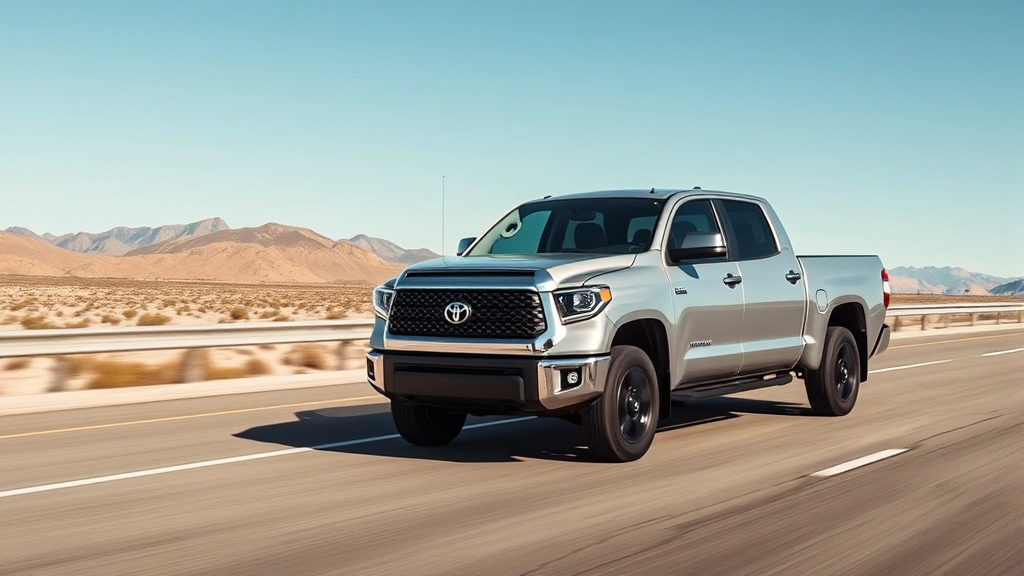
Toyota Tundra MPG: Is It Eco-Friendly? Comprehensive Analyst Report
The Toyota Tundra stands as one of America’s most popular full-size pickup trucks, commanding significant market share among consumers seeking powerful hauling capacity and towing strength. However, the question of whether this vehicle aligns with eco-conscious transportation choices remains complex and nuanced. With fuel efficiency standards becoming increasingly important to environmentally aware consumers, understanding the Tundra’s real-world gas mileage performance and environmental impact is essential for making informed purchasing decisions.
This comprehensive analyst report examines the Toyota Tundra’s fuel economy across multiple model years, compares its efficiency metrics against competitors, and evaluates whether it qualifies as an environmentally responsible vehicle choice. We’ll explore the mechanical factors influencing its gas mileage, practical strategies for optimizing fuel consumption, and how it stacks against alternative powertrain options. Whether you’re a potential buyer or current owner, this detailed assessment provides actionable insights into the Tundra’s true efficiency profile.
Understanding Toyota Tundra Gas Mileage Performance
The Toyota Tundra’s fuel economy figures have evolved significantly since the vehicle’s introduction, reflecting advances in engine technology, transmission systems, and aerodynamic design. Current-generation Tundra models equipped with the 3.5-liter twin-turbocharged V6 engine represent a departure from the previous V8-dominant lineup, marking Toyota’s commitment to improving efficiency without sacrificing performance.
EPA-estimated fuel economy for the 2024 Toyota Tundra ranges from approximately 20-22 MPG in combined city-highway driving, depending on transmission type and drivetrain configuration. Two-wheel drive models generally achieve slightly better mileage than their four-wheel drive counterparts, though the difference remains modest. The transition from traditional V8 engines to turbocharged six-cylinder powerplants has resulted in meaningful efficiency improvements, with newer models demonstrating 15-20% better fuel consumption compared to earlier generations.
Understanding these baseline metrics provides context for evaluating whether the Tundra qualifies as eco-friendly. While 20-22 MPG represents a significant improvement over previous generations, it still falls below the efficiency standards of many mid-size trucks and considerably lags behind best gas mileage SUV options. For consumers prioritizing environmental responsibility, this performance level warrants careful consideration against available alternatives.
Real-World MPG Data and EPA Ratings
EPA ratings provide standardized efficiency measurements, but real-world performance often diverges from laboratory conditions. Extensive owner data and third-party testing reveal that actual Tundra fuel economy typically ranges from 18-24 MPG depending on driving patterns, load conditions, and maintenance practices. Highway driving generally yields better mileage than city driving, reflecting the truck’s aerodynamic limitations at low speeds.
Owner reports collected across automotive forums and consumer databases indicate that many Tundra drivers experience mileage closer to 18-20 MPG in mixed driving scenarios. Heavy towing, frequent idling, and aggressive acceleration substantially reduce efficiency, sometimes dropping consumption to 15-17 MPG. Conversely, highway-focused drivers maintaining steady speeds report figures approaching 24 MPG under ideal conditions.
This variance underscores an important sustainability consideration: the Tundra’s efficiency heavily depends on operator behavior. For individuals whose driving patterns involve frequent short trips, city congestion, or consistent towing, the vehicle’s environmental footprint expands considerably. According to the EPA’s Green Vehicle Guide, understanding personal driving patterns is crucial for assessing true environmental impact.
Factors Affecting Fuel Efficiency
Multiple interconnected variables influence the Tundra’s real-world gas mileage, extending beyond engine design and transmission technology. Recognizing these factors empowers owners to make decisions that optimize fuel consumption and minimize environmental impact.
Vehicle Load and Payload: The Tundra’s substantial curb weight—approximately 4,500-4,700 pounds depending on configuration—already demands significant fuel consumption. Additional payload weight dramatically increases fuel requirements. Each 100 pounds of cargo reduces efficiency by approximately 1-2%, meaning heavily loaded trucks experience noticeably reduced mileage. Removing unnecessary items from the truck bed represents a practical efficiency improvement.
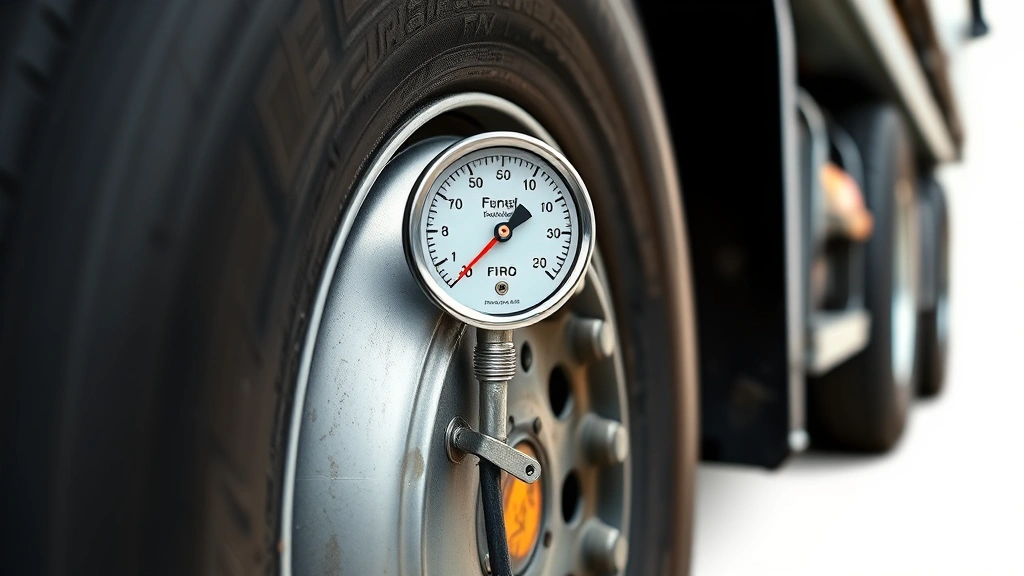
Tire Maintenance and Pressure: Underinflated tires create additional rolling resistance, substantially reducing fuel economy. Maintaining proper tire pressure according to manufacturer specifications can improve mileage by 3-5%. Regular tire rotation and alignment checks ensure even wear patterns that maintain optimal efficiency throughout the tire’s lifespan.
Aerodynamic Modifications: The Tundra’s boxy design, while optimizing cargo space and functionality, creates considerable aerodynamic drag. Adding tonneau covers, removing roof racks when unused, and avoiding large aftermarket accessories can marginally improve efficiency. Conversely, popular modifications like bed extenders and brush guards increase drag and reduce mileage.
Engine Maintenance: Clean air filters, properly functioning fuel injectors, and optimized spark plugs ensure efficient combustion. Regular maintenance according to Toyota’s recommended service intervals prevents efficiency degradation. Accumulating carbon deposits in the fuel system gradually reduces economy, making periodic professional cleaning worthwhile for high-mileage vehicles.
Driving Behavior: Aggressive acceleration, excessive braking, and speeding substantially increase fuel consumption. Smooth, consistent acceleration, anticipatory driving, and moderate speeds dramatically improve efficiency. Reducing highway speeds from 70 to 60 MPH can improve mileage by 10-15%, representing a significant environmental benefit.
Weather and Seasonal Factors: Cold weather increases fuel consumption by 10-20% due to engine warm-up requirements and denser air. Winter-grade fuel blends and engine block heaters can partially mitigate these losses. Seasonal tire changes to appropriate winter or summer compounds also influence efficiency.
Tundra vs. Competitors: Comparative Analysis
Contextualizing the Tundra’s fuel economy requires comparison against competing full-size pickup trucks and alternatives. The competitive landscape reveals important insights about where the Tundra stands in the efficiency spectrum.
The Ford F-150 with EcoBoost turbocharged engines achieves similar or slightly better mileage, ranging from 21-23 MPG combined depending on engine selection. The Chevrolet Silverado 1500 with newer turbocharged engines demonstrates comparable efficiency. However, the Ram 1500 with eTorque mild-hybrid technology achieves approximately 22-24 MPG combined, providing a slight efficiency advantage through electrification assistance.
When comparing to best gas mileage SUV alternatives, the Tundra’s efficiency appears less competitive. Mid-size SUVs like the Toyota 4Runner deliver similar mileage (20-22 MPG) with less cargo capacity, while compact SUVs consistently achieve 25-30 MPG. For consumers prioritizing fuel economy, downsizing to a smaller vehicle represents a practical environmental improvement.
The efficiency comparison becomes dramatically more favorable for electric and hybrid alternatives. The Department of Energy’s FuelEconomy.gov database demonstrates that electric pickup trucks like the Ford F-150 Lightning achieve equivalent of 100+ MPGe (miles per gallon equivalent), representing roughly 80% improvement in energy efficiency compared to the gasoline Tundra.
Optimization Strategies for Better Fuel Economy
While the Tundra’s baseline efficiency remains modest, multiple practical strategies enable owners to reduce fuel consumption and minimize environmental impact. Implementing these measures requires minimal investment while delivering measurable improvements.
Regular Maintenance Protocols: Adhering strictly to Toyota’s recommended maintenance schedule ensures optimal engine performance. Specifically, oil changes using the correct viscosity grade, fuel filter replacements, and air filter cleaning maintain combustion efficiency. Modern synthetic oils reduce friction and improve mileage by 1-2% compared to conventional options.
Aerodynamic Enhancements: Installing a tonneau cover over the truck bed reduces aerodynamic drag by approximately 5-10%, translating to measurable efficiency improvements for regular highway drivers. Removing roof racks and external accessories when not in use further optimizes aerodynamics without compromising functionality.
Tire Selection and Maintenance: Upgrading to low-rolling-resistance tires designed specifically for fuel economy can improve mileage by 3-5%. These tires maintain optimal pressure retention and reduce friction without compromising safety or durability. Quarterly tire pressure checks ensure sustained efficiency benefits throughout the tire’s lifespan.
Driving Behavior Modifications: Adopting hypermiling techniques—smooth acceleration, anticipatory braking, and maintaining consistent speeds—can improve real-world mileage by 15-25%. Reducing highway speeds from 70 to 60 MPH improves efficiency by approximately 10-15%. Eliminating unnecessary idling and consolidating trips reduces overall fuel consumption.
Engine Tuning and Optimization: Professional engine tuning services can optimize fuel injection timing and air-fuel ratios for maximum efficiency. Cold air intake systems and exhaust modifications marginally improve combustion efficiency, though benefits remain modest compared to driving behavior changes.
Load Management: Removing unnecessary items from the truck bed and cab reduces overall weight, directly improving fuel economy. This simple practice offers immediate, measurable efficiency gains without any financial investment.
Environmental Impact Assessment
Determining whether the Tundra qualifies as eco-friendly requires examining its complete environmental footprint, extending beyond fuel economy to encompass emissions, manufacturing impact, and lifecycle considerations. Understanding how to reduce your environmental footprint includes evaluating vehicle choices comprehensively.
The Tundra’s tailpipe emissions include carbon dioxide (CO2), nitrogen oxides (NOx), and particulate matter. With combined fuel economy of approximately 21 MPG, a typical Tundra produces roughly 10.5 tons of CO2 annually based on 12,000 miles of driving. Over a vehicle’s 15-year lifespan, this equates to approximately 158 tons of greenhouse gas emissions—substantially higher than more efficient vehicles.
Manufacturing the Tundra generates significant environmental costs through resource extraction, steel production, and assembly processes. Full-size pickup trucks typically consume 20-30% more manufacturing resources than mid-size vehicles, creating an environmental debt that requires several years of efficient operation to offset. The vehicle’s heavy construction, while enhancing durability and capability, increases its manufacturing carbon footprint considerably.
Battery production for potential hybrid or electric alternatives also carries environmental costs, though these investments generate efficiency returns throughout the vehicle’s operational life. According to Union of Concerned Scientists research, electric vehicles achieve carbon payback within 1-3 years, after which their environmental advantage continues accumulating throughout their operational lifespan.
The Tundra’s environmental classification depends significantly on individual usage patterns. For consumers utilizing the truck’s hauling and towing capabilities regularly—justifying its substantial size and weight—environmental impact remains more defensible than for those using it primarily for personal commuting. A Tundra serving as a work vehicle for construction or landscaping provides greater environmental justification than identical usage for casual driving.
Hybrid and Electric Alternatives
The automotive landscape increasingly offers hybrid and electric alternatives that deliver superior environmental performance while maintaining truck functionality. Understanding these advantages of electric vehicles provides essential context for evaluating whether the gasoline Tundra represents the most sustainable choice.
Toyota’s upcoming Tundra Hybrid model represents a significant efficiency improvement, projected to achieve 24-26 MPG combined—approximately 15-20% better than the gasoline-only version. Hybrid systems capture energy during braking and coasting, reducing overall fuel consumption without sacrificing performance or capability. The Tundra Hybrid’s mild-hybrid system provides meaningful improvements while maintaining the familiar Toyota reliability and extensive dealer network.
Full hybrid alternatives like the Ram 1500 eTorque deliver 22-24 MPG with more substantial efficiency gains than mild-hybrid systems. These vehicles employ larger batteries and motor-generators, providing greater electrification benefits and more noticeable performance improvements during acceleration and towing.
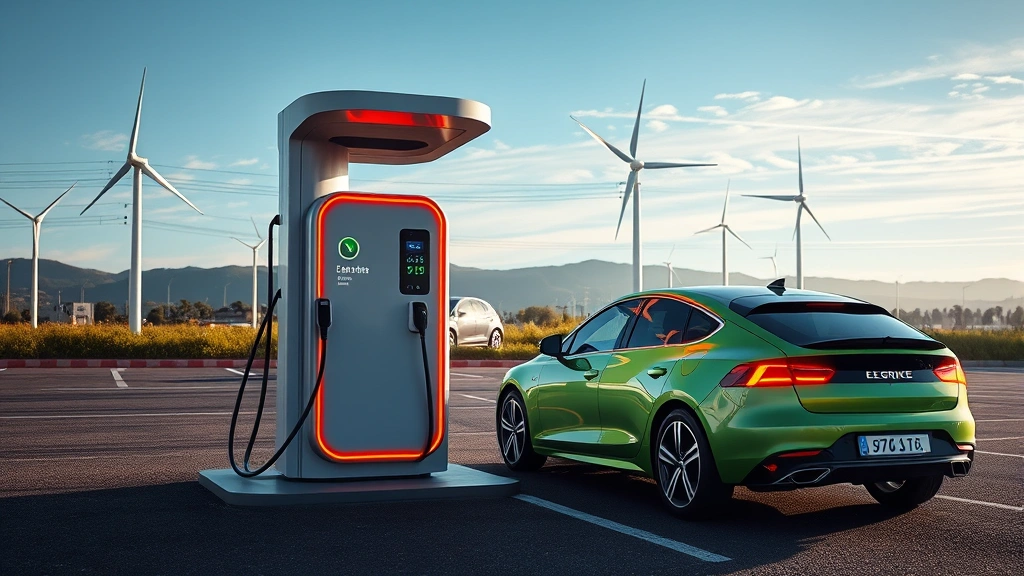
Electric pickup trucks represent the frontier of truck sustainability, with the Ford F-150 Lightning achieving approximately 100+ MPGe efficiency. These vehicles eliminate tailpipe emissions entirely, drawing power from the electrical grid—which increasingly incorporates renewable energy sources. However, electric trucks require 200+ mile range considerations and charging infrastructure compatibility, limiting suitability for some users.
For consumers prioritizing environmental responsibility, the Tundra Hybrid option offers a practical middle ground, delivering meaningful efficiency improvements while maintaining familiar truck functionality and extensive dealer support. The technology maturity of hybrid systems ensures reliability and resale value comparable to gasoline-only alternatives.
Long-Term Ownership Costs and Emissions
Comprehensive vehicle evaluation extends beyond initial purchase price to encompass total cost of ownership, fuel expenses, and cumulative environmental impact. Understanding these factors provides essential perspective for sustainability-conscious consumers.
A 2024 Toyota Tundra with 20 MPG fuel economy driven 12,000 miles annually consumes approximately 600 gallons of gasoline yearly. At average fuel prices of $3.50 per gallon, this represents $2,100 in annual fuel costs. Over a 10-year ownership period, fuel expenses total approximately $21,000—a substantial ongoing cost that directly correlates with environmental impact.
Switching to a Tundra Hybrid achieving 25 MPG reduces annual fuel consumption to 480 gallons and annual costs to $1,680, saving $4,200 over ten years while reducing CO2 emissions by approximately 1.3 tons annually. For individuals driving substantially more than 12,000 miles yearly, these savings and environmental benefits expand proportionally.
Electric vehicles eliminate fuel costs entirely, replacing them with electricity expenses of approximately $0.04 per mile—roughly 60% less than gasoline on a per-mile basis. For high-mileage drivers, electric truck adoption delivers dramatic long-term savings alongside substantial environmental benefits.
The concept of definition of sustainability encompasses considering long-term economic and environmental implications. Vehicles that minimize both operational costs and environmental impact through superior efficiency represent genuinely sustainable choices. The Tundra’s modest fuel economy limits its sustainability credentials compared to hybrid and electric alternatives.
Resale value considerations also influence long-term ownership economics. As environmental regulations tighten and consumer preferences shift toward efficiency, gasoline-only full-size trucks may experience depreciation pressure. Hybrid and electric alternatives increasingly command premium resale values, partially offsetting higher initial purchase prices through better long-term value retention.
Making the Eco-Friendly Choice: Recommendations
Based on comprehensive analysis of fuel economy, environmental impact, and sustainability considerations, determining whether the Toyota Tundra qualifies as eco-friendly requires honest assessment of individual circumstances and priorities.
The Tundra is reasonably eco-friendly if: You regularly utilize the truck’s hauling and towing capabilities, justifying its substantial size and weight. You drive predominantly highway miles where its efficiency peaks. You’re comparing it against older full-size trucks with significantly worse fuel economy. You’ve implemented optimization strategies including proper maintenance, aerodynamic improvements, and driving behavior modifications. You’re committed to maintaining the vehicle for 10+ years, amortizing manufacturing environmental costs across extended operational life.
The Tundra is not the eco-friendly choice if: You use the truck primarily for personal commuting without regular towing or hauling. You drive predominantly in city conditions where efficiency suffers. You’re willing to downsize to a mid-size truck or SUV that delivers similar functionality with 20-30% better fuel economy. Environmental impact is your highest priority in vehicle selection. You drive significantly more than 12,000 miles annually, magnifying fuel consumption and emissions.
For consumers prioritizing sustainability while maintaining truck functionality, the Tundra Hybrid represents the optimal choice, delivering meaningful efficiency improvements while preserving the truck’s capability and Toyota’s reliability reputation. For those willing to embrace emerging technology, electric pickup trucks offer the most substantial environmental benefits, though infrastructure and range considerations require careful evaluation.
Exploring sustainable energy solutions extends beyond vehicle selection to encompass comprehensive transportation strategy. Combining vehicle choice optimization with driving behavior improvements, trip consolidation, and infrastructure utilization creates maximum environmental benefit.
FAQ
What is the actual MPG of a Toyota Tundra?
The 2024 Toyota Tundra achieves EPA-estimated fuel economy of 20-22 MPG combined, depending on drivetrain and transmission configuration. Real-world mileage typically ranges from 18-24 MPG based on driving patterns, load conditions, and maintenance practices. Highway driving yields better efficiency than city driving.
Is the Toyota Tundra considered eco-friendly?
The Tundra’s eco-friendliness depends on individual usage patterns. With 20-22 MPG, it achieves modest efficiency for a full-size truck, producing approximately 10.5 tons of CO2 annually. For consumers regularly utilizing hauling and towing capabilities, it represents reasonable environmental choice. For personal commuting, more efficient vehicles provide superior sustainability. The upcoming Tundra Hybrid and electric alternatives deliver substantially better environmental performance.
How can I improve my Tundra’s fuel economy?
Practical improvements include maintaining proper tire pressure, regular engine maintenance, removing unnecessary cargo weight, installing tonneau covers, adopting smooth driving techniques, reducing highway speeds, and eliminating unnecessary idling. These strategies collectively improve mileage by 5-25% depending on implementation and driving patterns.
How does the Tundra compare to competing trucks?
The Tundra’s 20-22 MPG efficiency is competitive with Ford F-150 EcoBoost and Chevrolet Silverado turbocharged models, though slightly behind Ram 1500 eTorque hybrid technology. All full-size gasoline trucks demonstrate modest efficiency compared to mid-size alternatives and significantly lag electric pickup trucks.
Should I consider a hybrid or electric truck instead?
Yes, if environmental impact is a priority. The Tundra Hybrid achieves 24-26 MPG (15-20% improvement), while electric trucks deliver 100+ MPGe efficiency. Hybrid systems offer proven reliability and familiar truck functionality, while electric options provide maximum environmental benefit with range and charging infrastructure considerations.
What is the annual CO2 emissions from a Tundra?
A Tundra achieving 21 MPG driven 12,000 miles annually produces approximately 10.5 tons of CO2 emissions. Switching to a 25 MPG hybrid reduces this to roughly 9 tons annually, while electric vehicles eliminate direct emissions entirely.
Is the Tundra suitable for long-distance highway driving?
Yes, the Tundra excels for highway travel, achieving its best fuel economy on sustained highway driving. Its comfortable cabin, towing capacity, and reliability make it suitable for extended road trips, though fuel costs remain higher than more efficient vehicles.


