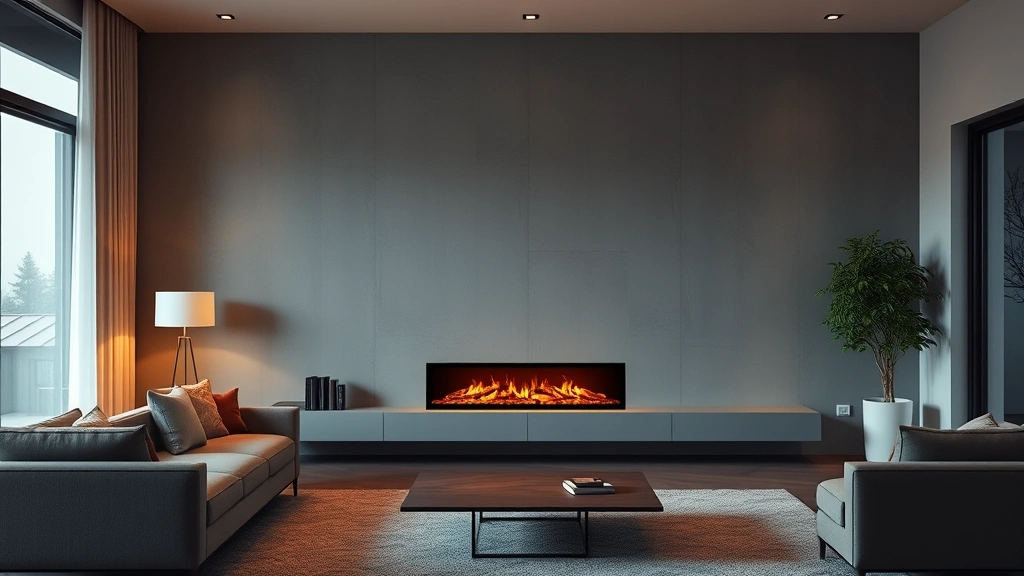
Are Vented Gas Fireplaces Eco-Friendly? Expert Insight
When winter arrives and temperatures drop, many homeowners consider installing a vented gas fireplace for warmth and ambiance. However, the question of environmental impact looms large in today’s climate-conscious world. A vented gas fireplace presents a complex sustainability puzzle: it offers convenience and aesthetic appeal, yet raises legitimate concerns about energy efficiency, emissions, and carbon footprint. Understanding whether these appliances align with eco-friendly living requires examining their operational mechanics, environmental consequences, and how they compare to alternative heating solutions.
The popularity of gas fireplaces has grown significantly over the past decade, with many homeowners viewing them as superior to wood-burning alternatives. Yet the environmental narrative is far more nuanced than marketing materials suggest. This comprehensive guide explores the ecological implications of vented gas fireplaces, examines their efficiency ratings, and provides actionable insights for environmentally conscious consumers making heating decisions. Whether you’re renovating your home or simply curious about sustainability, understanding these appliances’ true environmental cost matters.
How Vented Gas Fireplaces Work
A vented gas fireplace operates by burning natural gas or propane to generate heat and flame effects. Unlike their vent-free counterparts, vented models include a chimney or flue system that directs combustion byproducts—carbon dioxide, water vapor, and nitrogen oxides—directly outdoors. This fundamental design feature shapes their entire environmental profile. The fireplace draws air from your home, burns fuel, and exhausts the resulting gases through the venting system, maintaining indoor air quality at the cost of heated air loss.
The combustion process itself is straightforward: natural gas combines with oxygen in the firebox, creating heat and light. However, this chemical reaction produces more than just warmth. For every unit of heat generated, the system releases greenhouse gases and other pollutants into the atmosphere. The venting mechanism ensures these gases don’t accumulate indoors, but it also means that heated air—which you’ve paid to warm—escapes continuously through the flue. This inherent design inefficiency is crucial to understanding the eco-friendly question.
Modern vented gas fireplaces include safety features and thermostatic controls that improve operation compared to older models. Pilot lights may be electronic rather than continuously burning, and some units include blowers to distribute heat more effectively throughout the room. However, these improvements address comfort and safety rather than fundamental environmental concerns. Understanding this basic operation helps clarify why sustainable energy solutions often recommend alternatives to traditional gas heating.
Environmental Impact Analysis
The environmental footprint of a vented gas fireplace extends beyond its immediate operation. The complete lifecycle includes extraction of natural gas or propane, transportation infrastructure, installation materials, and eventual disposal. Natural gas extraction through hydraulic fracturing (fracking) raises significant environmental concerns. This process requires vast quantities of water, risks groundwater contamination, and releases methane—a greenhouse gas approximately 80 times more potent than carbon dioxide over a 20-year period.
Methane leakage throughout the supply chain represents a critical sustainability issue. Studies from the EPA’s greenhouse gas emissions overview indicate that natural gas infrastructure leaks methane at various points: extraction sites, processing facilities, pipelines, and distribution networks. Some estimates suggest 1-2% of extracted gas escapes as methane before reaching end-users. When you operate a vented gas fireplace, you’re not merely burning fuel—you’re supporting an industry with significant fugitive emissions.
Propane presents a somewhat different environmental picture but remains fossil-fuel dependent. Extracted as a byproduct of crude oil and natural gas processing, propane combustion produces fewer nitrogen oxides than natural gas but still releases carbon dioxide. The transportation requirements for propane delivery create additional emissions. Both fuel options tie your home heating to extractive industries with environmental consequences extending far beyond your fireplace’s operation.
From a climate perspective, burning any fossil fuel contributes to atmospheric carbon dioxide accumulation. The combustion of one unit of natural gas produces approximately 5.3 pounds of CO2. For a household operating a vented gas fireplace regularly throughout winter, this accumulates to substantial annual emissions. When compared against the definition of sustainability—meeting present needs without compromising future generations’ ability to meet theirs—fossil fuel dependence clearly conflicts with genuine environmental stewardship.
Energy Efficiency Concerns
The efficiency rating of a vented gas fireplace typically ranges from 50-85%, meaning that 15-50% of the energy produced escapes unused. This represents a fundamental inefficiency inherent to the design. The venting system that protects indoor air quality simultaneously creates a massive energy leak. Heated air rises naturally and flows directly outdoors through the chimney or flue, regardless of whether you need that heat or not. This continuous energy loss distinguishes vented gas fireplaces from more efficient heating alternatives.
Vent-free models claim higher efficiency ratings (up to 99%), but this comes at the cost of indoor air quality—all combustion byproducts remain in your home. This tradeoff exemplifies the sustainability challenge: improving one environmental metric (energy efficiency) while worsening another (indoor air pollution). Neither option represents a genuinely eco-friendly heating solution, which is why exploring sustainable energy solutions becomes essential for environmentally conscious homeowners.
The efficiency losses worsen when considering that most vented gas fireplaces operate intermittently rather than continuously. Starting and stopping the system creates additional inefficiencies as the flue must be purged of cold air before combustion begins, wasting energy. Furthermore, the aesthetic appeal often drives fireplace use rather than heating necessity. Many homeowners operate these devices primarily for ambiance during mild weather when heating isn’t needed, creating pure environmental waste with no functional benefit.
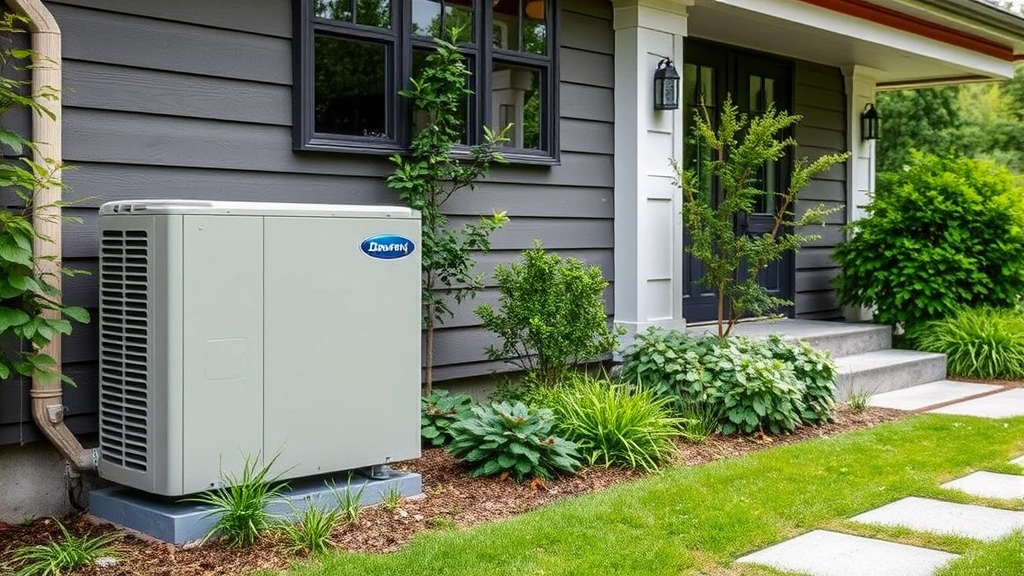
Compared to high-efficiency furnaces or heat pumps, vented gas fireplaces are dramatically less efficient. Modern electric heat pumps achieve 300-400% efficiency through heat transfer rather than direct combustion, making them substantially more eco-friendly for equivalent heating output. The efficiency gap becomes even more pronounced when electricity comes from renewable sources, a possibility that doesn’t exist with fossil fuel fireplaces.
Emissions and Air Quality
Vented gas fireplaces emit several air pollutants beyond carbon dioxide. Nitrogen oxides (NOx), including nitrogen dioxide, form during high-temperature combustion. These gases contribute to ground-level ozone formation and respiratory health problems. Particulate matter, though minimal compared to wood-burning fireplaces, still represents an air quality concern. Water vapor from combustion condenses inside chimneys, creating moisture problems that can damage building structures and promote mold growth.
The outdoor air quality impact depends on local atmospheric conditions and urban density. In urban areas with existing air quality challenges, additional NOx emissions from fireplaces contribute to smog formation and public health problems. Rural installations have less concentrated impact, but the emissions still accumulate in the atmosphere, contributing to regional and global air quality degradation. According to EPA air quality and health resources, nitrogen dioxide exposure increases respiratory disease risk, particularly in vulnerable populations including children and elderly individuals.
Indoor air quality near the fireplace opening can suffer when backdrafting occurs—a phenomenon where combustion gases flow backward into the home instead of venting outside. This happens when the home’s internal pressure exceeds external pressure, drawing exhaust gases indoors. Modern construction with tight building envelopes increases backdrafting risk, making older fireplace designs potentially problematic in contemporary homes. Reducing your environmental footprint includes protecting indoor air quality, which vented gas fireplaces may compromise.
Comparing Heating Alternatives
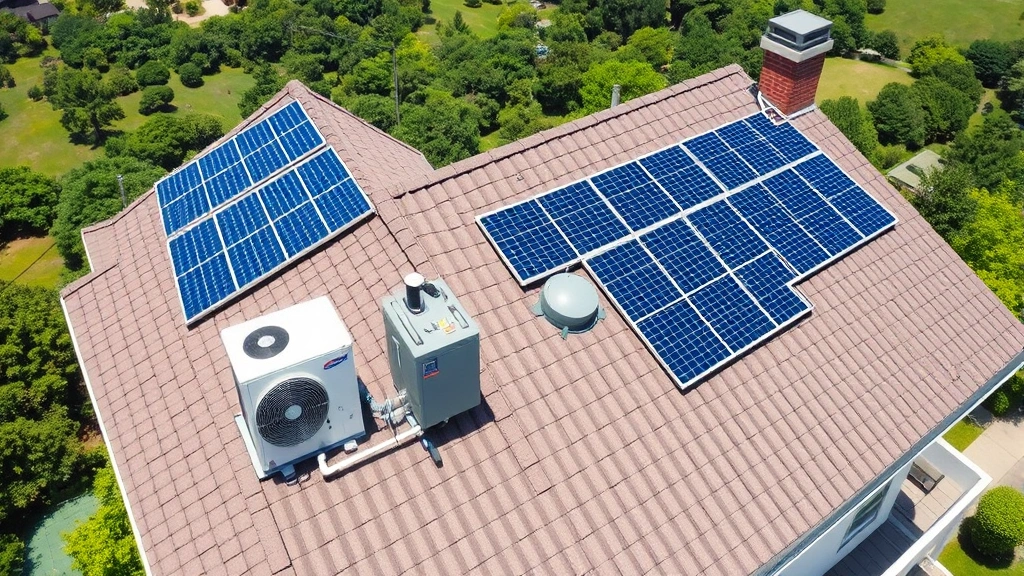
To properly evaluate whether a vented gas fireplace is eco-friendly, comparison with alternatives provides essential context. Electric heat pumps represent the most environmentally progressive heating option when powered by renewable electricity. These systems transfer heat from outdoor air or ground sources, providing 3-4 times the heat output per unit of electrical energy input. In regions with renewable-heavy electrical grids, heat pumps offer near-zero emissions heating. Even in areas reliant on fossil fuel power generation, heat pumps typically produce fewer emissions than direct combustion.
Radiant electric heating offers another alternative, converting electrical energy directly to infrared heat without combustion. While less efficient than heat pumps, electric radiant systems still outperform vented gas fireplaces when powered by renewable electricity. Solar thermal systems provide renewable heating by capturing the sun’s energy, though they require sufficient roof space and favorable climate conditions. Hybrid systems combining electric heat pumps with supplemental heating offer flexibility while maintaining relatively low environmental impact.
Wood-burning fireplaces, often considered traditional alternatives, actually present worse environmental profiles than gas fireplaces. Wood combustion produces substantial particulate matter, carbon monoxide, and volatile organic compounds. While wood can be considered renewable if harvested sustainably, the air quality impacts are severe. Pellet stoves offer some improvements through more complete combustion, but they still produce emissions and require resource extraction for pellet production. Gas fireplaces represent an incremental improvement over wood heating but remain far inferior to electric alternatives.
High-efficiency furnaces burning natural gas achieve 90-98% efficiency through condensing technology that captures heat from exhaust gases. While still fossil-fuel dependent, condensing furnaces provide substantially better efficiency than vented fireplaces for whole-home heating. If you require supplemental heating, a high-efficiency furnace combined with renewable electricity for backup heating represents a more sustainable approach than a vented gas fireplace.
Making Sustainable Choices
If you’re committed to environmental responsibility, reducing reliance on vented gas fireplaces should be a priority. Several strategies help transition toward genuinely sustainable heating. First, consider replacing gas fireplaces with electric alternatives. Modern electric fireplaces with LED flame effects provide aesthetic appeal without emissions. While they consume electricity, this energy source can increasingly come from renewable generation. Green technology innovations transforming our future include increasingly efficient and affordable electric heating solutions.
Installing a heat pump system should be a primary consideration for homeowners seeking comprehensive heating solutions. These systems work efficiently even in cold climates, providing both heating and cooling. Modern cold-climate heat pumps function effectively at temperatures well below freezing, making them viable in northern regions. The upfront cost exceeds gas fireplaces, but long-term energy savings and environmental benefits justify the investment. Many regions offer incentives and rebates for heat pump installation through government programs and utility companies.
Improving home insulation reduces overall heating demands, making alternative heating systems more practical and cost-effective. Weather sealing, insulation upgrades, and window replacements decrease heat loss, meaning you need less supplemental heating. This approach addresses the root cause of heating needs rather than merely substituting fuel sources. A well-insulated home heated by a heat pump and renewable electricity represents a genuinely sustainable solution aligned with environmental responsibility.
If you must retain an existing vented gas fireplace, minimize its use. Operate it only when genuinely needed for heating or during special occasions, avoiding purely aesthetic use. Ensure the system receives regular maintenance to prevent inefficient operation. Have a professional inspect the venting system annually to prevent backdrafting and ensure proper exhaust flow. When replacing an aging fireplace, choose not to reinstall a gas model—this represents a critical decision point for environmental improvement.
For renters or those unable to replace fireplaces, understanding the environmental cost helps contextualize your heating choices. Offset carbon emissions through other lifestyle changes, such as advantages of electric vehicles for transportation, renewable energy adoption, or supporting carbon offset projects. While individual actions alone cannot solve climate challenges, they demonstrate commitment to environmental responsibility and support market development for sustainable alternatives.
FAQ
Are vented gas fireplaces more eco-friendly than wood fireplaces?
Yes, vented gas fireplaces produce fewer emissions and air pollutants than traditional wood-burning fireplaces. However, this doesn’t make them genuinely eco-friendly—merely less harmful. Both rely on fossil fuels (natural gas versus harvested wood) and produce greenhouse gas emissions. Electric heat pumps represent a superior environmental choice.
Can I make my gas fireplace more efficient?
Limited improvements are possible through regular maintenance, ensuring clean burners and proper venting, and installing a blower to circulate heat. However, the fundamental design inefficiency of venting heated air outdoors cannot be overcome. Replacing the fireplace with an electric alternative offers more meaningful efficiency gains.
What’s the difference between vented and vent-free gas fireplaces?
Vented fireplaces exhaust combustion gases outdoors, protecting indoor air quality but losing significant heat. Vent-free models keep all heat indoors but release combustion byproducts, including carbon dioxide and nitrogen oxides, into your living space. Neither represents an eco-friendly solution.
How much do gas fireplace emissions contribute to climate change?
A typical vented gas fireplace operating regularly throughout winter produces several tons of carbon dioxide annually. While individual fireplaces seem small, widespread use across millions of homes contributes meaningfully to residential sector emissions. Transitioning to electric heating powered by renewables provides substantial climate benefits.
Are there eco-friendly fireplace alternatives?
Electric fireplaces with LED flame effects provide zero-emission ambiance. For heating, heat pump systems offer the most environmentally responsible solution. Bioethanol fireplaces represent a middle ground but still produce emissions. None perfectly replicate the aesthetic of real flames without environmental cost.
What’s the best heating solution for environmentally conscious homeowners?
A combination approach works best: install a heat pump for primary heating, improve home insulation to reduce heating demands, and use renewable electricity sources. For ambiance without heating function, choose electric fireplaces. This integrated strategy provides comfort while minimizing environmental impact.


