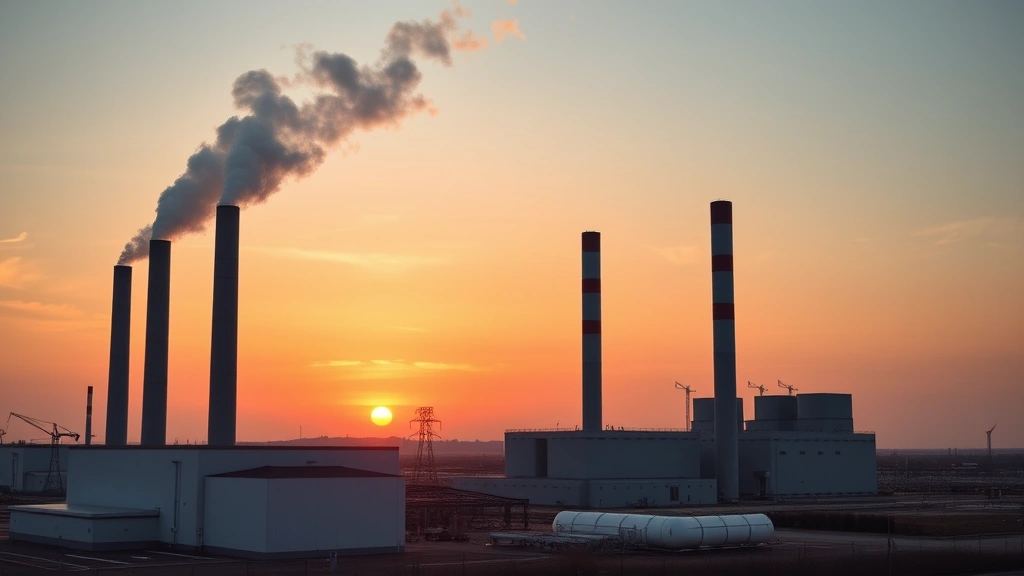
Natural Gas Benefits: Industry Insights and Advantages
Natural gas has emerged as a critical energy source in the global transition toward cleaner power generation and industrial efficiency. As industries worldwide seek alternatives to coal and petroleum, natural gas offers a compelling bridge fuel that balances environmental responsibility with economic viability. Understanding the advantages of natural gas requires examining its role across multiple sectors, from electricity generation to residential heating and industrial manufacturing.
The energy landscape is rapidly evolving, and natural gas plays an increasingly important role in supporting grid stability while renewable energy infrastructure develops. Unlike intermittent solar and wind power, natural gas plants provide reliable baseload power and flexible capacity that can quickly respond to demand fluctuations. This article explores the multifaceted benefits of natural gas, examining its environmental advantages, economic impacts, technological innovations, and strategic importance in achieving sustainable energy goals.

Environmental Advantages of Natural Gas
Natural gas produces significantly lower greenhouse gas emissions compared to coal and oil-based fuels. When burned for electricity generation, natural gas emits approximately 50% less carbon dioxide than coal plants, making it a substantially cleaner fossil fuel option. This reduction in carbon intensity is crucial for meeting international climate commitments and reducing atmospheric pollution. The combustion of natural gas generates primarily water vapor and carbon dioxide, with minimal particulate matter or sulfur compounds that contribute to acid rain and air quality degradation.
The environmental case for natural gas strengthens when considering its role within a diversified sustainable energy solutions portfolio. Natural gas plants can complement renewable energy sources by providing dispatchable power when solar and wind generation fluctuates. This complementary relationship enables higher penetration of renewables in the grid without sacrificing reliability. Additionally, methane leakage from natural gas production and distribution has been significantly reduced through improved technology and regulatory oversight, further enhancing its environmental profile.
When compared to coal-fired power plants, natural gas facilities require less water for cooling and produce substantially fewer air pollutants including nitrogen oxides and mercury. Modern natural gas turbines incorporate advanced emissions control technologies that minimize environmental impact. The lifecycle emissions of natural gas, from extraction through combustion, remain considerably lower than traditional fossil fuels, supporting its use as a transition fuel toward fully renewable energy systems.

Economic Benefits and Cost Efficiency
The economic advantages of natural gas extend across production, distribution, and consumption phases. Natural gas prices remain relatively stable and competitive compared to oil and coal, providing predictable energy costs for businesses and consumers. The abundant domestic natural gas reserves in many countries reduce dependence on international fuel imports, strengthening energy independence and economic resilience. Lower fuel costs directly translate to reduced electricity bills and operational expenses for industrial facilities.
Capital investment in natural gas infrastructure offers attractive returns compared to other energy technologies. Natural gas power plants require lower initial construction costs and shorter development timelines than nuclear facilities or large-scale renewable installations. These economic efficiencies make natural gas an accessible option for developing nations seeking to expand energy capacity without prohibitive financial burdens. Operating costs remain minimal due to efficient fuel combustion and lower maintenance requirements compared to coal-fired systems.
Industries leveraging energy efficiency improvements through natural gas adoption experience substantial long-term savings. Manufacturing facilities converting from coal to natural gas reduce both energy expenses and environmental compliance costs. The economic stimulus from natural gas development creates employment opportunities in extraction, processing, transportation, and distribution sectors, contributing to regional economic growth and workforce development.
Natural gas markets demonstrate price volatility less extreme than petroleum markets, offering greater economic predictability for long-term planning. Utilities and industries can negotiate favorable long-term contracts, securing stable energy supplies at manageable costs. This economic stability supports business confidence and investment in productive infrastructure rather than speculative fuel purchasing.
Industrial Applications and Versatility
Natural gas serves as an indispensable feedstock and energy source across diverse industrial sectors. Chemical manufacturing, petrochemical production, and fertilizer creation depend heavily on natural gas as both a raw material and energy input. The petrochemical industry utilizes natural gas to produce plastics, synthetic fibers, and pharmaceutical compounds essential to modern life. This dual role—as feedstock and fuel—makes natural gas uniquely valuable for industrial economies.
The food processing industry benefits from natural gas heating systems that maintain precise temperature controls essential for quality production. Bakeries, dairy facilities, and meat processing plants rely on natural gas for efficient, reliable thermal energy. Glass manufacturing, steel production, and metal refining processes depend on the high temperatures achievable through natural gas combustion. These industrial applications demonstrate natural gas’s versatility across manufacturing sectors.
Thermal power generation using natural gas provides flexible capacity that adjusts quickly to grid demands. Combined-cycle natural gas plants achieve efficiency rates exceeding 60%, compared to 30-40% for conventional coal plants. This superior efficiency translates to less fuel consumption and reduced environmental impact per unit of electricity generated. District heating systems in urban areas utilize natural gas to provide economical warmth to residential and commercial buildings simultaneously.
The natural gas industry continuously develops new applications, including compressed natural gas vehicles and liquefied natural gas for maritime transport. These transportation alternatives reduce emissions from heavy-duty vehicles while maintaining performance and range. Industrial facilities increasingly adopt natural gas-powered equipment for forklifts, generators, and backup power systems, expanding the fuel’s practical applications across diverse operational contexts.
Energy Security and Grid Reliability
Natural gas infrastructure provides crucial grid stability in modern electrical systems increasingly dependent on variable renewable sources. When solar and wind generation decline due to weather conditions, natural gas plants can rapidly increase output to maintain reliable power supply. This dispatchable capacity prevents blackouts and ensures continuous electricity availability for critical infrastructure, hospitals, and emergency services. The strategic importance of natural gas for grid reliability cannot be overstated in renewable-heavy energy portfolios.
Domestic natural gas production reduces national vulnerability to international energy supply disruptions. Countries with substantial natural gas reserves achieve greater energy independence, avoiding price shocks and supply vulnerabilities associated with imported fossil fuels. Strategic reserve policies allow nations to maintain security stocks, ensuring energy availability during emergencies or geopolitical tensions. This energy security dimension strengthens economic resilience and national stability.
The distributed nature of natural gas infrastructure provides redundancy that enhances system reliability. Multiple pipeline routes, storage facilities, and distribution networks prevent single-point failures from disrupting service to consumers. Unlike centralized power generation, natural gas systems can isolate affected segments while maintaining service to unaffected regions. This network resilience protects economic activity and public welfare during infrastructure challenges.
Backup power systems utilizing natural gas ensure uninterrupted operations for data centers, hospitals, and other critical facilities. Combined heat and power systems maximize energy utilization while providing independent power generation during grid outages. The reliability of natural gas systems supports business continuity and protects essential services that modern society depends upon.
Technological Advancements
Recent innovations in natural gas technology significantly enhance efficiency and reduce environmental impact. Advanced turbine designs incorporate higher compression ratios and improved combustion processes that maximize energy extraction from fuel. Precision manufacturing and materials science enable turbines to operate at higher temperatures, improving thermodynamic efficiency and reducing specific fuel consumption.
Emissions reduction technologies continue advancing, with selective catalytic reduction systems eliminating nitrogen oxides from exhaust streams. Advanced filtration and scrubbing technologies minimize particulate matter and sulfur compounds. Methane detection and monitoring systems identify leaks throughout the supply chain, enabling rapid repairs that prevent atmospheric emissions. These technological improvements demonstrate the sector’s commitment to environmental stewardship.
Smart metering and digital control systems optimize natural gas distribution, reducing losses and improving customer service. Real-time monitoring enables predictive maintenance that prevents equipment failures and extends infrastructure lifespan. Artificial intelligence algorithms optimize power plant operations, balancing output with grid demands while minimizing fuel consumption and emissions. These digital innovations enhance both economic and environmental performance.
Carbon capture and storage technologies show promise for further reducing natural gas’s carbon footprint. Direct air capture systems and point-source carbon capture at power plants enable permanent sequestration of CO2, potentially achieving carbon-neutral or carbon-negative power generation. Hydrogen production from natural gas with integrated carbon capture creates clean hydrogen fuel for transportation and industry, advancing the transition toward zero-carbon energy systems.
Residential and Commercial Benefits
Household heating represents a primary application of natural gas in residential settings, providing efficient warmth during cold months. Natural gas furnaces and boilers deliver rapid heat with minimal energy waste, reducing heating costs compared to electric resistance heating. Water heaters powered by natural gas provide instant hot water without the energy storage requirements of electric systems. These residential applications contribute to comfortable living standards while maintaining economic efficiency.
Cooking appliances fueled by natural gas offer superior temperature control and energy efficiency compared to electric alternatives. Professional chefs and home cooks appreciate the immediate heat response and precise flame adjustment that natural gas provides. The lower cost of natural gas cooking compared to electric cooking reduces household operating expenses while delivering superior culinary results.
Commercial buildings utilize natural gas for space heating, water heating, and cooking operations. Restaurants, hotels, and institutional facilities depend on reliable natural gas supplies for daily operations. The cost efficiency of natural gas enables businesses to maintain comfortable environments while controlling energy expenses. Building owners recognize natural gas’s role in supporting sustainable building practices through efficient thermal systems.
Combined heat and power systems in commercial buildings simultaneously generate electricity and capture waste heat for space and water heating. These integrated systems achieve overall efficiency exceeding 80%, maximizing energy utilization and reducing operational costs. Office buildings, hospitals, and universities increasingly adopt these systems to reduce energy consumption and operating expenses while improving environmental performance.
Global Market Trends
Global natural gas consumption continues expanding as nations prioritize cleaner energy transitions. Liquefied natural gas markets enable intercontinental trade, allowing regions without domestic reserves to access abundant supplies. The U.S. Energy Information Administration reports increasing LNG export capacity that enhances global energy security. International LNG infrastructure investments reflect confidence in natural gas’s long-term strategic importance.
Emerging economies increasingly adopt natural gas for electricity generation and industrial development. China, India, and Southeast Asian nations are expanding natural gas infrastructure to support economic growth while reducing coal dependence. This global trend demonstrates international recognition of natural gas’s environmental and economic advantages compared to traditional fossil fuels.
The International Energy Agency projects natural gas demand growth through 2050, reflecting its continued importance in global energy systems. Natural gas plays a crucial bridging role in the transition toward renewable-dominated energy portfolios, providing flexible capacity as renewable penetration increases. Market analysts anticipate sustained investment in natural gas infrastructure supporting this transition period.
Renewable energy integration challenges drive increasing interest in natural gas’s complementary role. As wind and solar capacity expands, grid operators require flexible generation to manage variability. Natural gas plants’ rapid ramping capability and dispatchability position them as essential components of modern electrical grids. This strategic importance ensures continued natural gas infrastructure development alongside renewable expansion.
Corporate sustainability initiatives increasingly recognize natural gas’s role in emissions reduction strategies. Companies committed to green technology innovations adopt natural gas alternatives to coal and petroleum-based systems. This market shift reflects stakeholder expectations for environmental responsibility and climate action, driving natural gas adoption across sectors.
Natural Gas and Energy Transition
The transition toward carbon-neutral energy systems requires pragmatic approaches recognizing current infrastructure realities. Natural gas provides an economically viable intermediate step between carbon-intensive coal systems and fully renewable energy portfolios. This realistic transition pathway avoids disruptive economic shocks while systematically reducing emissions across decades. Policy frameworks increasingly acknowledge natural gas’s essential bridging role in achieving long-term climate objectives.
Investment in natural gas infrastructure complements rather than conflicts with renewable energy development. Diverse energy portfolios incorporating natural gas, renewables, nuclear, and emerging technologies provide resilient systems capable of meeting future demands. This balanced approach maximizes economic efficiency while advancing environmental objectives. Sustainable natural gas news coverage regularly highlights innovations advancing this transition.
Regulatory frameworks increasingly support natural gas as a transition fuel while establishing timelines for deeper decarbonization. Carbon pricing mechanisms, renewable energy standards, and emissions regulations create economic incentives for natural gas adoption over dirtier alternatives. These policy approaches leverage market mechanisms to achieve environmental goals while maintaining economic competitiveness.
Research institutions and industry organizations collaborate on developing pathways toward zero-carbon natural gas systems. Hydrogen blending, biogas integration, and carbon capture technologies represent promising directions for maintaining natural gas infrastructure’s utility while eliminating carbon emissions. These innovations demonstrate the sector’s commitment to supporting long-term climate objectives.
FAQ
What are the main environmental benefits of natural gas?
Natural gas produces approximately 50% fewer carbon dioxide emissions than coal when burned for electricity generation. It generates minimal air pollutants including sulfur dioxide and nitrogen oxides, reducing acid rain and improving air quality. Modern natural gas plants incorporate advanced emissions control technologies, and methane leakage has been significantly reduced through improved infrastructure and monitoring. These environmental advantages make natural gas substantially cleaner than traditional fossil fuels like coal and oil.
How does natural gas compare to renewable energy sources?
Natural gas and renewables serve complementary roles in modern energy systems. While renewables like solar and wind provide increasingly affordable clean energy, they generate intermittently based on weather conditions. Natural gas plants provide flexible, dispatchable capacity that responds quickly to grid demands, balancing renewable variability. Together, diverse energy portfolios combining natural gas with renewables, nuclear, and emerging technologies create reliable, resilient electrical systems capable of meeting future energy needs.
What industrial applications utilize natural gas?
Natural gas serves critical roles across manufacturing sectors. Chemical and petrochemical industries use it as both feedstock and energy source for producing plastics, synthetic fibers, and pharmaceuticals. Food processing, glass manufacturing, steel production, and metal refining depend on natural gas for high-temperature heating. Combined-cycle power plants achieve superior efficiency using natural gas. Emerging applications include compressed natural gas vehicles and liquefied natural gas for maritime transport.
How does natural gas improve energy security?
Domestic natural gas production reduces national dependence on international fuel imports, enhancing energy independence. Strategic reserve policies ensure availability during emergencies. Distributed pipeline networks and storage facilities provide redundancy preventing single-point failures. Natural gas plants’ rapid response capability ensures grid reliability as renewable energy penetration increases. This multi-faceted approach to energy security strengthens economic resilience and protects critical infrastructure.
What technological innovations are advancing natural gas?
Advanced turbine designs achieve higher efficiency through improved combustion processes and materials science. Emissions reduction technologies eliminate nitrogen oxides and minimize particulate matter. Smart metering systems optimize distribution and reduce losses. Artificial intelligence optimizes power plant operations. Carbon capture and storage technologies enable carbon-neutral power generation. Hydrogen production from natural gas with integrated carbon capture creates clean fuel for transportation and industry.
Why is natural gas considered a transition fuel?
Natural gas provides an economically viable intermediate step between carbon-intensive coal systems and fully renewable energy portfolios. Its lower emissions than coal, abundant supplies, and existing infrastructure enable pragmatic transitions without disruptive economic shocks. Flexible natural gas plants complement variable renewable sources, enabling higher renewable penetration. This balanced approach maximizes efficiency while systematically reducing emissions toward long-term climate objectives.
What are residential benefits of natural gas?
Natural gas furnaces and boilers provide efficient home heating at lower cost than electric resistance systems. Water heaters deliver instant hot water without storage requirements. Cooking appliances offer superior temperature control and energy efficiency. Lower operating costs reduce household expenses. Combined heat and power systems in commercial buildings achieve over 80% efficiency. These applications provide comfortable living standards while maintaining economic efficiency.


