Best Gas Powered Pressure Washers: Expert Picks for Professional-Grade Cleaning
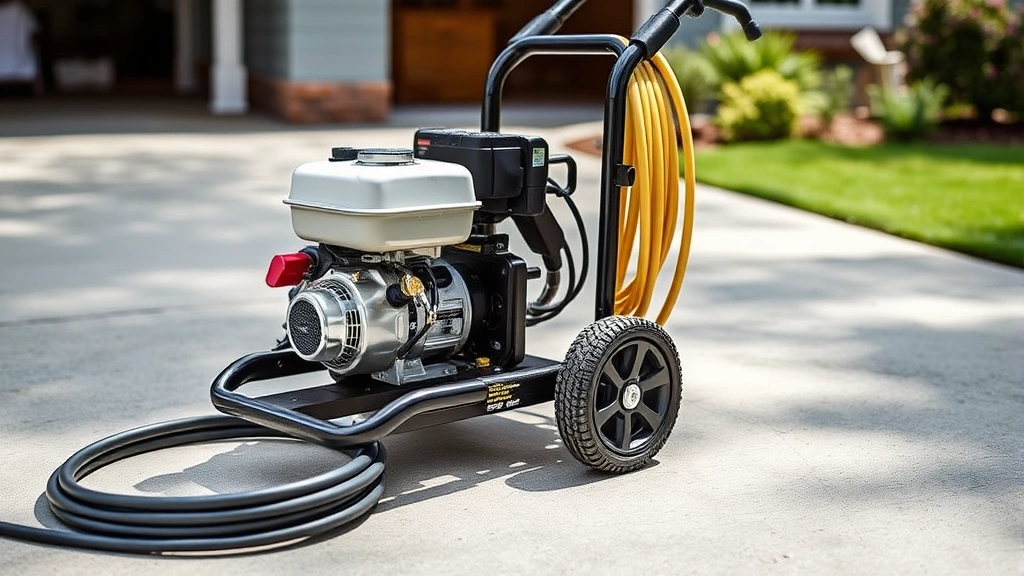
Gas powered pressure washers represent the pinnacle of outdoor cleaning equipment, delivering unmatched power and portability for homeowners and professionals alike. Whether you’re tackling stubborn deck stains, preparing surfaces for painting, or maintaining commercial properties, a quality gas pressure washer provides the force and endurance that electric alternatives simply cannot match. This comprehensive guide explores the best options available, helping you select equipment that balances performance with responsible energy use.
The market for gas pressure washers has evolved significantly, with manufacturers now prioritizing fuel efficiency alongside raw cleaning power. Understanding the distinctions between models, PSI ratings, and fuel consumption patterns ensures you invest in equipment that delivers results without excessive environmental impact or operational costs. We’ll examine top performers, essential features, and maintenance practices that keep your investment running smoothly for years to come.
Understanding Gas Pressure Washer Specifications
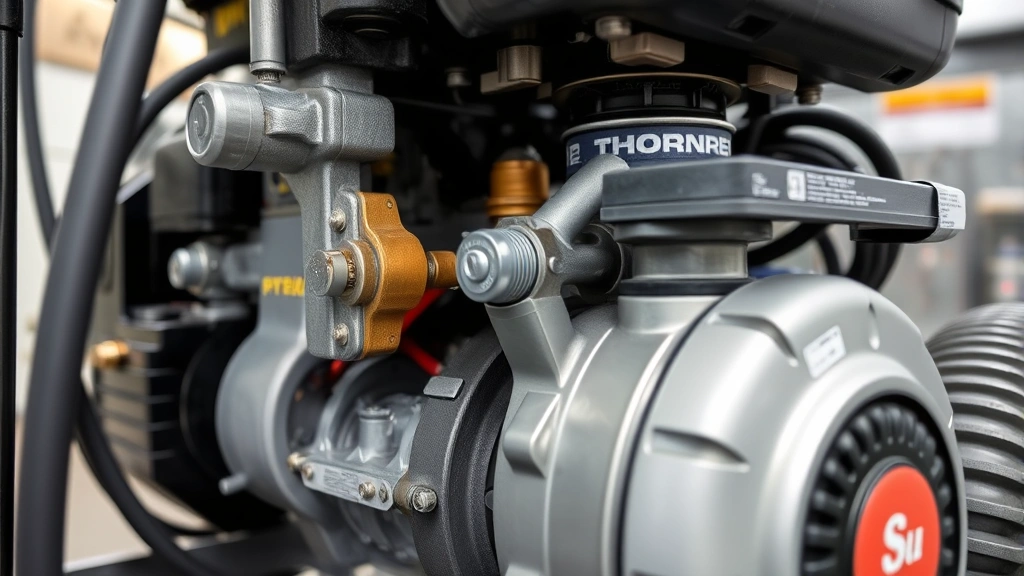
When evaluating a best gas powered pressure washer, you’ll encounter several critical metrics that determine cleaning capability. PSI (pounds per square inch) measures water pressure, while GPM (gallons per minute) indicates flow rate. Most residential models range from 2,500 to 4,200 PSI, with commercial units exceeding 5,000 PSI. The combination of PSI and GPM determines cleaning power—higher PSI excels at stubborn stains, while elevated GPM covers larger areas more quickly.
Engine size matters considerably, typically ranging from 160cc to 420cc in consumer-grade models. Larger engines consume more fuel but deliver superior sustained power during extended cleaning sessions. Four-stroke engines have largely replaced two-stroke designs, offering better fuel efficiency and reduced emissions. Understanding these specifications helps you match equipment to your specific cleaning requirements, avoiding overpowered purchases that waste fuel and money.
Pump type significantly influences reliability and longevity. Axial cam pumps cost less but wear faster, while triplex pumps command higher prices but endure commercial use. Pressure regulation systems protect equipment from damage and maintain consistent water delivery. These technical details translate directly to your ownership experience, affecting cleaning results, fuel costs, and maintenance frequency over the equipment’s lifetime.
Top Gas Powered Pressure Washer Models
Premium manufacturers consistently deliver reliable performance across their pressure washer lineups. Models like the Generac PowerWash and Honda Power Equipment series represent industry standards, combining Japanese engineering with proven durability. These brands invest heavily in research and development, resulting in equipment that handles demanding applications while maintaining reasonable operating costs.
Mid-range options from Simpson and Westinghouse provide excellent value propositions for homeowners tackling seasonal cleaning projects. These manufacturers balance affordability with quality construction, offering warranties that reflect confidence in their products. Many users report five to ten years of reliable service with proper maintenance, making them sensible investments for residential applications.
Professional-grade units from PowerStroke and Karcher cater to contractors and commercial operators who demand maximum uptime and minimal downtime. These machines feature reinforced components, quick-connect systems for rapid nozzle changes, and advanced fuel management systems. While initial costs exceed consumer models significantly, professional equipment justifies investment through superior reliability and cleaning efficiency on job sites.
Each category serves distinct needs, and selecting the appropriate tier prevents both overspending and underperformance. Consider your anticipated usage frequency, typical cleaning tasks, and long-term ownership plans when evaluating models within your price range.
Comparing specifications across brands reveals that higher-priced units often feature superior materials, more efficient combustion systems, and enhanced fuel economy. Investing slightly more upfront frequently yields lower operating costs throughout the equipment’s service life. Many manufacturers now publish fuel consumption data, allowing direct cost comparisons between seemingly similar models.
Key Features to Consider
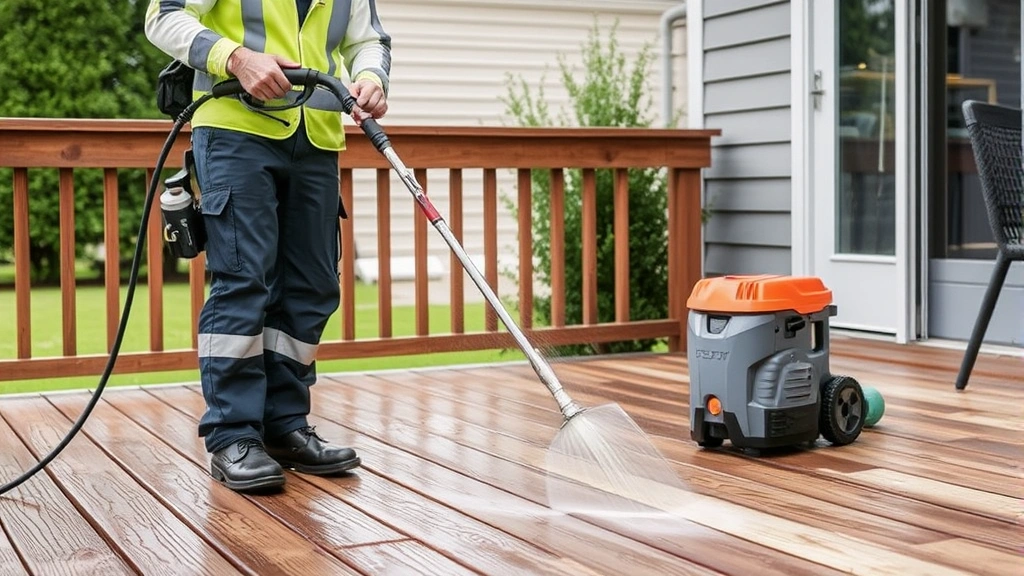
Modern gas pressure washers incorporate numerous features that enhance usability and cleaning effectiveness. Adjustable nozzles allow pressure customization, protecting delicate surfaces like wood siding while maintaining sufficient force for concrete work. Quick-connect systems enable rapid switching between different spray patterns without stopping the engine, saving time on multi-surface projects.
Onboard detergent tanks simplify application of cleaning solutions, particularly valuable when working on large areas. Some premium models feature proportioning systems that automatically adjust detergent concentration based on water flow, optimizing cleaning power while minimizing chemical waste. This technology particularly benefits users committed to green technology innovations in their operations.
Portability features deserve careful consideration, especially for homeowners with mobility limitations. Pneumatic wheels and sturdy handles transform heavy equipment into manageable tools. Electric start capabilities eliminate the frustration of pull-cord starting, particularly valuable for users with reduced hand strength or those operating equipment in cold conditions. Folding handles and compact designs accommodate storage in sheds or garage corners.
Fuel tank capacity directly impacts operational efficiency during extended cleaning sessions. Larger tanks reduce refueling frequency but increase overall equipment weight. Smaller tanks suit occasional homeowners, while professionals benefit from capacity exceeding two gallons. Thermal relief valves prevent damage during idle periods when pressure builds internally.
Water delivery systems range from simple garden hose connections to sophisticated quick-connect systems. Ensuring your chosen model accommodates available water sources prevents frustrating incompatibilities. Some premium units feature low-water shutoff protection, automatically stopping engine operation if water supply becomes insufficient, preventing pump damage.
Fuel Efficiency and Environmental Impact
Gasoline-powered equipment inherently produces emissions, but modern pressure washers minimize environmental footprint through advanced combustion technology. Four-stroke engines eliminate oil-gasoline mixing required by older two-stroke designs, reducing hydrocarbon emissions significantly. EPA regulations for small engines continue tightening, pushing manufacturers toward cleaner-burning designs.
Fuel efficiency varies substantially between models, with well-maintained equipment consuming 0.5 to 1.5 gallons per hour depending on engine size and pressure settings. Selecting appropriately-sized equipment prevents unnecessary fuel waste—oversized units operating at partial capacity consume more fuel than right-sized alternatives running at optimal efficiency. This principle encourages purchasing equipment matched to actual cleaning requirements rather than maximum theoretical capacity.
Comparing gas pressure washers to electric alternatives and sustainable energy solutions reveals important trade-offs. Electric models eliminate combustion emissions entirely but require proximity to power sources and sacrifice portability and sustained power delivery. Many professionals maintain both types, selecting equipment based on specific project requirements. For demanding applications, gas models remain superior, but conscientious operators should understand their environmental implications.
Fuel quality significantly impacts emissions and engine longevity. Using high-octane gasoline with detergent packages reduces carbon buildup and extends component life. Seasonal fuel additives prevent gum formation during storage periods, maintaining equipment readiness throughout the year. Some manufacturers recommend premium gasoline for certain models, an investment that pays dividends through improved performance and reduced maintenance needs.
Modern pressure washers incorporate fuel management systems that optimize combustion efficiency across varying load conditions. These intelligent engines automatically adjust air-fuel ratios, maximizing cleaning power while minimizing waste. Understanding these technologies helps operators appreciate the engineering sophistication underlying seemingly simple equipment.
Maintenance and Longevity
Proper maintenance determines whether your gas pressure washer functions reliably for years or deteriorates rapidly. Regular oil changes—typically every 50-100 hours of operation—keep engines running smoothly and prevent premature wear. Using manufacturer-specified oil grades ensures optimal lubrication and thermal protection. Many users develop maintenance schedules tied to seasonal transitions, servicing equipment before storage periods.
Spark plug replacement, air filter cleaning, and fuel system maintenance constitute essential routine tasks. Clogged air filters reduce engine efficiency and increase fuel consumption, negating any cost savings from purchasing cheaper models. Fuel stabilizers prevent gum formation in carburetor systems during off-season storage, eliminating expensive repairs that plague neglected equipment. Establishing simple maintenance routines prevents most common problems.
Pump care deserves particular attention, as pressure pump damage represents the most expensive repair scenarios. Never operate equipment without adequate water supply, as dry-running pumps seize within seconds. Winterization procedures protect pumps from freeze damage in cold climates—allowing water to drain from systems prevents catastrophic damage when temperatures drop. Following manufacturer winterization guidance prevents costly springtime surprises.
Professional servicing addresses complex issues beyond typical homeowner capability. Annual professional inspections catch developing problems before catastrophic failure occurs. Many manufacturers offer extended warranty coverage that includes professional maintenance, valuable insurance for expensive equipment. Building relationships with authorized service centers ensures access to genuine parts and expert diagnostics.
Proper storage extends equipment life significantly. Covered storage protects equipment from weather exposure and UV degradation. Keeping fuel tanks full prevents moisture condensation and internal corrosion during storage. Fuel stabilizers eliminate the need for complete fuel draining, simplifying seasonal preparation. These simple practices transform seasonal equipment into multi-decade investments.
Safety Considerations
Gas pressure washers deliver forces capable of causing serious injury, demanding respect and careful operation. Water pressure exceeding 2,000 PSI penetrates skin, potentially causing permanent damage or infection. Always wear appropriate personal protective equipment including safety glasses, gloves, and closed-toe footwear. Direct spray away from people, animals, and delicate objects, understanding that water streams can ricochet unpredictably.
Engine exhaust contains carbon monoxide, a colorless, odorless gas that causes rapid incapacitation and death. Never operate equipment in enclosed spaces or near building intakes. Outdoor operation in well-ventilated areas eliminates this hazard entirely. Contractors working in commercial environments must understand local regulations regarding equipment operation near occupied spaces.
Fuel handling safety prevents fires and explosions. Store gasoline in approved containers away from ignition sources and living spaces. Never refuel while engines run or are hot—allow equipment to cool before adding fuel. Spilled gasoline evaporates quickly, creating explosive vapor concentrations; clean spills immediately and ventilate thoroughly. These straightforward precautions prevent catastrophic accidents.
Pressure relief systems prevent explosions from internal pressure buildup. Never cap discharge hoses or block nozzles while engines run, as trapped pressure accumulates rapidly. Thermal relief valves automatically release pressure during idle periods, protecting equipment and operators. Understanding these safety systems and respecting their importance prevents tragic accidents.
Training and supervision prove essential, particularly when allowing family members to operate equipment. Clear instruction on proper technique, safety protocols, and emergency procedures reduces accident likelihood. Children should never operate pressure washers unsupervised, and teenagers require thorough training before independent use. Taking safety seriously protects everyone around your equipment.
FAQ
What PSI rating do I need for typical residential cleaning?
Most residential applications require 2,500 to 3,000 PSI. This range handles deck cleaning, patio maintenance, and light house siding work effectively. Higher PSI ratings (3,500-4,200 PSI) benefit users tackling concrete cleaning or removing stubborn stains. Matching PSI to your primary tasks prevents overpaying for unnecessary power.
How often should I perform maintenance on my gas pressure washer?
Routine maintenance includes checking oil levels before each use, changing oil every 50-100 operating hours, and cleaning air filters regularly. Seasonal maintenance before storage involves fuel stabilization and system flushing. Professional servicing annually ensures optimal performance and catches developing issues early.
Can I use a gas pressure washer on wooden surfaces?
Yes, but with caution and appropriate pressure settings. Use nozzles creating wider spray patterns and lower pressure (under 1,500 PSI) to prevent wood damage. Maintain proper distance from surfaces and test on inconspicuous areas first. Professional results require experience and proper technique development.
What’s the difference between residential and commercial pressure washers?
Commercial units feature larger engines, higher pressure ratings, and more durable components designed for daily use. Residential models suit occasional homeowners and prioritize affordability over extreme durability. Professional equipment justifies higher costs through superior reliability and cleaning efficiency during demanding applications.
How much fuel does a typical gas pressure washer consume?
Most models consume 0.5 to 1.5 gallons per hour depending on engine size and operating conditions. Smaller residential units run toward the lower end, while commercial equipment approaches 1.5 gallons hourly. Matching equipment size to actual needs prevents unnecessary fuel consumption and operating costs.
Is a gas or electric pressure washer better for the environment?
Electric models eliminate combustion emissions entirely, making them environmentally superior for residential applications. However, gas washers provide superior power for demanding tasks that electric models cannot handle effectively. Many conscientious operators maintain both, selecting equipment based on specific project requirements and environmental considerations.
What safety gear should I wear when operating a pressure washer?
Always wear safety glasses, work gloves, closed-toe footwear, and long pants. Consider hearing protection, as gas engines produce significant noise. Never wear loose clothing that could catch on equipment. Inspect gear before use and replace damaged items immediately.


