
Sustainable Snacking: Eco-Friendly Choices Explained
When you’re on the road and need a quick bite, gas station snacks are often the default option. However, most convenience store snacking choices come with significant environmental costs—from excessive plastic packaging to resource-intensive production methods. The good news? You can make mindful snacking decisions that satisfy your hunger while supporting planetary health. Understanding the best gas station snacks from an environmental perspective empowers you to reduce your carbon footprint, even during brief pit stops.
The snacking industry generates millions of tons of packaging waste annually, with single-serve items being among the worst offenders. Yet sustainable alternatives exist at virtually every gas station, often overlooked by hurried travelers. By learning which snacks align with eco-conscious values, you’ll discover that making environmentally responsible choices doesn’t require sacrificing convenience or taste. This guide explores actionable strategies for selecting sustainable snacks, understanding packaging impacts, and supporting brands committed to ecological stewardship.
Understanding the Environmental Impact of Snacking
Most people don’t consider the environmental consequences of their snacking habits. A single-serve chip bag, granola bar, or candy wrapper represents far more than convenience—it embodies resource extraction, manufacturing emissions, transportation, and eventual landfill waste. The average American generates approximately 4.5 pounds of trash daily, with packaging comprising about 30% of that waste stream.
Snack production demands significant agricultural inputs. Conventional crops require synthetic fertilizers derived from fossil fuels, pesticides that contaminate waterways, and extensive water resources. Processing facilities consume energy, generate wastewater, and emit greenhouse gases. Then comes packaging—often single-use plastic designed for minutes of use but persisting in ecosystems for centuries. When you multiply this across billions of snack purchases annually, the cumulative environmental burden becomes staggering.
The connection between your snacking choices and climate change is direct. Food production accounts for approximately 26% of global greenhouse gas emissions, according to EPA environmental data. Snacking, often viewed as inconsequential, contributes meaningfully to this total. However, informed consumer choices can shift market demand toward sustainable alternatives, creating positive ripple effects throughout supply chains.
Best Eco-Friendly Gas Station Snacks
Finding sustainable snacking options at gas stations requires understanding which products minimize environmental harm. Fortunately, most convenience stores now stock alternatives to traditional heavily-packaged snacks.
Fresh Fruits and Nuts: Bananas, apples, and oranges offer natural packaging—their peels are compostable. Raw almonds, cashews, and walnuts provide protein and healthy fats without processing-intensive production. Many gas stations now feature fresh fruit sections that provide genuinely sustainable snacking. These whole foods require minimal packaging, offer superior nutritional profiles, and support agricultural systems when sourced from local or organic producers.
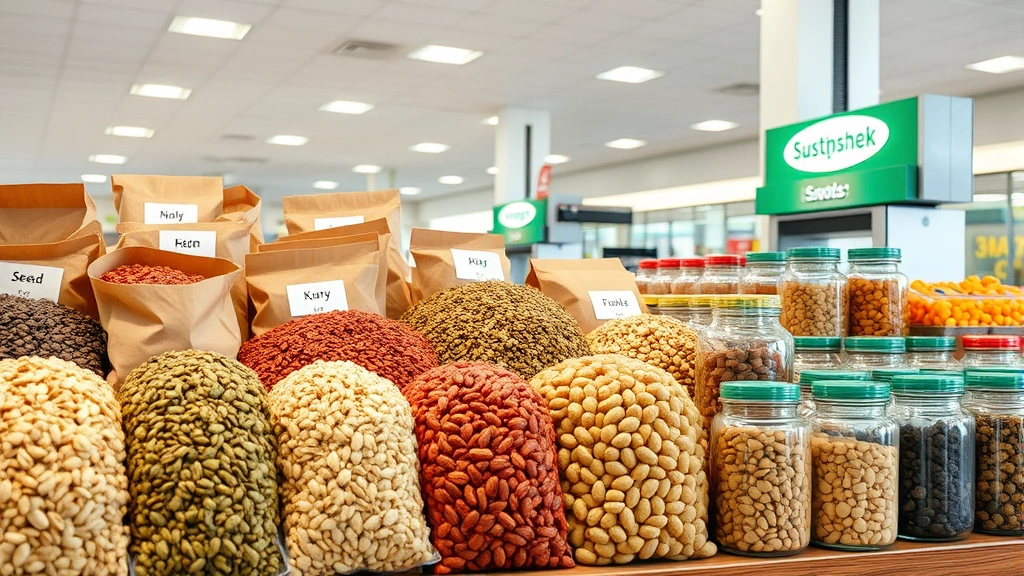
Popcorn and Seeds: Air-popped popcorn in bulk bins or simple paper bags represents an excellent choice. Sunflower seeds and pumpkin seeds offer similar benefits—whole foods requiring minimal processing. These options are increasingly available at forward-thinking gas stations and represent the best gas station snacks for environmentally conscious travelers.
Dried Fruits: Unsweetened dried apricots, cranberries, and raisins provide natural sweetness and sustained energy. Look for products with minimal packaging or purchasing from bulk sections where available. Dried fruits concentrate nutrients without requiring refrigeration, making them ideal travel companions.
Whole Grain Crackers: Select brands using minimal packaging and whole grain ingredients. Avoid individually wrapped varieties; instead, choose larger boxes that reduce packaging-to-product ratios. Whole grains support sustainable agriculture when sourced from regenerative farms.
Plant-Based Protein Options: Hummus cups, nut butter packets, and legume-based snacks offer protein without animal agriculture’s significant environmental footprint. Livestock production generates 14.5% of global greenhouse gas emissions, making plant-based alternatives substantially more sustainable.
Packaging Considerations and Alternatives
Packaging represents the most visible environmental aspect of snacking. Traditional single-serve items typically use multi-layer plastic composites that cannot be recycled through standard municipal systems. These materials persist in landfills, oceans, and natural ecosystems indefinitely.
Evaluating Packaging Options: Prioritize snacks using paper, cardboard, or glass packaging whenever possible. These materials biodegrade naturally and integrate into established recycling streams. Plastic packaging, even when labeled recyclable, often ends up in landfills due to contamination or market economics. According to World Wildlife Fund research, only 9% of all plastic ever produced has been recycled.
Bulk Purchasing Strategy: When possible, buy snacks in larger quantities with proportionally less packaging. A bulk box of granola bars uses significantly less packaging per bar than individually wrapped versions. This approach also typically reduces costs while minimizing environmental impact—a genuine win-win scenario.
Compostable and Biodegradable Options: Some innovative companies now produce snack packaging from plant-based materials that genuinely biodegrade in commercial composting facilities. While less common at standard gas stations, seeking these products encourages market expansion. Check labels for certifications from BPI (Biodegradable Products Institute) or similar organizations verifying compostability claims.
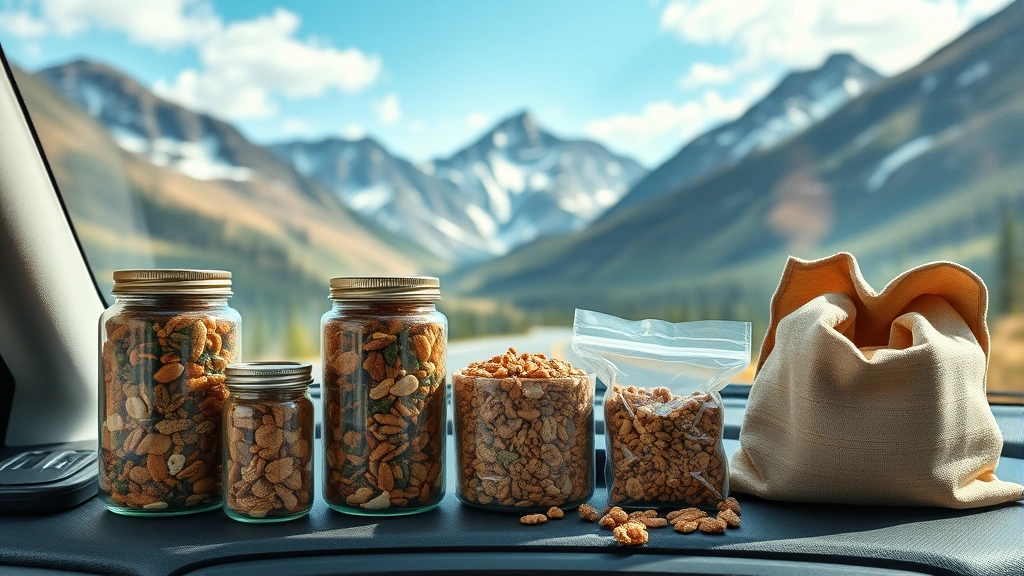
Reusable Container Strategy: The most sustainable approach involves bringing reusable containers filled with homemade snacks. However, when purchasing at gas stations, selecting products that can be transferred to reusable containers reduces ongoing packaging waste. Nuts, seeds, and dried fruits work particularly well with this approach.
Reading Labels for Sustainability
Product labels contain crucial information for identifying genuinely sustainable snacks. Understanding label terminology prevents greenwashing—marketing tactics using environmental language to promote products without substantial ecological benefits.
Certified Organic Designation: USDA Organic certification ensures products were produced without synthetic pesticides, fertilizers, or GMO seeds. Organic farming reduces chemical runoff, supports soil health, and typically implements more sustainable practices. However, organic doesn’t automatically mean sustainable—transportation distances and packaging still matter significantly.
Fair Trade Certification: For snacks containing cacao, coffee, or tropical fruits, Fair Trade certification indicates ethical labor practices and environmental stewardship in producing regions. This certification supports farmer livelihoods while promoting sustainable agricultural methods in vulnerable ecosystems.
Non-GMO Project Verification: This label indicates products avoid genetically modified organisms. While not inherently superior nutritionally, Non-GMO certification often correlates with more sustainable farming practices and supports agricultural biodiversity.
B Corp Certification: B Corp certified companies meet rigorous standards for environmental and social performance. This certification indicates genuine commitment to sustainability beyond marketing claims. Companies must demonstrate measurable progress toward ecological goals.
Carbon Neutral or Offset Claims: Some brands now calculate and offset their products’ carbon footprints. While imperfect, carbon offsetting demonstrates environmental consciousness and incentivizes emissions reduction throughout supply chains.
Planning Ahead to Reduce Waste
The most sustainable snack is one you’ve prepared yourself before traveling. Strategic planning eliminates reliance on gas station options entirely, reducing waste to zero while saving money.
Pre-Trip Snack Preparation: Dedicate 15 minutes before road trips to pack reusable containers with nuts, dried fruits, homemade granola, or cut vegetables. Bring sufficient water in a refillable bottle to reduce plastic consumption. This approach guarantees availability of preferred snacks while eliminating packaging waste.
Sustainable Snack Kit Assembly: Create a permanent road-trip snack kit containing reusable containers, cloth napkins, and utensils. Keep this kit in your vehicle, ready for any journey. This eliminates last-minute gas station purchases driven by unpreparedness rather than genuine necessity.
Identifying Sustainable Gas Stations: Research and patronize gas stations demonstrating environmental commitment. Some now offer bulk snack sections, fresh food options, or refill stations for reusable containers. Supporting these establishments encourages industry-wide adoption of sustainable practices. Consider this approach when planning electric vehicle road trips, where charging stops provide extended preparation time.
Timing and Frequency: Plan road trips to minimize stops and snacking frequency. More efficient routing reduces overall snacking occasions, directly reducing packaging waste and environmental impact. Combining this with sustainable energy solutions creates comprehensive trip optimization.
Supporting Sustainable Brands
Your purchasing decisions directly influence market dynamics. Supporting brands committed to sustainability encourages competitors to adopt similar practices, creating positive industry transformation.
Researching Brand Values: Before purchasing, investigate companies’ sustainability commitments. Review their websites for environmental policies, supply chain transparency, and third-party certifications. Authentic sustainability requires demonstrable action, not merely promotional language. Look for companies publishing detailed environmental impact reports and setting science-based emissions reduction targets.
Local and Small-Scale Producers: Gas stations increasingly stock locally-produced snacks with minimal packaging and transparent supply chains. Supporting local producers reduces transportation emissions, supports community economies, and typically ensures higher product quality. These items may cost slightly more but provide genuine value through environmental and social benefits.
Transparent Supply Chains: Prioritize brands providing detailed information about ingredient sourcing, manufacturing locations, and labor practices. Transparency indicates confidence in ethical operations and allows informed consumer decisions. Companies hiding supply chain information often do so to obscure problematic practices.
Evolving Product Lines: Some snack companies now reformulate products with sustainability goals, reducing packaging, improving ingredients, and decreasing environmental footprints. Supporting these brands rewards innovation and encourages continued progress. Provide feedback to companies, expressing support for sustainable changes and requesting further improvements.
The Connection Between Food Choices and Transportation
Snacking choices connect directly to transportation sustainability. Understanding these relationships creates opportunities for comprehensive lifestyle optimization.
When considering advantages of natural gas for vehicles, recognize that fuel choice represents only one transportation sustainability dimension. Your consumption patterns, including snacking habits, collectively determine your ecological footprint. A driver using a fuel-efficient vehicle while generating excessive snacking waste has partially offset their transportation benefits through food-related impacts.
Conversely, sustainable snacking amplifies transportation sustainability. Someone using an electric vehicle and making eco-conscious food choices demonstrates comprehensive environmental commitment. This integrated approach creates multiplicative benefits—each sustainable choice reinforces others, establishing momentum toward genuinely low-impact living.
Understanding green technology innovations extends beyond vehicles to encompass entire lifestyle systems. Sustainable snacking represents personal technology—knowledge applied to daily decisions creating measurable environmental benefits. This accessible practice demonstrates that meaningful sustainability doesn’t require expensive equipment or dramatic life changes; rather, it emerges from informed choices integrated into existing routines.
Long-distance travelers particularly benefit from this integrated approach. Combining sustainable snacking with fuel-efficient or electric vehicles, strategic route planning, and minimal consumption creates road trips with genuinely reduced environmental impact. Road trips offer opportunities to model sustainable practices, potentially influencing fellow travelers and demonstrating that eco-conscious living remains accessible and practical.
FAQ
What are the best gas station snacks for the environment?
Fresh fruits (bananas, apples), raw nuts, seeds, dried fruits, and whole grain crackers represent excellent sustainable choices. These whole foods require minimal processing and packaging while providing superior nutrition compared to conventional processed snacks.
How can I reduce packaging waste when buying snacks at gas stations?
Select snacks with paper or cardboard packaging rather than plastic. Purchase larger quantities with proportionally less packaging per serving. Better yet, prepare snacks at home in reusable containers before traveling, eliminating packaging waste entirely.
Are organic snacks always more sustainable?
Organic certification indicates sustainable farming practices without synthetic chemicals, but doesn’t guarantee overall sustainability. Consider packaging, transportation distances, and brand values comprehensively. An organic snack shipped internationally in excessive plastic may have greater environmental impact than a conventional snack produced locally with minimal packaging.
How do snacking choices affect my overall carbon footprint?
Food production generates approximately 26% of global greenhouse gas emissions. Individual snacking choices seem insignificant but accumulate substantially over time. Someone making three sustainable snacking choices daily prevents approximately 1,095 poor choices annually, creating measurable environmental benefits.
What certifications indicate genuinely sustainable snacks?
Look for USDA Organic, Fair Trade, B Corp, Non-GMO Project Verified, and carbon neutral certifications. These third-party verifications indicate companies meet rigorous environmental and social standards, though no single certification encompasses all sustainability dimensions.
Can I find sustainable snacks at any gas station?
Most modern gas stations stock some sustainable options—fresh fruits, nuts, and whole grain products. However, selection varies significantly. Research gas stations in your area or along planned routes to identify those offering superior sustainable snacking options.
How does sustainable snacking connect to vehicle sustainability?
Transportation and food represent two major personal carbon footprint categories. Sustainable snacking complements fuel-efficient or electric vehicles, creating integrated low-impact living. This comprehensive approach generates greater environmental benefits than optimizing only one category.


