Are Boat Gas Tanks Eco-Friendly? Expert Insights on Marine Fuel Systems
Recreational boating represents a significant leisure activity for millions worldwide, but the environmental impact of traditional boat gas tanks raises important sustainability questions. Modern marine vessels rely heavily on gasoline and diesel fuel systems, which contribute to both air and water pollution. Understanding whether current boat gas tank technology aligns with eco-friendly practices requires examining fuel composition, emission standards, technological innovations, and emerging alternatives that promise cleaner boating experiences.
The debate surrounding boat gas tank sustainability extends beyond simple fuel chemistry. It encompasses regulatory compliance, maintenance practices, spill prevention mechanisms, and the broader shift toward renewable marine energy. As environmental consciousness grows among boat owners and manufacturers, the industry faces mounting pressure to develop and implement greener solutions. This comprehensive guide explores the environmental implications of conventional boat gas tanks while highlighting promising alternatives and best practices for reducing your boating footprint.
Environmental Impact of Traditional Boat Gas Tanks
Traditional boat gas tanks containing conventional gasoline and diesel fuel present multiple environmental challenges that extend far beyond the moment fuel enters the engine. The extraction, refinement, transportation, and combustion of fossil fuels create a substantial carbon footprint throughout their lifecycle. Marine vessels equipped with standard fuel systems emit carbon dioxide, nitrogen oxides, and particulate matter that contribute to climate change and air quality degradation in coastal communities.
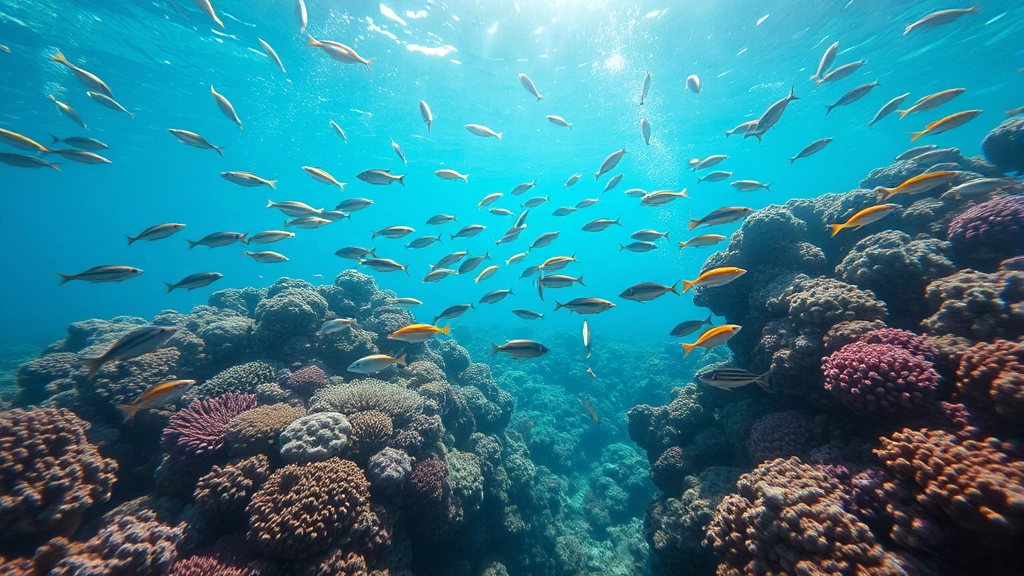
The storage infrastructure itself poses environmental risks. Fiberglass and aluminum tanks, while durable, can develop leaks over time, especially in harsh saltwater environments. Fuel spills from damaged tanks or improper maintenance procedures contaminate marine ecosystems, harming fish populations, coral reefs, and other aquatic life. A single gallon of gasoline can contaminate up to 750,000 gallons of water, making spill prevention a critical sustainability concern for boat owners. Additionally, conventional fuel tanks generate vapor emissions during refueling and storage, releasing volatile organic compounds into the atmosphere.
Compared to land-based vehicles that benefit from increasingly stringent emissions regulations, recreational boats have historically operated under less rigorous environmental standards. This regulatory gap means many older vessels continue polluting at levels that would be illegal for automobiles. The cumulative effect of thousands of recreational boats operating with conventional fuel systems creates measurable environmental degradation in popular boating destinations.
Fuel Emissions and Water Pollution
Marine engines powered by traditional boat gas tanks emit several harmful pollutants that damage aquatic ecosystems and contribute to climate change. Nitrogen oxides (NOx) produced during fuel combustion react with sunlight to form ground-level ozone, which degrades air quality and poses respiratory health risks to coastal residents. Sulfur dioxide emissions acidify water bodies and soil, disrupting the pH balance necessary for aquatic organisms to thrive.
Unburned hydrocarbons escape into the atmosphere and water during normal engine operation and fuel transfer processes. These volatile organic compounds contribute to smog formation and react with other pollutants to create secondary organic aerosols that impact regional air quality. Particulate matter from diesel and gasoline engines penetrates deep into human lungs and marine food chains, accumulating in fish tissues and eventually reaching human consumers.
Water pollution from boat fuel extends beyond direct spills. Fuel leaks from corroded tanks seep into groundwater and marine environments, creating persistent contamination zones. Engine oil and fuel residues wash overboard during maintenance or storms, coating water surfaces and suffocating aquatic plants and animals. The Environmental Protection Agency estimates that recreational boating contributes approximately 5% of all hydrocarbon emissions in the United States, a significant portion given that commercial shipping receives substantially more regulatory attention.
Implementing sustainable energy solutions in marine contexts requires addressing these emission pathways through technological upgrades and operational changes. Many boat owners remain unaware of their vessels’ environmental impact, creating an opportunity for education and voluntary improvements.
Regulatory Standards and Compliance
The regulatory landscape governing boat gas tanks and marine emissions has evolved significantly over the past two decades, though it still lags behind automotive standards in many jurisdictions. The Environmental Protection Agency implemented the first federal emissions standards for recreational marine engines in 2010, establishing limits for nitrogen oxides and hydrocarbons. These standards have tightened progressively, with Tier 4 regulations now requiring marine engines to reduce emissions by approximately 90% compared to pre-2010 models.
However, compliance remains voluntary for many existing vessels, and older boats continue operating without modern emission controls. The challenge intensifies when considering that recreational boats often have lifespans exceeding 30 years, meaning many vessels operating today predate modern environmental regulations entirely. Retrofit requirements for existing boats remain minimal in most regions, creating a large population of high-emission vessels that contribute disproportionately to marine pollution.
International Maritime Organization (IMO) regulations focus primarily on commercial shipping but establish standards that increasingly influence recreational vessel design. The International Convention for the Prevention of Pollution from Ships (MARPOL) prohibits intentional discharge of oil and fuel into marine environments, yet enforcement in recreational boating remains inconsistent across different countries and regions.
State and local regulations vary considerably, with some coastal communities implementing stricter standards than federal requirements. California, for example, has adopted more aggressive emissions targets for recreational vessels operating in state waters. These regional variations encourage manufacturers to develop cleaner technologies, though the lack of nationwide uniformity sometimes complicates compliance and creates market fragmentation.
Eco-Friendly Alternatives to Conventional Fuel
The marine industry is gradually transitioning toward cleaner fuel options and propulsion systems that reduce environmental impact compared to traditional boat gas tanks. Natural gas advantages include lower carbon emissions and reduced nitrogen oxide production, making liquefied natural gas (LNG) an increasingly viable option for larger vessels. LNG-powered boats produce approximately 25% fewer carbon emissions than conventional diesel engines while virtually eliminating sulfur dioxide and particulate matter emissions.
Biodiesel represents another transitional option for boat owners seeking incremental environmental improvements. Blends containing 10-20% biodiesel reduce net carbon emissions while maintaining compatibility with existing fuel systems. However, biodiesel requires careful handling in marine environments due to moisture absorption and potential corrosion issues in saltwater applications. Full biodiesel (B100) remains impractical for most recreational vessels without significant engine modifications.
Electric propulsion systems represent the most promising long-term solution for eco-friendly boating. Battery-powered boats eliminate direct emissions entirely, though the environmental benefits depend on the electricity grid’s renewable energy composition. Modern lithium-ion battery systems provide sufficient range and power for day-use recreational vessels, with many manufacturers introducing electric options for small to medium-sized boats. As battery technology improves and charging infrastructure develops at marinas, electric boats become increasingly practical for mainstream boating.
Hybrid propulsion systems combine conventional fuel engines with electric motors, optimizing fuel efficiency during different operating conditions. Hybrid boats reduce fuel consumption by 30-50% compared to conventional vessels, translating to proportional reductions in emissions and operating costs. These systems prove particularly effective for cruising boats that spend extended periods at idle or low-speed operation.
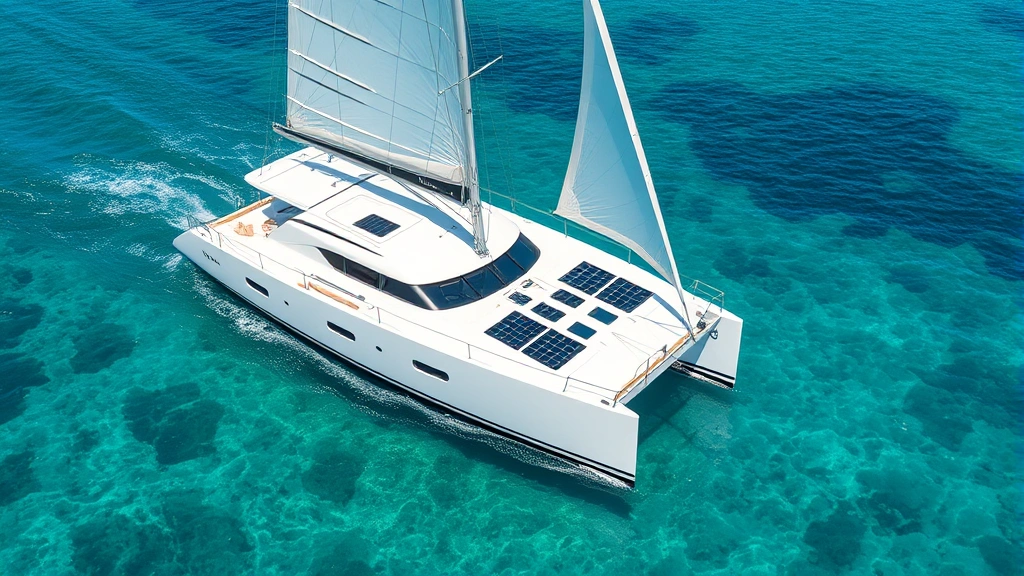
Solar-assisted propulsion integrates photovoltaic panels into boat design, providing supplementary power for auxiliary systems and battery charging. While solar panels alone cannot power most vessels, they meaningfully reduce fuel consumption and generator use, especially during extended anchoring periods. Hybrid solar-electric systems demonstrate particular promise for liveaboard boats and coastal cruisers with flexible schedules.
Best Practices for Sustainable Boating
Boat owners committed to reducing environmental impact from their vessels can implement numerous practical strategies that complement or precede switching to alternative fuel systems. Regular maintenance of boat gas tanks and fuel systems prevents leaks and ensures optimal engine efficiency. Annual inspections of tank interiors, fuel lines, and engine seals catch corrosion and deterioration before they cause environmental damage. Proper tank venting systems prevent vapor emissions during normal operation and temperature fluctuations.
Fuel management practices significantly influence environmental performance. Avoiding overfilling tanks during refueling prevents fuel overflow and vapor emissions. Using absorbent pads and proper spill containment equipment during maintenance operations prevents fuel from reaching water. Many marinas now provide spill containment kits and proper disposal facilities specifically designed for boat fuel and lubricants. Utilizing these resources demonstrates environmental responsibility and protects local marine ecosystems.
Engine operation efficiency directly correlates with emissions reduction. Maintaining appropriate idle speeds, avoiding excessive throttle application, and using proper propeller selection optimize fuel consumption. Regular engine servicing ensures fuel injectors operate correctly and combustion occurs as completely as possible. Upgrading to newer engine models with integrated emission controls reduces harmful output significantly even when using conventional fuel.
Understanding the environmental impact of boating choices empowers owners to make better decisions. Selecting smaller boats appropriate for intended activities reduces unnecessary fuel consumption compared to oversized vessels. Combining multiple trips into single outings minimizes total fuel usage and emissions. Choosing less congested boating areas reduces overall traffic and cumulative environmental stress on sensitive ecosystems.
Participating in marina sustainability programs demonstrates commitment to environmental stewardship. Many facilities now offer incentives for using electric or hybrid vessels, proper waste disposal, and participating in water quality monitoring. Joining local boating environmental organizations provides education on best practices and connects owners with like-minded individuals working toward cleaner marine recreation.
Future Technologies and Innovations
The future of marine propulsion increasingly focuses on zero-emission technologies that eliminate environmental concerns associated with conventional boat gas tanks. Hydrogen fuel cell systems represent a particularly promising development, offering the energy density advantages of fossil fuels without carbon emissions. Fuel cells generate electricity through chemical reactions between hydrogen and oxygen, producing only water as a byproduct. Several manufacturers are developing hydrogen fuel cell marine engines suitable for recreational and commercial applications, with commercial availability expected within the next 5-10 years.
Advanced battery technologies continue improving energy density and reducing costs, making electric propulsion increasingly competitive with conventional systems. Solid-state batteries promise superior performance compared to current lithium-ion technology, with potential energy densities approaching gasoline on a weight basis. These developments would fundamentally transform recreational boating by eliminating range limitations that currently restrict electric boat applicability.
Synthetic fuels produced from renewable electricity and captured carbon dioxide offer another pathway toward sustainable marine fuel. These e-fuels maintain compatibility with existing engine designs while eliminating net carbon emissions over their full lifecycle. Several marine engine manufacturers actively develop e-fuel compatible engines, positioning themselves for rapid transition as synthetic fuel production scales and costs decline.
Smart monitoring systems utilizing artificial intelligence optimize engine performance and fuel consumption in real-time. These systems analyze operating conditions and automatically adjust engine parameters to minimize emissions and fuel usage. Integration with navigation systems allows route optimization that accounts for fuel efficiency, weather conditions, and environmental sensitivity of different water bodies.
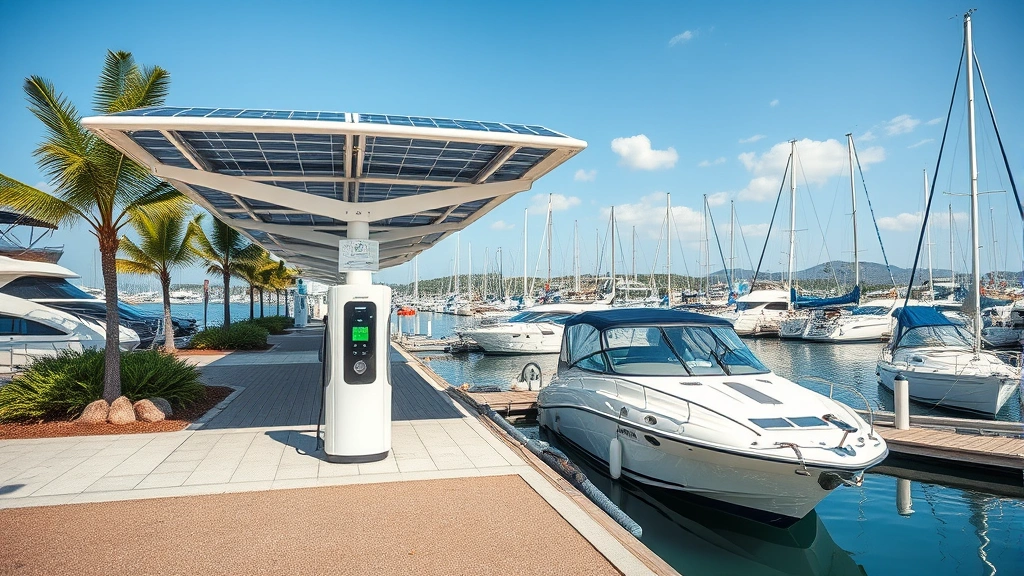
Renewable energy integration at marinas accelerates the transition toward sustainable boating infrastructure. Solar and wind-powered charging stations reduce the electricity grid impact of electric boat operations. Battery storage systems at marinas enable demand management and integration with grid-scale renewable energy systems, creating symbiotic relationships between marine recreation and clean energy development.
Industry initiatives like the Clean Marine Alliance and various certification programs encourage manufacturers to adopt cleaner technologies and help boat owners identify environmentally responsible vessels. These programs establish baseline standards and track progress toward sustainability goals, creating market incentives for continuous improvement. As consumer demand for eco-friendly boating options increases, manufacturers respond with expanded product lines and accelerated development of cleaner technologies.
FAQ
Are modern boat gas tanks better for the environment than older models?
Yes, newer boat gas tanks incorporate improved materials and designs that reduce leakage risks and vapor emissions. However, the fuel stored within remains the primary environmental concern. Modern tanks paired with newer engines featuring emission controls produce significantly fewer pollutants than older systems. The most substantial environmental improvements come from upgrading to alternative fuel systems rather than simply replacing conventional tanks.
Can I retrofit my existing boat with an electric propulsion system?
Retrofitting depends on your boat’s size, weight, and intended use. Small recreational boats often accommodate electric conversion kits, while larger vessels may require extensive modifications affecting structural integrity and weight distribution. Professional marine engineers can assess retrofit feasibility for specific vessels. Many boat owners find that purchasing a newer electric boat proves more practical than retrofitting older conventional vessels.
What’s the environmental impact of boat fuel disposal?
Improper fuel disposal contaminates soil and groundwater, with serious long-term environmental consequences. Never dispose of boat fuel in household drains or regular trash. Instead, contact local hazardous waste facilities or marina service providers who handle fuel disposal according to environmental regulations. Proper disposal prevents ecosystem damage and protects community water supplies.
How much can I reduce emissions by switching to biodiesel?
Biodiesel blends (B10-B20) reduce lifecycle carbon emissions by 10-20% compared to conventional diesel. However, marine applications present challenges including moisture absorption and corrosion in saltwater environments. Consult your engine manufacturer before using biodiesel, as warranty coverage may not apply to damage caused by incompatible fuel.
What role do I play in reducing marine pollution from boating?
Individual boat owners contribute meaningfully to environmental improvement through regular maintenance preventing leaks, proper fuel and oil disposal, efficient operation practices, and ultimately upgrading to cleaner propulsion systems. Collective action across thousands of boat owners creates measurable improvements in water quality and air pollution reduction in boating communities.
When will hydrogen fuel cell boats become commercially available?
Several manufacturers target commercial availability of hydrogen fuel cell marine engines between 2025-2030. Initial availability will likely focus on larger commercial vessels and passenger ferries before expanding to recreational markets. Hydrogen infrastructure development at ports and marinas will influence adoption rates.
Do electric boats work in saltwater environments?
Yes, modern electric marine systems incorporate corrosion-resistant materials and sealed components specifically designed for saltwater operation. However, regular maintenance and freshwater rinsing extend system lifespan. Saltwater exposure requires more frequent inspections compared to freshwater use, but reliability and durability have improved substantially with recent technological advances.
What’s the cost difference between conventional and eco-friendly boat gas systems?
Electric boats typically cost 20-40% more than comparable conventional vessels, though operating costs are substantially lower due to reduced fuel and maintenance expenses. Hybrid systems add 15-25% to purchase price while delivering 30-50% fuel savings. Over 10-15 years of typical boat ownership, total cost of ownership often favors eco-friendly systems despite higher initial investment.


