Are Buc-ee’s Gas Prices Competitive? Comprehensive Analysis Report
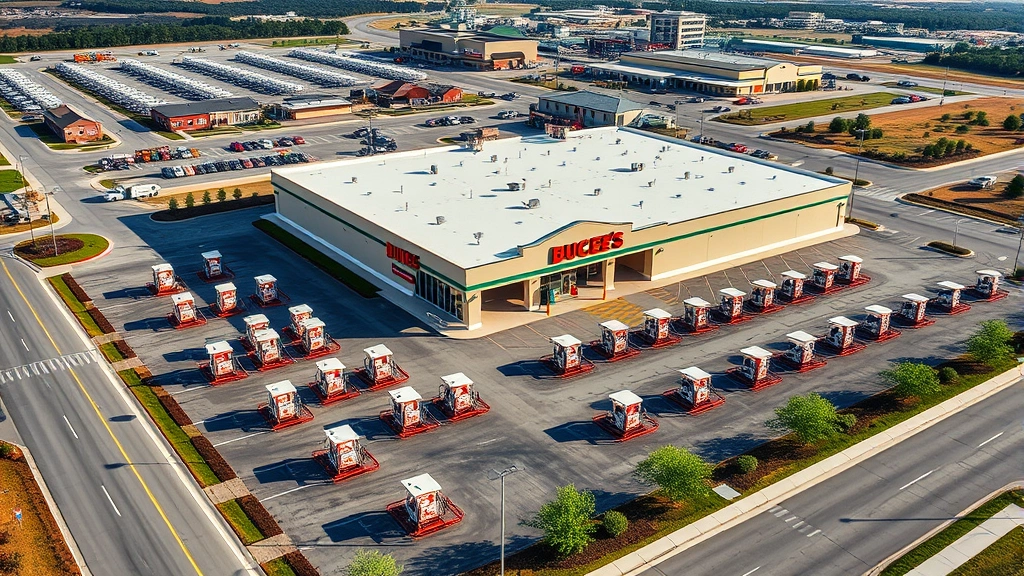
Buc-ee’s has become a household name across the United States, known for its massive convenience store locations and distinctive branding. However, beyond the iconic beaver mascot and extensive snack selection, many travelers wonder whether Buc-ee’s gas prices actually offer competitive value compared to traditional gas stations and fuel retailers. This comprehensive analysis examines pricing strategies, regional variations, and how Buc-ee’s positions itself within the broader fuel market.
Understanding fuel pricing requires looking beyond simple per-gallon costs. Buc-ee’s operates under a unique business model that integrates fuel sales with premium convenience store experiences, loyalty programs, and strategic location placement. This report evaluates whether customers genuinely save money at the pump or if the Buc-ee’s brand premium influences consumer perception of pricing competitiveness.
Buc-ee’s Pricing Strategy Overview
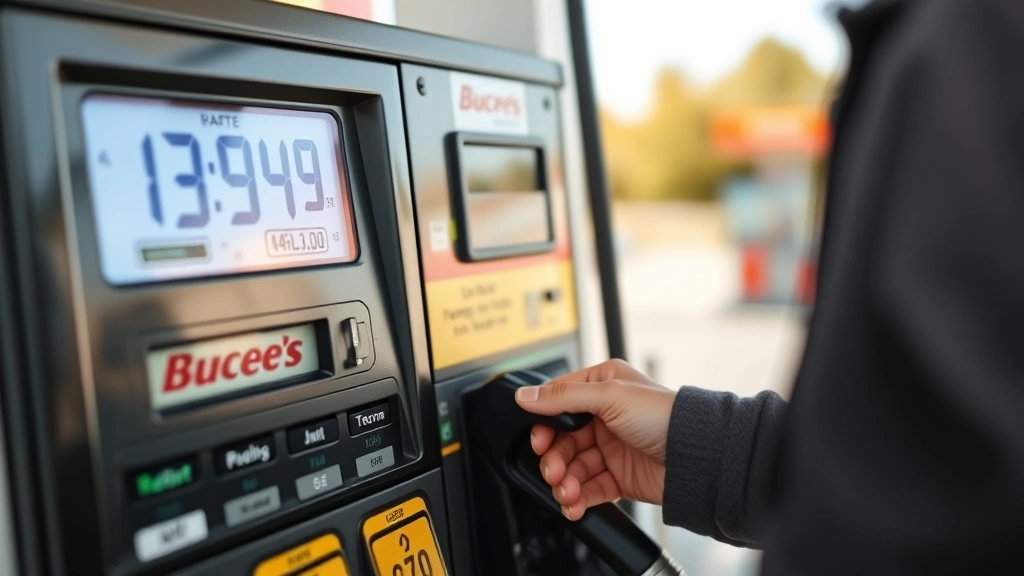
Buc-ee’s operates approximately 40+ locations primarily across Texas, with expansion into other states. The company’s gas pricing strategy reflects its premium positioning in the market. Unlike discount fuel retailers that compete solely on price, Buc-ee’s integrates fuel sales into a broader ecosystem of convenience, cleanliness, and customer service excellence.
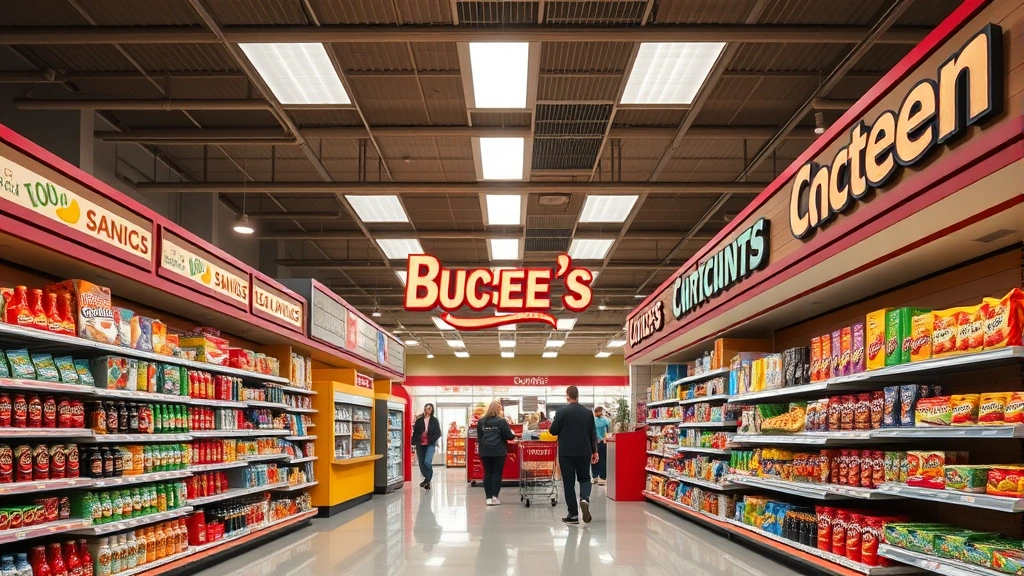
The company typically prices fuel competitively with major brands like Shell, Chevron, and Texaco within regional markets. However, Buc-ee’s fuel prices are rarely the absolute lowest available. Instead, the company positions its fuel as part of a comprehensive value proposition. When customers fill up at Buc-ee’s, they gain access to premium facilities, clean restrooms, quality food options, and a shopping experience that justifies the pricing structure.
Buc-ee’s fuel quality meets or exceeds industry standards, containing detergents and additives that protect engine components. The company sources fuel through established supply chains, ensuring consistency across locations. This quality assurance contributes to pricing that reflects higher operational standards than budget fuel stations.
The strategic placement of Buc-ee’s locations near major highways and travel corridors influences pricing dynamics. These high-traffic areas command premium real estate costs, which factor into overall operational expenses and fuel pricing. Customers often prioritize convenience and reliability over finding the absolute cheapest gallon, making this positioning profitable.
Regional Price Comparisons
Fuel pricing varies significantly by region, influenced by state taxes, transportation costs, local competition, and crude oil market fluctuations. Buc-ee’s pricing reflects these regional dynamics while maintaining brand consistency.
In Texas, where Buc-ee’s originated and maintains the highest concentration of locations, gas prices typically range within 10-15 cents per gallon of regional averages. During peak travel seasons and holiday periods, Buc-ee’s maintains relatively stable pricing compared to fluctuating competitors.
When comparing Buc-ee’s to natural gas alternatives and fuel options, consumers should consider that gasoline remains the primary offering. Buc-ee’s does not currently offer compressed natural gas (CNG) or extensive electric vehicle charging infrastructure, distinguishing its market position from facilities pursuing sustainable energy solutions.
Regional competitors include:
- Pilot Flying J: Operates thousands of locations nationwide with competitive pricing for commercial and consumer fuel
- Love’s Travel Stops: Major competitor with extensive highway presence and variable pricing strategies
- Speedway/Murphy USA: Budget-focused chains offering lower per-gallon prices in many markets
- Traditional gas stations: Shell, Chevron, ExxonMobil with premium positioning similar to Buc-ee’s
- Warehouse clubs: Costco and Sam’s Club offering member-exclusive fuel pricing
Data from the U.S. Energy Information Administration shows that retail gasoline prices reflect crude oil costs, refinery capacity, distribution expenses, and retail markups. Buc-ee’s markups typically align with convenience store industry standards while reflecting premium positioning.
Competitive Landscape Analysis
The convenience store fuel market operates on slim margins, typically 8-12 cents per gallon gross profit. Buc-ee’s competitive positioning depends on volume sales and integrated profitability rather than individual fuel transaction margins.
Comparing Buc-ee’s to warehouse club fuel requires membership considerations. Costco and Sam’s Club frequently offer 20-40 cent per gallon discounts compared to traditional retailers, but membership fees ($45-120 annually) offset savings for infrequent buyers. Buc-ee’s eliminates membership barriers, appealing to occasional travelers and impulse fuel purchasers.
The competitive advantage Buc-ee’s maintains extends beyond pricing. The company invests heavily in facility cleanliness, employee training, and customer experience metrics that competitors struggle to match. This service differentiation justifies pricing that exceeds bare-minimum fuel retailers.
Budget chains like Murphy USA compete aggressively on price but sacrifice facility quality and amenities. Travelers choosing between a 10-cent per gallon discount at a budget station versus premium experience at Buc-ee’s must weigh personal priorities.
Understanding broader definition of sustainability in fuel retail includes evaluating environmental practices, community impact, and long-term value creation—factors that influence competitive positioning beyond simple price comparison.
Loyalty Programs and Incentives
Buc-ee’s operates a loyalty program that influences effective fuel pricing for regular customers. The program rewards repeat purchases with points convertible to fuel discounts and merchandise credits.
Program benefits include:
- Points accumulation on all purchases (fuel and merchandise)
- Birthday month bonuses and promotional multipliers
- Exclusive member pricing on select items
- Digital receipt tracking and personalized offers
- Redemption flexibility across all locations
For frequent Buc-ee’s customers, loyalty program savings effectively reduce fuel costs by 5-10 cents per gallon annually. This benefit particularly appeals to regional travelers who pass through Buc-ee’s locations regularly.
The loyalty program also captures valuable customer data, enabling targeted pricing and promotional strategies. Buc-ee’s uses this information to optimize inventory, staffing, and pricing decisions across locations.
Comparing loyalty program value requires calculating lifetime benefits against participation costs. Unlike warehouse clubs requiring upfront membership fees, Buc-ee’s loyalty program enrolls customers at no charge, lowering barriers to participation.
Environmental Considerations
As a sustainability-focused analysis, evaluating Buc-ee’s gas prices requires considering environmental implications. The company’s fuel quality and service standards support vehicle efficiency, reducing emissions per mile traveled.
Buc-ee’s facilities incorporate environmental practices including:
- Energy-efficient HVAC and lighting systems
- Stormwater management and containment systems
- Waste reduction and recycling programs
- Sustainable sourcing for food offerings
- Electric vehicle charging infrastructure at select locations
The company’s expansion into electric vehicle charging represents movement toward sustainable energy solutions. While current locations primarily serve traditional fuel vehicles, strategic EV charging deployment positions Buc-ee’s for energy transition participation.
Environmental impact assessment requires considering fuel lifecycle emissions, facility operations, and transportation efficiency. Buc-ee’s centralized location strategy reduces customer drive times compared to scattered budget stations, offsetting some transportation emissions.
The EPA’s Green Vehicle Guide provides resources for evaluating fuel efficiency and emissions. Customers purchasing quality fuel at Buc-ee’s support better vehicle performance and reduced environmental impact.
Consumer Perception vs. Reality
Brand perception significantly influences how consumers evaluate Buc-ee’s gas prices. The iconic status and positive reputation create pricing expectations that may diverge from actual competitive analysis.
Survey data indicates most Buc-ee’s customers perceive fuel prices as fair or competitive, despite objective data showing prices occasionally exceed regional averages by small margins. This perception-reality gap stems from several factors:
- Experience anchoring: Customers focus on overall facility quality rather than per-gallon cost
- Convenience premium: Highway location and facility reliability command pricing tolerance
- Brand loyalty: Emotional connection to Buc-ee’s influences price acceptance
- Information asymmetry: Travelers lack real-time price comparison data while driving
- Bundled value: Fuel combines with food, merchandise, and services in customer perception
The “Buc-ee’s effect” describes how brand strength influences customer purchasing decisions independent of pure price metrics. This phenomenon allows premium pricing while maintaining customer satisfaction and loyalty.
Returning to the SustainWise Hub Blog resources provides additional perspective on evaluating value propositions beyond simple price comparison in sustainability contexts.
Future Fuel Trends
Buc-ee’s competitive positioning evolves as fuel markets transform. The company faces pressures from electric vehicle adoption, alternative fuels, and changing consumer preferences.
Strategic considerations for Buc-ee’s include:
- EV infrastructure expansion: Investing in charging networks to capture energy transition market
- Alternative fuel offerings: Potentially adding biodiesel, E85, or hydrogen fuel options
- Digital integration: Mobile payment, real-time pricing, and app-based loyalty enhancement
- Geographic expansion: Moving beyond traditional Southwest presence into underserved markets
- Sustainability positioning: Marketing environmental practices to eco-conscious consumers
Industry research from the FuelEconomy.gov database tracks how fuel quality and vehicle efficiency interact. Buc-ee’s positioning within this ecosystem depends on maintaining service quality while adapting to energy transition realities.
The Energy Information Administration’s gasoline analysis provides context for understanding long-term fuel market trends affecting retail pricing strategies.
FAQ
Are Buc-ee’s gas prices the cheapest available?
No, Buc-ee’s gas prices are typically competitive but rarely the absolute lowest. Budget chains like Murphy USA and warehouse clubs like Costco frequently offer lower per-gallon prices. However, Buc-ee’s competitive advantage lies in service quality, facility standards, and convenience rather than price leadership.
Does Buc-ee’s loyalty program provide significant savings?
The loyalty program offers modest savings through points accumulation and promotional multipliers. Regular customers may save 5-10 cents per gallon annually through program benefits. Enrollment is free, making participation worthwhile for frequent visitors.
How do Buc-ee’s prices compare to major oil brands?
Buc-ee’s pricing typically aligns with Shell, Chevron, and ExxonMobil within regional markets. All premium brands command similar pricing reflecting quality standards, convenient locations, and brand reputation.
Is Buc-ee’s fuel worth the price premium?
Value assessment depends on personal priorities. Customers prioritizing facility cleanliness, restroom quality, and shopping experience find Buc-ee’s pricing justified. Price-focused buyers should consider budget alternatives or warehouse club options.
Will Buc-ee’s expand electric vehicle charging?
Yes, select Buc-ee’s locations have begun installing EV charging infrastructure. Expansion will likely accelerate as vehicle electrification increases. This positions Buc-ee’s for future energy transition participation.
How do taxes affect Buc-ee’s gas prices?
State gasoline taxes vary significantly (ranging 14-58 cents per gallon), directly impacting retail prices. Buc-ee’s prices reflect state-specific tax obligations, explaining regional variation in per-gallon costs.


