Clarksville TN: Sustainable Water Use Tips for Responsible Living
Water is one of our most precious natural resources, and in Clarksville, Tennessee, responsible water management directly impacts both household budgets and environmental health. Whether you’re served by Clarksville Gas and Water or managing your own water systems, understanding how to reduce consumption while maintaining quality of life is essential for sustainable living. This comprehensive guide explores practical strategies tailored to Clarksville residents who want to minimize their water footprint without sacrificing comfort or convenience.
The Middle Tennessee region faces increasing pressure on water resources due to population growth and climate variability. By implementing sustainable water use practices, Clarksville households can contribute to regional water security while reducing utility costs. From simple behavioral changes to infrastructure upgrades, every gallon saved counts toward a more sustainable future for our community and the broader Cumberland River watershed that supplies much of our region’s water.
Understanding Clarksville’s Water Resources
Clarksville’s water supply comes primarily from the Cumberland River and groundwater sources managed by local utilities. The region’s water infrastructure serves over 170,000 residents, making efficient management critical for long-term sustainability. Understanding where your water comes from helps contextualize why conservation efforts matter beyond individual savings.
The EPA’s WaterSense program provides national benchmarks for water efficiency, and Clarksville residents can leverage these standards when evaluating their consumption patterns. Local water providers track usage data that reveals seasonal fluctuations—summer months typically see 40-50% higher consumption due to outdoor irrigation, presenting the greatest opportunity for conservation gains.
Tennessee’s water quality standards are regulated by the Tennessee Department of Environment and Conservation, which monitors compliance with federal Clean Water Act requirements. Residents served by Clarksville Gas and Water receive annual water quality reports detailing source water characteristics, treatment methods, and any detected contaminants. Understanding these reports helps you make informed decisions about water filtration and usage patterns.
The sustainable approach to water management begins with awareness. Most Clarksville households use approximately 300-400 gallons per person daily, including indoor and outdoor usage. The national average is similar, but conservation-conscious communities regularly reduce this to 150-200 gallons per person. This dramatic reduction is achievable through deliberate practice and strategic investments.
Indoor Water Conservation Strategies
Indoor water consumption represents the largest controllable portion of household water use, accounting for roughly 70% of total residential consumption. Bathrooms alone consume approximately 73% of indoor water, making this the primary focus for efficiency improvements. Strategic upgrades and behavioral changes in this area yield the most significant savings.
Fixture Upgrades and Maintenance
Installing low-flow fixtures is among the most effective conservation measures available to Clarksville residents. Modern low-flow showerheads reduce water consumption from 5 gallons per minute to 2 gallons per minute while maintaining adequate water pressure through aerator technology. This single upgrade can save a family of four approximately 2,900 gallons annually.
Toilet efficiency represents another major opportunity. Older toilets use 3.5-7 gallons per flush, while modern WaterSense-certified models use only 1.28 gallons. If your home contains pre-2000s toilets, replacement should be a priority. The investment typically pays for itself within 5-7 years through reduced water and sewer charges.
Faucet aerators are inexpensive upgrades—typically $5-15 per fixture—that reduce flow rates without noticeably affecting water pressure. Installing these throughout your home (kitchen, bathroom sinks, outdoor spigots) creates cumulative savings. A leaky faucet dripping once per second wastes 3,000 gallons annually, so prompt repair is essential.
Behavioral Water Conservation
Simple daily habits create substantial water savings without requiring any investment. Turning off the tap while brushing teeth saves 8 gallons daily per person. Shorter showers reduce consumption by 12.5 gallons compared to standard 8-minute showers. Waiting until you have full loads before running dishwashers and washing machines prevents waste of partially-used water cycles.
Addressing leaks promptly is critical for conservation. A small leak in supply lines can waste 10,000+ gallons annually without being visually obvious. Check for leaks by monitoring your water meter when no water is in use—if it changes, you likely have a hidden leak requiring professional attention.
Installing a water-efficient greywater system allows reuse of water from showers and sinks for toilet flushing or outdoor irrigation. While initial installation requires professional help, the long-term water savings justify the investment for sustainability-focused households.
Outdoor Water Management
Outdoor water use spikes dramatically during Clarksville’s warm months (May-September), when irrigation can account for 50% of total household consumption. Strategic landscape management and smart irrigation practices prevent wasteful runoff while maintaining attractive outdoor spaces.
Landscape Design and Plant Selection
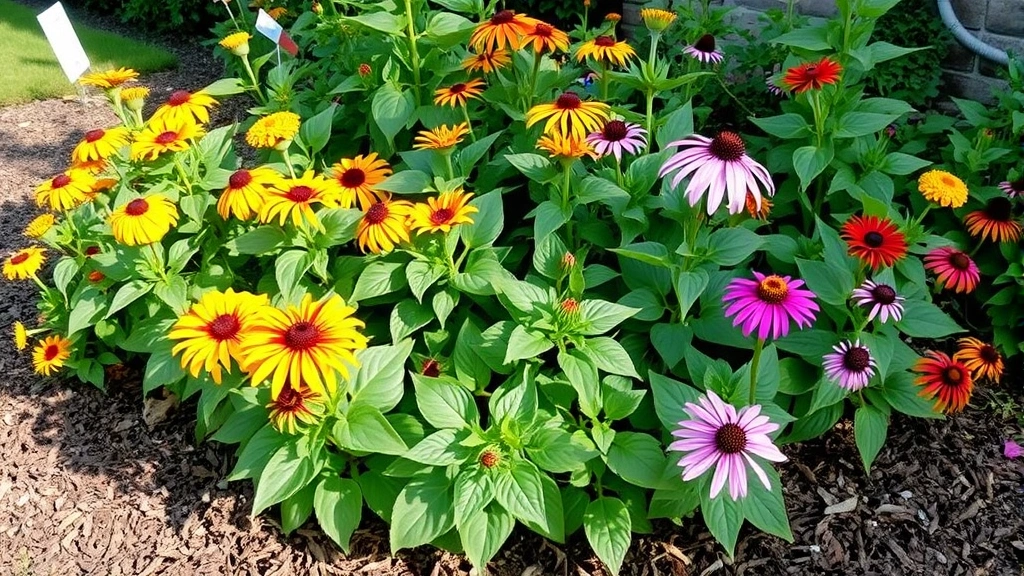
Native plants adapted to Tennessee’s climate require significantly less supplemental water than ornamental species originating from wetter regions. The Tennessee Native Plant Society recommends species including black-eyed Susans, coneflowers, and native grasses that thrive with natural precipitation patterns. Replacing water-intensive lawns with native plantings, hardscaping, or xeriscaping reduces irrigation needs by 50-75%.
Mulching around plants conserves soil moisture by reducing evaporation and regulating soil temperature. Applying 2-3 inches of organic mulch around trees and shrubs can reduce watering frequency by 50%. This practice also improves soil health by adding organic matter as mulch decomposes.
Grouping plants by water needs (hydrozoning) prevents over-watering of drought-tolerant species. Keep high-water-demand plants near water sources and shade areas where evaporation rates are lower. This strategic approach allows efficient irrigation without wasting water on plants that need less.
Irrigation System Optimization
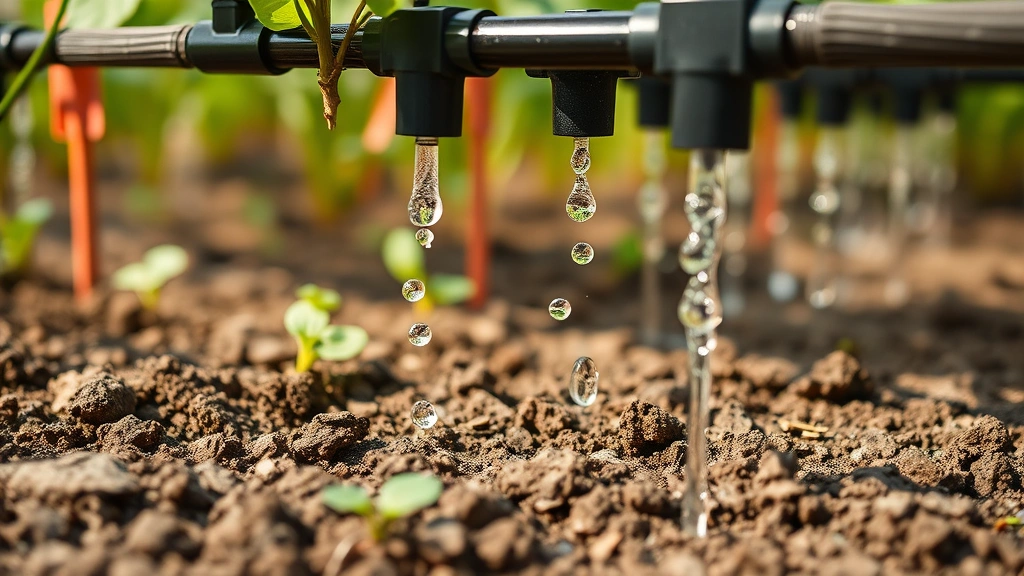
Drip irrigation systems deliver water directly to plant root zones, reducing evaporation losses to just 5% compared to 30% for traditional sprinkler systems. Converting from overhead sprinklers to drip lines around garden beds and trees represents one of the highest-impact outdoor conservation investments.
Smart irrigation controllers use weather data and soil moisture sensors to adjust watering schedules automatically. These systems prevent over-watering during rainy periods and adjust frequency based on seasonal temperature changes. Clarksville residents with variable spring and fall weather patterns benefit significantly from this automation.
Timing irrigation for early morning (4-6 AM) or evening (8-10 PM) minimizes evaporation losses. Watering during peak heat hours wastes 30% of applied water to evaporation before plants can utilize it. Most smart controllers can be programmed for optimal timing automatically.
Smart Technology Solutions
Modern technology enables water conservation through real-time monitoring, automated systems, and data-driven insights. Clarksville residents increasingly adopt these tools to optimize household water use while reducing environmental impact.
Water Monitoring Systems
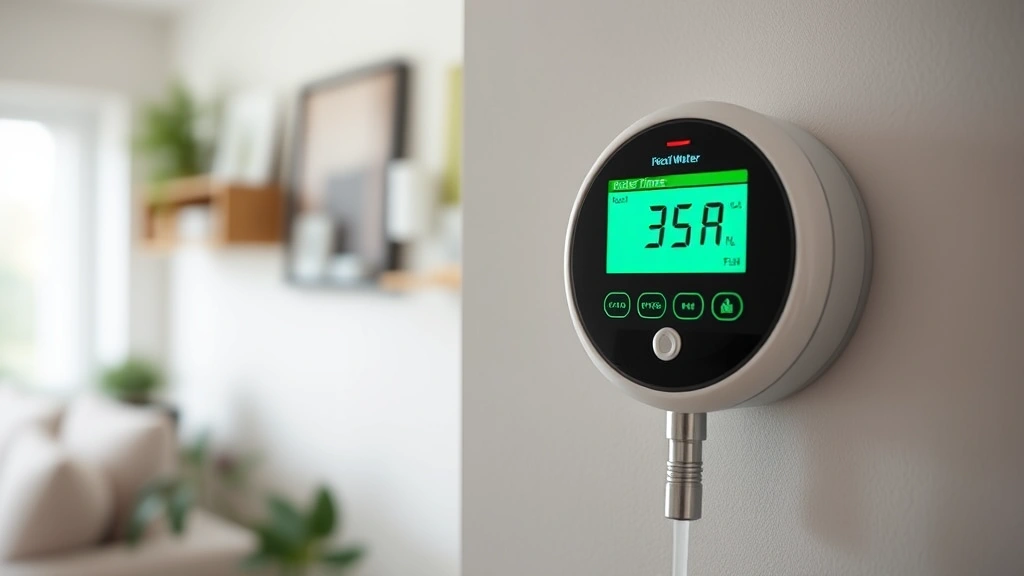
Smart water meters provide household-level consumption data accessible via smartphone apps. These systems identify consumption patterns and alert users to unusual usage indicating potential leaks. Real-time feedback helps residents understand how daily behaviors affect water consumption, motivating conservation efforts.
Advanced metering infrastructure (AMI) deployed by progressive utilities allows remote meter reading and consumption tracking. Clarksville residents should contact their local water provider about participating in pilot programs offering detailed consumption data. Understanding your water use patterns is the first step toward meaningful reduction.
Leak detection devices installed on main water lines automatically shut off water supply when rapid flow indicating leaks is detected. These systems prevent catastrophic water loss from burst pipes and hidden leaks, protecting both water resources and property.
Smart Appliances and Fixtures
ENERGY STAR certified washing machines use 40% less water than standard models while improving cleaning performance. Modern dishwashers similarly use 3-5 gallons per cycle compared to 27 gallons for hand washing. Upgrading aging appliances pays dividends in both water and energy conservation.
Smart showerheads adjust flow rates based on water temperature, reducing waste during warm-up periods. Touchless faucets eliminate the water waste of running taps while soaping hands. These incremental efficiency gains compound across a household to create significant annual savings.
Greywater recycling systems integrated with smart home platforms automatically direct water from showers and sinks to toilet tanks or landscape irrigation. These systems reduce freshwater consumption while supporting landscape irrigation during dry periods.
Community Programs and Resources
Clarksville’s local government and utility providers offer programs supporting sustainable water use. Engaging with these resources multiplies your conservation impact while connecting with community sustainability efforts.
Utility Assistance and Rebates
Clarksville Gas and Water often provides rebates for fixture upgrades and landscape conversions. Residents should contact their local water provider to inquire about available incentive programs. Many utilities offer $50-300 rebates for toilet replacement, fixture upgrades, or smart irrigation controller installation.
The Tennessee Department of Environment and Conservation administers water conservation grant programs available to municipalities and qualified residents. These programs fund water efficiency infrastructure improvements and community education initiatives.
Water audit services provided by some utilities identify conservation opportunities specific to your home. Professional auditors assess fixtures, identify leaks, and recommend improvements tailored to your household’s usage patterns. Many audits are free or low-cost, providing valuable guidance for conservation investments.
Community Engagement and Education
Local conservation organizations host workshops on sustainable landscaping, water-efficient gardening, and home water audits. Participating in these programs connects you with sustainability-minded neighbors while gaining practical knowledge. Check Clarksville Parks and Recreation or local environmental groups for upcoming sessions.
School-based water conservation programs engage younger generations in sustainability practices. If you have children, encourage their participation in water awareness campaigns that build lifelong conservation habits. Educational initiatives create cultural shifts toward resource stewardship.
Community gardens and native plant demonstrations showcase sustainable landscaping practices. Visiting these installations provides inspiration and practical examples of water-efficient design applicable to residential properties.
Long-Term Sustainability Planning
Sustainable water use represents a long-term commitment requiring periodic assessment and adaptation. Developing a personal sustainability plan ensures continuous improvement toward your conservation goals.
Creating Your Water Conservation Plan
Begin by establishing a baseline of current water consumption using utility bills. Track usage over 12 months to understand seasonal patterns and identify peak consumption periods. This data reveals where conservation efforts will have greatest impact.
Set realistic reduction targets—aiming for 20% reduction in year one is achievable for most households through behavioral changes and basic upgrades. Subsequent years can focus on more substantial investments in technology and infrastructure improvements.
Prioritize conservation investments based on payback periods and environmental impact. Fixture replacement typically offers 5-7 year payback with significant water savings. Landscape conversion requires longer-term thinking but delivers sustained benefits indefinitely.
Integration with Broader Sustainability Efforts
Water conservation complements other sustainability practices including efficient natural gas use and adoption of electric vehicles. Integrated sustainability approaches create synergistic benefits—for example, water heating efficiency improvements reduce both water and energy consumption.
Exploring green technology innovations reveals emerging solutions applicable to household water management. Renewable energy systems powering water pumps and treatment systems represent frontier sustainability opportunities.
Connecting with the broader sustainability conversation through educational resources deepens understanding of how individual actions contribute to regional and global water security. This perspective motivates sustained commitment to conservation practices.
Monitoring Progress and Adjusting Strategies
Review water consumption quarterly to assess conservation strategy effectiveness. Compare consumption to previous years and seasonal baselines to evaluate progress toward reduction targets. Celebrate achievements while identifying areas for continued improvement.
Utility bills provide detailed consumption data revealing which periods have highest usage. Analyzing these patterns helps refine conservation strategies—for example, if summer usage spikes dramatically, focus outdoor water management improvements. If winter consumption is elevated, investigate indoor leaks or inefficient fixtures.
Adapting strategies based on results keeps conservation efforts aligned with household needs and environmental conditions. What works in dry years may need adjustment during wet periods. Flexibility ensures sustainable practices remain effective across varying circumstances.
FAQ
What is the average water bill for Clarksville TN residents?
Average Clarksville water bills range from $40-80 monthly for typical households using 300-400 gallons daily. Conservation-focused households implementing the strategies outlined in this guide regularly achieve 25-40% reductions, translating to $100-300 annual savings. Actual costs vary based on usage tier pricing and whether sewer charges are included.
How can I detect hidden water leaks in my home?
Turn off all water-using appliances and check your water meter. If the meter continues advancing, you have a leak. Check visible pipes under sinks and around water heater for moisture. For hidden leaks in walls or underground lines, professional leak detection services use acoustic equipment to pinpoint problems without invasive inspection.
Are low-flow fixtures adequate for family showers and cleaning?
Yes, modern low-flow fixtures maintain adequate pressure while reducing consumption. Aerator technology creates water droplet patterns that feel full despite lower flow rates. Most users adjust to low-flow fixtures within days and report satisfaction with performance. Pressure-compensating designs ensure consistent performance even with varying water pressure.
What native plants thrive in Clarksville’s climate?
Tennessee native plants suited to Clarksville include black-eyed Susans, purple coneflowers, native ornamental grasses, serviceberry shrubs, and redbud trees. These species require minimal supplemental water once established and provide habitat for native wildlife. Local nurseries increasingly stock native plants; contact the Tennessee Native Plant Society for specific recommendations.
Can greywater systems reduce water bills significantly?
Greywater systems can reduce freshwater consumption by 30-50% depending on system design and household size. Installation costs ($1,500-4,000) are substantial, but water savings accumulate over 10-15 years. Some Clarksville residents qualify for rebates reducing net investment costs. Consult local plumbers experienced with greywater installation for feasibility assessment.
How often should I maintain my irrigation system?
Inspect irrigation systems monthly during growing season for broken emitters, clogged drip lines, or misaligned sprinkler heads. Service systems annually before spring startup to clean filters and check system pressure. Smart controllers should have battery backups replaced annually and software updated seasonally to reflect changing weather patterns.


