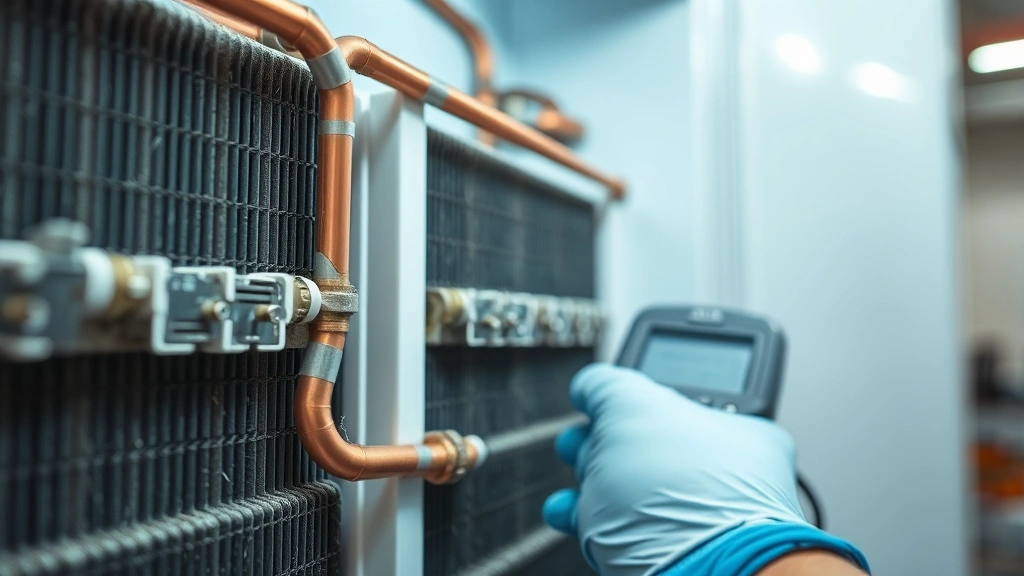
Fridge Gas Leak? Expert Repair Tips and Safety Guide
A refrigerant leak in your refrigerator is more than just an inconvenience—it’s a safety concern that demands immediate attention. Whether you’re dealing with a modern frost-free model or an older unit, understanding how to detect and address refrigerant leaks is essential for protecting your home, your family, and the environment. Refrigerators rely on specialized gases to maintain their cooling cycle, and when these systems fail, the consequences can range from spoiled food to potential health hazards.
This comprehensive guide will walk you through the warning signs of a refrigerant leak, practical detection methods, and when to call a professional technician. We’ll also explore the environmental implications of refrigerant gases and how proper maintenance can prevent costly repairs down the line. Whether you’re experiencing reduced cooling performance or suspect a leak, this article provides actionable insights to help you address the problem safely and responsibly.
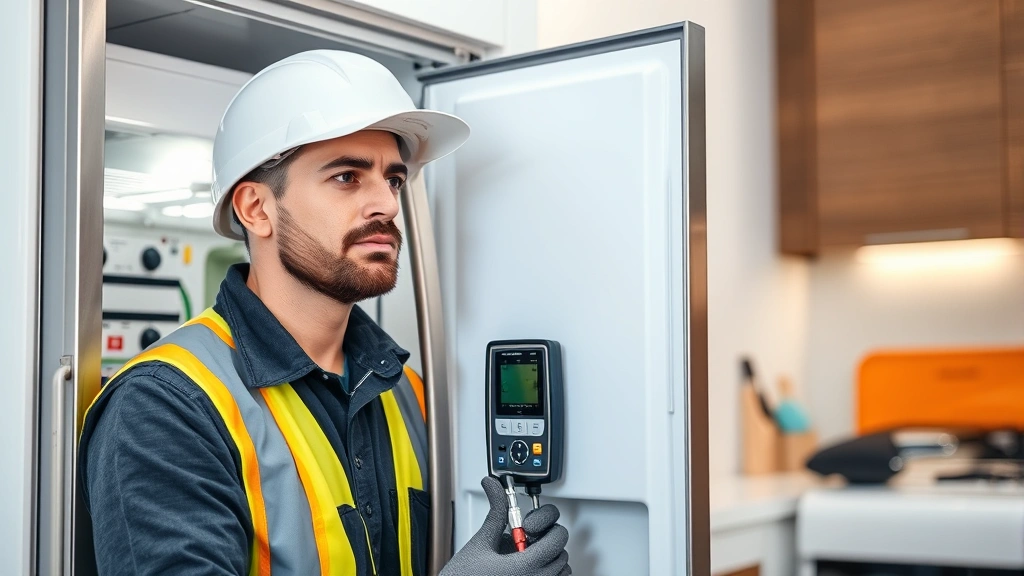
Understanding Refrigerant Systems in Modern Refrigerators
Your refrigerator operates through a closed-loop refrigeration cycle that depends on pressurized refrigerant gas to absorb and release heat. The system includes a compressor, condenser coils, expansion valve, and evaporator coils working in harmony to maintain temperatures between 35-38°F (1.7-3.3°C). Most modern refrigerators use HFC-134a or the newer HFO-1234yf refrigerants, which are more environmentally friendly alternatives to older CFC refrigerants that damaged the ozone layer.
The refrigerant circulates continuously through copper tubing and aluminum components, changing states from liquid to gas as it absorbs and releases thermal energy. When this sealed system develops even microscopic cracks or connection points fail, refrigerant gas escapes into the atmosphere. Understanding this system helps you recognize when something goes wrong. The advantages of natural gas in industrial applications sometimes parallel refrigeration efficiency discussions, though residential refrigerators use specialized coolants rather than natural gas.
Common locations for leaks include connection points where tubes meet components, the evaporator coils (especially in frost-free models where ice buildup can cause stress), and the condenser coils on the back or bottom of the unit. Vibration, thermal expansion and contraction cycles, and age-related wear all contribute to system degradation over time.
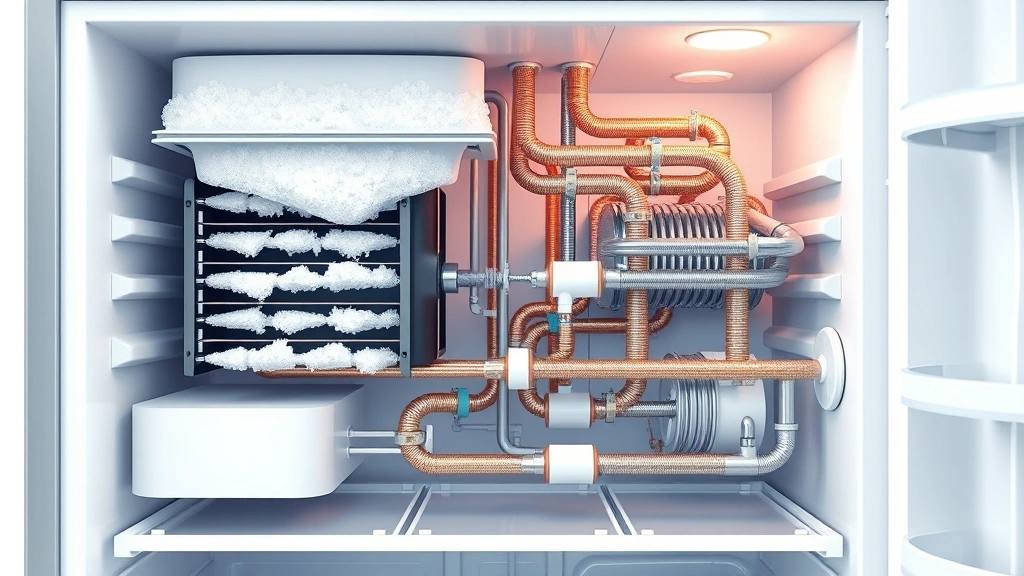
Warning Signs Your Fridge Has a Refrigerant Leak
Recognizing the symptoms of a refrigerant leak early can prevent food spoilage and more expensive repairs. Here are the primary warning signs to watch for:
- Reduced Cooling Performance: Your fridge no longer maintains proper temperature, and food spoils faster than usual. The freezer compartment may feel warmer than normal, or items in the back don’t freeze solid.
- Unusual Hissing or Bubbling Sounds: A hissing noise from the back or underneath the unit often indicates escaping refrigerant. Some people describe it as a gentle whooshing sound that comes and goes.
- Visible Ice Buildup: In frost-free models, reduced refrigerant circulation can cause uneven cooling and excessive ice accumulation on evaporator coils, which sometimes leaks water into the bottom of the fridge.
- Oily Residue: Refrigerant often carries compressor oil, so you might notice greasy spots on the back coils or underneath the unit where the leak occurs.
- Increased Energy Bills: A struggling compressor works harder to compensate for lost refrigerant, consuming significantly more electricity.
- Food Not Freezing Properly: Items in the freezer section remain soft or don’t freeze completely, indicating insufficient refrigerant circulation.
These symptoms typically develop gradually over weeks or months as the refrigerant slowly escapes. However, a sudden catastrophic leak can produce immediate cooling loss and audible sounds.
Step-by-Step Detection Methods
Before calling a technician, you can perform several diagnostic checks to confirm whether your refrigerator has a refrigerant leak. Note that actually repairing the system requires professional certification, but identifying the problem helps you make informed decisions.
Visual Inspection Method: Unplug your refrigerator and carefully examine all visible areas, particularly connection points where copper tubes meet components. Look for oily residue, frost accumulation in unusual patterns, or visible cracks. Use a flashlight to inspect the back panel and underneath the unit. Pay special attention to the condenser coils and any solder joints.
Listen for Telltale Sounds: With the fridge plugged in and running, listen carefully near the back and bottom for hissing, bubbling, or crackling noises. These sounds often indicate active refrigerant escape. A normal refrigerator produces a quiet humming from the compressor, so any additional sounds warrant investigation.
Temperature Monitoring: Place a thermometer in the freezer compartment and monitor temperature readings over several hours. A functioning freezer should maintain -0°F (-17.8°C) or below. If temperatures climb above 10°F (-12.2°C) despite the compressor running, refrigerant loss is likely.
Compressor Behavior Analysis: The compressor should cycle on and off periodically throughout the day. If it runs continuously without reaching proper temperatures, the refrigerant system is compromised. Modern units often have diagnostic codes that technicians can read with specialized equipment.
Professional Leak Detection: Technicians use specialized equipment including electronic leak detectors that sense refrigerant particles in the air, UV dye systems that highlight leak locations under special lighting, and soap bubble solutions applied to suspected areas. These methods are far more accurate than DIY approaches.
Professional Repair vs DIY Solutions
Understanding the limitations and regulations surrounding refrigerant work is crucial for making the right decision about repairs. The sustainable energy solutions perspective emphasizes proper handling of refrigeration systems to prevent environmental contamination.
Why Professional Service is Essential: In most jurisdictions, only EPA-certified technicians can legally handle refrigerants. This requirement exists because improper handling releases ozone-depleting substances and potent greenhouse gases into the atmosphere. Technicians must be certified under the EPA’s Section 608 program, demonstrating competency in safe refrigerant handling.
What Professional Repairs Include: A certified technician will use electronic leak detection to pinpoint the exact failure location, recover remaining refrigerant using specialized equipment (preventing environmental release), repair or replace the failed component, evacuate the system to remove moisture and air, and recharge with the correct refrigerant type and amount. This process typically costs $200-$600 depending on the leak severity and component replacement needs.
DIY Limitations: While you cannot legally add refrigerant yourself or repair the sealed system, you can perform preventive maintenance. This includes keeping condenser coils clean (gently vacuuming the back panel monthly), ensuring proper ventilation around the unit, checking door seals for gaps, and maintaining consistent internal organization to promote proper airflow.
When Replacement Makes Sense: If your refrigerator is over 10-15 years old and requires significant refrigerant work, replacement often proves more economical than repair. Older models use less efficient refrigerants, and repair costs can approach 50% of a new unit’s price. Modern refrigerators with improved insulation and compressor efficiency can reduce your energy consumption by 40% compared to older models.
Environmental Impact and Proper Disposal
Refrigerant gases represent a significant environmental concern, making proper handling absolutely critical. Understanding the stakes helps explain why regulations exist and why professional service matters.
Ozone Depletion and Climate Change: Older CFC and HCFC refrigerants (R-12, R-502) contained chlorine that destroyed stratospheric ozone when released. Although these have been phased out, some units still contain them. Modern HFC refrigerants (R-134a) don’t harm ozone but are potent greenhouse gases with global warming potential 1,300 times greater than carbon dioxide. The newer HFO refrigerants (R-1234yf, R-1234ze) have minimal climate impact, representing the industry’s evolution toward sustainability.
Proper Refrigerant Recovery: When technicians service your refrigerator, they must recover all refrigerant using specialized equipment that prevents atmospheric release. This recovered refrigerant can be recycled, reclaimed, or properly destroyed. Releasing refrigerant into the air is illegal under the Clean Air Act and carries substantial fines—up to $37,500 per violation for individuals.
Responsible Disposal: Never attempt to dispose of a refrigerator by simply discarding it. Environmental regulations require that appliances be processed through certified recyclers who safely extract and handle refrigerants before recycling metal and plastic components. The EPA’s Section 608 program provides detailed guidance on proper refrigerant handling and disposal requirements.
Your Role in Environmental Protection: By ensuring your refrigerator is serviced only by certified technicians and properly recycled when its life ends, you prevent thousands of pounds of greenhouse gas equivalent from entering the atmosphere. Consider this part of your broader green technology innovations commitment to reducing your environmental footprint.
Preventive Maintenance Strategies
Proactive care significantly extends your refrigerator’s lifespan and reduces the likelihood of refrigerant leaks developing. These maintenance tasks are straightforward and require minimal tools.
Monthly Condenser Coil Cleaning: Dust and debris accumulate on the condenser coils (typically located on the back or underneath your fridge), forcing the compressor to work harder and increasing system stress. Unplug the unit, locate the coils, and gently vacuum them with a brush attachment. For stubborn buildup, use a coil cleaning brush designed for this purpose. This single task can improve efficiency by 10-15% and reduce wear on refrigerant system components.
Door Seal Inspection: Compromised door seals force your compressor to work continuously, stressing the refrigerant system. Check seals monthly for cracks, gaps, or deterioration. Run a dollar bill around the seal—it should resist being pulled out easily. Replace seals if they fail this test. Proper seals reduce compressor cycling and system stress.
Proper Ventilation: Ensure at least 2-3 inches of clearance around your refrigerator, especially on the back and sides. Restricted airflow causes condenser coils to overheat, accelerating component degradation. Avoid pushing your fridge flush against walls or cabinets. If space is limited, consider a compact model designed for tight quarters.
Temperature Setting Optimization: Set your refrigerator to 37°F (2.8°C) and freezer to 0°F (-17.8°C). Colder settings force the compressor to work harder, increasing system stress. These temperatures safely preserve food while minimizing energy consumption and component wear.
Regular Professional Inspection: Include refrigerator inspection during annual HVAC maintenance appointments. Many technicians can perform basic diagnostics and identify potential issues before they become expensive problems. This costs $50-$100 but can prevent $500+ repairs.
Cost Analysis and Budget Planning
Understanding the financial implications of different repair and replacement scenarios helps you make informed decisions aligned with your budget and sustainability goals.
Repair Cost Breakdown: Service call fees typically range from $100-$200, with actual repairs costing $200-$600 depending on the leak location and component replacement needs. A simple evaporator coil replacement might cost $300-$400, while a compressor failure requiring replacement runs $400-$800 plus labor. Compared to new refrigerator prices ($600-$2,500), repairs on relatively young units often make financial sense.
Replacement vs. Repair Decision Matrix: Calculate the repair cost and compare it to 50% of a new refrigerator’s price. If repair costs exceed this threshold, replacement is typically more economical. Additionally, consider the unit’s age—refrigerators older than 12 years may develop additional issues within 2-3 years, making replacement a better long-term investment.
Energy Efficiency Considerations: New ENERGY STAR certified refrigerators use 40% less energy than models from 15 years ago. If your current unit requires expensive repairs and dates from before 2010, the energy savings from a new model can offset replacement costs within 3-5 years. Calculate your annual energy cost difference to make this determination.
Financing Options: Many retailers offer 0% financing on appliance purchases for 12-24 months, making replacement more affordable. Some utility companies provide rebates for upgrading to ENERGY STAR models, further reducing net costs. Check with your local utility for available programs.
Sustainability ROI: While new appliances require manufacturing resources, the energy savings from modern efficient models often provide a better environmental outcome than repairing aging units that will fail again within a few years. This analysis balances immediate environmental costs of manufacturing against long-term operational efficiency gains.
Frequently Asked Questions
Can I add refrigerant to my leaking fridge myself?
No, and doing so is illegal. Only EPA-certified technicians can legally handle refrigerants. Adding refrigerant without fixing the underlying leak simply delays the problem while you unknowingly violate environmental laws. Professional service ensures the leak is actually repaired and all refrigerant is properly recovered.
How long does a refrigerant repair typically take?
Most repairs require 1-3 hours, depending on leak location and component accessibility. The technician must locate the leak, recover remaining refrigerant, repair or replace the failed component, evacuate the system, and recharge with the correct refrigerant type and amount. Some complex repairs may require an additional visit.
Will my food spoil if my fridge stops cooling suddenly?
A sudden complete cooling failure will spoil food within 2-4 hours, depending on room temperature and how often the door is opened. If you suspect a major leak, consume perishables quickly and consider temporary food storage in a cooler with ice. However, gradual cooling loss gives you time to schedule professional service before significant spoilage occurs.
Are newer refrigerants safer for the environment?
Yes, significantly. Modern HFO refrigerants like R-1234yf have global warming potential thousands of times lower than older HFC refrigerants and zero ozone depletion potential. When purchasing a new refrigerator, specifically look for models using these newer, more sustainable refrigerants. This supports industry movement toward genuinely climate-friendly cooling technology.
What should I do if I smell something unusual coming from my fridge?
Most refrigerant leaks don’t produce noticeable odors, but an oily smell or chemical odor might indicate a problem. Unplug the refrigerator immediately and call a technician. Don’t attempt to identify the exact smell yourself—let professionals diagnose the issue. The gas vs electric water heater comparison discusses similar safety considerations for appliances using pressurized systems.
How can I find an EPA-certified technician in my area?
Contact local HVAC and appliance repair companies and verify their EPA Section 608 certification. Ask to see their credentials before hiring. You can also check the EPA’s directory of certified technicians or contact your local environmental agency for referrals.
Can a refrigerator leak affect my health?
Modern refrigerants aren’t toxic at household exposure levels, but escaping refrigerant can displace oxygen in poorly ventilated spaces, potentially causing dizziness or headaches. More concerning is the environmental impact of atmospheric release. Never ignore unusual sounds or smells—have a technician inspect the system promptly.
What’s the difference between a slow leak and a catastrophic leak?
A slow leak develops over weeks or months, gradually reducing cooling performance while you have time to schedule service. A catastrophic leak—typically from a ruptured tube—causes immediate cooling loss and audible hissing sounds. Either way, professional service is necessary, but slow leaks give you more flexibility in scheduling.


