Corning Gas: Is It Sustainable? Analyst Insights
Corning Gas represents a significant player in the energy sector, but questions about its sustainability credentials continue to surface among investors, environmentalists, and consumers. As global energy demands shift toward cleaner alternatives, understanding whether Corning Gas operations align with sustainability principles requires careful analysis of their environmental practices, carbon footprint, and commitment to renewable energy transitions.
This comprehensive analysis examines Corning Gas’s current sustainability initiatives, environmental impact, and future trajectory in an increasingly climate-conscious market. We’ll explore what industry experts say about the company’s green credentials and whether their operations meet modern environmental standards.
Understanding Corning Gas Operations
Corning Gas operates within the natural gas industry, providing energy solutions to residential, commercial, and industrial customers. To evaluate their sustainability profile, we must first understand their operational scope and market position. The company’s infrastructure includes pipeline networks, distribution systems, and customer service operations that serve communities across multiple regions.
Natural gas itself occupies a unique position in energy discussions. While it produces fewer greenhouse gas emissions than coal or oil when burned, it remains a fossil fuel with inherent carbon implications. The advantages of natural gas include its lower carbon intensity compared to other fossil fuels, but this doesn’t automatically qualify it as sustainable in the long-term environmental sense.
Corning Gas’s sustainability assessment requires examining their entire value chain—from resource extraction and processing through distribution to end-user consumption. Each stage presents opportunities for environmental responsibility or sources of concern.
Environmental Impact Assessment
The environmental footprint of any gas utility extends beyond direct combustion emissions. Methane leakage throughout the supply chain represents a critical concern. Methane has a global warming potential approximately 25-28 times greater than carbon dioxide over a 100-year period, making leak prevention essential.
Corning Gas’s infrastructure maintenance practices directly influence environmental performance. Regular pipeline inspections, leak detection programs, and prompt repair protocols all contribute to minimizing fugitive emissions. Industry analysts examine whether companies invest adequately in these preventative measures or prioritize cost reduction over environmental responsibility.
Additional environmental considerations include:
- Water usage in extraction and processing operations
- Land disturbance from pipeline installation and maintenance
- Air quality impacts beyond carbon emissions
- Waste management from operational activities
- Habitat disruption along pipeline corridors
Independent environmental assessments and regulatory compliance records provide concrete data about Corning Gas’s actual environmental performance versus stated commitments.

Sustainability Initiatives and Commitments
Modern energy companies increasingly adopt sustainability frameworks to address environmental concerns and meet stakeholder expectations. Corning Gas’s specific initiatives warrant scrutiny to determine whether they represent genuine progress or strategic greenwashing.
Legitimate sustainability commitments typically include:
- Documented carbon reduction targets with specific timelines
- Investment in pipeline modernization to reduce leakage rates
- Support for renewable energy integration within service territories
- Transparency in environmental reporting and third-party verification
- Community engagement on climate and sustainability issues
Analysts evaluate whether Corning Gas’s stated commitments align with their actual capital expenditures and operational decisions. Companies sometimes announce ambitious sustainability goals while allocating minimal resources toward implementation, creating a credibility gap.
The company’s participation in industry sustainability programs, adoption of best practices, and engagement with EPA standards and regulations all factor into comprehensive sustainability assessment.
Comparison with Renewable Energy
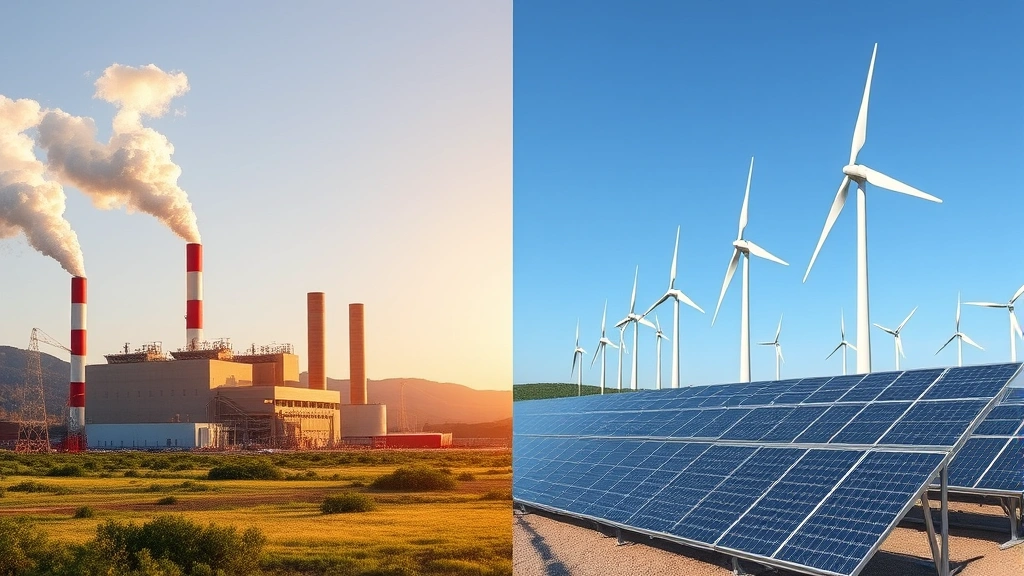
To properly contextualize Corning Gas’s sustainability profile, comparison with sustainable energy solutions provides necessary perspective. Renewable energy sources—solar, wind, hydroelectric, and geothermal—produce electricity with minimal ongoing environmental impact once infrastructure is installed.
Natural gas, by contrast, requires continuous resource extraction and carries inherent combustion emissions. This fundamental difference means that even the most sustainably-operated gas utility cannot match the environmental profile of renewable energy sources.
However, natural gas does serve important transition functions:
- Providing reliable baseload power when renewables are unavailable
- Enabling faster emissions reductions compared to coal-dependent systems
- Supporting grid stability during renewable energy integration
- Offering lower-carbon heating solutions in regions without alternative infrastructure
The key question for Corning Gas becomes whether the company actively facilitates transition toward renewable energy or resists this inevitable shift. Companies that invest in renewable energy development, support electrification initiatives, and plan for declining fossil fuel demand demonstrate genuine sustainability orientation.
Methane Emissions and Climate Concerns
Methane leakage represents the most significant environmental concern specific to natural gas operations. Even small percentage losses throughout distribution systems accumulate into substantial climate impacts. The climate science community emphasizes that addressing methane emissions offers one of the fastest pathways to reducing near-term climate warming.
Corning Gas’s methane management practices deserve particular attention:
Leak Detection Technology: Modern utilities employ advanced detection systems including infrared cameras, acoustic monitoring, and satellite-based methane sensors. Investment in these technologies indicates environmental commitment.
Repair Response Times: How quickly does Corning Gas address identified leaks? Faster response reduces cumulative emissions.
Pipeline Replacement Programs: Older infrastructure leaks more frequently. Companies modernizing aging pipelines demonstrate long-term environmental responsibility.
Regulatory Compliance: Does Corning Gas exceed minimum regulatory requirements or merely meet them?
Transparency about methane emissions data allows stakeholders to assess actual performance. Companies publishing detailed emissions inventories and third-party verified reports demonstrate accountability.
Analyst Perspectives on Sustainability
Energy sector analysts offer valuable insights into Corning Gas’s sustainability trajectory. Expert opinions typically consider multiple factors:
Financial Viability: Sustainable business models must remain financially healthy. Analysts assess whether Corning Gas’s sustainability initiatives enhance or undermine long-term profitability and investor returns.
Regulatory Environment: Tightening environmental regulations increasingly pressure fossil fuel companies to improve practices. Analysts evaluate whether Corning Gas proactively adapts or reactively responds to regulatory changes.
Market Dynamics: Shifting consumer preferences toward cleaner energy sources create both challenges and opportunities. Forward-thinking analysts examine how Corning Gas positions itself within evolving energy markets.
Investor Expectations: ESG (Environmental, Social, Governance) investing continues growing, with major institutional investors demanding sustainability performance. Corning Gas’s ability to satisfy these expectations affects access to capital.
Leading sustainability-focused investment firms publish detailed analyses examining whether energy companies like Corning Gas warrant investment based on environmental criteria. These reports provide rigorous, evidence-based assessments beyond corporate marketing materials.
The consensus among serious analysts acknowledges that while natural gas utilities can implement meaningful environmental improvements, their fundamental business model—extracting and selling fossil fuels—conflicts with long-term climate sustainability. This reality doesn’t mean dismissing all gas company investments, but rather recognizing limitations and demanding maximum environmental responsibility.
Future Outlook and Transition Plans
Corning Gas’s sustainability trajectory depends significantly on how the company adapts to inevitable energy market transformation. Green technology innovations transforming our future create both disruption risks and opportunity for forward-thinking energy companies.
Progressive natural gas utilities are exploring several transition strategies:
Renewable Gas Development: Some companies invest in biogas, hydrogen, and synthetic natural gas produced from renewable sources. These alternatives allow continued use of existing infrastructure while reducing carbon intensity.
Electrification Support: Rather than resisting advantages of electric vehicles and electric heating systems, forward-thinking utilities support electrification while managing workforce transitions.
Distributed Energy Resources: Integrating solar, battery storage, and smart grid technology within service territories positions utilities as comprehensive energy providers rather than fossil fuel monopolies.
Energy Efficiency Programs: Investing in building efficiency, industrial process improvements, and customer conservation reduces overall energy demand while maintaining utility relevance.
Carbon Capture and Storage: Some companies explore capturing emissions from natural gas operations or direct air capture technologies, though these remain early-stage and expensive.
Analysts scrutinize whether Corning Gas’s strategic plans genuinely embrace energy transition or merely offer superficial responses to climate concerns. Companies allocating substantial capital toward renewable and clean energy development demonstrate authentic commitment, while those maintaining focus primarily on fossil fuel extraction reveal their true priorities.
The timeline matters critically. Energy transition must accelerate dramatically to meet climate targets. Companies planning gradual, decades-long transitions while continuing aggressive fossil fuel expansion fail to meet contemporary sustainability standards. Recent sustainability analysis consistently emphasizes that incremental improvements prove insufficient—transformative change is necessary.
FAQ
Is natural gas considered sustainable?
Natural gas produces lower emissions than coal or oil but remains a fossil fuel with inherent carbon implications. It can serve as a transition fuel toward renewable energy but doesn’t qualify as truly sustainable long-term. The sustainability question depends on context—natural gas may be preferable to coal in certain applications, but renewable energy remains the ultimate sustainability goal.
What percentage of Corning Gas emissions come from methane leakage?
Methane leakage rates vary by utility and system age. Industry averages suggest 1-3% of natural gas escapes as fugitive emissions throughout distribution systems. While this percentage seems small, methane’s climate potency means even small leakage rates create significant environmental impact. Specific data for Corning Gas requires reviewing their published emissions inventories.
How does Corning Gas compare to other energy providers on sustainability?
Comparative sustainability assessments require examining specific metrics across companies. Factors include methane emissions intensity, pipeline modernization investments, renewable energy support, carbon reduction targets, and transparency in environmental reporting. Consulting independent analyst reports and ESG ratings provides evidence-based comparisons.
What can consumers do to support sustainable energy?
Consumers can improve home energy efficiency, install renewable energy systems where feasible, support utility programs promoting clean energy, advocate for climate-friendly policies, and consider alternative energy sources like heat pumps for heating and cooling. Collective consumer action creates market pressure for companies to accelerate sustainability transitions.
Will natural gas utilities survive the energy transition?
Many natural gas utilities will likely survive but transformed. Companies successfully transitioning toward renewable gas, distributed energy, and electrification support will thrive. Those clinging exclusively to fossil fuel extraction face long-term obsolescence. The transition offers opportunities for utilities that adapt proactively rather than resist inevitably.
How do regulatory requirements affect Corning Gas’s sustainability practices?
Regulations set minimum environmental standards but don’t necessarily drive optimal sustainability. Corning Gas must comply with EPA methane regulations, state environmental laws, and utility commission requirements. However, truly sustainable companies exceed minimum standards, implementing practices that surpass regulatory requirements to demonstrate genuine environmental commitment.


