Electric vs Gas Water Heater: Expert Comparison Guide
Choosing between an electric vs gas water heater is one of the most important decisions homeowners make when upgrading their hot water systems. This choice impacts your monthly utility bills, environmental footprint, home safety, and long-term maintenance costs. With energy costs rising and sustainability becoming increasingly important, understanding the differences between these two technologies is essential for making an informed decision that aligns with your household needs and values.
Water heating accounts for approximately 18-20% of residential energy consumption, making it the second-largest energy expense in most homes after heating and cooling. Whether you’re replacing an aging unit, building a new home, or simply exploring energy-efficient options, this comprehensive comparison will help you evaluate electric and gas water heaters across multiple dimensions including efficiency, cost, environmental impact, and performance metrics.
How Electric Water Heaters Work
Electric water heaters operate using a straightforward heating mechanism powered by electricity. Inside the tank, one or more electric heating elements—typically made of nichrome wire—become extremely hot when electricity flows through them. These elements transfer heat directly to the water surrounding them, gradually raising the temperature throughout the tank until it reaches your desired setting, usually between 120-140°F.
Most electric water heaters maintain water temperature using a thermostat that cycles the heating elements on and off as needed. When you draw hot water from a tap, cold water enters the tank and the heating elements activate to bring it back to temperature. Electric systems offer excellent insulation in modern units, meaning they retain heat efficiently even when not actively heating. This makes them ideal for smaller households or situations where hot water demand is moderate and predictable.
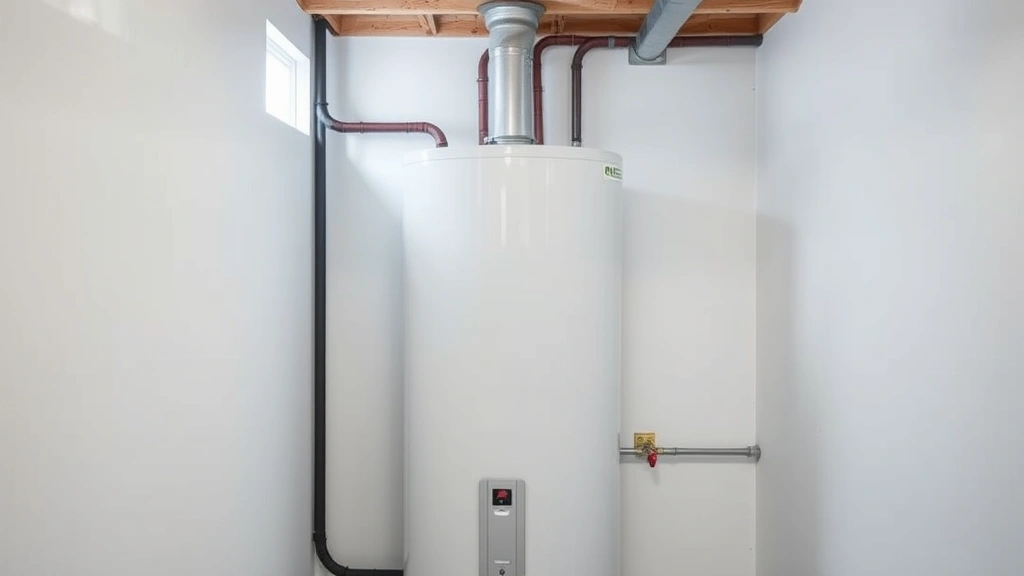
One significant advantage of electric water heaters is their simplicity. They require no venting system, no gas line connection, and no combustion byproducts to manage. This flexibility allows installation in various locations throughout your home, including basements, closets, or utility rooms without complex ducting requirements.
How Gas Water Heaters Work
Gas water heaters use a fundamentally different approach, burning natural gas or propane to heat water. A burner assembly at the bottom of the tank creates a flame that heats a metal flue running through the center of the tank. Hot gases rise through this flue, transferring their thermal energy to the surrounding water before venting out through a chimney or vent pipe.
Gas water heaters typically recover faster than electric models, meaning they can reheat a full tank of water more quickly. This rapid recovery makes gas systems popular in larger households with high hot water demand. Like electric models, gas heaters use a thermostat to control temperature, automatically igniting the burner when water temperature drops below the set point.
Understanding what natural gas smells like is important for safety, as utilities add odorants to help detect leaks. Gas water heaters do require proper venting to remove combustion byproducts safely, making installation location important for both safety and efficiency.
Energy Efficiency Comparison
When comparing energy efficiency, the picture becomes nuanced. Electric water heaters typically achieve 90-95% thermal efficiency because nearly all electricity converts directly to heat with minimal loss. However, this doesn’t account for how electricity is generated. In regions relying on coal or natural gas power plants, the overall system efficiency drops significantly due to transmission losses and power generation inefficiency—often resulting in 30-40% overall efficiency.
Gas water heaters operate at 60-85% thermal efficiency, losing some energy through venting. However, when using natural gas directly, the overall system efficiency can be competitive with electric systems in many regions. The key variable is your local electricity grid composition. Regions with renewable energy sources, nuclear power, or hydroelectric generation see electric water heaters perform significantly better than areas dependent on fossil fuel power generation.
Modern high-efficiency gas water heaters with condensing technology can achieve efficiency ratings above 90% by capturing heat from exhaust gases. Similarly, sustainable energy solutions like heat pump water heaters (which use electricity) can achieve 200-300% efficiency by moving existing heat rather than generating new heat.
Energy Factor (EF) Ratings: The Department of Energy uses Energy Factor ratings to compare water heater efficiency. Higher EF ratings indicate better efficiency:
- Standard electric tank: 0.75-0.95 EF
- Standard gas tank: 0.55-0.70 EF
- Heat pump electric: 2.0-3.5 EF
- Condensing gas: 0.80-0.95 EF
- Tankless gas: 0.75-0.85 EF
Operating Costs Analysis
Operating costs depend on three primary factors: fuel type prices in your region, efficiency ratings, and household hot water consumption. On average, gas water heaters cost 20-50% less to operate than standard electric models in most U.S. regions because natural gas typically costs less per BTU than electricity.
A typical family of four using 40-50 gallons of hot water daily might expect these annual operating costs:
- Electric water heater: $400-$600 annually
- Gas water heater: $250-$400 annually
- Heat pump water heater: $200-$350 annually
- Tankless gas heater: $200-$350 annually
However, initial purchase and installation costs differ significantly. Electric water heaters cost $300-$600 for the unit plus $200-$500 installation. Gas water heaters range from $400-$1,200 for the unit plus $500-$1,500 installation (due to venting requirements). Heat pump water heaters cost $1,200-$2,500 installed but offer the lowest operating costs.
To determine true lifecycle cost, calculate the payback period: (Higher upfront cost – Lower upfront cost) ÷ (Annual savings). A $400 higher gas installation cost with $150 annual savings means roughly 2.7 years to break even.
Environmental Impact
Environmental considerations extend beyond simple efficiency metrics. Understanding sustainability requires examining the full lifecycle impact of each technology.
Gas Water Heaters: Burning natural gas produces carbon dioxide and methane emissions. A typical gas water heater generates 2-3 tons of CO2 annually. Additionally, natural gas extraction and transportation involve methane leakage, a greenhouse gas 28-34 times more potent than CO2 over a 100-year period. However, gas remains cleaner than coal-based electricity.
Electric Water Heaters: Environmental impact varies dramatically by region. In areas with coal-heavy grids, electric heating can be worse than gas. Conversely, regions with renewable energy sources make electric heating significantly greener. The U.S. grid is transitioning toward cleaner energy, making electric water heaters increasingly attractive from an environmental perspective.
Heat Pump Water Heaters: These represent the most sustainable option currently available, reducing emissions by 40-60% compared to gas and 50-75% compared to standard electric systems. They work by extracting ambient heat from surrounding air or ground and concentrating it into the water.
For households prioritizing environmental responsibility, advantages of electric technologies improve as electrical grids incorporate more renewable energy. The U.S. Environmental Protection Agency provides detailed guidance on energy-efficient water heaters and their environmental benefits.
Installation and Maintenance
Installation complexity differs significantly between these systems. Electric water heaters require only standard 240-volt electrical service (or 120-volt for smaller units) and a drain line. No venting is necessary, making them suitable for basements, closets, or interior utility spaces.
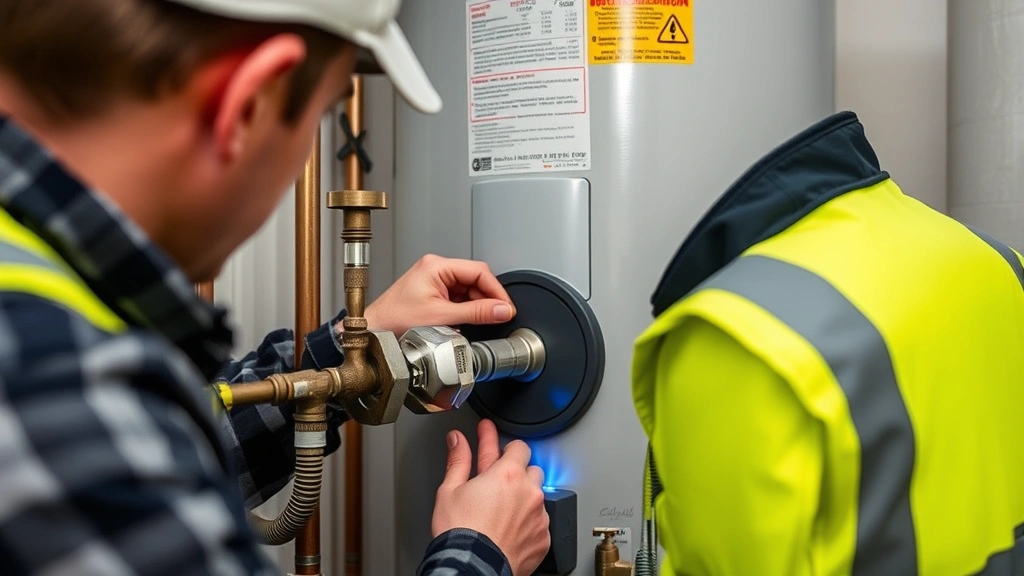
Gas water heaters demand professional installation to ensure proper venting, gas line connections, and combustion safety. Venting must comply with local building codes, often requiring roof penetration or wall venting. This complexity increases installation costs and limits placement options, though it allows installation in diverse locations if venting is properly planned.
Maintenance Requirements:
- Electric: Annual flushing to remove sediment; occasional heating element replacement (5-15 year lifespan)
- Gas: Annual flushing; annual burner and flue inspection; thermocouple replacement if needed
- Tankless: Professional descaling every 1-2 years in hard water areas
Gas systems generally require more professional maintenance, adding $100-$200 annually for inspections. Electric systems are simpler, though sediment buildup affects both equally in hard water areas.
Safety Considerations
Both systems are safe when properly installed and maintained, but different hazards apply to each technology. Gas water heaters present combustion risks if venting is compromised or carbon monoxide detection is inadequate. Proper ventilation and carbon monoxide detectors are essential safety measures. The gas itself is odorless, so utility companies add mercaptan—the distinctive rotten-egg smell—to enable leak detection.
Electric water heaters eliminate combustion hazards but present electrical shock risks if not properly grounded and bonded. They also generate higher temperatures in the tank, requiring proper tempering valves to prevent scalding. Modern electric heaters include multiple safety features including automatic shutoffs and pressure relief valves.
Both systems require understanding natural gas advantages and safety protocols or electrical safety standards. Professional installation is strongly recommended for both types to ensure compliance with local codes.
Performance and Recovery Time
Recovery time—how quickly a heater reheats its tank after hot water is drawn—significantly impacts household satisfaction. Gas water heaters typically recover 40-50 gallons per hour, while electric models recover only 10-20 gallons per hour. This means gas systems can handle multiple simultaneous hot water demands better than electric systems.
For a family taking showers in sequence, gas heaters handle the load easily. Electric systems may struggle if two showers run simultaneously, requiring either a larger tank or acceptance of lukewarm second shower water. Households with high hot water demand should seriously consider gas or tankless systems.
Tank Size Considerations: Electric systems typically require larger tanks (80-100 gallons) to compensate for slow recovery. Gas systems perform adequately with 40-50 gallon tanks. Tankless systems eliminate tank size concerns but have different limitations around simultaneous demand.
Temperature consistency differs too. Electric heaters maintain very stable temperatures throughout the tank. Gas heaters can experience temperature stratification, with hotter water at the top and cooler water at the bottom, though modern designs minimize this effect.
Choosing Your System
Selecting between electric vs gas water heater requires evaluating your specific circumstances across multiple dimensions.
Choose Electric If:
- You live in a region with renewable-heavy electricity grids
- Installation simplicity and flexibility matter (apartment, interior placement)
- Your household has low to moderate hot water demand
- You prioritize minimal maintenance and safety simplicity
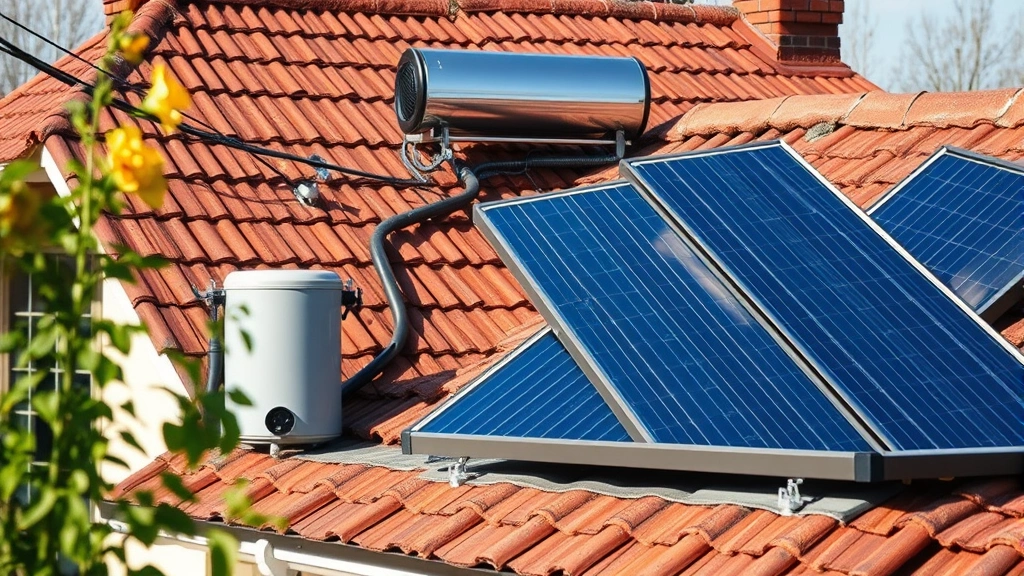
- You want to pair it with solar panels for maximum sustainability
- You’re interested in upgrading to a heat pump water heater eventually
Choose Gas If:
- Your household has high hot water demand
- Natural gas is cheaper than electricity in your region
- You need fast recovery time for multiple simultaneous uses
- You already have natural gas service to your home
- You want lower operating costs with current technology
- Your home supports proper venting requirements
Consider Heat Pump If:
- You prioritize environmental impact above all else
- You’re willing to invest more upfront for maximum long-term savings
- Your climate is moderate (heat pumps are less effective in very cold regions)
- You have space for installation
- You want to align with sustainable living principles
Regional factors matter enormously. Check your local ENERGY STAR water heater database for models that qualify for rebates or tax credits in your area. Many utility companies offer incentives for upgrading to high-efficiency systems, potentially reducing effective costs significantly.
Consider your home’s current infrastructure: existing gas lines, electrical capacity, venting, and space constraints all influence the practical choice. Consulting with a licensed plumber or HVAC professional can provide localized insights about costs and feasibility.
FAQ
Is an electric water heater cheaper to operate than gas?
In most U.S. regions, gas water heaters cost 20-50% less to operate annually due to lower natural gas prices. However, this varies by location and local energy rates. Heat pump electric systems can actually be cheaper than both traditional electric and gas options.
What’s the lifespan of electric versus gas water heaters?
Both typically last 8-12 years with proper maintenance. Gas heaters may require more frequent repairs after year 7. Tankless systems often last 15-20 years. Longevity depends heavily on water quality and maintenance practices.
Can I convert from gas to electric water heating?
Yes, but conversion requires upgrading electrical service to handle 240-volt requirements and may involve significant rewiring costs ($500-$2,000). This makes conversion expensive compared to simply replacing like-for-like systems.
Are tankless water heaters better than tank systems?
Tankless systems offer space savings and endless hot water but have higher upfront costs ($1,500-$3,500) and require professional maintenance. They’re best for homes with moderate simultaneous hot water demand and available space for installation.
How does climate affect water heater choice?
Cold climates favor gas heaters’ faster recovery. Heat pump water heaters struggle below 40°F and need backup heating. Moderate climates make heat pumps most efficient. Your climate should influence recovery time and heating capacity requirements.
What maintenance do I need to perform?
Annual flushing removes sediment buildup in both electric and gas systems. Gas heaters benefit from annual professional inspections. Electric systems need occasional heating element inspection. In hard water areas, professional descaling every 1-2 years extends system life significantly.
Do I need a water softener with my water heater?
Hard water causes sediment buildup in any water heater, reducing efficiency and lifespan. While not strictly necessary, water softeners protect your investment and improve heating performance. Hard water treatment typically costs $500-$2,500 installed.
What’s the best water heater for the environment?
Heat pump water heaters are most environmentally friendly, reducing emissions 50-75% versus conventional systems. In renewable-heavy regions, electric heaters are second-best. Gas heaters are the least sustainable option but still better than coal-based electricity in some regions.


