
Is Natural Gas Sustainable? Expert Analysis and Environmental Impact
Natural gas has long been positioned as a cleaner alternative to coal and oil, but the question of its true sustainability remains contentious among environmental scientists and energy experts. While it produces fewer direct carbon emissions during combustion than traditional fossil fuels, the complete lifecycle assessment reveals a more complex picture involving methane leakage, extraction practices, and long-term climate implications. This comprehensive analysis examines whether natural gas can genuinely be considered sustainable in our transition toward renewable energy.
The natural gas industry markets itself as a bridge fuel—a transitional energy source that can reduce emissions while renewable infrastructure develops. However, emerging research suggests this narrative may obscure critical environmental concerns that undermine its sustainability credentials. From upstream extraction to downstream consumption, natural gas presents challenges that extend beyond simple carbon accounting.
Understanding Natural Gas Composition and Origins
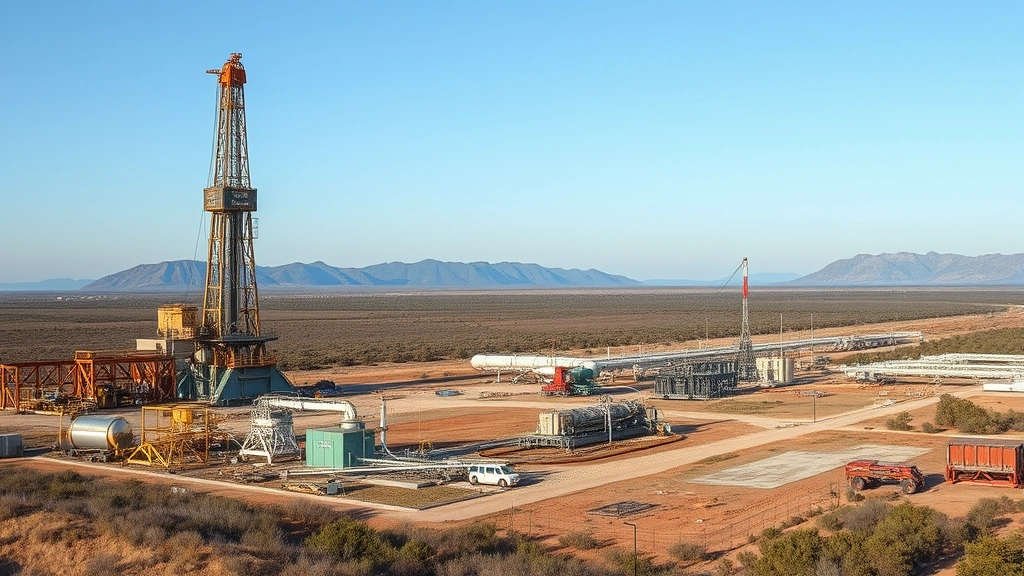
Natural gas is primarily composed of methane (CH₄), along with smaller quantities of ethane, propane, and other hydrocarbons. It forms deep underground through the decomposition of organic matter over millions of years, making it a non-renewable fossil fuel despite marketing efforts suggesting otherwise. The gas accumulates in porous rock formations and is extracted through drilling operations that penetrate thousands of feet below the Earth’s surface.
The origin of natural gas matters significantly for sustainability assessments. Conventional natural gas comes from dedicated gas fields, while unconventional sources include shale gas (extracted via hydraulic fracturing or fracking), coal bed methane, and tight gas formations. Each extraction method carries distinct environmental implications, from water contamination risks to induced seismic activity. Understanding these differences is crucial when evaluating whether natural gas deserves its reputation as a cleaner energy option.
When burned, natural gas produces approximately 50% fewer carbon dioxide emissions than coal on a per-unit energy basis. This mathematical advantage has driven adoption across electricity generation, heating systems, and industrial processes. However, this comparison only considers direct combustion emissions and ignores the methane leakage throughout the supply chain—a critical oversight that fundamentally changes sustainability calculations.
Carbon Emissions and Climate Impact
The direct carbon footprint of natural gas combustion is genuinely lower than coal: burning one unit of natural gas produces roughly 117 pounds of CO₂, compared to 208 pounds for coal. This advantage explains why utilities and policymakers promoted natural gas as a transition fuel during the early 2000s. Many facilities switched from coal to gas-fired power plants, achieving measurable emissions reductions in the short term.
However, lifecycle analysis reveals complications. When you account for extraction, processing, transportation, and distribution, the emissions profile changes substantially. The EPA’s greenhouse gas inventory documents that natural gas operations contributed approximately 30% of U.S. methane emissions in recent years. Methane possesses a global warming potential 28-34 times greater than CO₂ over a 100-year timeframe, and 80-86 times greater over 20 years.
This means even small percentage leaks in the natural gas system can negate the emissions benefits of switching from coal. The MIT Climate Portal research indicates that if methane leakage rates exceed 3-4% of total gas production, natural gas provides no climate advantage over coal. Current evidence suggests leakage rates range from 2.5% to 5.3% depending on system age and maintenance standards—placing natural gas in a precarious position regarding climate benefit.
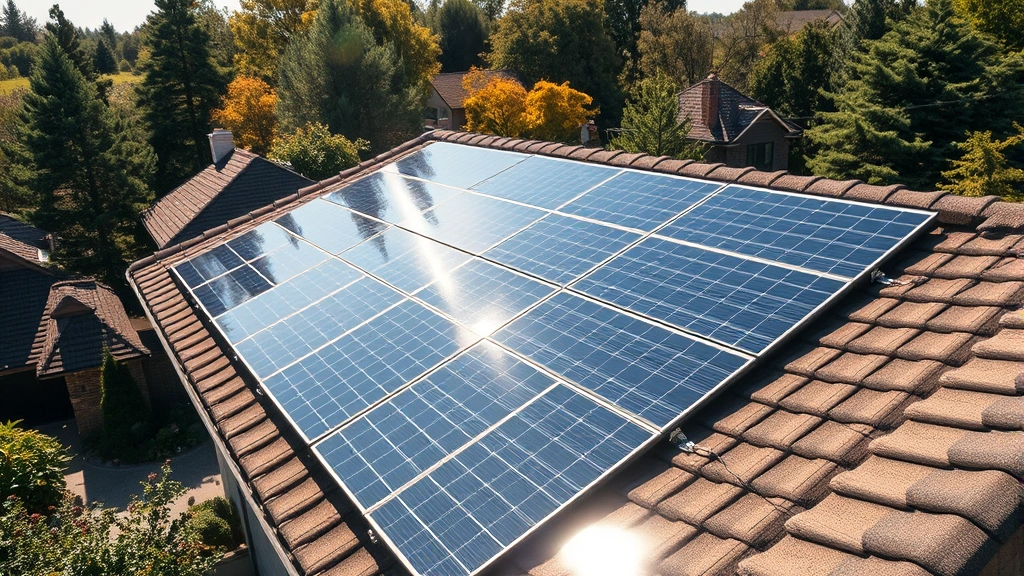
For comparison, sustainable energy solutions like solar and wind produce zero operational emissions, making them superior from a pure carbon perspective. The transition toward these alternatives represents the most straightforward path to genuine sustainability rather than relying on bridge fuels with hidden methane liabilities.
Methane Leakage: The Hidden Problem
Methane escapes natural gas systems at every stage: during extraction at the wellhead, throughout transmission pipelines, at distribution facilities, and even from customer appliances. Industry estimates place leakage at 1-2% of production, but independent research using satellite data and atmospheric measurements suggests rates are 50-100% higher. These discrepancies matter enormously for sustainability assessments.
The problem intensifies with aging infrastructure. The United States maintains approximately 2.2 million miles of natural gas pipelines, many installed decades ago. These pipes develop leaks that operators struggle to locate and repair systematically. In major cities like Boston and Washington D.C., street-level methane sensors have detected concentrations far exceeding background levels, indicating substantial leakage from distribution networks beneath residential streets.
Methane leakage also occurs from abandoned wells and production sites. The U.S. Geological Survey estimates there are approximately 2 million abandoned oil and gas wells across the country, many releasing methane continuously. Proper plugging requires expensive remediation, and financial responsibility often falls to taxpayers when operators lack resources or bankruptcy protections.
Recent research published in peer-reviewed journals demonstrates that methane leakage from natural gas production and distribution systems represents a critical barrier to sustainability claims. Nature journal studies suggest that aggressive methane reduction programs must accompany any continued natural gas use, requiring substantial investment in infrastructure modernization and leak detection technologies. Without these commitments, natural gas cannot credibly claim sustainability status.
Extraction and Environmental Damage
Natural gas extraction, particularly through hydraulic fracturing, involves injecting pressurized fluid into rock formations to release trapped gas. This process requires enormous quantities of water—typically 3-5 million gallons per well—along with chemical additives that operators are not always required to disclose publicly. The fluid returns to the surface as wastewater, contaminated with hydrocarbons, heavy metals, and naturally occurring radioactive materials.
Shale gas development has transformed energy landscapes across Texas, Oklahoma, Pennsylvania, and other regions, but with documented environmental consequences. Groundwater contamination incidents have been recorded near drilling operations, affecting drinking water supplies for rural communities. The EPA’s hydraulic fracturing study identified potential pathways for contamination, particularly in areas with inadequate well construction or geological vulnerabilities.
Beyond water contamination, natural gas extraction creates landscape disruption through well pad development, pipeline corridors, and compressor stations. These installations fragment wildlife habitats, particularly in sensitive ecosystems. The cumulative effect of thousands of wells across a region represents significant environmental alteration that sustainability frameworks must acknowledge.
Unconventional gas extraction also induces seismic activity. Oklahoma experienced a dramatic increase in earthquakes following intensive shale gas and oil production, with magnitudes reaching 5.8. This induced seismicity raises structural safety concerns for buildings, infrastructure, and long-term geological stability. These secondary impacts on environmental and human safety extend beyond carbon accounting and complicate sustainability assessments.
Comparing Natural Gas to Renewable Alternatives
When evaluating natural gas sustainability, comparison with genuine alternatives provides essential context. Solar photovoltaic systems, wind turbines, and hydroelectric installations produce electricity without ongoing fuel extraction or operational emissions. Battery storage technology has advanced dramatically, making renewable energy systems increasingly viable for baseload power generation previously requiring natural gas plants.
The cost comparison has shifted decisively. Solar and wind installations now cost less per megawatt-hour than natural gas plants, and this advantage continues expanding. Grid modernization enables renewable integration at scales previously considered impossible. Emerging technologies like green hydrogen and advanced geothermal energy offer additional pathways that eliminate fossil fuel dependence entirely.
For heating applications, electric versus gas water heaters provide a direct comparison relevant to household sustainability decisions. Heat pump water heaters powered by renewable electricity offer superior efficiency and zero operational emissions. As electrical grids decarbonize through renewable integration, electric heating becomes increasingly sustainable compared to natural gas alternatives that remain tied to fossil fuel combustion.
Industrial processes currently dependent on natural gas represent a more complex transition challenge. Steel manufacturing, cement production, and chemical synthesis require high-temperature heat that electrification addresses through emerging technologies. However, these transitions require capital investment and technological maturity that extends beyond current capabilities for some applications. This reality doesn’t justify continued natural gas reliance but rather indicates where innovation must accelerate.
Advantages of electric vehicles demonstrate how technological transitions reshape entire sectors. Similar transformations are technically feasible for heating and industrial energy use, requiring policy support and investment commitment rather than fundamental breakthroughs.
Current Regulations and Standards
Natural gas regulation in the United States occurs through a complex framework involving federal, state, and local authorities. The Federal Energy Regulatory Commission (FERC) oversees interstate natural gas pipelines, while state utility commissions regulate distribution and pricing. Environmental oversight falls to the EPA, which has progressively tightened methane emission standards for oil and gas operations.
The Obama administration’s 2016 methane emission standards represented the most aggressive federal regulation, requiring leak detection and repair programs for production and processing facilities. The Trump administration delayed and weakened these standards, while the Biden administration has moved toward strengthening methane regulations. This regulatory volatility creates uncertainty for long-term sustainability planning and demonstrates how political changes can undermine environmental protection.
International frameworks increasingly incorporate natural gas restrictions into climate commitments. The European Union has classified natural gas as a transitional fuel with declining roles in future energy systems. The Intergovernmental Panel on Climate Change (IPCC) emphasizes that limiting warming to 1.5°C requires phasing out fossil fuels rapidly, with minimal role for natural gas expansion. These global perspectives contrast sharply with continued natural gas infrastructure investment in the United States.
State-level climate policies increasingly restrict natural gas expansion. California prohibits natural gas appliances in new buildings as of 2026, while New York and other states implement similar policies. These regulatory shifts reflect growing recognition that natural gas cannot serve as a long-term sustainability solution within climate-constrained futures.
The Future of Natural Gas in a Sustainable Economy
The trajectory for natural gas in a genuinely sustainable energy system appears constrained. Climate science clearly indicates that fossil fuel combustion must decline rapidly to meet international climate commitments. Natural gas, despite its lower emissions than coal, cannot be reconciled with deep decarbonization targets without carbon capture and storage technologies that remain expensive and unproven at scale.
Some energy analysts propose natural gas with carbon capture and storage (CCS) as a pathway to continued use. This technology captures CO₂ from combustion or directly from air, then compresses and injects it underground for permanent storage. However, CCS deployment remains minimal globally, representing less than 0.1% of fossil fuel combustion. The energy penalties associated with capture, compression, and transport reduce overall efficiency by 20-30%, undermining any climate advantage.
Green hydrogen produced from renewable electricity offers a potential future pathway for some applications currently served by natural gas. Hydrogen combustion produces only water vapor, eliminating carbon emissions entirely. However, converting existing natural gas infrastructure to hydrogen requires substantial investment and technical modifications. This transition pathway remains underdeveloped compared to direct electrification alternatives.
How to save energy at home through efficiency improvements and renewable energy adoption provides immediate sustainability actions that don’t depend on natural gas infrastructure. Individual and household-level transitions away from natural gas represent achievable near-term strategies while systemic energy transitions progress.
The most credible sustainability pathway involves accelerating renewable energy deployment, expanding electrification of heating and transportation, and phasing out fossil fuel combustion across all sectors. Natural gas cannot maintain its current role in this transition without compromising climate objectives. Rather than framing natural gas as a bridge fuel deserving continued investment, sustainability frameworks should focus resources on renewable alternatives that offer genuine long-term viability.
The economic case for renewable energy strengthens continuously as costs decline and grid integration technologies mature. New natural gas infrastructure investments effectively lock in decades of fossil fuel dependence, creating stranded assets that ultimately prove economically wasteful. From both environmental and financial perspectives, renewable alternatives represent superior sustainability choices.
FAQ
Is natural gas truly a bridge fuel to renewables?
The bridge fuel concept assumes temporary natural gas use while renewable infrastructure develops. However, natural gas plants operate for 30-40 years, creating long-term fossil fuel dependence that conflicts with climate timelines. Most energy models compatible with climate targets require retiring natural gas infrastructure before mid-century, making new investments problematic from sustainability perspectives.
How does natural gas methane leakage compare to other greenhouse gases?
Methane possesses 28-34 times the warming potential of CO₂ over 100 years and 80-86 times greater impact over 20 years. Even small leakage rates (3-4%) can eliminate any climate advantage natural gas holds over coal. Current evidence suggests actual leakage exceeds these thresholds, potentially making natural gas worse for climate than alternatives.
Can carbon capture technology make natural gas sustainable?
Carbon capture remains expensive, energy-intensive, and deployed at negligible scales globally. Current CCS projects capture less than 0.1% of fossil fuel emissions. The technology requires significant energy input, reducing overall efficiency. Renewable energy combined with electrification offers more cost-effective and proven decarbonization pathways than relying on unproven CCS technologies.
What about natural gas in industrial applications where alternatives don’t exist?
Some high-temperature industrial processes currently lack mature alternatives, representing legitimate near-term natural gas applications. However, emerging technologies including electric heat pumps, hydrogen, and advanced electrification are rapidly addressing these gaps. Sustainability frameworks should support research and deployment of these alternatives rather than perpetuating natural gas dependence.
How quickly can renewable energy replace natural gas?
Renewable energy deployment has accelerated dramatically, with solar and wind now cost-competitive with natural gas. Grid modernization and battery storage technologies continue improving, enabling higher renewable penetration. Most analyses suggest 80-90% renewable electricity systems are achievable by 2050 with current technologies and policies. The timeline depends more on political will and investment commitment than technological barriers.
What should households do about natural gas heating?
Heat pump systems powered by renewable electricity offer superior efficiency and lower operational emissions than natural gas, particularly as electrical grids decarbonize. Households in areas with clean electricity grids should prioritize transitioning away from natural gas. Those in regions with coal-dependent grids still benefit from heat pump efficiency but may see greater emissions reductions as grid electricity sources improve.


