Gas Block vs Electric: Sustainability Insights
The debate between gas block heating systems and electric alternatives represents one of the most significant decisions homeowners and businesses face when considering their environmental impact and long-term energy strategy. As climate change accelerates and energy costs fluctuate, understanding the sustainability implications of these two heating technologies has never been more critical. A gas block system, traditionally powered by natural gas or propane, has dominated the heating market for decades, but electric heating solutions are rapidly advancing and challenging this dominance with improved efficiency and reduced carbon footprints.
This comprehensive guide explores the environmental, economic, and practical dimensions of gas block versus electric heating systems. Whether you’re renovating an existing property, building new construction, or simply seeking to optimize your current energy consumption, this analysis will help you make an informed decision aligned with your sustainability goals and budget constraints.
Understanding Gas Block Heating Systems
Gas block heating systems represent a traditional approach to residential and commercial temperature control, utilizing natural gas combustion to generate heat. These systems operate by burning natural gas in a heat exchanger, transferring thermal energy to water or air that circulates throughout a building. The technology has been refined over more than a century, resulting in mature systems with established supply chains, installation expertise, and maintenance protocols.
A typical gas block system consists of a burner, heat exchanger, circulation pump, thermostat controls, and distribution piping or ductwork. Modern gas blocks often feature condensing technology, which captures latent heat from exhaust gases to improve efficiency ratings to approximately 90-98%. However, these systems inherently produce greenhouse gas emissions during operation, as they rely on fossil fuel combustion. Natural gas, while cleaner than coal or oil, still releases carbon dioxide and methane—a potent greenhouse gas with approximately 25-28 times the warming potential of CO2 over a 100-year period.
The infrastructure supporting gas block systems is deeply entrenched in many developed nations. Existing natural gas pipelines, distribution networks, and utility relationships create significant switching costs and inertia. Many homeowners choose gas block systems because they offer lower upfront installation costs compared to electric alternatives, particularly in regions with established gas infrastructure. Additionally, gas heating provides reliable performance during power outages, a consideration that appeals to consumers in areas with grid instability.
Electric Heating Technologies Explained
Electric heating encompasses several distinct technologies, each with different efficiency profiles and sustainability characteristics. The most common types include resistance heating (traditional baseboard heaters), heat pumps (air-source and ground-source), and electric boilers designed to replace gas block systems directly.
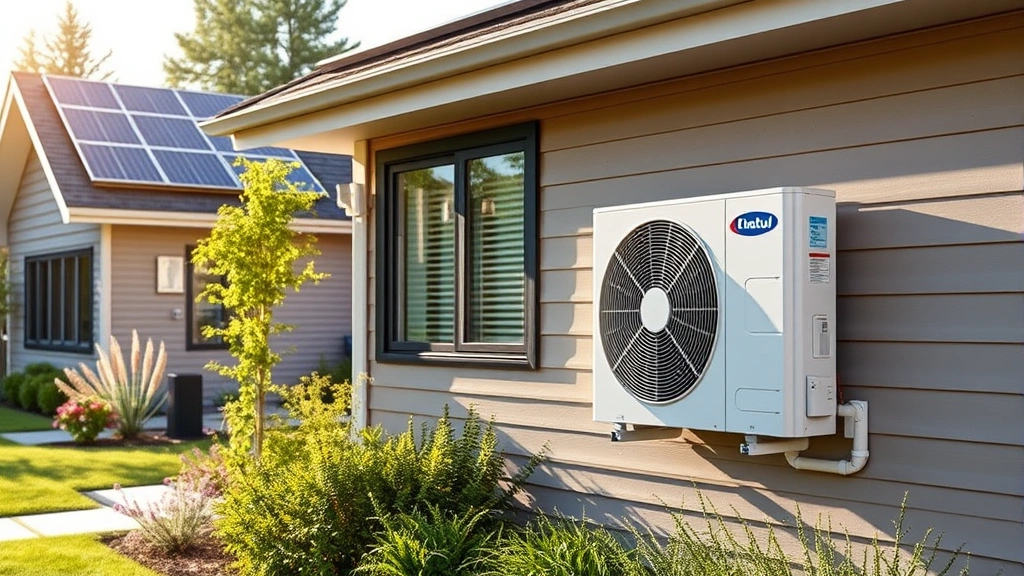
Heat pump technology represents the most efficient electric heating option available today. These systems extract thermal energy from the surrounding environment—either outdoor air or ground—and concentrate it for space heating and domestic hot water. Modern air-source heat pumps achieve coefficients of performance (COP) ranging from 2.5 to 4.0, meaning they deliver 2.5 to 4 units of heat for every unit of electrical energy consumed. Ground-source (geothermal) heat pumps perform even better, with COP values reaching 4.0 to 6.0, though they require more extensive installation. When powered by renewable electricity sources, heat pumps become nearly zero-emission heating solutions.
Electric resistance heating, while 100% efficient at converting electricity to heat, is considerably less efficient than heat pumps because it doesn’t leverage environmental thermal energy. However, resistance heating remains relevant in specific applications, particularly for supplemental heating or in climates where heat pump efficiency diminishes. Understanding these distinctions is essential when evaluating sustainable energy solutions for your property.
Electric boilers represent a direct replacement option for gas block systems, converting electricity directly to heat for hydronic (water-based) distribution systems. These units eliminate combustion entirely, producing zero on-site emissions and improving indoor air quality by eliminating nitrogen oxides and particulate matter associated with gas combustion.
Environmental Impact Comparison
The environmental comparison between gas block and electric heating systems requires examining the complete lifecycle and energy supply chain. While electric systems produce zero direct emissions, their overall environmental impact depends critically on the electrical grid’s energy composition.
In regions powered predominantly by renewable energy sources—solar, wind, hydroelectric, and geothermal—electric heating systems deliver substantially superior environmental performance. A heat pump in such a region operates as a true zero-emission heating solution. Conversely, in regions relying heavily on fossil fuel power plants, electric heating’s environmental advantage diminishes but typically remains positive. According to EPA data on electricity generation, the U.S. grid continues transitioning toward cleaner sources, with renewable energy now accounting for over 21% of electricity production and growing annually.
Gas block systems consistently produce carbon emissions regardless of location or grid composition. A typical residential gas heating system generates approximately 4-6 metric tons of CO2 equivalent annually. Over a 20-year lifespan, this represents 80-120 metric tons of greenhouse gases released directly into the atmosphere. These emissions contribute meaningfully to climate change, as heating accounts for approximately 10% of total U.S. greenhouse gas emissions.
Beyond carbon dioxide, gas combustion releases methane during production and distribution. Studies indicate that natural gas systems leak between 1-2% of distributed gas, representing significant climate impact given methane’s potency. Electric systems eliminate these fugitive emissions entirely, providing an additional environmental advantage independent of grid composition.
Water consumption represents another environmental consideration often overlooked in heating system comparisons. Coal and natural gas power plants require substantial water for cooling, while renewable energy sources typically demand minimal water. Electric heating powered by renewable energy therefore reduces pressure on freshwater resources compared to gas systems.
Energy Efficiency and Performance
Energy efficiency metrics differ significantly between gas and electric systems, requiring careful interpretation to make valid comparisons. Gas block systems measure efficiency as the percentage of fuel energy converted to usable heat, typically 85-98% for modern condensing units. This metric, however, ignores the energy required to extract, process, and transport natural gas to your property.
Electric heating efficiency must be evaluated differently. Resistance heating achieves 100% conversion efficiency but requires substantial electricity input. Heat pumps, however, deliver 250-400% efficiency by moving existing thermal energy rather than generating it. This distinction explains why heat pumps consume significantly less primary energy (energy at the power plant) than resistance heating or gas systems.
Performance characteristics vary with climate and application. Gas block systems maintain consistent output across temperature ranges, making them reliable in extremely cold climates. Air-source heat pumps experience reduced efficiency at very low outdoor temperatures, though modern cold-climate heat pumps operate effectively to -15°C (-5°F) or below. Ground-source heat pumps maintain consistent performance regardless of outdoor conditions, making them ideal for severe climates.
When evaluating the advantages of electric vehicles, similar efficiency principles apply—electric systems leverage superior energy conversion regardless of application context. This fundamental efficiency advantage translates across multiple technology categories.
Cost Analysis and Long-Term Savings
Initial capital costs favor gas block systems in most markets. A new gas condensing boiler with installation typically costs $3,000-$6,000, while comparable air-source heat pump systems range from $5,000-$10,000. Ground-source heat pumps command premiums of $10,000-$25,000 due to excavation and drilling requirements. These upfront cost differences create significant barriers for price-sensitive consumers.
However, operational cost analysis reveals a more complex picture. Electricity rates vary widely by region, but many areas now offer lower per-unit energy costs for electricity than natural gas when efficiency differences are considered. A heat pump delivering 300% efficiency consumes one-third the energy of a resistance heating system, and substantially less primary energy than a gas block system when grid composition is factored.
Long-term cost projections increasingly favor electric systems. Natural gas prices have demonstrated historical volatility and show long-term upward trends as supplies tighten. Renewable electricity costs continue declining, with solar and wind now cheaper than fossil fuel generation in most markets. Over 15-20 year system lifespans, operational cost savings from electric systems frequently offset higher initial investment, particularly in regions with favorable electricity pricing or high natural gas costs.
Maintenance costs differ between system types. Gas block systems require annual inspections, chimney cleaning, and periodic component replacement. Electric heat pumps demand less frequent service, typically limited to refrigerant checks and filter changes. Ground-source systems, while more reliable long-term, require professional maintenance to preserve geothermal loop integrity.
Financial incentives increasingly support electric heating transitions. Federal tax credits in the United States now cover up to 30% of heat pump installation costs through 2032. State and local programs add supplementary rebates in many regions. These incentives substantially reduce effective installation costs, improving the economic case for electric systems. Researching how to reduce your environmental footprint often reveals that economic and environmental optimization align perfectly.
Carbon Emissions and Climate Impact
Quantifying carbon emissions requires examining the complete energy supply chain, from resource extraction through end-use. A gas block system burning natural gas produces approximately 5.3 kg of CO2 per therm of heat energy. A typical residential heating season might consume 40-60 therms, generating 212-318 kg of direct CO2 emissions annually—equivalent to driving a gasoline car approximately 600-900 miles.
Electric heating’s carbon footprint depends on grid composition. In a coal-heavy grid, electric resistance heating might produce slightly more carbon emissions than gas heating. However, in grids with 30-40% renewable energy—increasingly common across developed nations—electric systems produce 40-60% fewer emissions than gas. In grids approaching 60% renewable energy, electric systems deliver 70-80% emission reductions.
The critical insight: electric heating’s environmental advantage improves continuously as grids transition toward renewable energy. A gas block system installed today will produce consistent emissions throughout its 20-year lifespan. An electric system installed today will become progressively cleaner as the grid decarbonizes, compounding environmental benefits over time.
Heat pumps amplify this advantage through superior efficiency. A heat pump consuming 50% less energy than a resistance heating system simultaneously produces 50% fewer emissions from that consumption. When combined with grid decarbonization, heat pumps deliver exponential environmental improvements.
According to International Energy Agency analysis, heat pump adoption represents one of the most critical technologies for achieving net-zero emissions in building sectors. Widespread heat pump deployment could eliminate 500 million metric tons of annual CO2 equivalent by 2050.
Installation and Infrastructure Requirements
Gas block system installation leverages existing infrastructure in many properties. Homes with current gas connections require minimal new piping, reducing installation complexity and cost. However, properties without gas service face substantial infrastructure investment—extending gas lines from main distribution systems can cost $3,000-$15,000 depending on distance and terrain.
Electric systems require adequate electrical service capacity. Most modern homes have 200-amp service sufficient for air-source heat pumps. However, older properties with 100-amp service or those installing ground-source systems might require electrical panel upgrades ($1,500-$3,000), adding to total project cost.
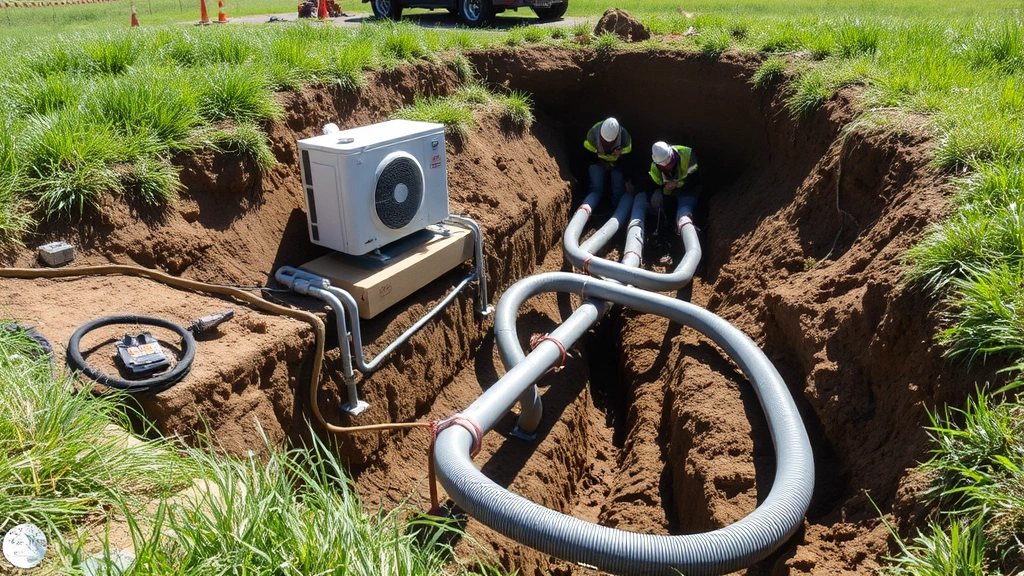
Ground-source heat pump installation demands significant excavation—either vertical boreholes (6-8 holes, 150-300 feet deep) or horizontal loops (requires 1-2 acres of available land). These installations represent major undertakings but deliver superior performance and durability, often operating 25-50 years compared to 15-20 years for air-source systems.
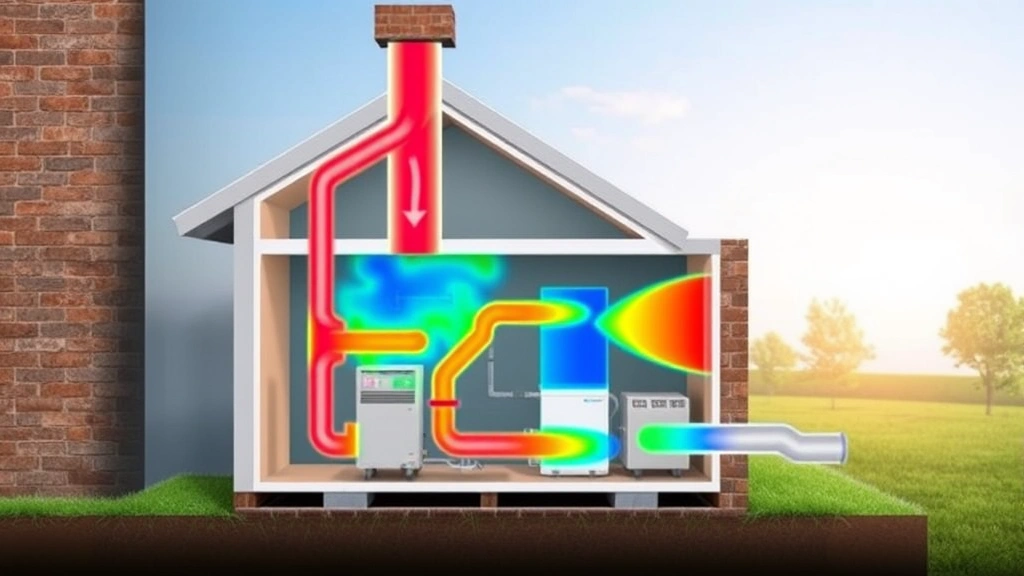
Ductwork and distribution infrastructure significantly impact both system types. Gas block systems typically utilize existing forced-air ductwork or hydronic piping. Air-source heat pumps can integrate with existing ductwork but often perform better with ductless mini-split systems that eliminate distribution losses. These architectural considerations should inform system selection during renovation projects.
Understanding the definition of sustainability includes evaluating infrastructure requirements holistically. While electric systems might demand modest electrical upgrades, they eliminate ongoing natural gas infrastructure maintenance and eliminate the environmental cost of fugitive emissions from aging gas distribution networks.
Renewable Energy Integration
Electric heating systems unlock powerful renewable energy integration opportunities unavailable to gas blocks. A property with rooftop solar panels can directly offset heating electricity consumption, approaching true net-zero energy performance. A gas block system cannot leverage distributed renewable generation, remaining dependent on fossil fuel combustion.
Battery storage systems further enhance electric heating sustainability. Homeowners can charge batteries during peak solar production hours, then discharge stored energy during evening heating demands. This temporal shifting optimizes renewable energy utilization and reduces grid demand during peak periods.
Community-scale renewable projects increasingly offer subscriptions allowing homeowners to purchase renewable electricity without on-site installation. A heat pump customer can subscribe to wind or solar projects, ensuring that their heating energy derives from clean sources. Gas block users cannot access equivalent renewable options.
Smart controls and demand-response capabilities enable electric heating systems to optimize consumption patterns in response to grid conditions and renewable availability. Advanced heat pumps can delay heating cycles during peak demand periods or increase consumption when renewable generation peaks. Gas blocks lack this flexibility.
The synergy between green technology innovations transforming our future and electric heating creates accelerating sustainability advantages. As renewable energy deployment expands, electric heating systems become progressively more valuable, while gas blocks remain static in their environmental impact.
Vehicle-to-home (V2H) technology emerging in electric vehicle ecosystems creates additional possibilities for electric heating integration. Future homes with electric vehicles might use vehicle batteries as thermal energy storage, further optimizing renewable energy utilization and grid stability.
Reviewing current SustainWise Hub blog content reveals ongoing developments in renewable energy integration that directly impact heating system selection decisions. Staying informed about emerging technologies helps homeowners make future-proof decisions today.
FAQ
What is a gas block heating system?
A gas block heating system burns natural gas or propane to generate heat for space heating and domestic hot water. Modern units feature condensing technology capturing exhaust heat, achieving 90-98% efficiency ratings. These systems distribute heat through forced-air ductwork or hydronic piping.
How do heat pumps compare to traditional electric resistance heating?
Heat pumps deliver 250-400% efficiency by moving existing thermal energy, while resistance heating achieves only 100% conversion efficiency. This means heat pumps consume 60-75% less electricity than resistance heating for equivalent thermal output, making them substantially more efficient and cost-effective.
Which system is better for the environment?
Electric heating powered by renewable energy sources delivers superior environmental performance. Even in grids with mixed energy sources, electric systems typically produce 30-60% fewer emissions than gas blocks. As grids decarbonize, electric heating’s environmental advantage increases continuously.
What are the upfront costs for each system?
Gas block systems typically cost $3,000-$6,000 installed. Air-source heat pumps range from $5,000-$10,000, while ground-source systems cost $10,000-$25,000. Federal tax credits now cover 30% of heat pump costs, significantly reducing effective installation expenses.
Do heat pumps work in cold climates?
Modern cold-climate heat pumps operate effectively to -15°C (-5°F) or below, making them viable in most North American locations. Ground-source heat pumps maintain consistent performance regardless of outdoor temperature, making them ideal for severe climates.
How long do each system type last?
Gas block systems typically operate 15-20 years before requiring replacement. Air-source heat pumps last 15-20 years under normal conditions. Ground-source heat pump systems demonstrate superior longevity, often operating 25-50 years with minimal maintenance.
Can I integrate renewable energy with a gas block system?
No, gas blocks require combustion and cannot utilize renewable electricity. Electric systems, conversely, integrate seamlessly with solar panels, wind subscriptions, and battery storage, enabling true renewable heating.
What maintenance do these systems require?
Gas blocks require annual inspections, chimney cleaning, and periodic component replacement. Electric heat pumps demand minimal maintenance—typically filter changes and occasional refrigerant checks. Ground-source systems require professional maintenance to preserve system integrity.
Are there government incentives for switching to electric heating?
Yes, federal tax credits cover 30% of heat pump installation costs through 2032 in the United States. Many states and municipalities offer supplementary rebates. Some utilities provide incentive programs encouraging gas-to-electric conversions.
How does grid decarbonization affect these systems?
As electrical grids incorporate more renewable energy, electric heating becomes progressively cleaner while gas blocks maintain consistent emissions. An electric system installed today becomes increasingly sustainable as the grid decarbonizes, while gas systems cannot improve.


