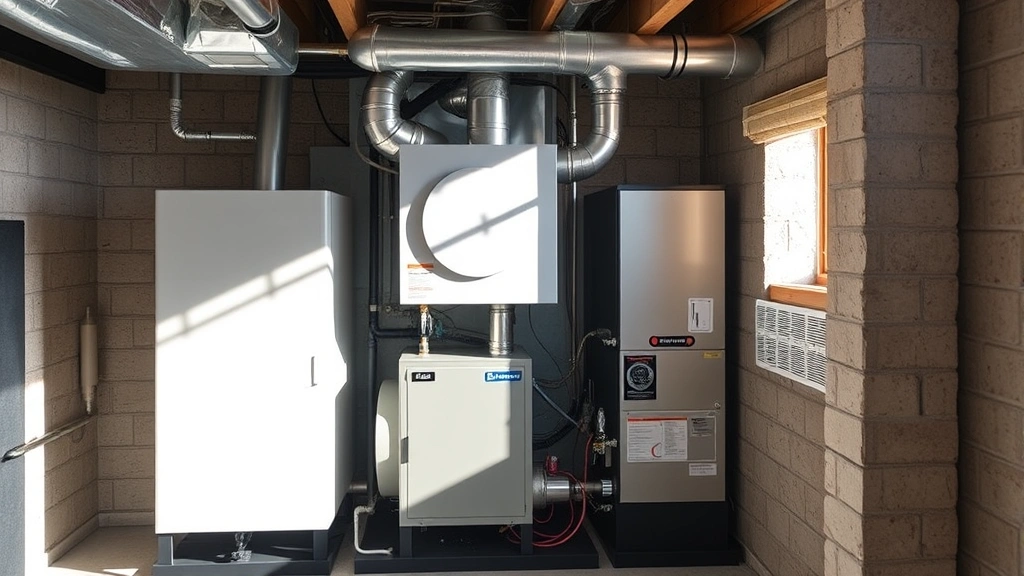
Is a Natural Gas Furnace Efficient? Expert Insights on Modern Heating Systems
Natural gas furnaces have been the backbone of home heating in North America for decades, but as sustainability concerns grow, homeowners increasingly question their efficiency and environmental impact. Understanding how modern gas furnaces perform, their efficiency ratings, and how they compare to alternative heating solutions is essential for making informed decisions about your home’s comfort and carbon footprint.
The efficiency of a natural gas furnace depends on several factors including the system’s age, maintenance history, installation quality, and technological advancement. Today’s high-efficiency furnaces can convert 90-98% of fuel into usable heat, representing significant improvements over older models. However, this technological progress must be weighed against environmental considerations and the availability of cleaner heating alternatives that align with sustainable living practices.
Understanding Natural Gas Furnace Efficiency Ratings
When shopping for a natural gas furnace, you’ll encounter the term AFUE (Annual Fuel Utilization Efficiency) repeatedly. This metric represents the percentage of fuel that converts directly into heat for your home, with the remainder lost through venting and other inefficiencies. A furnace with an 95% AFUE rating, for example, converts 95 cents of every dollar spent on natural gas into usable heat.
The Energy Star program certifies furnaces meeting strict efficiency standards, typically requiring a minimum AFUE of 95% for gas furnaces in cold climates. These certified systems represent the pinnacle of current technology and can significantly reduce energy consumption compared to standard models. When considering a natural gas furnace upgrade, Energy Star certification serves as a reliable indicator of superior performance and long-term savings potential.
Modern condensing furnaces achieve these high efficiency levels by extracting heat from exhaust gases that older furnaces simply vent away. This secondary heat recovery process is what separates high-efficiency models from conventional designs. Understanding these technical distinctions helps homeowners appreciate why newer systems command premium prices while delivering substantial operational savings.
How Modern Gas Furnaces Compare to Older Models
The efficiency gap between contemporary furnaces and those installed 20+ years ago is dramatic. A typical furnace from the 1990s operated at approximately 78-85% AFUE, meaning 15-22% of fuel energy escaped as waste. Today’s standard models achieve 90-95% AFUE, while premium condensing furnaces reach 98% efficiency.
This advancement translates directly to your utility bills. A homeowner replacing a 1995-era furnace with an 80% AFUE rating with a modern 96% AFUE system could reduce heating costs by 20% or more, depending on climate and usage patterns. Over a furnace’s typical 15-20 year lifespan, these savings often exceed the initial equipment and installation investment.
Beyond efficiency improvements, modern furnaces incorporate better insulation, improved combustion chambers, and advanced controls that optimize performance across varying heating loads. Many newer systems integrate with smart thermostats, enabling ways to reduce your environmental footprint through precise temperature management and scheduling capabilities that older furnaces simply cannot match.
The durability of modern systems has also improved considerably. Contemporary furnaces feature enhanced component protection, better corrosion resistance in condensing models, and more reliable ignition systems, reducing the frequency of repairs and extending operational life.
AFUE Explained: What the Numbers Really Mean
AFUE measurements represent steady-state efficiency under standardized laboratory conditions. This means the percentage accounts for typical cycling patterns, pilot light operation (for older designs), and seasonal variations. Understanding what AFUE doesn’t measure helps contextualize its importance.
AFUE doesn’t account for distribution losses through ductwork, infiltration around ducts, or the energy required to operate the furnace’s blower motor. A 95% AFUE furnace might deliver only 85-90% of fuel energy to your living spaces when accounting for distribution inefficiencies. However, this distinction applies equally to all furnaces, making AFUE a valid comparison metric despite its limitations.
The relationship between AFUE ratings and energy savings isn’t perfectly linear. Upgrading from 80% to 90% AFUE saves approximately 11% on heating energy. Moving from 90% to 95% AFUE yields roughly 5.3% additional savings. This diminishing return is important when evaluating cost-effectiveness of premium high-efficiency models versus standard high-efficiency options.
Regional climate significantly impacts the value of high-efficiency furnaces. Homeowners in cold climates like Minnesota or Canada benefit more substantially from efficiency improvements than those in moderate climates. Correspondingly, the payback period for premium efficiency investments varies considerably based on geographic location and local natural gas prices.
Environmental Impact of Natural Gas Heating
While efficient natural gas furnaces represent an improvement over older heating methods, they remain fossil fuel-dependent systems with inherent environmental consequences. Burning natural gas produces carbon dioxide, methane, and nitrogen oxides—all greenhouse gases contributing to climate change. According to the U.S. Environmental Protection Agency, residential heating accounts for significant residential greenhouse gas emissions.
The environmental case for natural gas furnaces rests primarily on their efficiency advantages over alternatives like oil heating or electric resistance heating. However, this advantage diminishes as electrical grids incorporate more renewable energy sources. In regions powered increasingly by wind, solar, and hydroelectric generation, heat pump technology becomes environmentally superior to gas furnaces.
Methane leakage throughout the natural gas supply chain represents another environmental concern. While utilities work to minimize leaks, methane—a potent greenhouse gas with 80+ times the warming potential of CO2 over 20 years—escapes at various points from extraction through delivery. This upstream impact isn’t reflected in furnace efficiency ratings but affects the true environmental cost of natural gas heating.
As part of broader sustainable energy solutions, reducing reliance on natural gas aligns with climate goals outlined in international agreements and national climate commitments. Many regions are actively phasing out natural gas in new construction, encouraging electrification and heat pump adoption as pathways toward decarbonized heating.
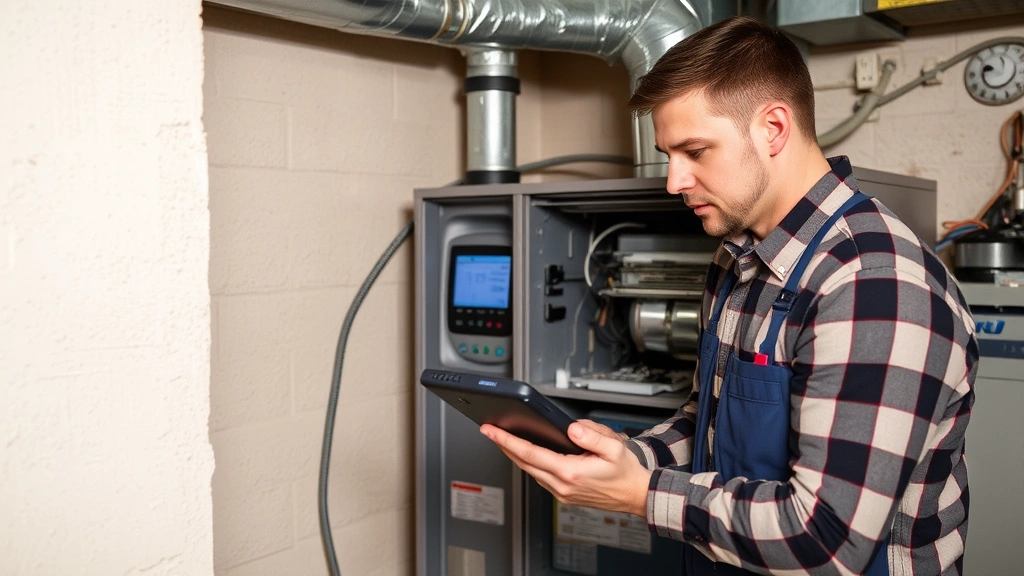
Maintenance Tips to Maximize Furnace Efficiency
Even the most efficient natural gas furnace performs poorly without proper maintenance. Regular upkeep is essential for sustained efficiency and extended equipment lifespan. Professional annual inspections before heating season begins should be non-negotiable for furnace owners.
Critical maintenance tasks include:
- Monthly air filter replacement or cleaning—clogged filters force the system to work harder, reducing efficiency by 5-15%
- Annual professional tune-ups including combustion analysis and safety inspections
- Ductwork sealing to eliminate distribution losses that undermine furnace efficiency gains
- Thermostat calibration to ensure accurate temperature sensing and control
- Heat exchanger inspection for cracks or corrosion that compromise safety and efficiency
- Blower motor lubrication and inspection for optimal airflow
Homeowners can perform simple maintenance tasks like filter changes independently, but combustion analysis, heat exchanger inspection, and electrical diagnostics require professional expertise. Attempting advanced repairs without proper training risks safety hazards including carbon monoxide exposure.
Smart thermostats complement furnace maintenance by optimizing operational patterns. Programmable temperature setbacks, learning capabilities, and remote access enable efficient operation that manual thermostats cannot achieve. Many utility companies offer rebates for smart thermostat installation, recognizing their efficiency benefits.
Ductwork represents frequently overlooked efficiency opportunities. Poorly sealed ducts can lose 20-30% of conditioned air before reaching living spaces. Professional duct sealing, insulation improvements, and proper sizing ensure furnace efficiency translates into actual home comfort and reduced energy consumption.
Alternative Heating Solutions and Comparisons
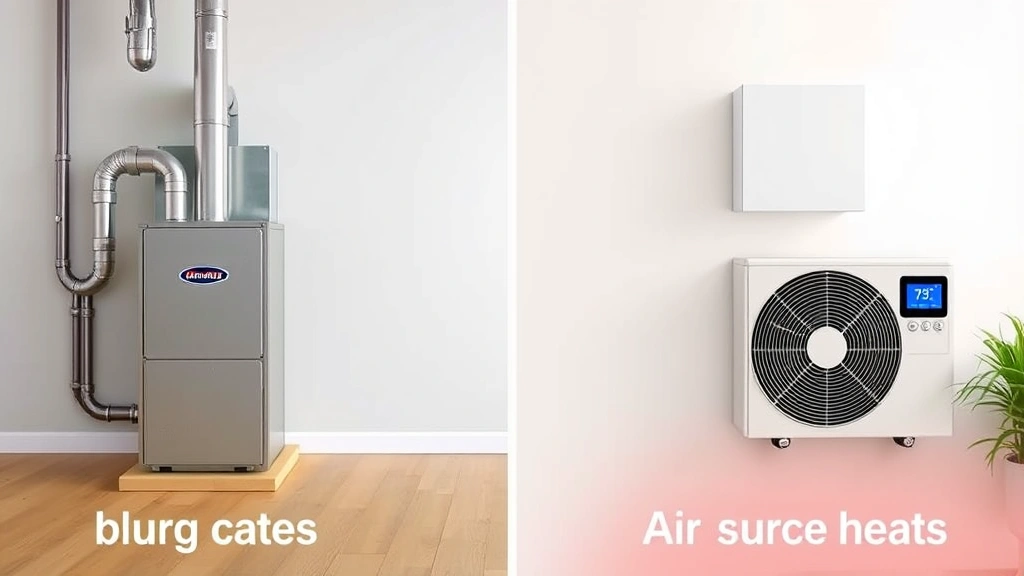
The heating landscape is evolving rapidly, with several alternatives offering efficiency and environmental benefits worth considering. Heat pumps, increasingly sophisticated cold-climate models, can achieve COPs (Coefficients of Performance) of 3.0-4.0, meaning they deliver 3-4 units of heat for every unit of electricity consumed. This efficiency advantage grows as electrical grids decarbonize.
Ground source heat pumps offer exceptional efficiency in appropriate applications, achieving COPs of 4.0-5.0 by leveraging stable subsurface temperatures. While installation costs exceed air source heat pumps and gas furnaces, superior efficiency and durability often justify the investment over 25-50 year operational periods.
Hybrid systems combining natural gas furnaces with heat pumps represent a middle-ground approach. During moderate weather, efficient heat pumps handle heating while furnaces remain idle. As temperatures drop, the system seamlessly switches to gas heating, optimizing efficiency across varying climate conditions. This strategy captures heat pump benefits while maintaining gas furnace reliability during extreme cold.
Exploring sustainable energy solutions for your home heating needs requires evaluating your specific circumstances. Climate, existing infrastructure, electricity grid composition, and available incentives all influence the optimal choice between furnace efficiency improvements and alternative heating adoption.
Cost-Benefit Analysis for Homeowners
Determining whether to replace a functioning furnace, upgrade to a high-efficiency model, or transition to alternative heating requires careful financial analysis. Several factors influence the decision-making process.
Key considerations include:
- Current furnace age and condition—furnaces typically last 15-20 years before replacement becomes prudent
- Energy consumption history—comparing current heating bills to baseline estimates reveals efficiency loss over time
- Local energy costs—higher natural gas prices accelerate payback periods for efficiency investments
- Available incentives—federal tax credits, state rebates, and utility programs significantly reduce net costs
- Home insulation quality—improving envelope performance multiplies furnace efficiency benefits
- Future heating intentions—planning to stay in your home long-term justifies higher upfront investments
The Energy Star website provides calculators estimating annual savings from furnace upgrades based on your climate region and current system efficiency. These tools help quantify financial benefits and compare options objectively.
Federal tax credits for high-efficiency furnace installation can reach $600-$2,000 depending on AFUE ratings and current legislation. State and local programs often provide additional incentives. Checking DSIRE (Database of State Incentives for Renewables & Efficiency) reveals available programs in your area.
When comparing heating system costs, include lifecycle expenses rather than focusing solely on purchase price. A premium furnace costing $1,500 more than a standard model might save $200 annually in fuel costs, paying for itself in 7.5 years. Over a 20-year lifespan, total savings exceed $2,500 even before accounting for increased home value and comfort improvements.
Professional energy audits provide detailed insights into your home’s heating efficiency and upgrade opportunities. Many utility companies offer free or subsidized audits that identify priorities and quantify potential savings before making investment decisions.
FAQ
What AFUE rating should I look for when purchasing a natural gas furnace?
Modern efficiency standards recommend minimum 95% AFUE for cold climates and 90% for moderate climates. Energy Star certified models typically exceed these minimums. Your specific situation should consider local climate, energy costs, and budget constraints, but 95%+ AFUE represents the best long-term value for most homeowners in northern regions.
How often should I service my natural gas furnace?
Professional annual tune-ups before heating season are essential for optimal efficiency and safety. Monthly air filter checks and seasonal inspections of visible components help identify problems early. Many HVAC contractors offer maintenance plans providing discounted annual service and priority emergency support.
Can I improve my current furnace’s efficiency without replacing it?
Yes, several upgrades enhance existing furnace efficiency: installing a smart thermostat, sealing ductwork, improving home insulation, and ensuring professional maintenance. These measures typically cost less than furnace replacement while delivering meaningful efficiency gains. However, if your furnace is 20+ years old, replacement with a modern high-efficiency model often provides better overall value.
Are heat pumps more efficient than natural gas furnaces?
In appropriate climates, modern heat pumps achieve higher overall efficiency than gas furnaces, especially as electrical grids incorporate renewable energy. However, extreme cold climates may favor furnaces unless premium cold-climate heat pumps are installed. Hybrid systems combining both technologies optimize efficiency across varying conditions.
What’s the environmental impact of switching to a heat pump?
Heat pumps eliminate direct fossil fuel combustion, reducing greenhouse gas emissions substantially. As electricity grids add renewable generation, heat pump environmental benefits increase over time. Even with current grid composition, efficient heat pumps typically produce fewer emissions than natural gas furnaces, particularly in moderate climates.
How much can I save by upgrading to a high-efficiency furnace?
Savings depend on climate, current furnace efficiency, and local energy costs. Upgrading from an 80% AFUE furnace to a 95% AFUE system typically saves 15-20% on heating costs. In cold climates with high heating demands, annual savings might reach $300-$600. Calculating specific savings requires knowing your current heating costs and local natural gas prices.
Do I need to replace my ductwork when installing a new furnace?
Not necessarily, but ductwork inspection and sealing should accompany furnace installation. Well-maintained ducts continue functioning effectively with new furnaces. However, if ducts are damaged, undersized, or poorly sealed, addressing these issues maximizes your furnace investment and efficiency benefits. Professional duct evaluation helps determine whether replacement or sealing is appropriate.
What certifications indicate a quality, efficient furnace?
Energy Star certification represents the most reliable efficiency indicator. Additionally, look for AHRI (Air-Conditioning, Heating, and Refrigeration Institute) certification confirming equipment performance claims. Manufacturers offering comprehensive warranties (10+ years on heat exchangers) demonstrate confidence in product quality and durability.


