Gas Golf Cart vs Electric: Which is Greener?
The debate between gas and electric golf carts has become increasingly relevant as golf courses, resorts, and private communities seek to reduce their environmental footprint. While gas-powered golf carts have dominated the market for decades, electric alternatives are gaining momentum as technology improves and sustainability concerns intensify. Understanding the environmental impact of each option requires examining emissions, energy sources, manufacturing processes, operational costs, and long-term ecological consequences.
Golf carts may seem like minor contributors to overall pollution, but collectively they represent a significant opportunity for environmental improvement. With millions of golf carts operating worldwide on courses, in gated communities, and at commercial facilities, the cumulative emissions from gas-powered models contribute to air quality degradation and climate change. This comprehensive guide explores both options to help you make an informed decision aligned with genuine sustainability principles.
Emissions Comparison: Gas vs Electric
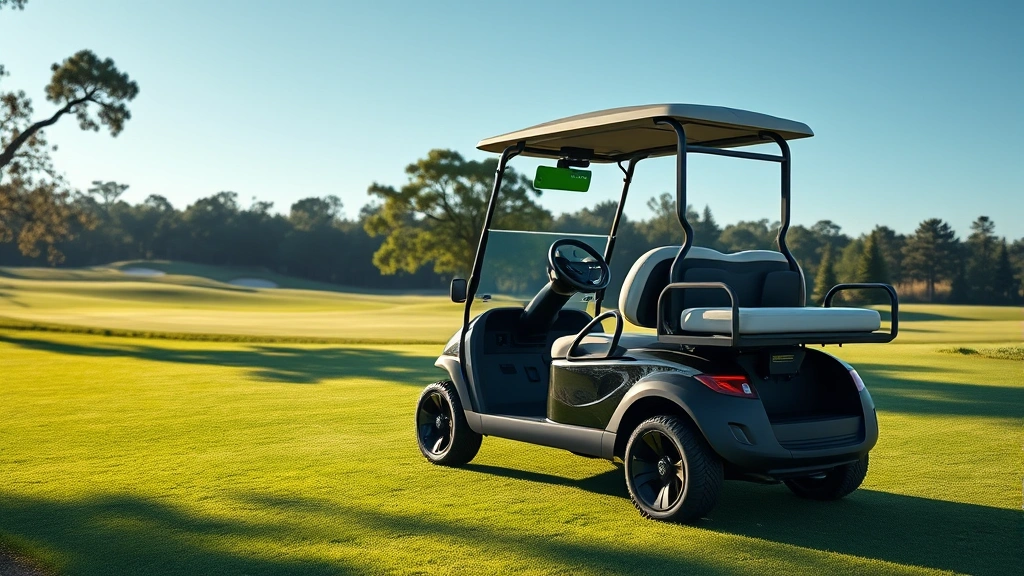
Gas-powered golf carts emit carbon dioxide, nitrogen oxides, and particulate matter directly into the atmosphere. A typical gas golf cart produces approximately 0.5 to 1 ton of CO2 annually, depending on usage frequency and engine efficiency. These small internal combustion engines lack the sophisticated emission control systems found in modern automobiles, making them disproportionately polluting relative to their size and power output.
Electric golf carts produce zero direct emissions during operation, fundamentally transforming the air quality around golf courses and residential communities. However, the true environmental assessment requires considering sustainable energy solutions and the energy grid’s composition. If your electricity comes from renewable sources like solar or wind, electric carts represent a genuinely green choice. Conversely, in regions relying heavily on fossil fuel power plants, the environmental advantage diminishes but typically remains superior to direct combustion.
Studies from the Environmental Protection Agency demonstrate that even accounting for grid electricity generation, electric vehicles produce 50-70% fewer emissions over their lifetime compared to gasoline-powered equivalents. This advantage grows as electricity grids transition toward renewable sources, making electric golf carts an increasingly wise investment.
Energy Sources and Grid Impact
The electricity powering your golf cart originates from your regional grid, which combines various energy sources. Understanding this composition is crucial for assessing true environmental impact. Progressive regions with substantial renewable energy portfolios make electric golf carts genuinely green choices. States like California, New York, and Colorado have dramatically increased wind and solar capacity, making electric vehicles increasingly sustainable.
Older coal-dependent grids present different challenges. However, even in these regions, electric motors convert energy more efficiently than internal combustion engines. Electric motors achieve 85-90% energy efficiency, while gasoline engines operate at merely 20-30% efficiency. This means that even with dirtier grid electricity, you’re still producing fewer total emissions with an electric cart.
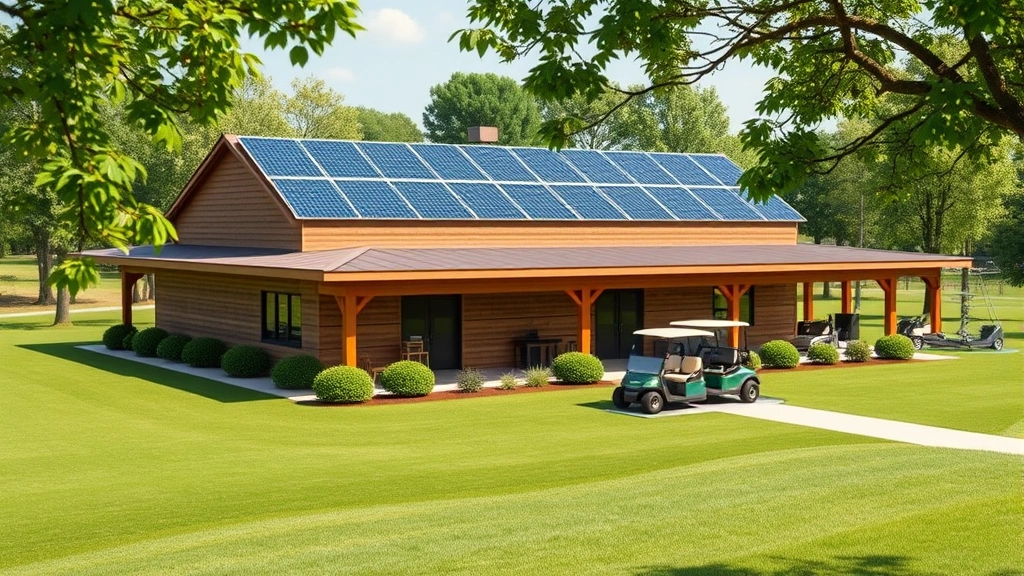
Battery charging can be optimized further through energy-saving strategies and off-peak charging practices. Charging during nighttime hours when renewable energy demand is lower, or installing dedicated solar panels for cart charging, enhances the environmental benefits significantly. Golf courses increasingly adopt on-site solar arrays to power their electric cart fleets, creating truly renewable operation cycles.
The International Energy Agency tracks global electricity decarbonization trends, showing consistent movement toward cleaner grids. This trajectory means electric golf carts purchased today will become progressively cleaner as grids evolve, while gas carts remain static polluters.
Manufacturing and Lifecycle Analysis
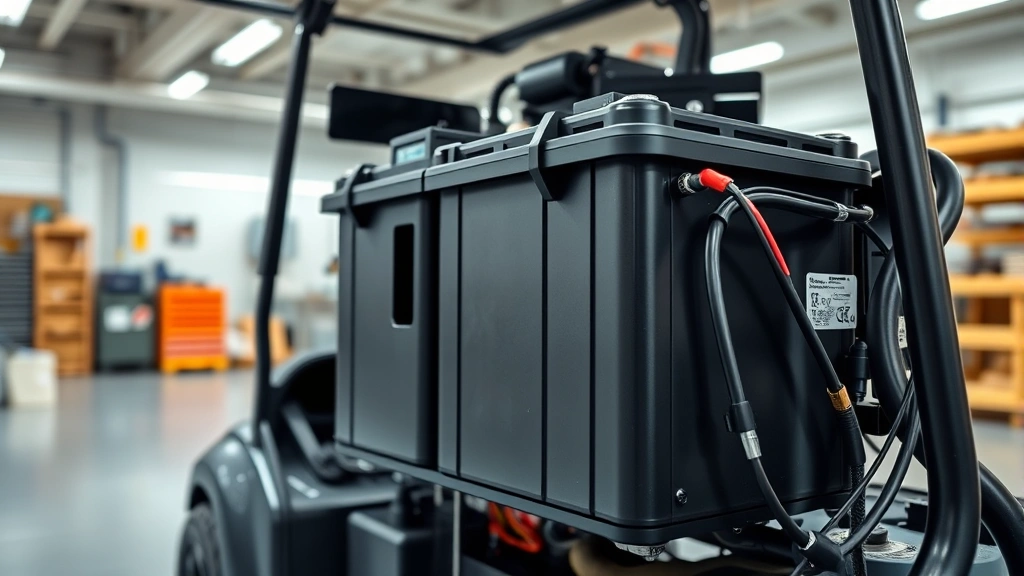
Electric golf carts require battery production, which involves mining lithium, cobalt, and nickel. These extraction processes carry environmental costs including habitat disruption and water consumption. A typical golf cart battery weighs 400-600 pounds and requires significant manufacturing energy. However, this manufacturing impact must be contextualized within the vehicle’s entire 10-15 year operational lifespan.
Lifecycle assessments comparing gas and electric golf carts show that manufacturing impacts are recovered through operational emissions reductions within 1-2 years of typical use. After this payback period, every operational year provides net environmental benefits favoring electric models. The battery’s extended lifespan—typically 5-10 years with proper maintenance—means most carts require only one battery replacement during their lifetime.
Modern battery recycling initiatives are improving battery end-of-life environmental management. Companies specializing in lithium-ion recycling recover 90-95% of battery materials, reducing the need for virgin mining and creating circular economy benefits. Responsible manufacturers increasingly partner with recycling facilities, ensuring batteries don’t end up in landfills.
Gas golf carts require regular oil changes, air filter replacements, and fuel production throughout their lifespan. Oil extraction, refining, and transportation create substantial environmental costs not immediately visible to users. The cumulative manufacturing and operational impact of gas carts significantly exceeds that of electric alternatives when comprehensively analyzed.
Operational Costs and Efficiency
Electric golf carts demonstrate superior operational efficiency in multiple dimensions. Electricity costs approximately one-third to one-half the price of gasoline per equivalent energy unit. Charging a golf cart’s battery costs roughly $1-2 per full charge, providing 30-50 miles of range depending on battery capacity and terrain. Comparable gasoline usage would cost $5-8.
Maintenance expenses favor electric models dramatically. Electric motors contain no oil, spark plugs, or complex fuel systems requiring regular service. Brake systems last longer due to regenerative braking, which captures energy during deceleration and returns it to the battery. A typical electric golf cart requires minimal annual maintenance beyond tire rotation and occasional electrical system checks.
Gas-powered carts demand regular oil changes, air filter replacements, spark plug service, and carburetor maintenance. These recurring expenses accumulate to $300-500 annually for diligent owners. Engine repairs become increasingly expensive as carts age, with potential costs ranging from $500-2000 for significant failures.
Total cost of ownership calculations consistently show electric golf carts achieving payback within 3-5 years through operational savings alone, before considering environmental benefits. Over a 10-year ownership period, electric carts save $3000-5000 in operational expenses while eliminating environmental harm.
Environmental Benefits of Electric Models
Beyond direct emissions reductions, electric golf carts provide substantial environmental advantages worth highlighting. Noise pollution represents a significant but often overlooked environmental concern. Gas-powered carts generate 75-85 decibels of noise, disrupting wildlife and creating unpleasant soundscapes in residential communities. Electric carts operate nearly silently at 50-60 decibels, dramatically improving environmental quality for both humans and animals.
Water quality protection is another critical benefit. Gas carts occasionally leak fuel and oil, contaminating soil and groundwater. This pollution persists for years, affecting plant growth and aquatic ecosystems. Electric carts eliminate these chemical leakage risks entirely, protecting the hydrological systems that sustain communities.
Air quality improvements extend beyond carbon dioxide reduction. Gas engines emit volatile organic compounds and nitrogen oxides, contributing to ground-level ozone formation and respiratory health problems. Electric operation eliminates these toxic pollutants, improving public health outcomes particularly for children and elderly individuals with respiratory sensitivities.
Exploring advantages of electric vehicles reveals that golf carts exemplify broader electrification trends benefiting environmental sustainability. As communities transition entire fleets to electric power, cumulative benefits multiply across multiple dimensions simultaneously.
Challenges with Electric Golf Carts
Acknowledging limitations promotes realistic sustainability assessment. Initial purchase costs for electric golf carts run $8000-15000, compared to $6000-10000 for gas models. This upfront premium deters some buyers despite superior lifetime economics. However, increasingly available tax incentives and rebate programs offset these costs in many jurisdictions.
Battery range limitations matter for high-use facilities. Standard batteries provide 30-50 mile ranges, sufficient for most golf courses but potentially limiting for extensive commercial operations. Extended-range batteries exist but increase costs and weight. Charging infrastructure requires planning, though most facilities can install basic charging stations for under $2000.
Cold weather performance presents genuine challenges in northern climates. Battery efficiency decreases in freezing temperatures, reducing range by 20-40%. Gas engines maintain consistent performance year-round. However, heated battery systems and improved chemistry address these concerns in newer models, and most golf courses operate seasonally anyway.
Manufacturing supply chain dependencies on specific mineral sources create geopolitical considerations. Lithium and cobalt extraction concentrates in politically unstable regions, raising ethical concerns beyond pure environmental assessment. Supporting responsible sourcing through certified manufacturers and recycling programs mitigates these issues.
Real-World Impact and Adoption
Leading golf courses worldwide have transitioned to electric fleets, demonstrating practical viability at scale. Torrey Pines Golf Club, Pebble Beach Golf Links, and numerous championship courses operate entirely electric fleets without operational compromises. These facilities report improved guest experiences due to reduced noise and air pollution while achieving significant cost savings.
Residential communities increasingly mandate electric golf carts for new purchases and incentivize owner conversions. The Villages, Florida’s massive retirement community, has deployed thousands of electric carts across its 32,000-acre property. This transition demonstrates that electric carts function effectively in high-volume, daily-use scenarios.
Commercial fleet operators including hotel chains and resort management companies recognize electric carts’ business case advantages. Beyond environmental benefits, electric carts improve operational efficiency through reduced maintenance downtime and lower fuel expenses. The Natural Resources Defense Council documents how fleet electrification creates competitive advantages alongside environmental improvements.
Understanding the definition of sustainability clarifies why electric golf carts represent genuine progress. Sustainability requires balancing environmental protection, economic viability, and social equity. Electric carts satisfy all three criteria through emissions reduction, cost savings, and improved community health outcomes.
Emerging technologies promise further improvements. Solid-state batteries in development offer 50% greater energy density and faster charging. Solar-integrated cart designs capture ambient sunlight during operation. These innovations suggest electric golf carts will become even more compelling choices over coming years.
FAQ
How long do electric golf cart batteries last?
Quality lithium-ion batteries typically last 5-10 years with proper maintenance. Regular charging practices, avoiding complete discharge cycles, and temperature management extend lifespan significantly. Lead-acid alternatives used in older models last 3-5 years. Battery replacement costs range from $2000-4000, still economical compared to cumulative gas operating costs.
Can you convert a gas golf cart to electric?
Yes, conversion kits exist for $3000-6000, involving motor replacement, battery installation, and electrical system modification. However, new electric carts often provide better performance and warranty protection for comparable costs. Conversions work best for well-maintained older carts with valuable sentimental value.
Do electric golf carts work in rain and snow?
Modern electric carts are weather-resistant and function safely in rain. Snow operation is possible but reduces battery range due to increased resistance and cold effects. Most golf courses operate seasonally, minimizing extreme weather concerns. Heated battery systems address cold-weather performance in regions requiring year-round operation.
What’s the environmental impact of battery disposal?
Responsible recycling recovers 90-95% of battery materials, significantly reducing environmental impact. Many manufacturers and retailers offer take-back programs ensuring proper disposal. Battery second-life applications in stationary energy storage extend useful lifespan before recycling becomes necessary.
Are electric golf carts more expensive than gas models?
Initial purchase prices run 10-20% higher for electric models. However, operational savings through reduced fuel and maintenance costs recover this premium within 3-5 years. Over 10-year ownership periods, electric carts provide $3000-5000 in total savings while eliminating environmental harm.
How does electricity grid composition affect electric cart environmental benefits?
Even in regions with fossil fuel-heavy grids, electric carts produce 50-70% fewer lifetime emissions than gas equivalents due to superior motor efficiency. As grids transition toward renewable sources—currently accelerating globally—electric carts become progressively cleaner without any owner action required.
What maintenance do electric golf carts require?
Electric carts need minimal maintenance: tire rotation annually, battery terminal cleaning, occasional electrical system checks, and brake fluid monitoring. No oil changes, spark plug replacements, or fuel system service required. This simplicity reduces ownership complexity and environmental impact from maintenance waste.


