
Gas Grills with Griddles: Chef’s Top Picks for Versatile Outdoor Cooking
When it comes to outdoor cooking, a gas grill with griddle represents the ultimate fusion of versatility and convenience. Whether you’re searing steaks, cooking pancakes for a crowd, or preparing stir-fried vegetables, a combined grill-griddle system delivers professional-grade performance in your backyard. This comprehensive guide explores the best options available, helping you make an informed decision that balances quality, sustainability, and culinary capability.
The modern gas grill with griddle has evolved far beyond basic backyard equipment. Today’s models incorporate innovative features that appeal to serious home chefs and sustainability-conscious consumers alike. From efficient burner systems that reduce fuel consumption to durable materials built to last decades, these appliances represent a significant investment in your outdoor cooking lifestyle.
Why Choose a Gas Grill with Griddle Combo
A gas grill with griddle eliminates the need for multiple cooking appliances, making it an efficient choice for space-conscious homeowners. The griddle surface provides a flat, even heat distribution ideal for breakfast items, delicate foods, and precise temperature control. Meanwhile, the traditional grill grates handle larger cuts of meat and vegetables that benefit from direct flame exposure and those coveted grill marks.
The versatility factor cannot be overstated. One day you’re hosting a brunch with pancakes and bacon cooked on the griddle section, the next you’re grilling ribeyes for dinner. This dual-functionality means you’re getting more value from a single appliance compared to purchasing separate equipment. Additionally, many chefs appreciate that gas grills offer exceptional value when compared to charcoal alternatives, particularly when considering fuel costs and cooking convenience over time.
Professional chefs consistently recommend combo units because they allow simultaneous cooking on different surfaces at varying temperatures. You can maintain a gentle heat on the griddle for delicate fish while searing vegetables on the grill section at higher temperatures. This capability transforms your outdoor cooking space into a fully functional kitchen extension.
Top-Rated Models for 2024
Premium Choice: Weber Summit Series
The Weber Summit E-470 represents the pinnacle of gas grill with griddle engineering. Featuring a robust stainless steel construction, it includes a dedicated griddle burner with independent temperature control. The grill boasts four primary burners plus a side burner, offering exceptional cooking capacity. Users praise its even heat distribution and durability, with many reporting 15+ years of reliable service. The investment is substantial, but the longevity justifies the cost from a sustainability perspective—fewer replacements mean reduced manufacturing waste.
Best Value Option: Char-Broil Performance
For those seeking affordability without sacrificing quality, the Char-Broil Performance 4-burner model delivers impressive results. It includes a removable griddle that transforms the center section, providing flexibility in cooking style. The porcelain-coated grates resist rust effectively, and the cast aluminum firebox distributes heat evenly. This model proves that you don’t need premium pricing to enjoy a reliable gas grill with griddle experience.
Compact Solution: Nexgrill Deluxe
Ideal for smaller patios and balconies, the Nexgrill Deluxe combines three burners with an integrated griddle section. Its stainless steel construction resists corrosion, while the compact footprint (roughly 48 inches) fits tight spaces. Perfect for apartment dwellers or those with limited outdoor real estate.
Key Features to Consider
Burner Configuration and BTU Output
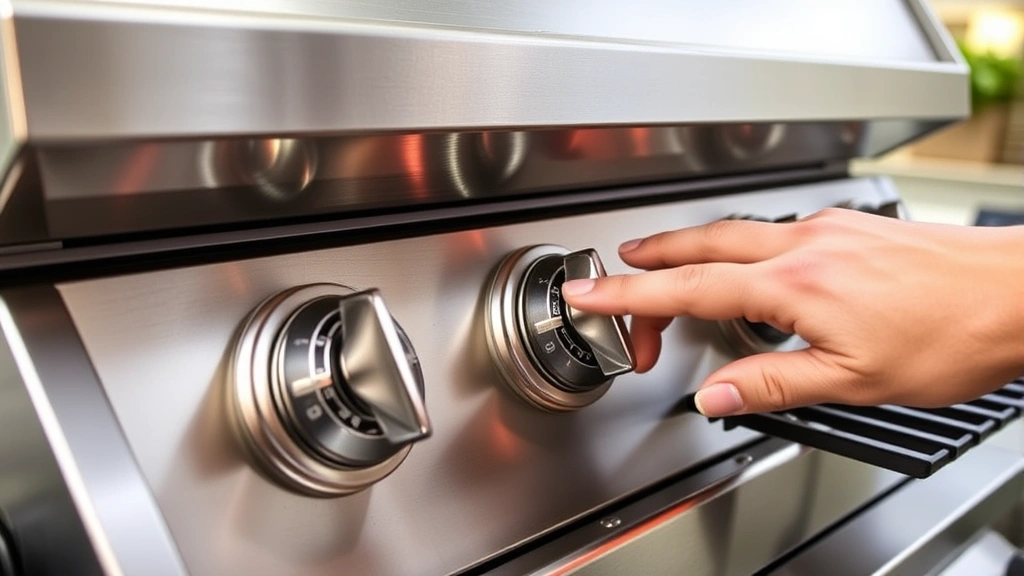
When evaluating a gas grill with griddle, understand the distinction between total BTU output and usable BTU output. A grill claiming 50,000 BTUs might distribute this across five burners, meaning each provides approximately 10,000 BTUs. For griddle cooking, you’ll want dedicated burner control—ideally a separate burner beneath the griddle surface. Look for models offering 8,000-12,000 BTUs per burner for optimal performance.
The number of burners matters significantly. Three burners provide adequate capacity for small gatherings, while four or five burners suit larger entertaining and allow temperature zone control. More burners don’t always mean better performance; rather, independent control over different cooking zones elevates your culinary versatility.
Cooking Surface Material
Grates come in three primary materials: stainless steel, cast iron, and porcelain-coated steel. Stainless steel offers excellent rust resistance and minimal maintenance. Cast iron provides superior heat retention and creates exceptional sear marks, though it requires more maintenance. Porcelain coating strikes a balance, offering non-stick properties and rust resistance with easier cleaning than bare cast iron.
For griddle surfaces specifically, look for materials that heat evenly and resist warping under high temperatures. Thick aluminum or stainless steel griddles maintain consistent temperatures across their entire surface, preventing hot spots that compromise cooking quality.
Temperature Control and Precision
Quality gas grill with griddle models feature independent ignition for each burner and precise temperature controls. Thermometers integrated into the hood allow you to monitor cooking temperature without lifting the cover—this preservation of heat improves efficiency and cooking results. Some premium models include digital temperature displays and smartphone connectivity for remote monitoring.
Build Quality and Materials
Stainless steel construction resists rust and weather damage far better than painted steel. However, even stainless steel requires periodic cleaning to maintain its appearance. Look for 304-grade stainless steel, which offers superior corrosion resistance compared to lower grades. The firebox material matters equally; cast aluminum distributes heat evenly, while thicker gauge steel provides better durability.
Durability and Longevity
A quality gas grill with griddle should deliver 10-20 years of reliable service with proper maintenance. Durability directly impacts sustainability—appliances that last longer reduce the environmental burden of manufacturing replacements and disposal. When comparing prices, consider the cost-per-year of ownership rather than initial purchase price alone.
Materials significantly influence longevity. Stainless steel components resist rust that shortens lifespan in other materials. Sealed burners prevent debris from clogging orifices. Heavy-duty grates and firebox construction withstand thermal stress from repeated heating cycles. Premium models often feature warranty periods of 5-10 years, reflecting manufacturer confidence in durability.
The griddle section particularly benefits from quality construction. Repeated heating and cooling cycles can cause warping in thin griddle plates. Thicker plates (approximately 3/8 inch) resist deformation and maintain even heat distribution throughout their service life. Some manufacturers offer replacement griddle inserts, extending the appliance’s usable lifespan further.
Maintenance and Care
Proper maintenance transforms a good gas grill with griddle into a long-lasting investment. Regular cleaning prevents rust and maintains performance efficiency. After each use, brush grates and griddle surfaces while still warm to remove food residue. This prevents buildup that can affect heat distribution and create unpleasant flavors in subsequent meals.
Monthly deep cleaning involves:
- Removing grates and griddle for thorough washing
- Cleaning the interior firebox to remove grease accumulation
- Inspecting burners for clogs or debris
- Checking all connections for gas leaks using soapy water
- Wiping exterior surfaces with appropriate cleaners
Seasonal maintenance proves equally important. Before winter storage, thoroughly clean all components and apply protective oil to prevent rust. In spring, inspect the grill for any winter damage, check gas connections, and replace any corroded components. This proactive approach prevents costly repairs and extends the lifespan of your equipment significantly.
For griddle-specific care, season cast iron griddle surfaces occasionally with high-heat oil to maintain their non-stick properties and prevent rust. Stainless steel griddles benefit from regular cleaning with stainless steel cleaner to maintain their appearance and protective oxide layer.
Environmental Impact
While gas grills with griddles consume fossil fuels, they represent a more efficient cooking method than many alternatives when considering the complete lifecycle. Natural gas combustion produces fewer emissions per BTU than charcoal, and modern grill designs optimize fuel efficiency through improved insulation and burner design. This aligns with sustainable energy solutions that reduce household carbon footprints.
The durability factor significantly impacts environmental considerations. A grill lasting 15 years generates far less manufacturing waste and requires fewer raw materials than replacing shorter-lived equipment every 5-7 years. When purchasing a gas grill with griddle, choosing quality construction represents an environmentally responsible decision.
For eco-conscious consumers, consider models with green technology innovations like improved burner efficiency or recyclable material construction. Some manufacturers increasingly use recycled stainless steel and aluminum in their products. Additionally, proper maintenance that extends appliance lifespan directly reduces your environmental impact.
Many sustainability experts recommend natural gas grills over propane alternatives, as natural gas infrastructure typically has lower leakage rates throughout distribution networks. If environmental concerns drive your purchasing decision, research EPA emissions data to understand the relative impact of different fuel sources in your region.
Proper disposal of old grills also matters environmentally. Metal components are highly recyclable, and responsible disposal facilities can recover valuable materials. When upgrading to a new gas grill with griddle, ensure your old equipment reaches a recycling center rather than landfills.
FAQ
What’s the difference between a grill griddle and traditional grates?
Traditional grates create direct flame contact and distinctive grill marks, ideal for steaks and vegetables. A griddle provides a flat cooking surface with even heat distribution, perfect for pancakes, eggs, burgers, and delicate foods. A combined gas grill with griddle offers both capabilities simultaneously.
How much space do gas grills with griddles require?
Compact models start around 48 inches wide, while full-size units exceed 60 inches. Consider your patio dimensions and ensure adequate clearance from structures and flammable materials—typically 10 feet from combustible surfaces is recommended for safety.
Can I use my gas grill with griddle year-round?
Yes, with proper protection. Invest in a quality grill cover and perform regular maintenance. In harsh climates, consider storing the grill during extreme winter conditions to extend its lifespan significantly.
What fuel source is best: natural gas or propane?
Natural gas offers convenience through permanent lines and consistent pricing, though installation requires professional help. Propane provides portability and works anywhere. For sustainability, natural gas typically produces fewer overall emissions. Both fuel sources are significantly cleaner than charcoal alternatives.
How do I prevent rust on my gas grill with griddle?
Regular cleaning, prompt drying after use, and protective covers prevent rust formation. Stainless steel construction resists rust naturally, while painted surfaces require more careful maintenance. Apply protective oil to cast iron components periodically.
Are expensive gas grills worth the investment?
Premium models often feature superior materials, better heat distribution, and longer warranties. When calculated as cost-per-year over a 15-20 year lifespan, premium options frequently provide better value than cheaper alternatives requiring replacement every 5-7 years. Consider durability and performance rather than initial price alone.
What size gas grill with griddle do I need?
For small families (2-4 people), a 3-burner model suffices. For regular entertaining (6-10 people), choose 4-5 burners. The griddle section should be at least 20-25 inches wide for practical cooking surface area.
Can I convert my existing grill to include a griddle?
Some grills accommodate aftermarket griddle inserts that sit atop grates or utilize existing burners. However, integrated models with dedicated griddle burners offer superior performance. Consult gas grill parts resources for compatibility information before purchasing accessories.
Investing in a quality gas grill with griddle elevates your outdoor cooking experience while providing exceptional versatility. Whether you prioritize performance, affordability, or environmental considerations, the options available in today’s market ensure you’ll find a model matching your specific needs. Proper selection and maintenance guarantee years of delicious meals and memorable gatherings in your backyard.


